Understanding habitats Building Vocabulary Worksheets
3 filtered results
-
From - To
Enhance your child's vocabulary and comprehension skills with our "Understanding Habitats Building Vocabulary Worksheets"! Designed for early grade learners, these engaging worksheets explore various habitats, from forests to deserts, while promoting critical thinking and language development. Through exciting activities and interactive exercises, students will connect words to their meanings, deepen their knowledge about ecosystems, and improve their reading skills. Each worksheet is tailored to ignite curiosity and stimulate discussion about the diverse environments that support life on Earth. Ideal for classroom or home use, these resources empower young learners to build vocabulary while fostering a genuine appreciation for nature.
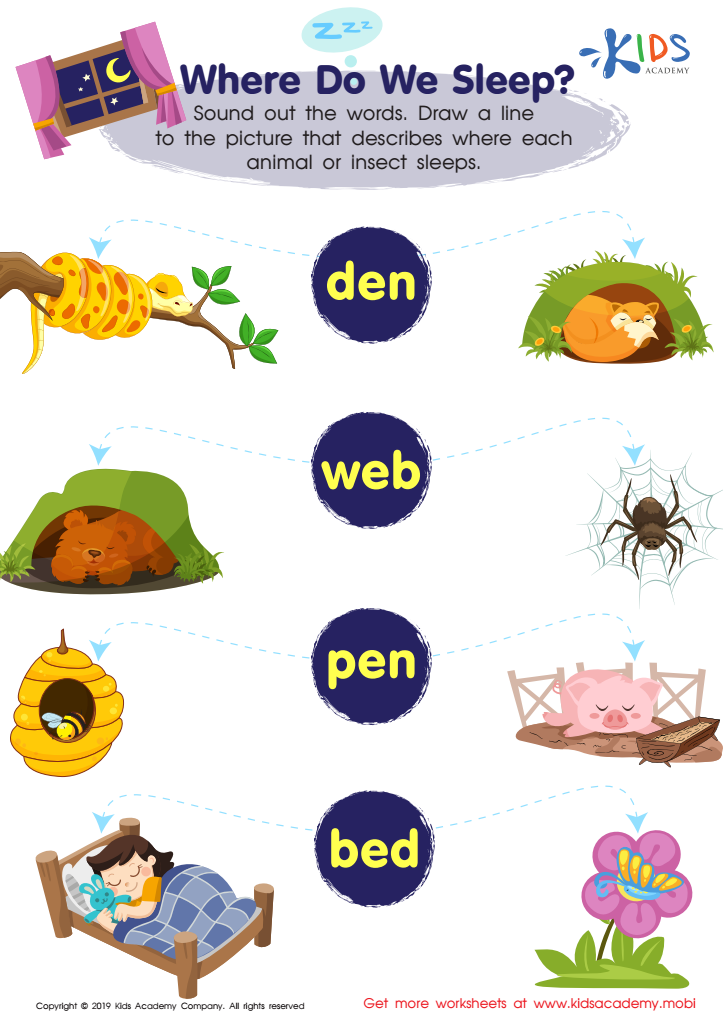
Where Do We Sleep Worksheet
 Assign to My Students











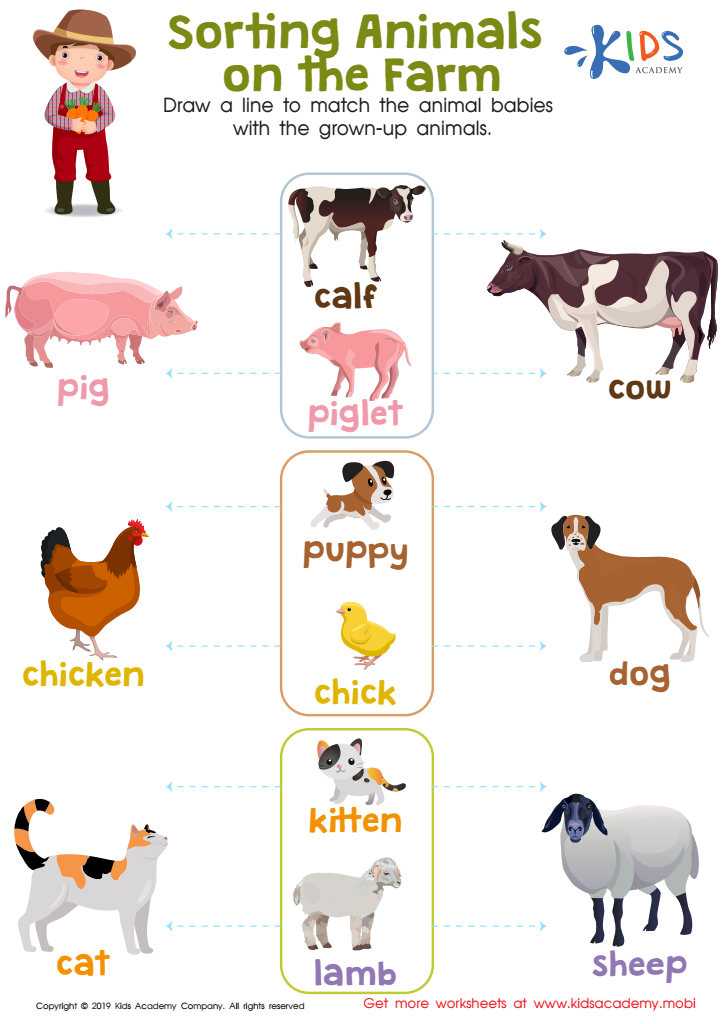
Sorting Animals on the Farm Worksheet








Understanding habitats and building vocabulary are vital components of a child's education that significantly contribute to their cognitive and social development. When parents and teachers focus on these areas, they promote a deeper connection between students and their environment. By learning about habitats—such as forests, oceans, and wetlands—children gain insights into the diverse ecosystems that exist, fostering a sense of appreciation for nature. This understanding encourages environmental stewardship and curiosity about the world around them.
Building vocabulary is equally important as it enhances comprehension and communication skills. A rich vocabulary allows children to express themselves clearly and understand instructions, literature, and the science behind various habitats. When students can articulate their thoughts about different ecosystems, they are more likely to engage in discussions, ask questions, and draw connections across subjects.
Moreover, these two aspects are intertwined; as students explore habitats, they encounter new words related to their discoveries. Integrating habitat studies with vocabulary building ignites a passion for learning and encourages critical thinking.
Ultimately, when parents and teachers prioritize understanding habitats and enhancing vocabulary, they equip children with the tools necessary for academic success, fostering lifelong learners who are mindful of their impact on the world. Their engagement empowers students to become informed and responsible citizens.








