Sequencing Skills Reading Fiction Worksheets
5 filtered results
-
From - To
Enhance your child's reading comprehension and sequencing skills with our engaging Sequencing Skills Reading Fiction Worksheets. Designed for early learners, these worksheets provide a fun and interactive way for children to grasp the order of events in stories. Through colorful illustrations and relatable narratives, kids will practice identifying key story elements Chronologically, improving their ability to retell stories and understand narrative structure. Ideal for teachers and parents, our printable worksheets offer step-by-step guidance to support young readers in organizing their thoughts and building a solid foundation for advanced reading skills. Explore our collection and inspire a love for reading today!
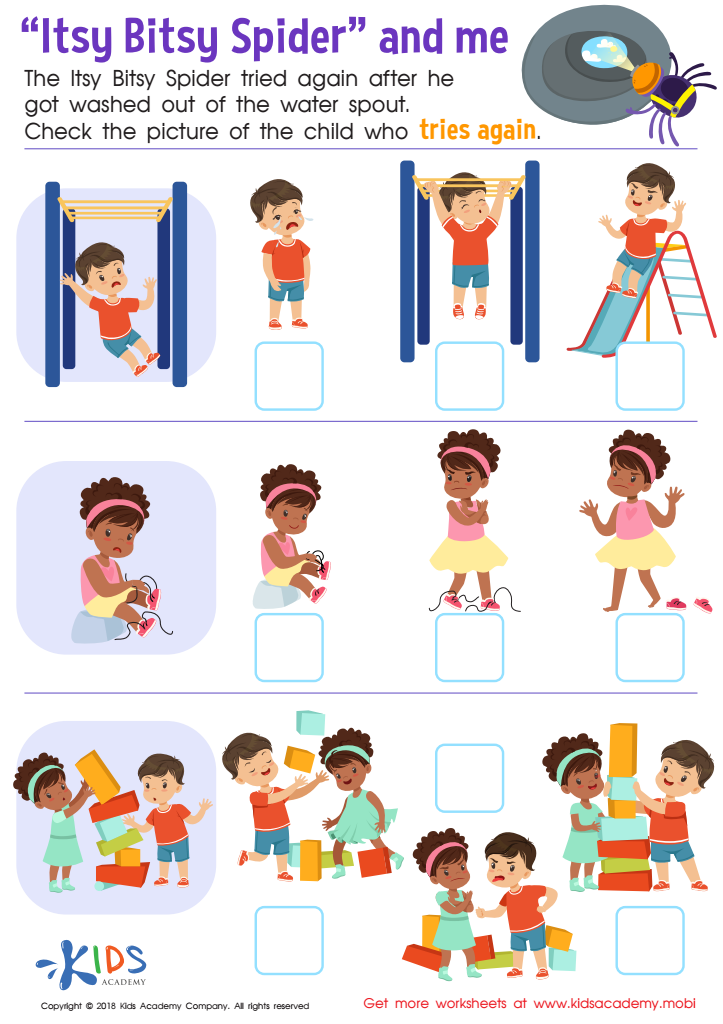
Itsy Bitsy Spider and Me Worksheet
 Assign to My Students
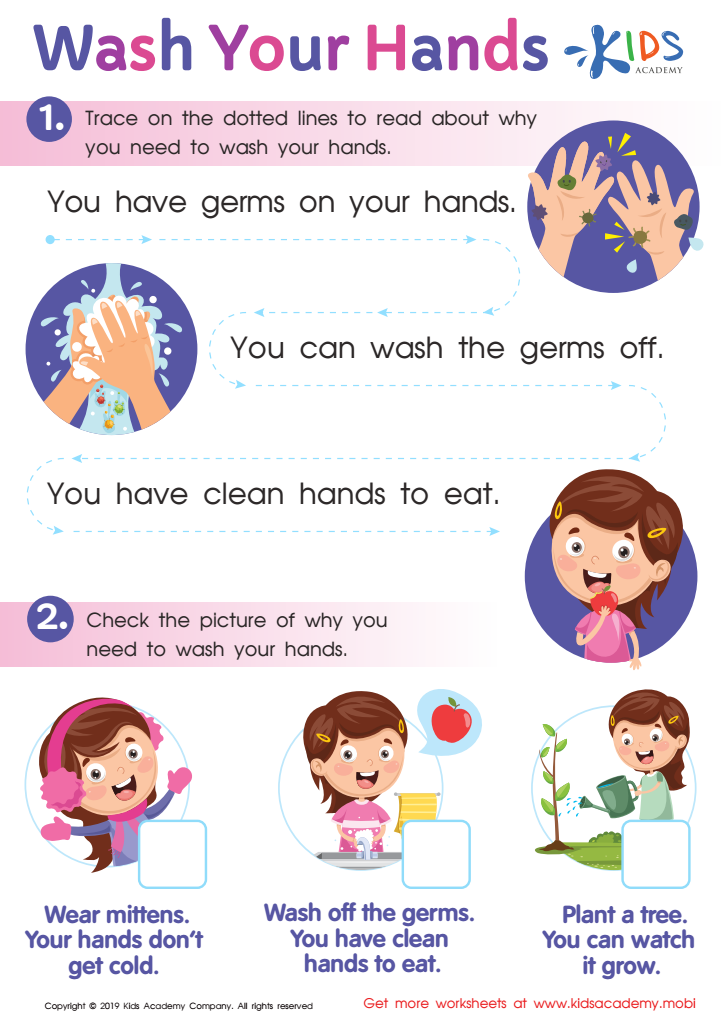
Wash Your Hands Worksheet
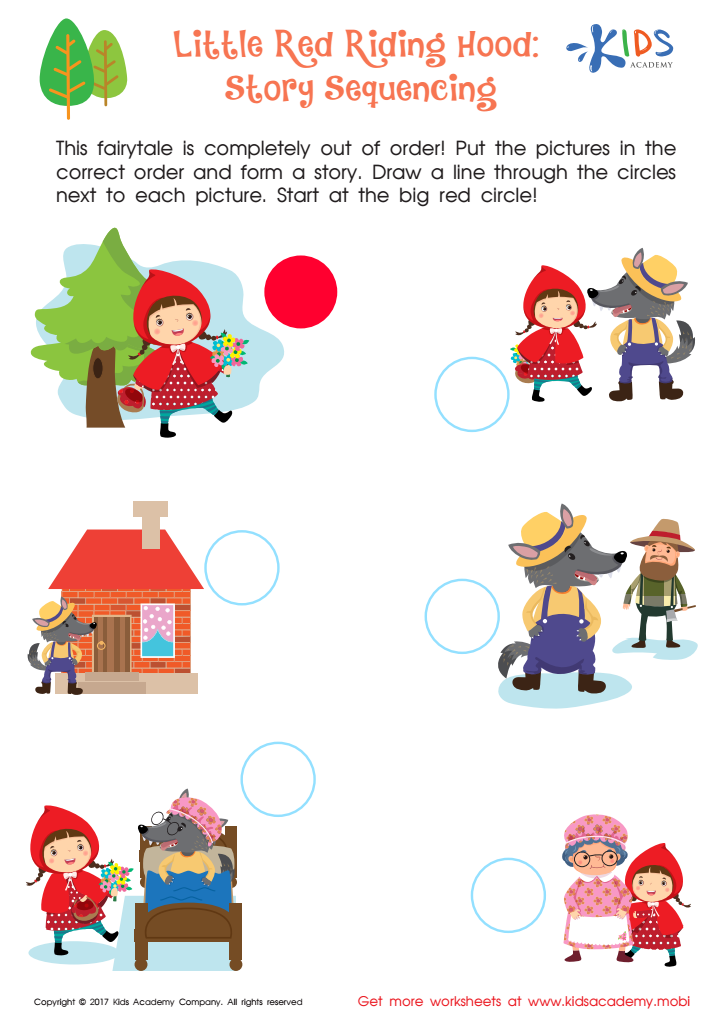
Story Sequencing Printable
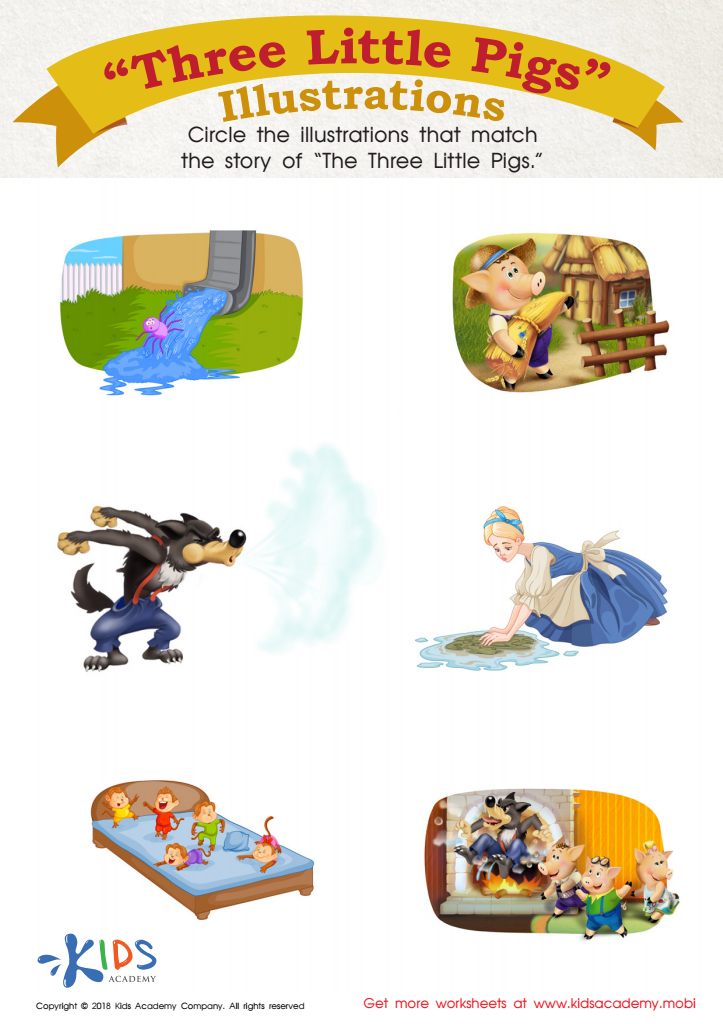
Three Little Pigs: Illustrations Worksheet
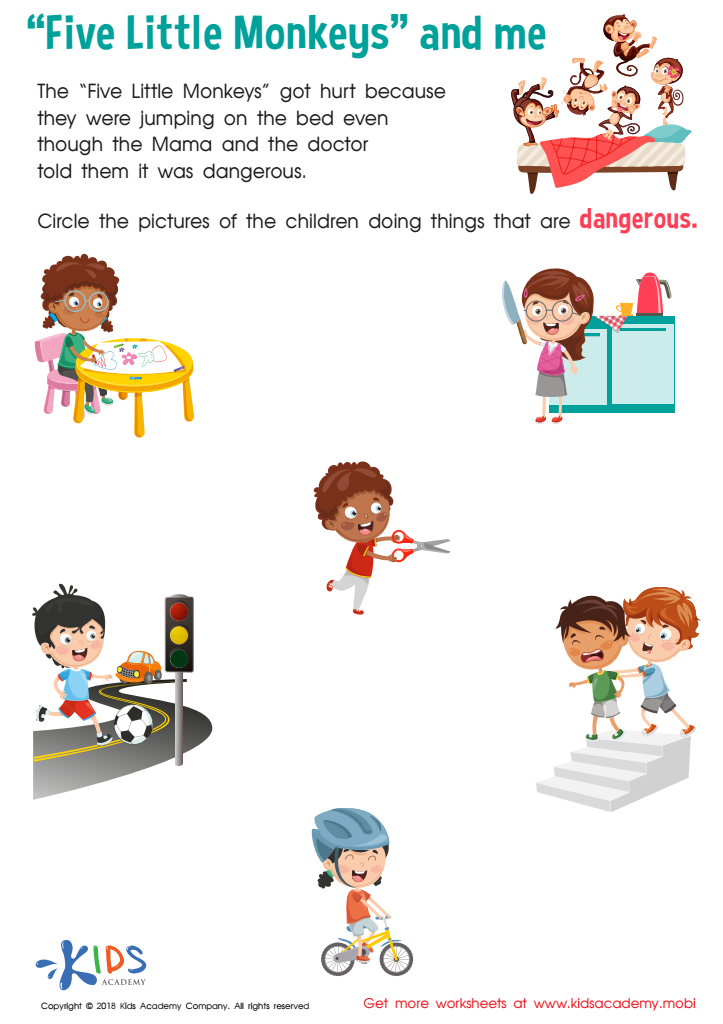
Five Little Monkeys and Me Worksheet








Sequencing skills are crucial when reading fiction, as they enable children to understand the order in which events occur, which is essential for grasping the narrative structure and overall flow of a story. For parents and teachers, it is important to foster these skills in young readers for several reasons.
First, sequencing supports comprehension; when children can identify the beginning, middle, and end of a story, they are better able to recall details, understand character motivations, and make predictions about future events. This deeper understanding enhances both enjoyment and engagement with the text.
Moreover, sequencing skills contribute to critical thinking and problem-solving abilities. Children learn to analyze cause-and-effect relationships within a narrative, which can translate to improved reasoning skills in everyday life.
Additionally, fostering sequencing skills in reading helps prepare students for more complex texts as they progress in their education. It equips them with the foundation for skills like summarization.
Finally, sequences are present in many aspects of life beyond literacy—routine tasks, events, and instructions all require an understanding of order. By emphasizing the importance of sequencing in fiction, parents and teachers help cultivate well-rounded, informed, and critical thinkers.








