Shape Recognition Reading Fiction Worksheets
3 filtered results
-
From - To
Shape Recognition Reading Fiction Worksheets are engaging resources designed to enhance early childhood education by combining visual and literary learning. These worksheets promote cognitive development, language skills, and geometric shape recognition through fun, illustrated stories and activities. Ideal for kindergarten and 1st-grade students, each worksheet integrates reading comprehension with shape identification tasks. Utilized by educators and parents alike, these tools make learning enjoyable and effective, fostering a love for reading while reinforcing foundational math skills. Perfect for classroom use or at-home practice, Shape Recognition Reading Fiction Worksheets are essential for nurturing well-rounded, curious young learners.
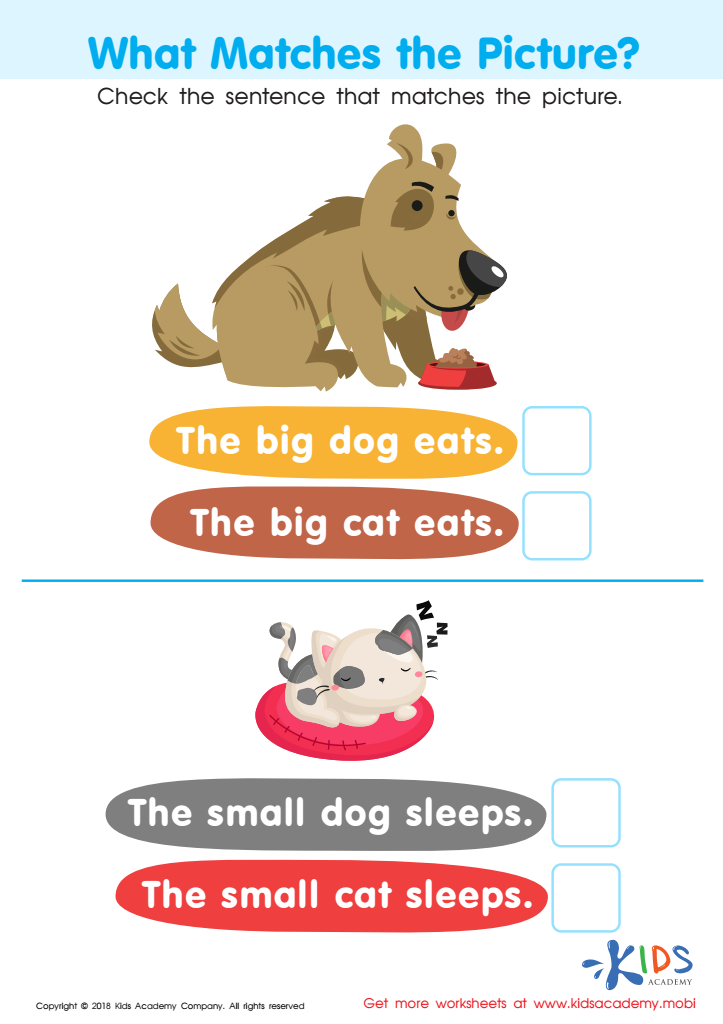
What Matches the Picture? Worksheet
 Assign to My Students
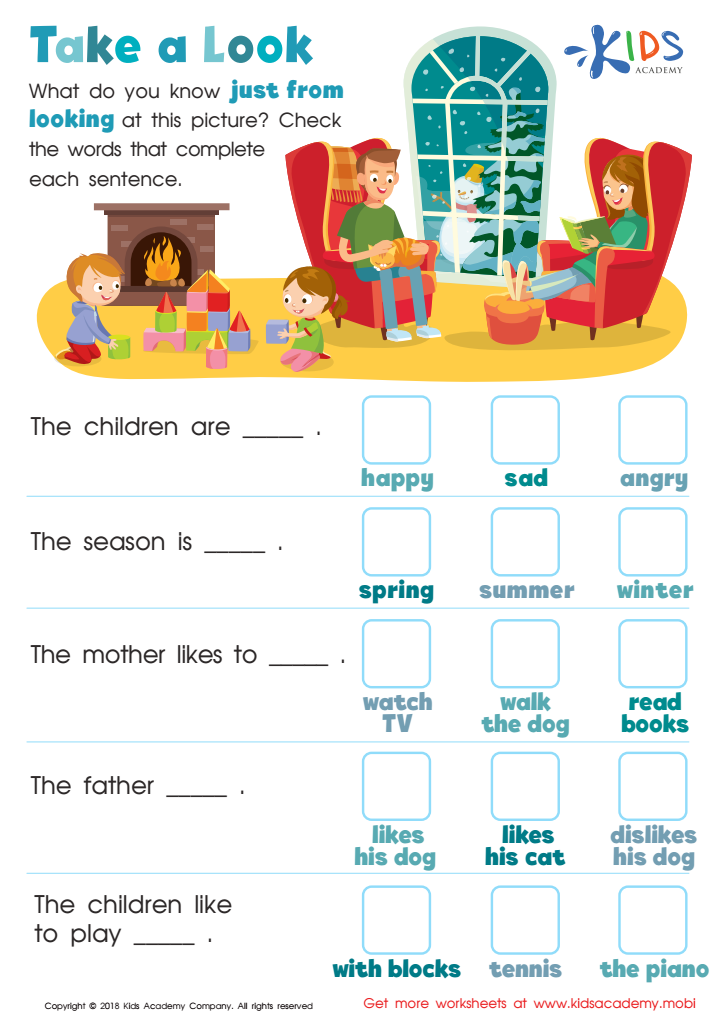
Take a Look - Part 1 Worksheet
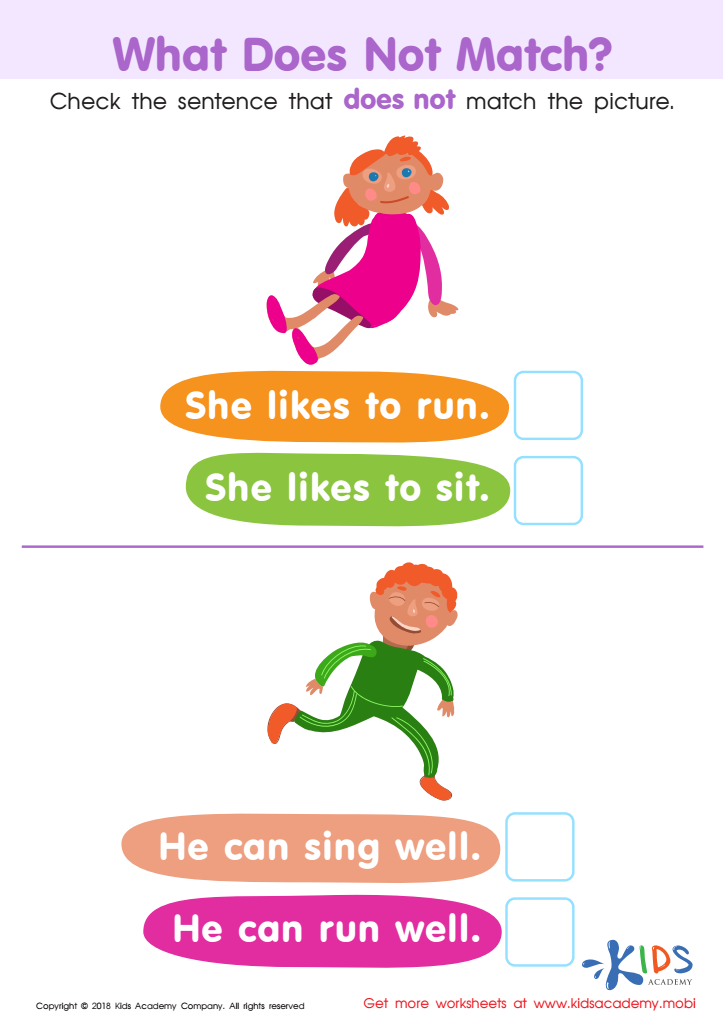
What Does Not Match? Worksheet







Shape recognition and reading fiction are crucial in the early development of a child's cognitive and social skills. Parents and teachers should prioritize shape recognition because it is foundational to future math, writing, and logical thinking skills. Recognizing shapes helps children understand geometry, organize visual information, and comprehend spatial relationships, enhancing their overall academic abilities.
Similarly, reading fiction plays a vital role in shaping a child's imagination, empathy, vocabulary, and understanding of complex human emotions and experiences. It introduces them to different cultures and perspectives, broadening their world view. Engaging with stories allows children to explore narrative structures, predict outcomes, and develop language skills in a meaningful context. Fiction also nurtures creativity and problem-solving skills as children imagine different scenarios and solutions.
Combining shape recognition activities with reading fiction can create a more enriched learning environment. For example, stories revolving around shapes can make learning more engaging and holistic. Parents and teachers who integrate these elements help children build a solid foundation for lifelong learning, critical thinking, and emotional intelligence, fostering well-rounded development in a supportive and stimulating environment.








