Practice subtraction Sight Words Worksheets
4 filtered results
-
From - To
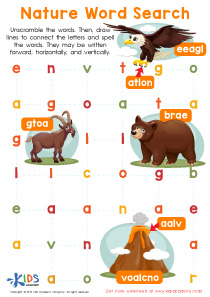
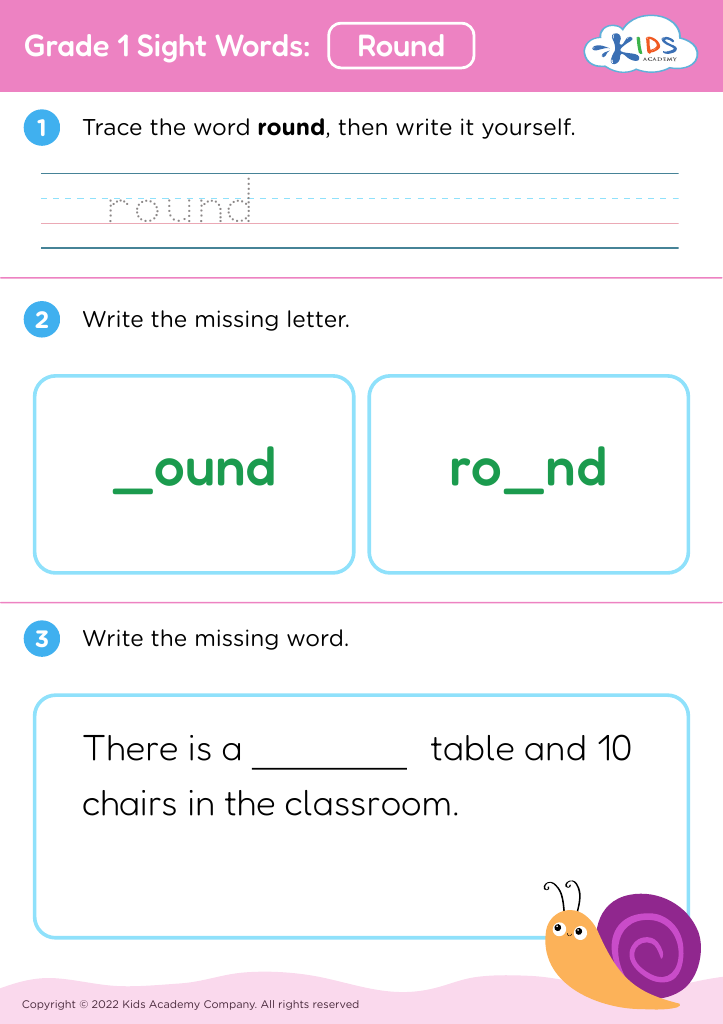
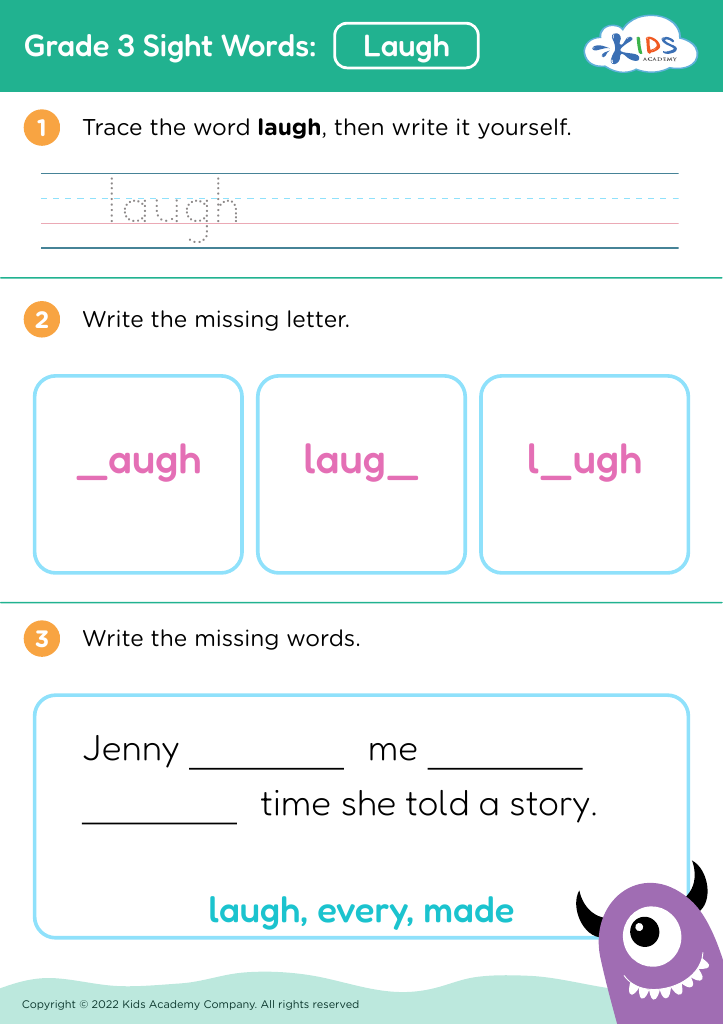
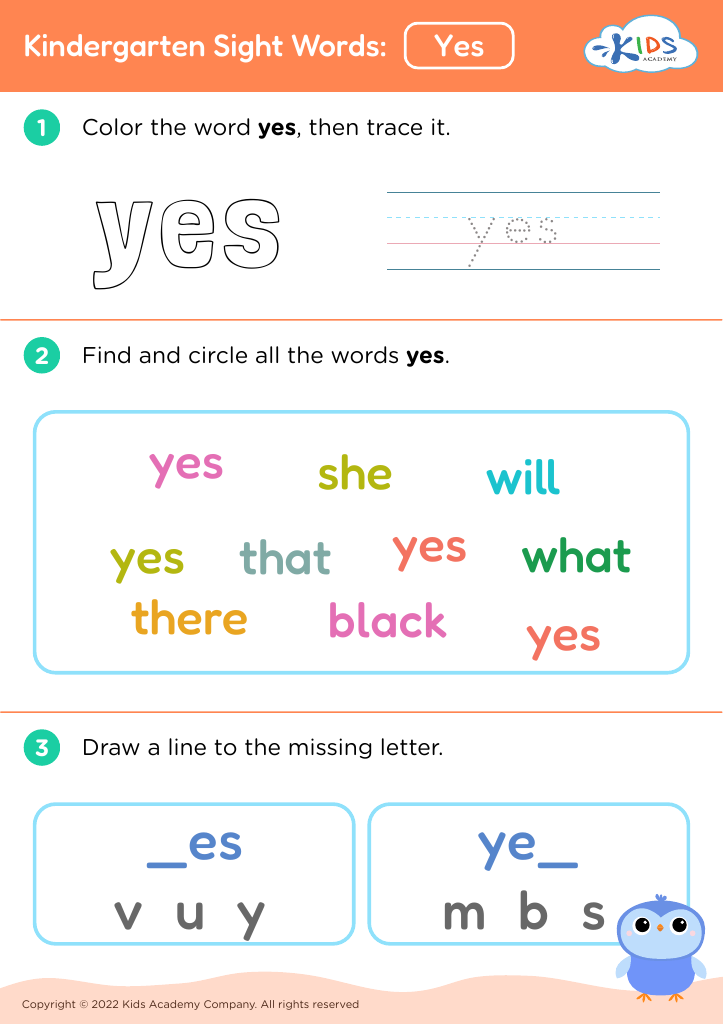
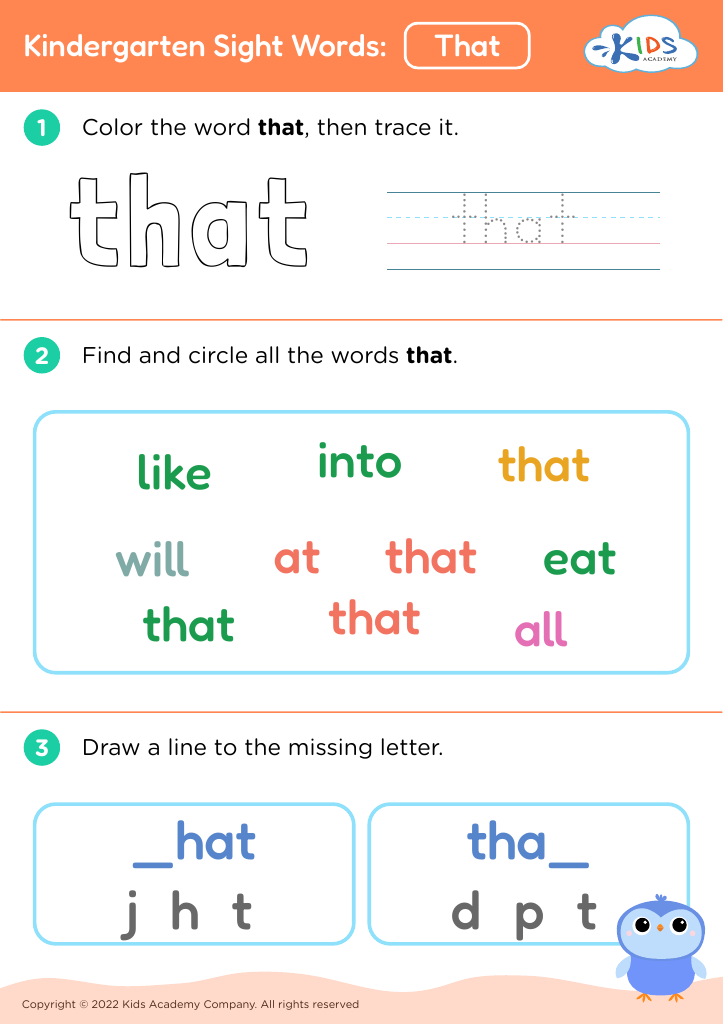
Explore our "Practice Subtraction Sight Words Worksheets" to enhance your child's math and reading skills simultaneously! These engaging worksheets blend essential subtraction practice with sight word recognition, making learning fun and effective. Ideal for early graders, each worksheet presents subtraction problems paired with sight words to boost comprehension and retention. Perfect for in-class use or at-home practice, our structured activities encourage independent learning and build a solid foundation in both arithmetic and literacy. Help your child achieve academic success with these versatile and interactive worksheets from Kids Academy!











.jpg)
Parents and teachers should care about practice subtraction sight words because it significantly aids children's overall mathematical development. Subtraction sight words, such as "minus," "less than," and "difference," form the foundational vocabulary that supports understanding and performing subtraction operations. When children recognize and comprehend these terms effortlessly, they can solve subtraction problems more quickly and confidently.
Early familiarity with subtraction sight words also fosters better communication skills in mathematical contexts. This enables students to interpret word problems accurately and articulate their thought processes when reasoning through a problem. Encouraging this early on helps them become more comfortable with complex mathematical language and concepts in the future.
Additionally, practicing subtraction sight words contributes to a stronger grasp of both reading and math skills simultaneously. Integrating literacy with math fluency strengthens cognitive connections, enriching a child's learning experience and overall academic growth.
Ultimately, caring about and making time to practice subtraction sight words prepares students for long-term success, ensuring that foundational math skills are built solidly and remain with them as they progress through their education. Engaged parents and teachers help create a supportive learning environment essential for fostering strong, confident, and capable learners.