Problem Solving Sight Words Worksheets
3 filtered results
-
From - To
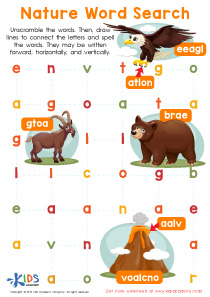
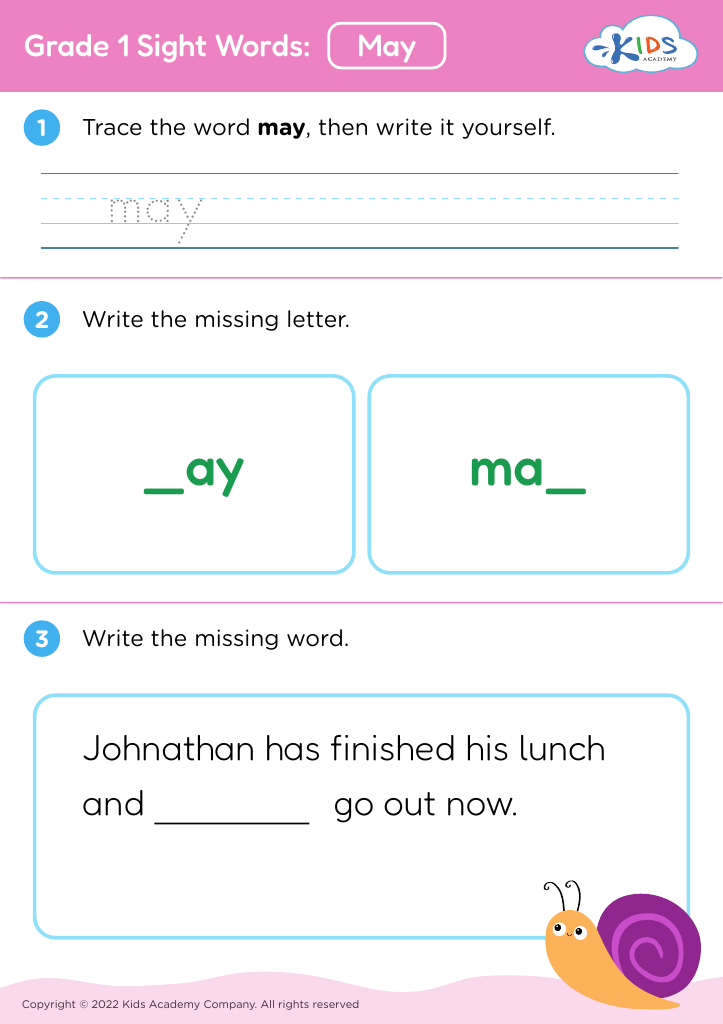
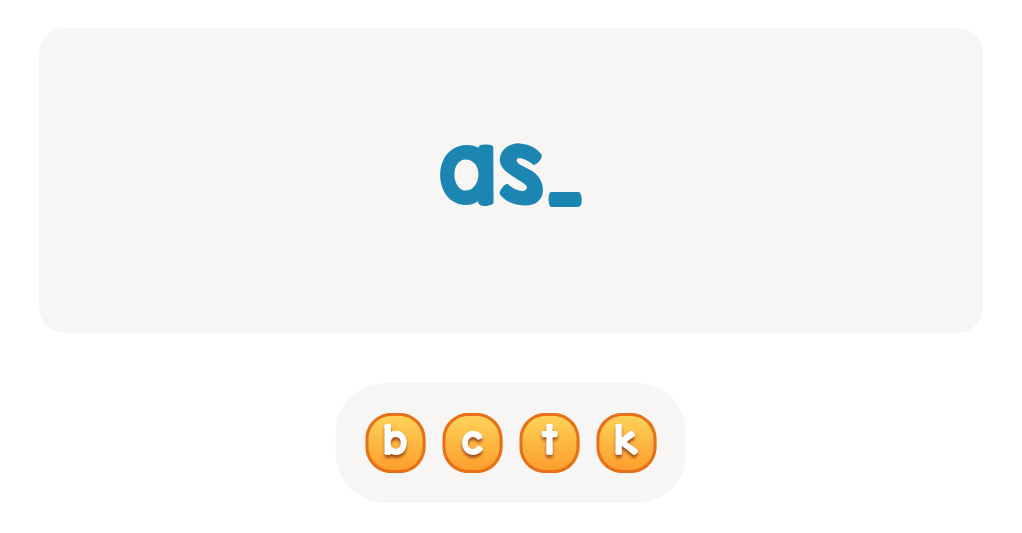
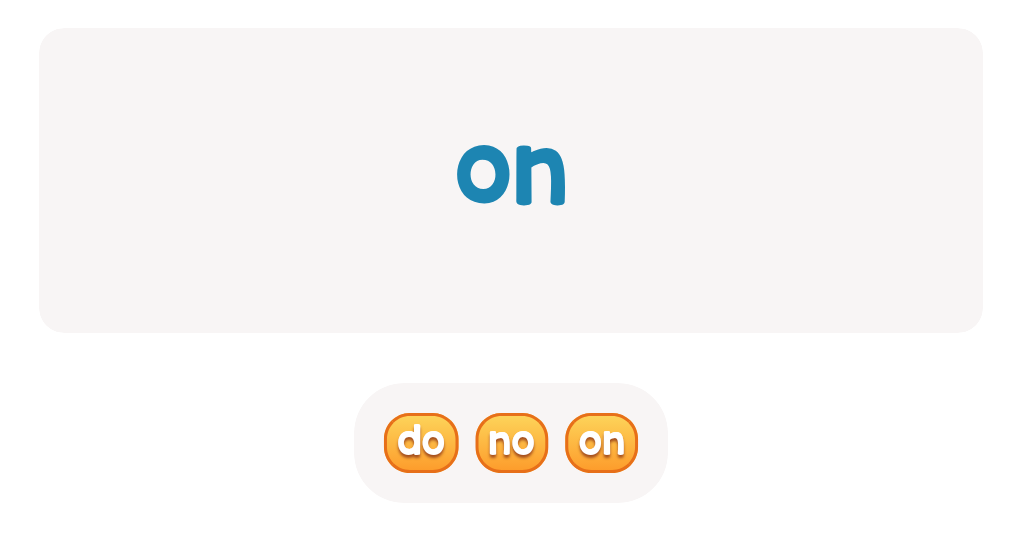
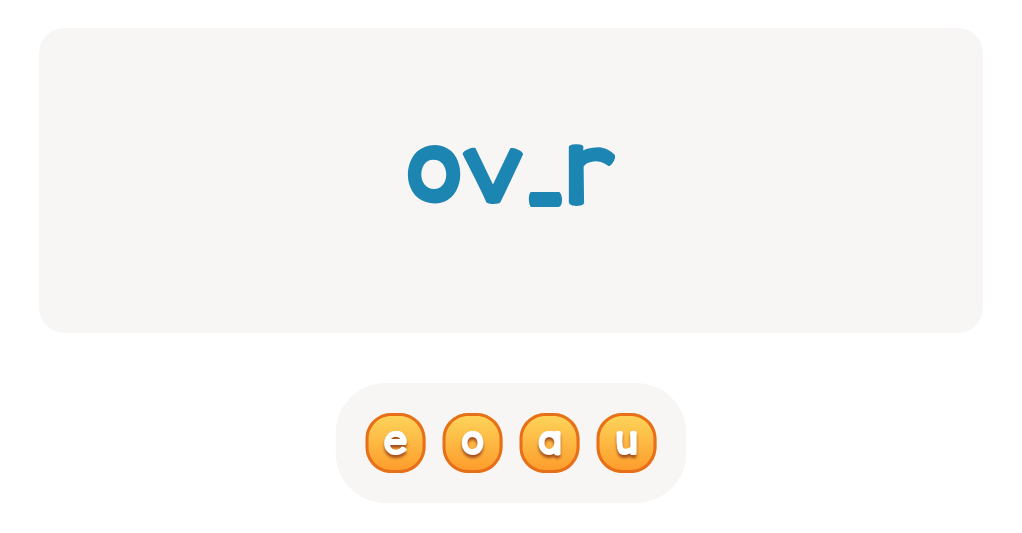
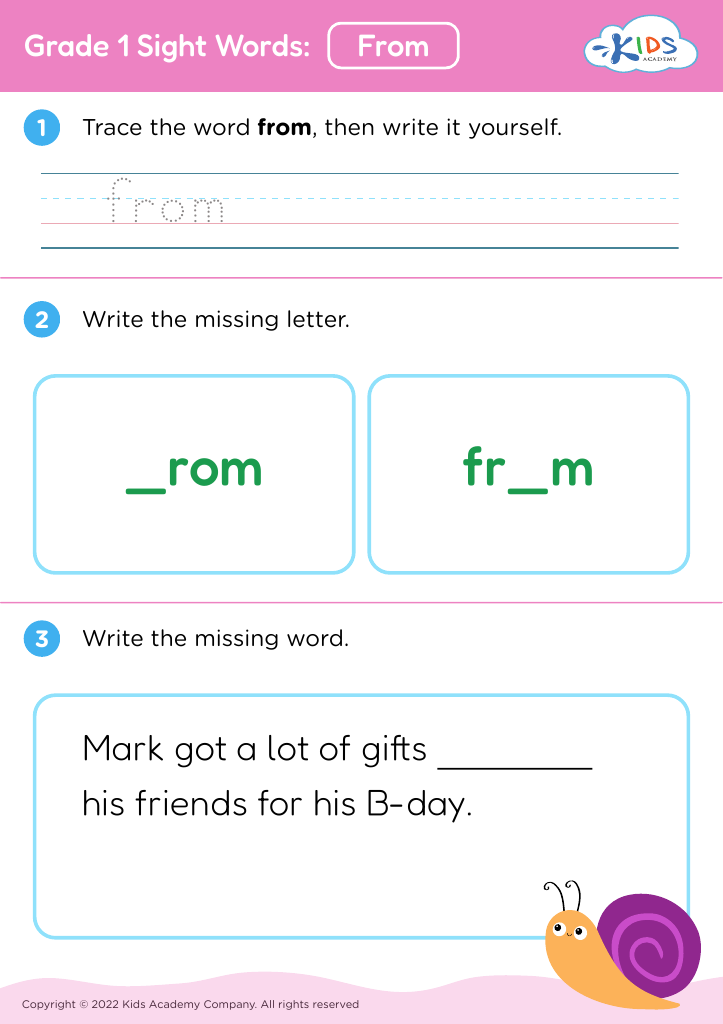
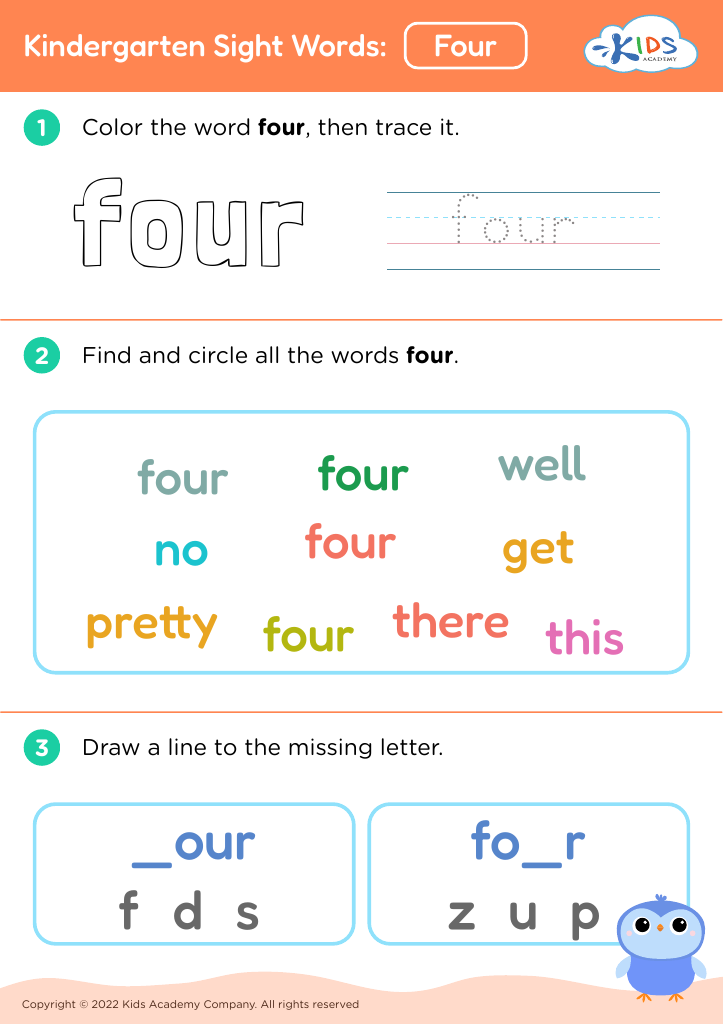
Discover a highly engaging way to help children master sight words with our Problem Solving Sight Words Worksheets! These creatively designed worksheets are not just about rote memorization. They integrate fun, problem-solving activities that enhance reading skills and critical thinking. Perfect for young learners, these printables offer a variety of challenges that make learning sight words enjoyable and effective. Suitable for use at home or in the classroom, they support early literacy by encouraging kids to recognize and use common sight words confidently. Empower your child's reading journey today with our comprehensive and interactive resources!








.jpg)



Problem Solving Sight Words are essential for early readers because these words frequently appear in text and often cannot be easily decoded through standard phonics rules. For parents and teachers, ensuring that children master sight words can significantly impact reading fluency, comprehension, and overall academic success. These words act as building blocks, allowing young readers to recognize familiar patterns and navigate through context more seamlessly, thereby reducing reading frustration.
By focusing on sight words, children develop automaticity; the ability to recognize these words instantly without having to use mental resources to decode them. This frees up cognitive capacity to focus on understanding the text’s meaning, which is crucial for developing higher-level thinking skills. When children can quickly recognize sight words, they build confidence in their reading ability. Greater confidence translates into more willingness to read, fostering a lifelong love of learning and curiosity.
For parents, regularly practicing sight words at home can create a consistent learning environment that reinforces what is taught in school. Teachers, on the other hand, can integrate sight words in various fun and interactive classroom activities. This mutual effort can make the process enjoyable and highly effective, setting a solid foundation for advanced literacy skills and overall educational development.