Simplifying Fractions Sight Words Worksheets
7 filtered results
-
From - To
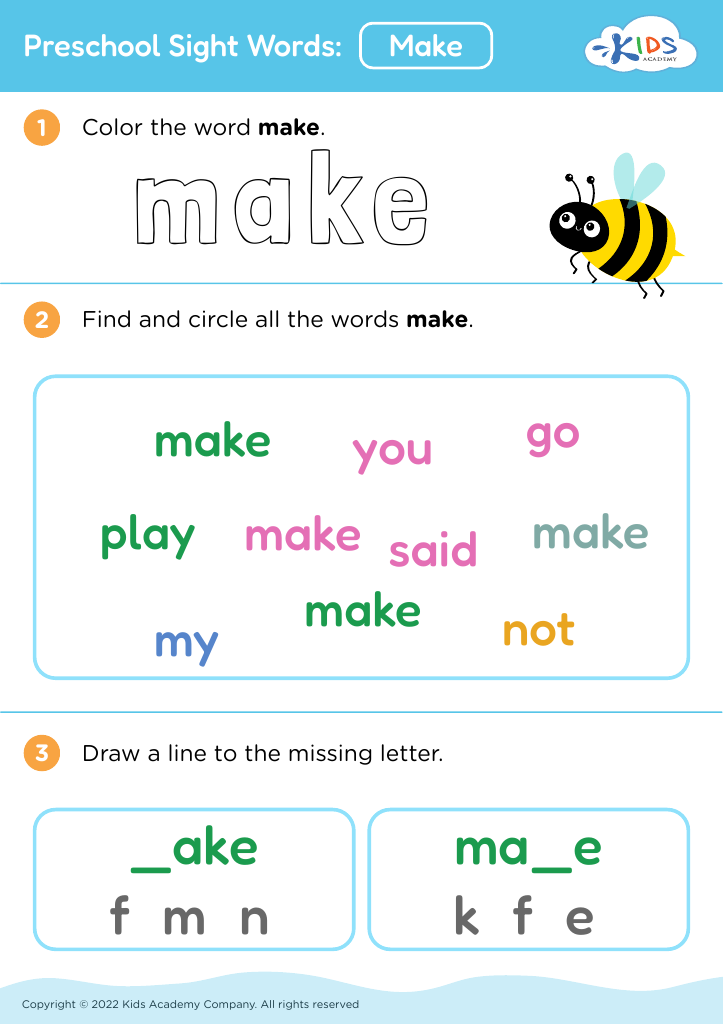
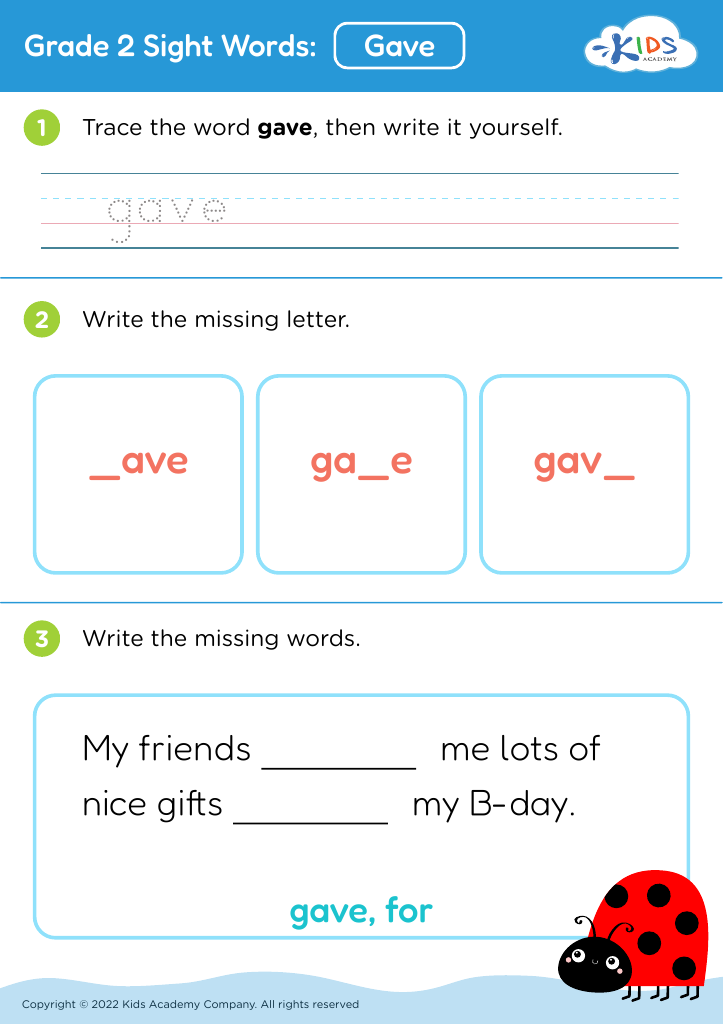
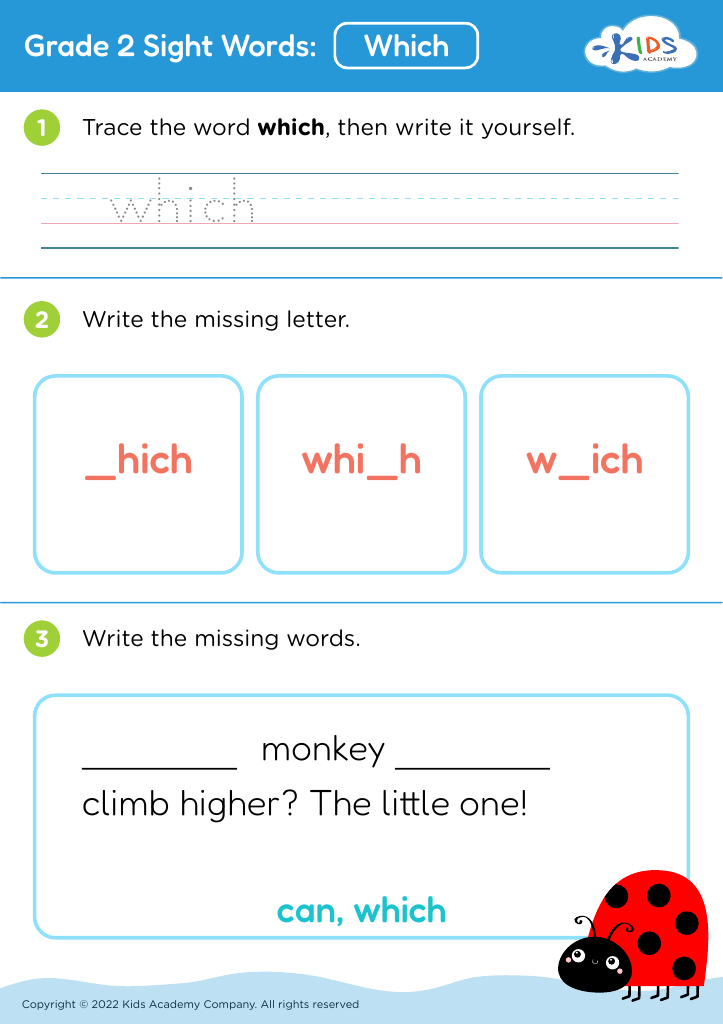
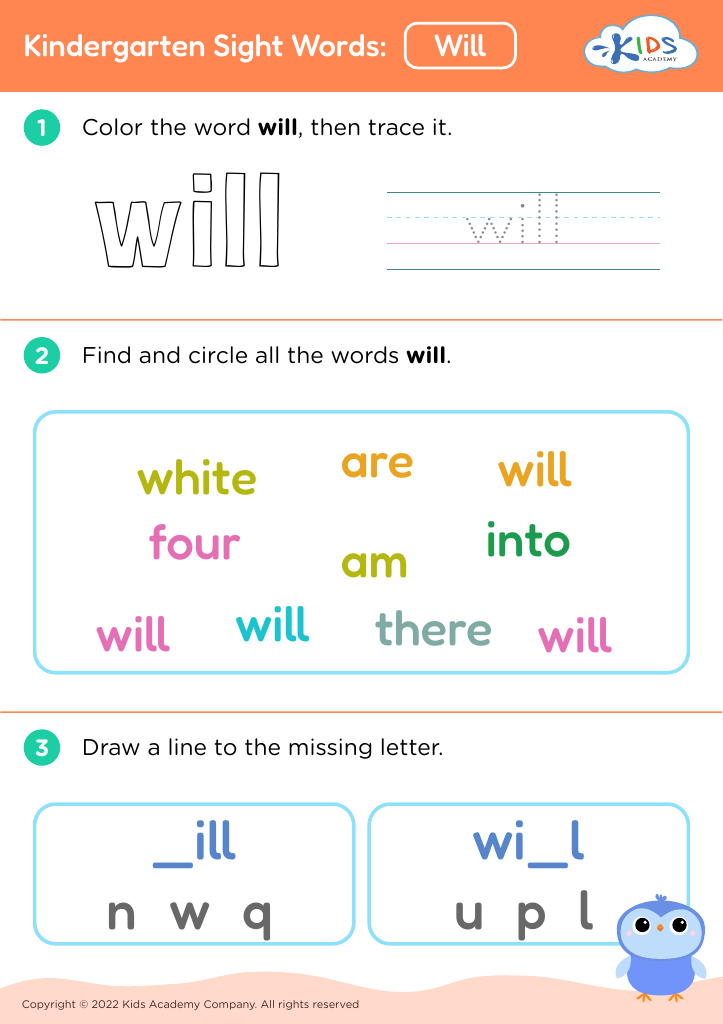
Welcome to our "Simplifying Fractions Sight Words Worksheets" page! These engaging worksheets are designed to help young learners master both sight words and the concept of simplifying fractions. By combining reading skills with math practice, children will enhance their comprehension and ability to identify essential vocabulary while gaining confidence in fraction simplification. The colorful, interactive worksheets are perfect for classroom use or at-home practice, encouraging creativity and participation. Ideal for early grade teachers and parents alike, these resources provide a fun and effective way to develop literacy and numeracy skills simultaneously. Download your worksheets today and make learning enjoyable!
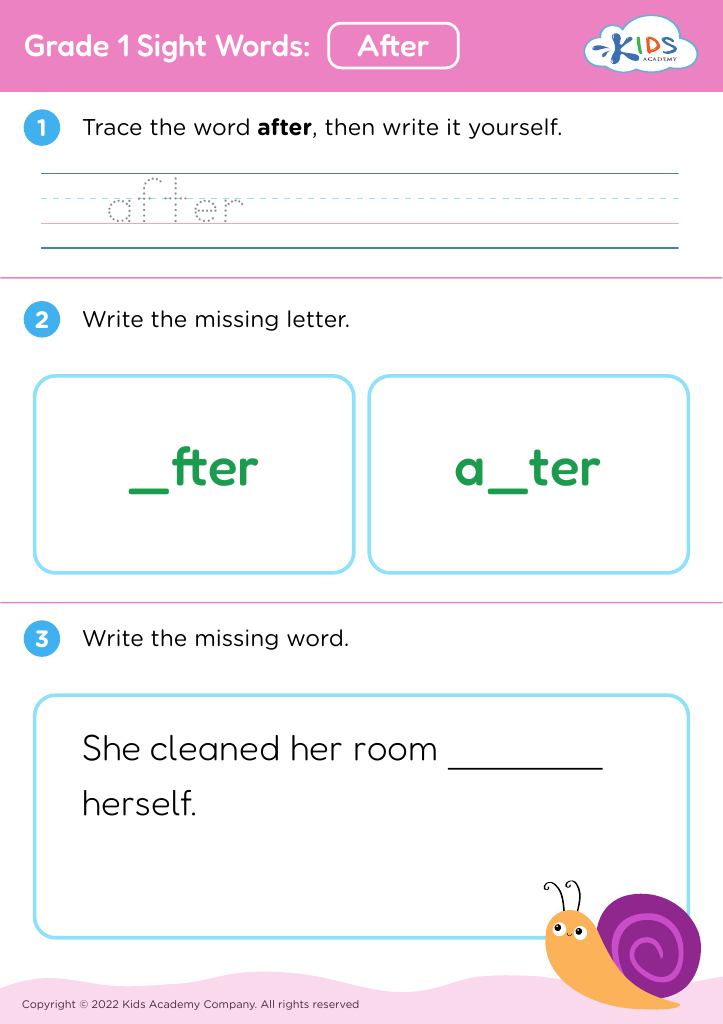







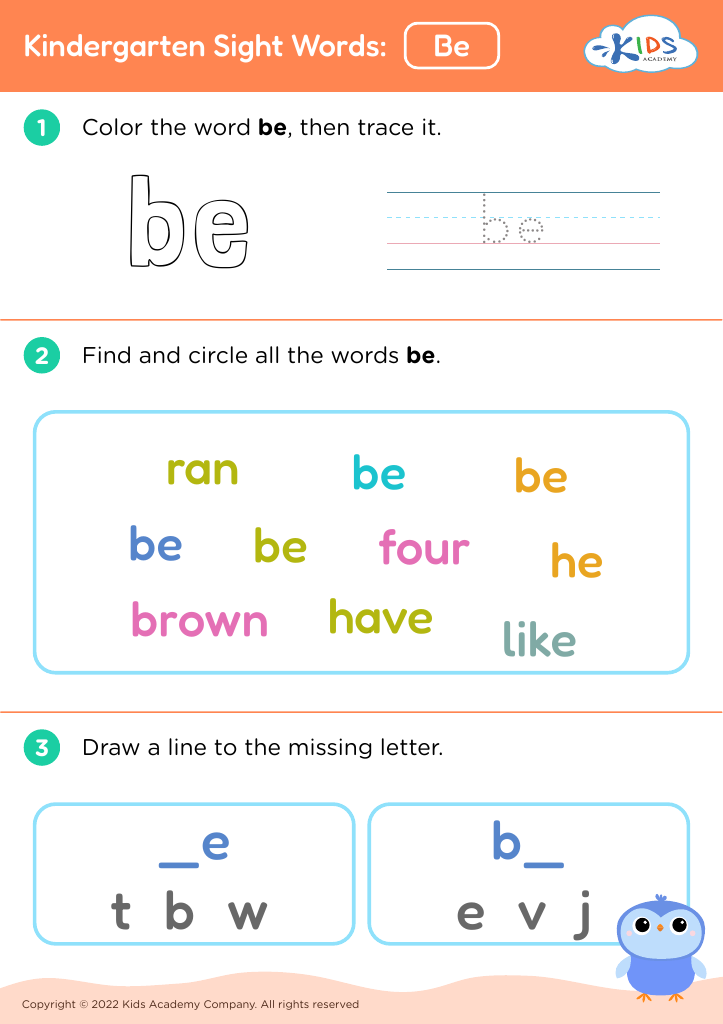
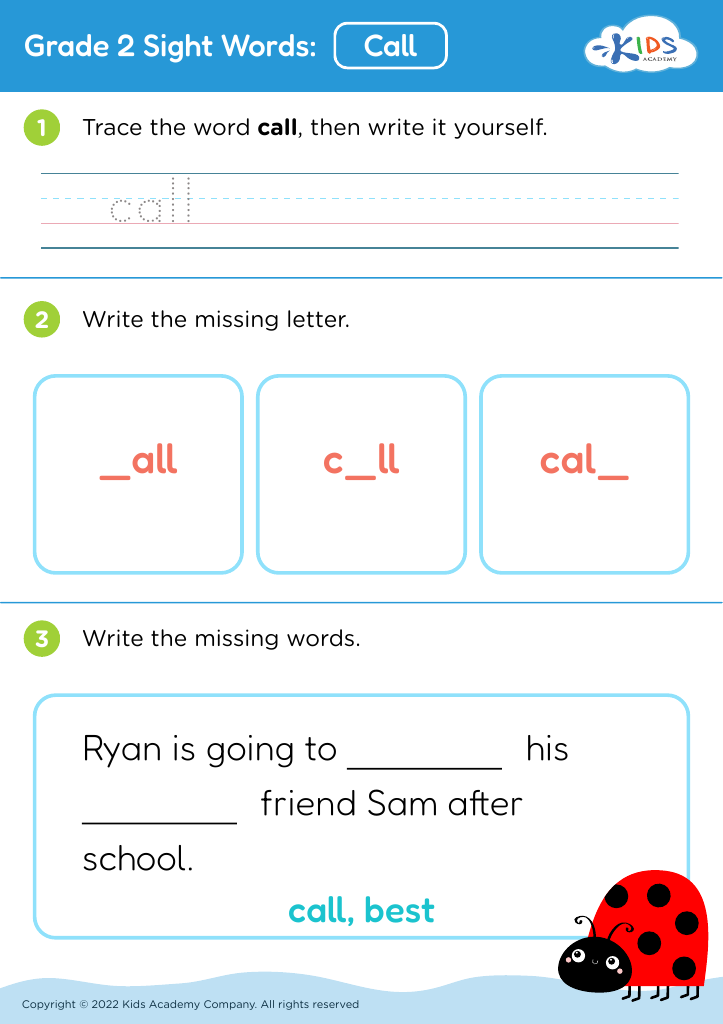








Parents and teachers should care about simplifying fractions and sight words because both serve foundational roles in early education, influencing students' overall comprehension and confidence in math and language.
Understanding simplifying fractions is crucial for helping children grasp the principles of ratios, proportions, and number sense. This skill prepares students for more complex mathematical concepts and fosters critical thinking. When they can simplify fractions, they embark on a path to better problem-solving abilities and enhanced numeracy, which significantly impacts their performance in future math classes.
On the other hand, sight words are essential for reading fluency. These high-frequency words often do not follow standard phonetic patterns and must be recognized instantly for efficient reading. Familiarity with sight words allows young learners to engage with texts more effectively, boosting their comprehension and retention. It also spurs a love for reading by enabling fluency and confidence in their abilities.
When parents and teachers prioritize these elements, they support holistic development in literacy and numeracy. This investment not only facilitates academic success but also nurtures curiosity and a love for learning. Ultimately, these foundational skills contribute to students’ long-term educational journey, setting the stage for future academic achievements.