Understanding symmetry Sight Words Worksheets
5 filtered results
-
From - To
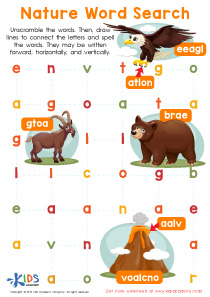
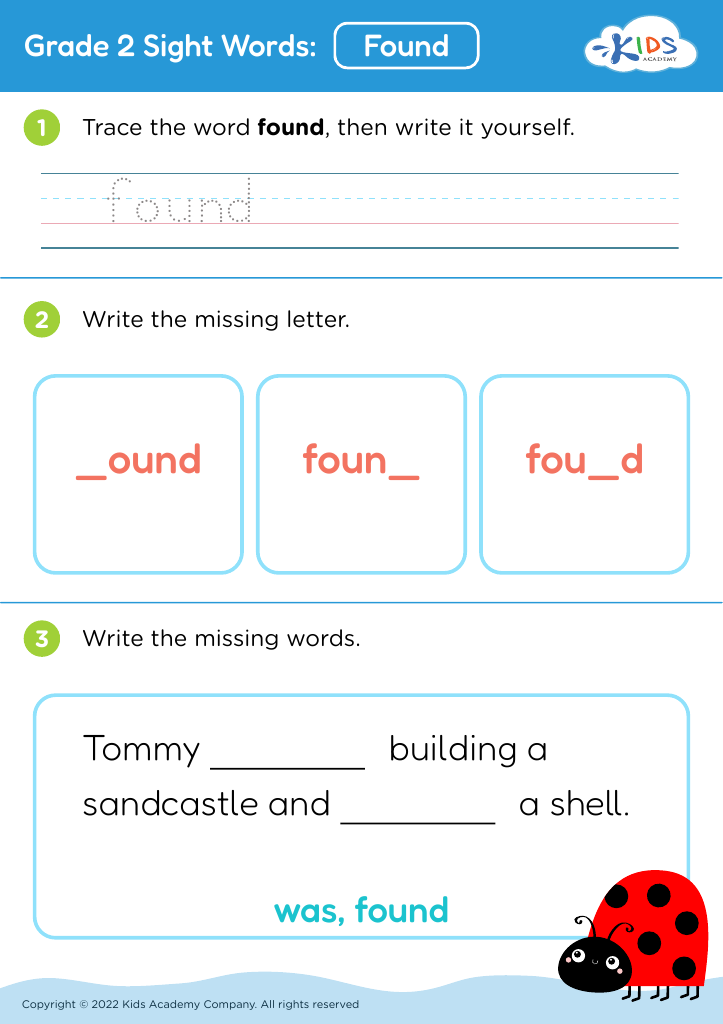
Boost your child's reading and math skills simultaneously with our "Understanding Symmetry Sight Words Worksheets." These engaging sheets combine the fun of learning sight words with the intriguing patterns of symmetry. Designed specifically for early learners, this resource allows kids to identify sight words while exploring symmetrical designs. Each worksheet offers a visually appealing way to practice reading skills and foster an understanding of symmetrical concepts, making learning an enjoyable multi-faceted experience. Perfect for home or classroom use, our worksheets help young students reinforce essential sight words and develop a solid foundation in early math skills!



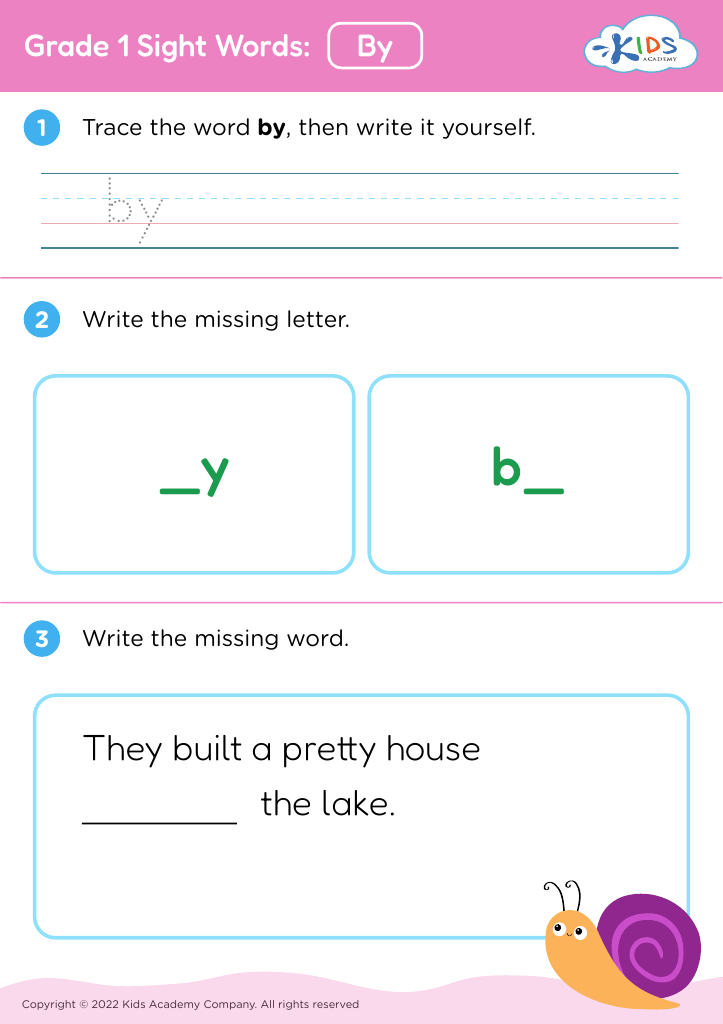
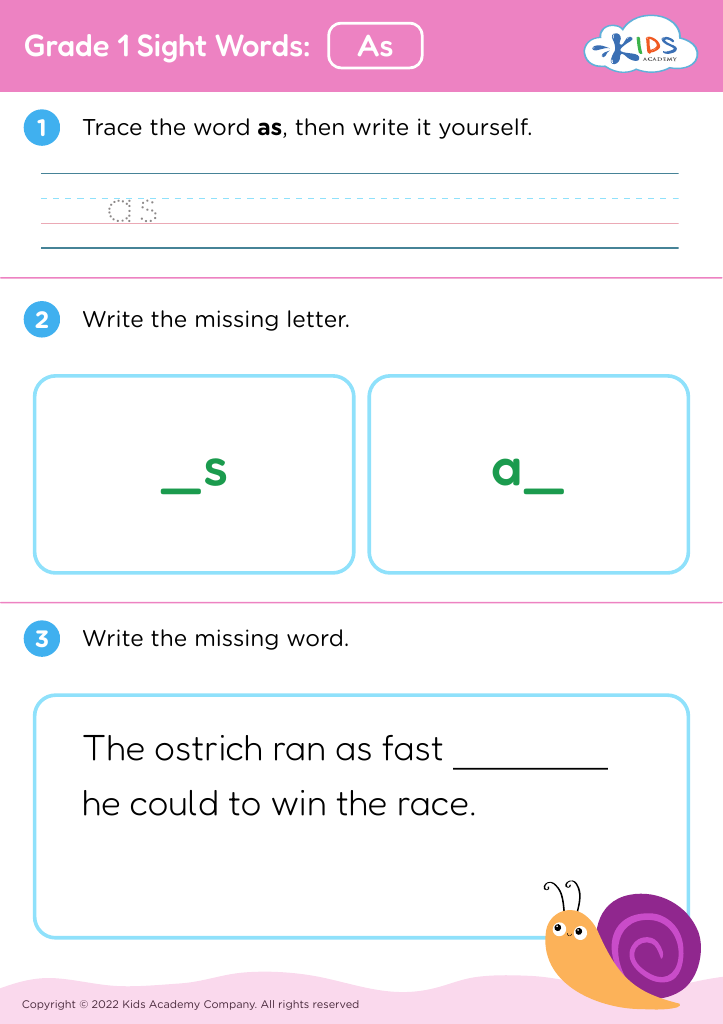
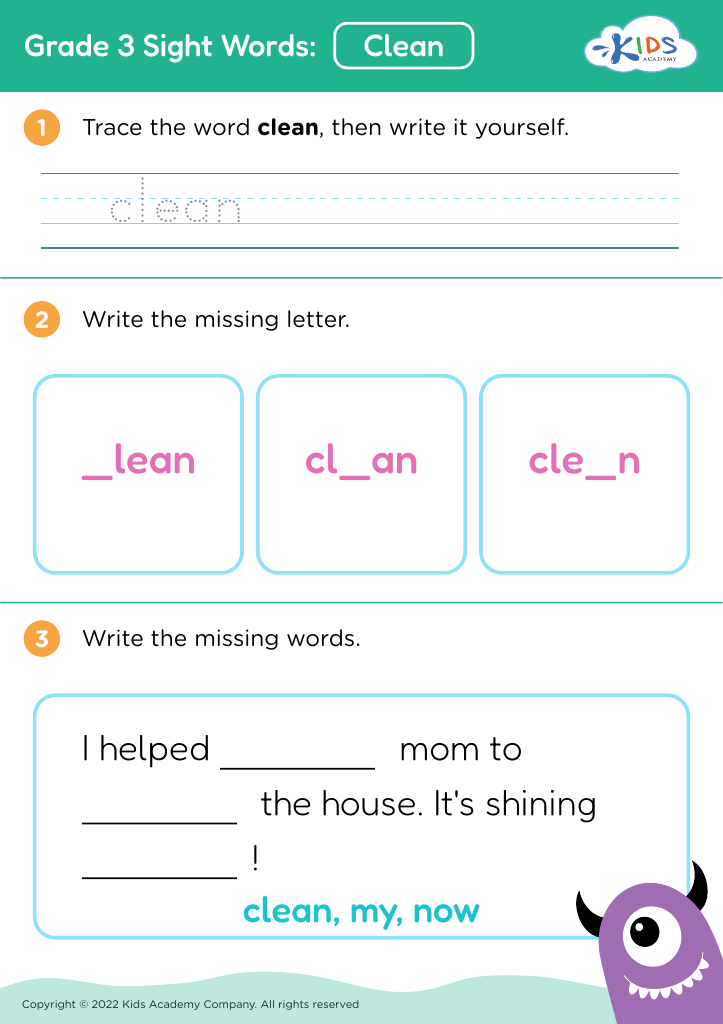
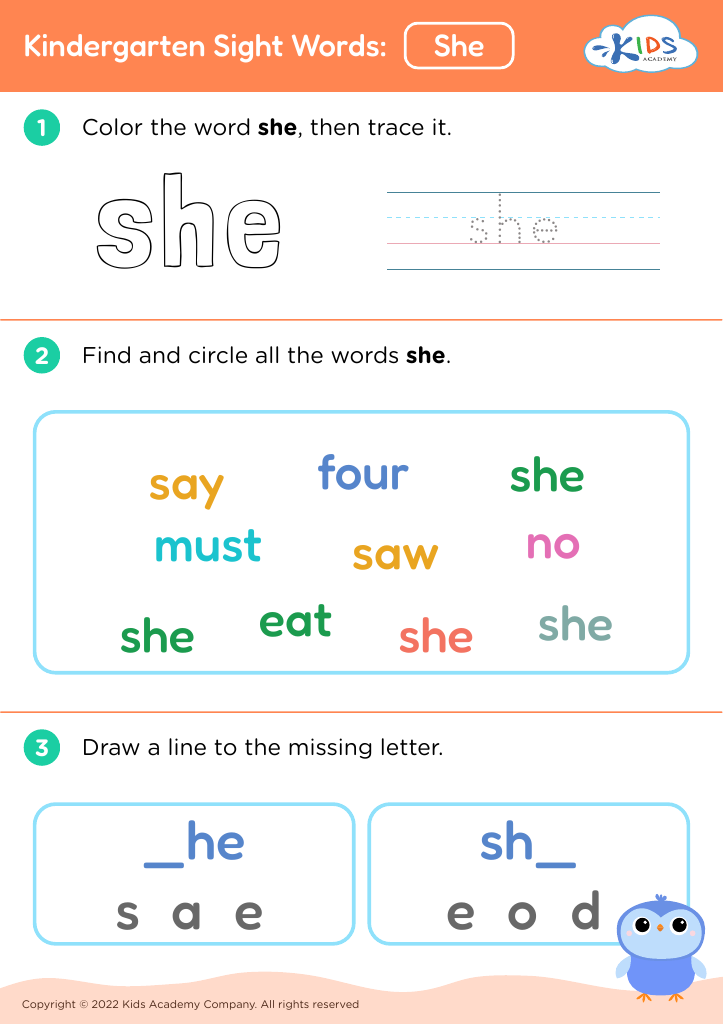






Understanding symmetry and sight words is crucial in early education, as both foster essential cognitive skills and lay the groundwork for future learning success.
Symmetry in nature and design helps children develop spatial awareness and improve their ability to recognize patterns. Recognizing symmetrical objects enhances visual perception, which is vital for subjects like mathematics, art, and science. It also promotes problem-solving abilities as children learn to identify and predict patterns. By engaging in symmetry-related activities, children strengthen their fine motor skills and enhance their hand-eye coordination.
Sight words, on the other hand, are high-frequency words that children need to recognize instantly. Mastery of sight words boosts reading fluency by allowing children to read more quickly without needing to decode every word. This fluency supports better comprehension, as their cognitive resources can be focused more on understanding the text rather than on decoding individual words. Learning sight words also builds confidence in young readers, contributing to a positive attitude towards reading and learning in general.
By integrating symmetry and sight word practice into early education, parents and teachers can support a balanced development of both visual-spatial and linguistic skills, ultimately fostering well-rounded, competent learners who are prepared for more advanced academic challenges.