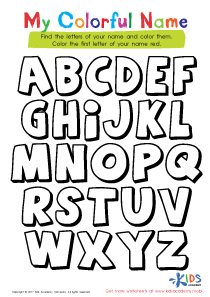
Letter formation Grade 2 ABC Letters Worksheets
4 filtered results
-
From - To
Enhance your child’s handwriting skills with our Letter Formation Grade 2 ABC Letters Worksheets. Designed for second graders, these worksheets focus on perfecting the formation of each letter of the alphabet. Children will enjoy practicing their ABCs while developing fine motor skills, ensuring neat and legible handwriting. Our engaging exercises make learning fun and effective, paving the way for academic success. Explore a variety of activities, from tracing letters to writing them independently. Suitable for classroom use or at-home practice, these worksheets are an excellent resource for teachers and parents aiming to support their student’s literacy journey.
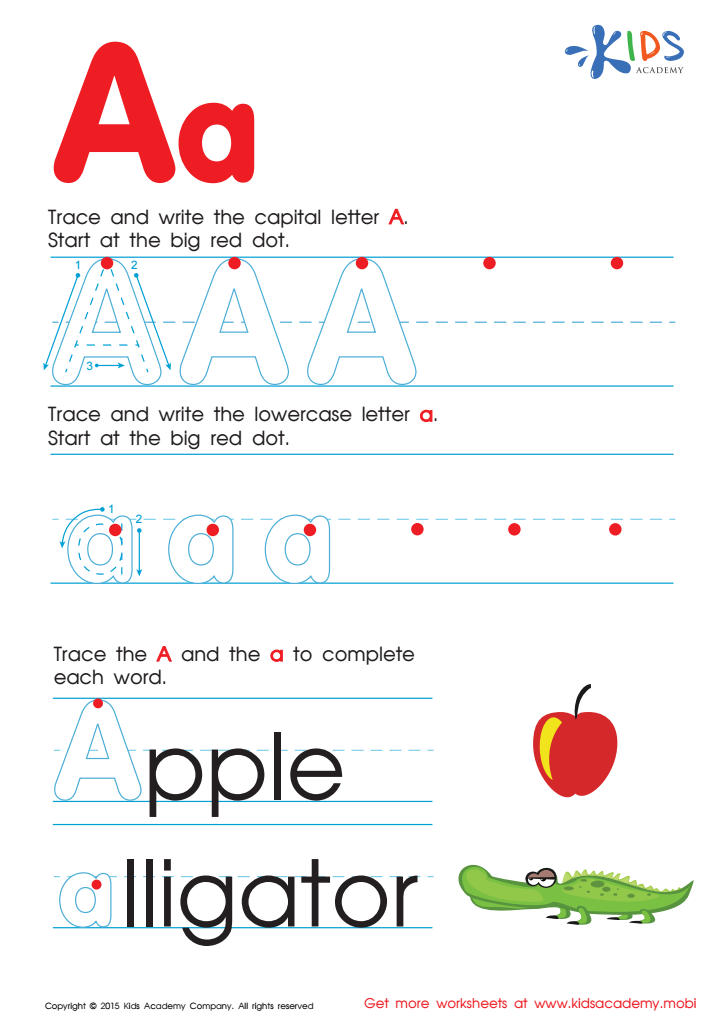
Letter A Tracing Page

Letter P Tracing Page
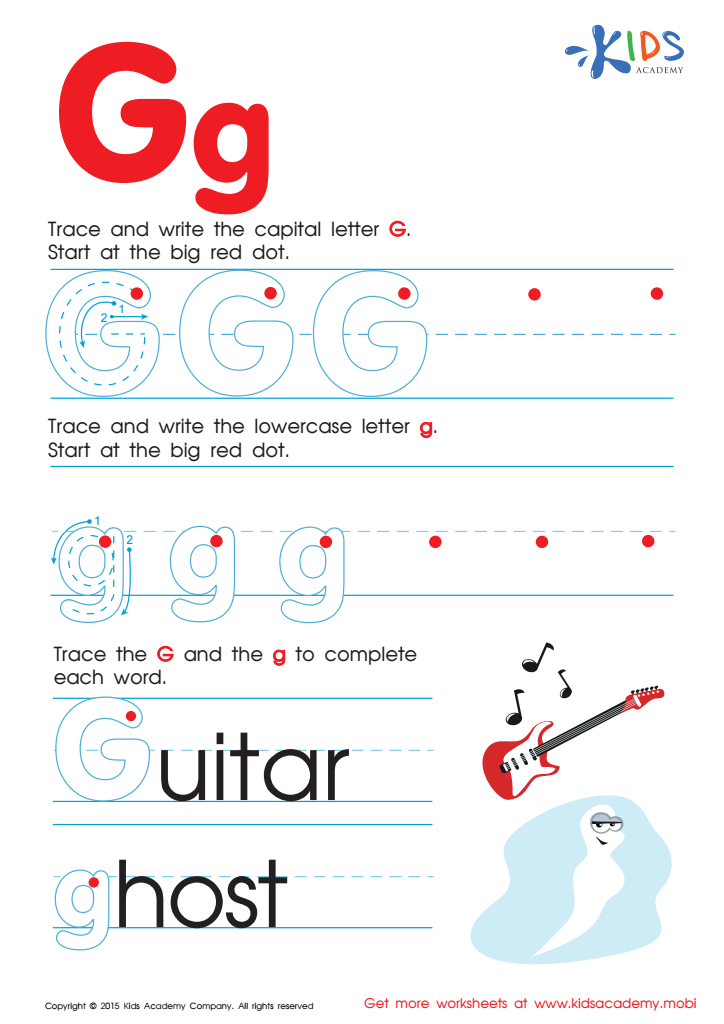
Letter G Tracing Page
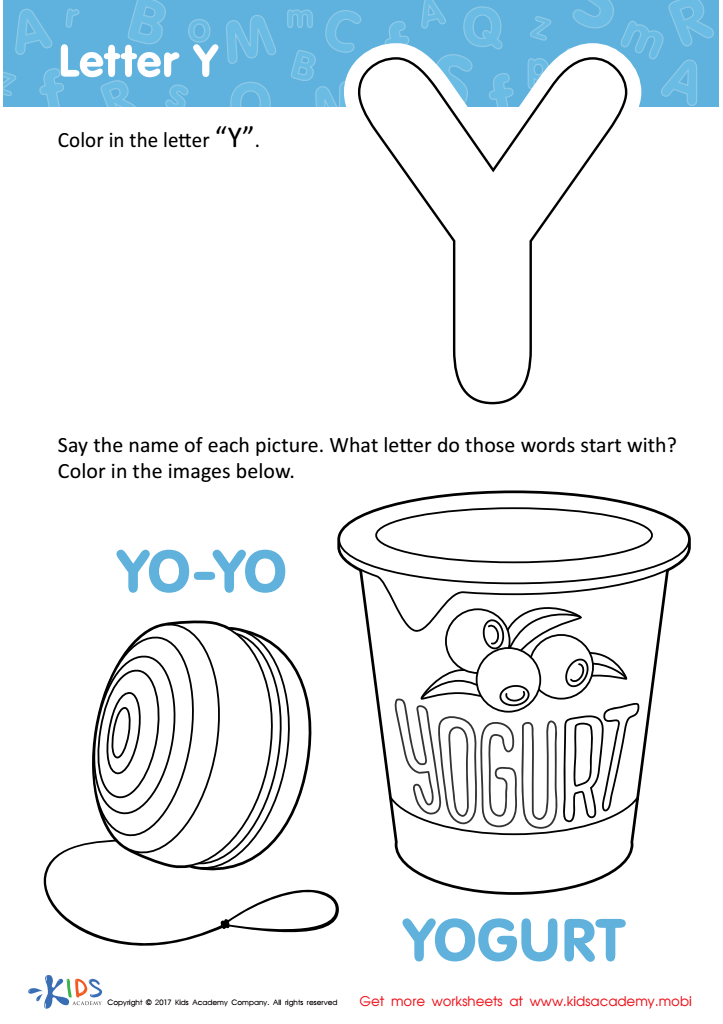
Letter Y Coloring Sheet
 Assign to My Students



Letter formation is a critical foundational skill in Grade 2 that significantly impacts a child's overall literacy development. First, proper letter formation aids in legibility. When children learn to write letters correctly, their writing becomes more readable, which is crucial for effective communication. Teachers and parents often assess written work; illegible handwriting could mask a child’s true academic abilities and hinder accurate evaluation.
Second, accurate letter formation promotes fluency in writing. When children consistently form letters the correct way, it builds muscle memory, reducing cognitive load. This means they can focus more on higher-order writing skills, like composition and content creation, rather than getting bogged down by struggling to form each letter.
Furthermore, good letter formation skills are linked to improved spelling and reading. Writing letters correctly aids in reinforcing the connection between sounds and letter symbols, facilitating better phonics understanding. Children who struggle with letter formation may also find it difficult to keep up with classwork, leading to academic frustration and diminished confidence.
Thus, by prioritizing proper letter formation, parents and teachers equip children with the essential building blocks of literacy, foster better academic performance, and encourage a positive attitude towards learning, which benefits the child’s educational journey long-term.