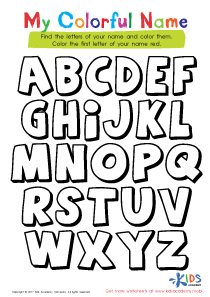
Letter recognition Grade 2 ABC Letters Worksheets - Page 2
26 filtered results
-
From - To

Letter D Tracing Page
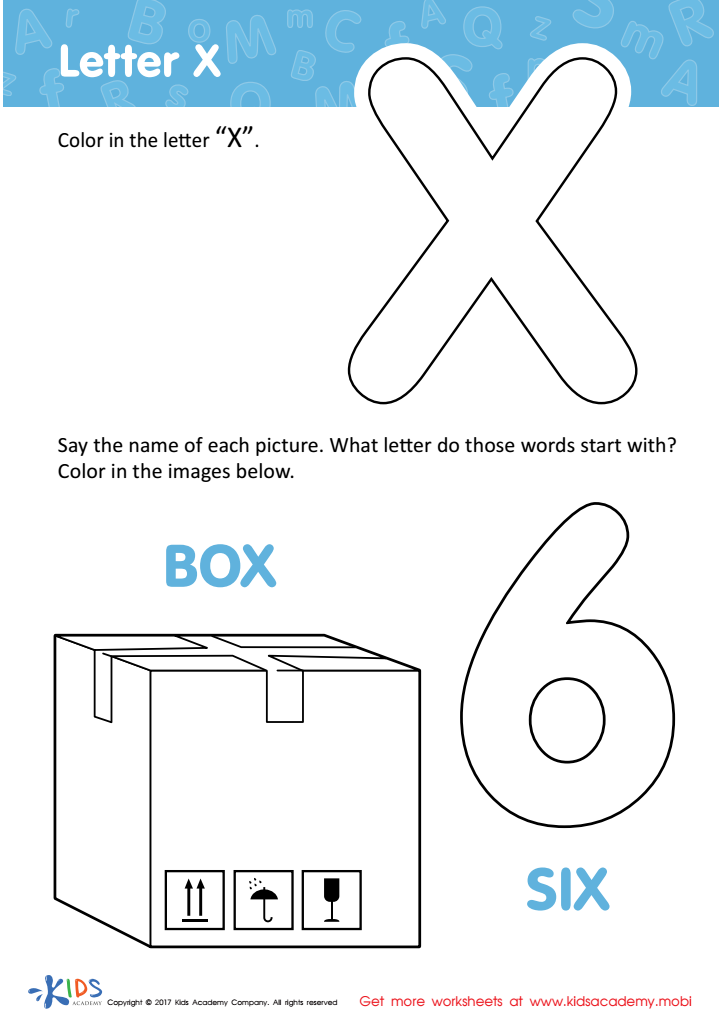
Letter X Coloring Sheet
 Assign to My Students



Letter recognition in Grade 2 serves as a crucial foundation for literacy development. At this stage, students should be solidifying their ability to identify and manipulate letters, which directly influences their reading and writing skills. Parents and teachers should care about this because strong letter recognition is linked to overall academic success. When children confidently recognize letters, they can better decode words, which enhances their reading fluency.
Additionally, this skill is essential for spelling development. As students begin to form words and understand phonetics, mastery of letter recognition allows them to connect sounds with corresponding letters. Furthermore, it fosters self-esteem; children who excel in recognizing letters are more likely to participate in reading activities, which can cultivate a lifelong love for books.
Moreover, consistent practice with letter recognition at home and school promotes cognitive growth and critical thinking. Engaging in activities like letter games, reading together, and writing can further reinforce these skills, creating a supportive learning environment. In summary, prioritizing letter recognition not only enhances immediate literacy skills but also lays the groundwork for future academic achievements, enriching children's overall educational experiences.