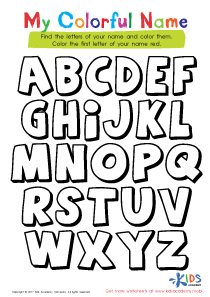
Writing practice Grade 2 Alphabet Coloring Pages Worksheets
6 filtered results
-
From - To
Our "Writing Practice Grade 2 Alphabet Coloring Pages Worksheets" offer engaging and educational resources designed to enhance letter recognition and writing skills for second graders. Each worksheet features beautifully illustrated alphabet coloring pages, encouraging creativity while reinforcing handwriting practice. Perfect for classroom or at-home learning, these printable worksheets help children master letter formation, develop fine motor skills, and expand their vocabulary. Teachers and parents alike will appreciate the blend of fun and educational content, making learning enjoyable and effective. Foster your child's love for writing and creativity with our expertly crafted alphabet coloring sheets!
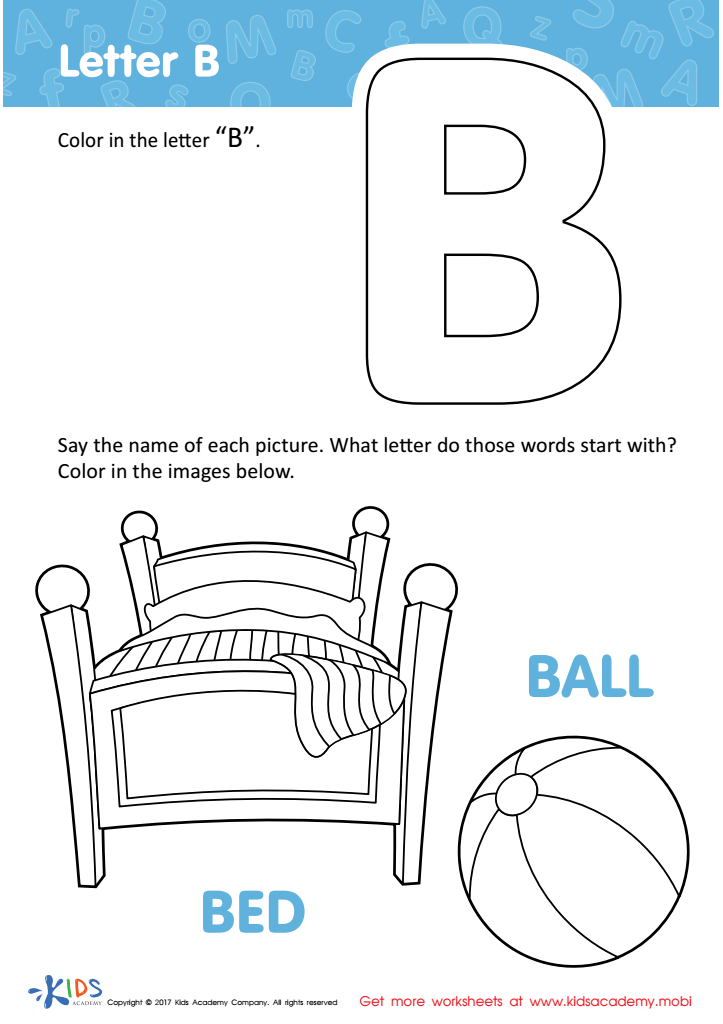
Letter B Coloring Sheet
 Assign to My Students
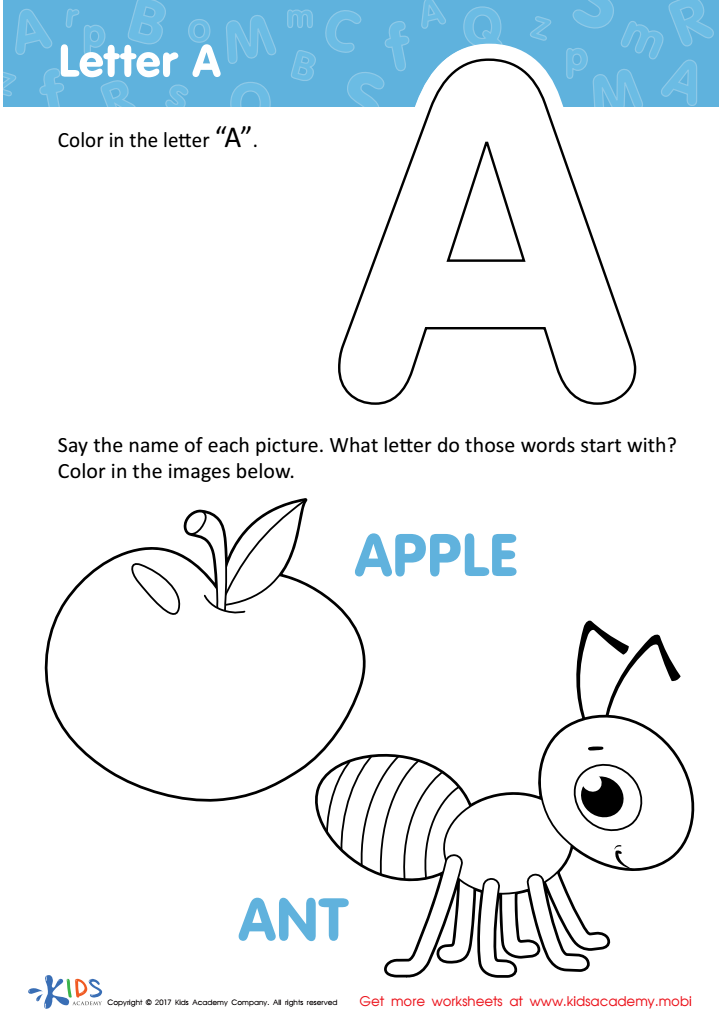
Letter A Coloring Sheet
Assign to My Students
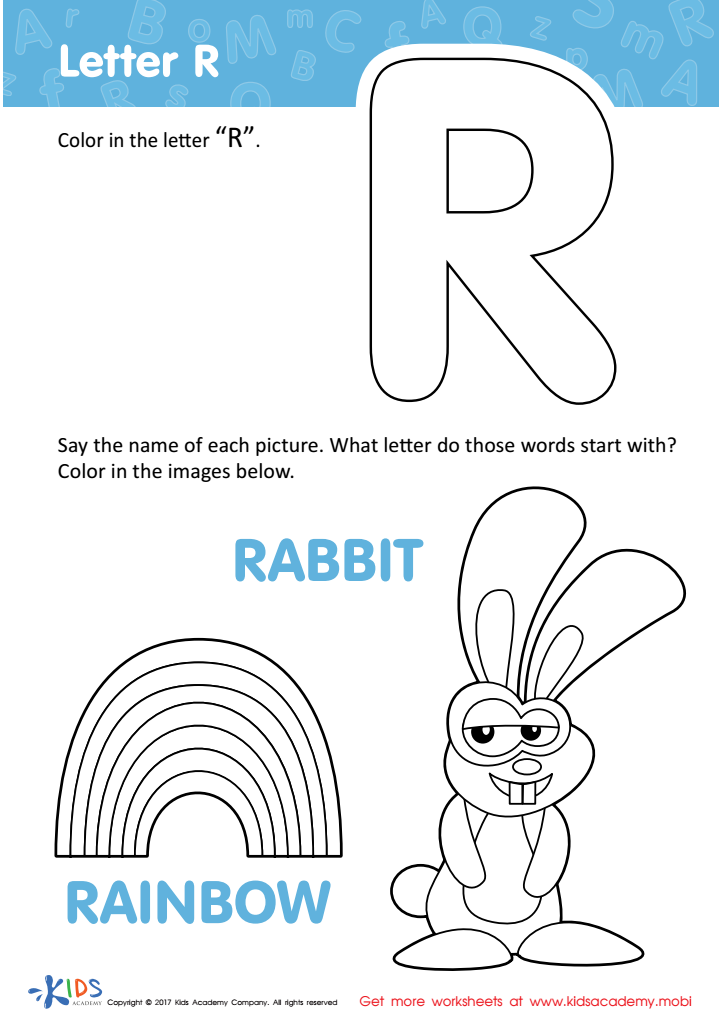
Letter R Coloring Sheet
Assign to My Students
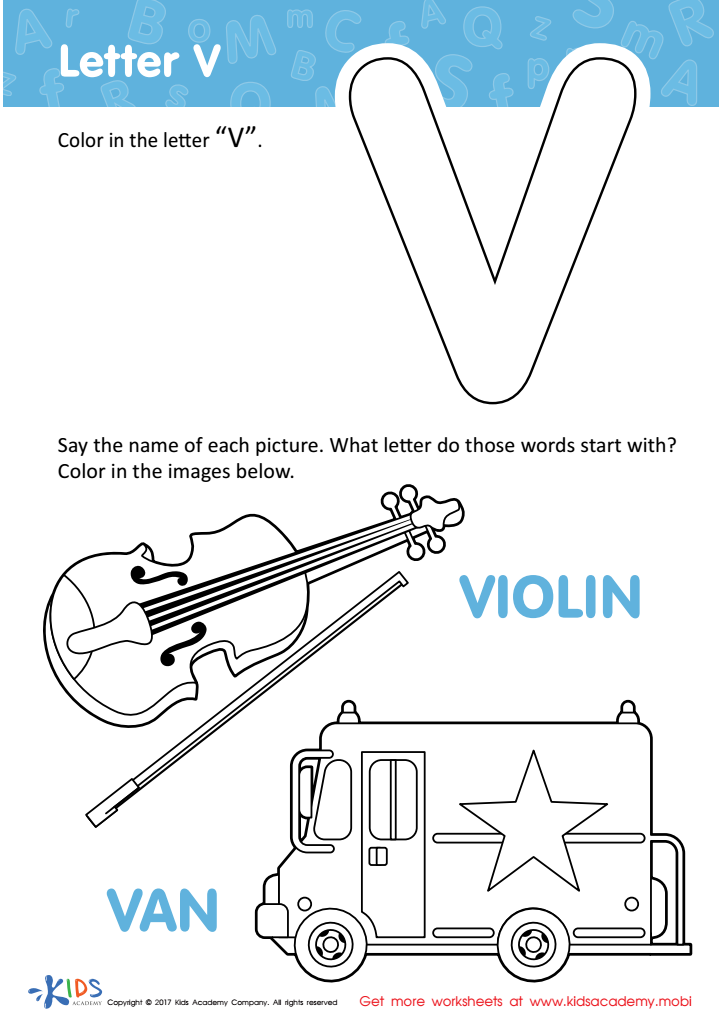
Letter V Coloring Sheet
Assign to My Students
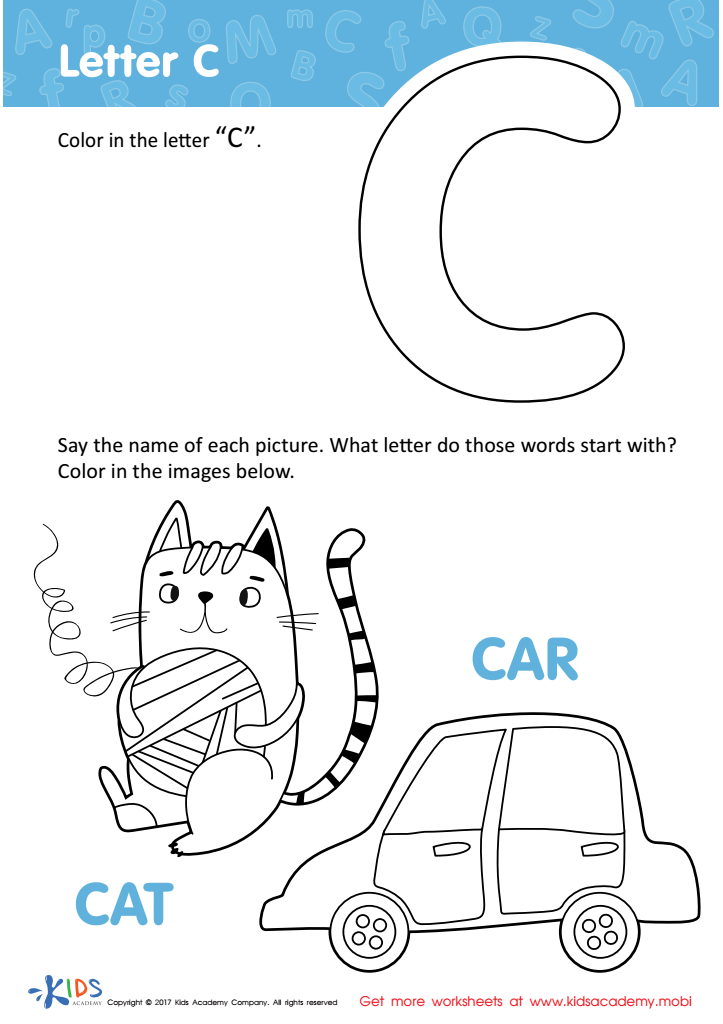
Letter C Coloring Sheet
Assign to My Students
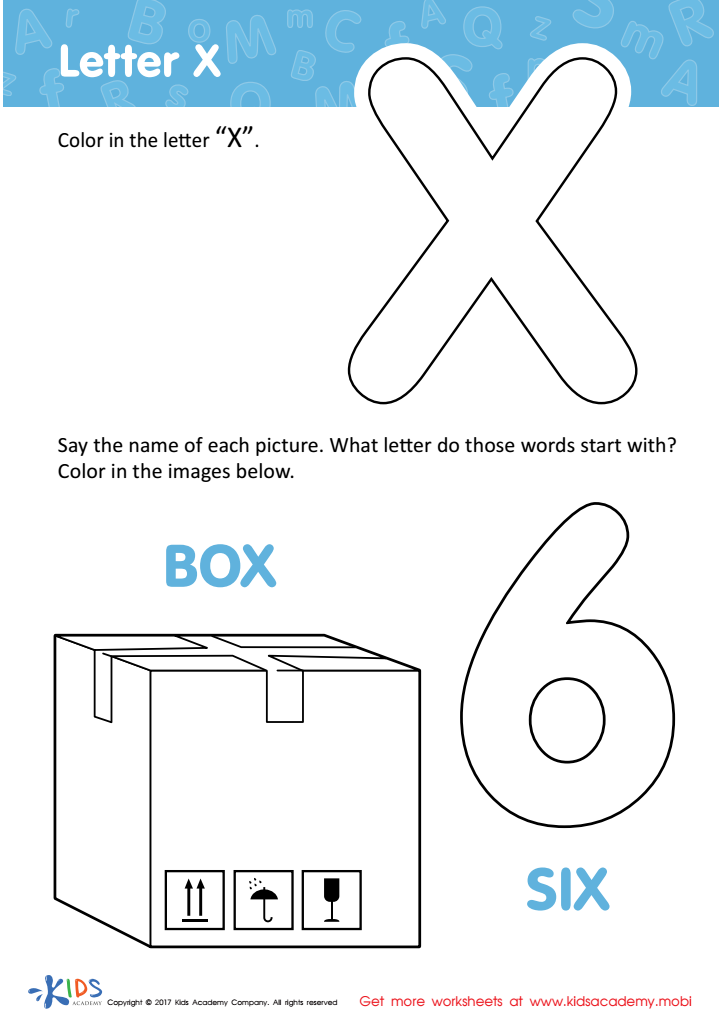
Letter X Coloring Sheet
Assign to My Students


Parents and teachers play a pivotal role in early childhood education, and incorporating practices like Grade 2 Alphabet Coloring Pages can significantly benefit young learners. These pages serve a dual purpose: reinforcing alphabet recognition and fostering fine motor skills through coloring. At the Grade 2 level, students are transitioning from recognizing letters to forming words and sentences. Alphabet coloring pages offer a fun and engaging way for them to solidify their understanding of letter shapes, sounds, and associations.
While coloring, children are improving their hand-eye coordination and dexterity, crucial for writing proficiency. The act of staying within lines encourages precision and control, skills directly transferable to handwriting. Furthermore, these activities can enhance focus and attention span as children spend time detailing each letter.
Alphabet coloring pages also provide an opportunity for parents and teachers to interact with the child, offering positive reinforcement and guidance. Through this interactive process, children can receive immediate feedback, fostering a supportive learning environment.
In summary, Grade 2 Alphabet Coloring Pages are more than just a fun activity. They are a valuable educational tool that promotes literacy development, fine motor skills, and cognitive focus, making them an essential component in early education curricula for both parents and teachers.