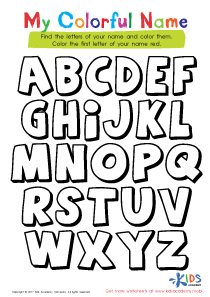
Alphabet Learning Grade 2 Alphabet Worksheets
3 filtered results
-
From - To
Discover our engaging "Alphabet Learning Grade 2 Alphabet Worksheets" designed to enhance your child's letter recognition and phonics skills. Perfect for second graders, these worksheets offer a variety of interactive activities such as letter tracing, matching exercises, and word-building tasks. Each worksheet caters to varied learning styles, making it easy for kids to explore the alphabet in a fun and supportive way. Our resources not only foster literacy development but also promote critical thinking and creativity. Ideal for both classroom and at-home learning, these worksheets are a fantastic tool to encourage confidence in reading and writing. Start the adventure with letters today!
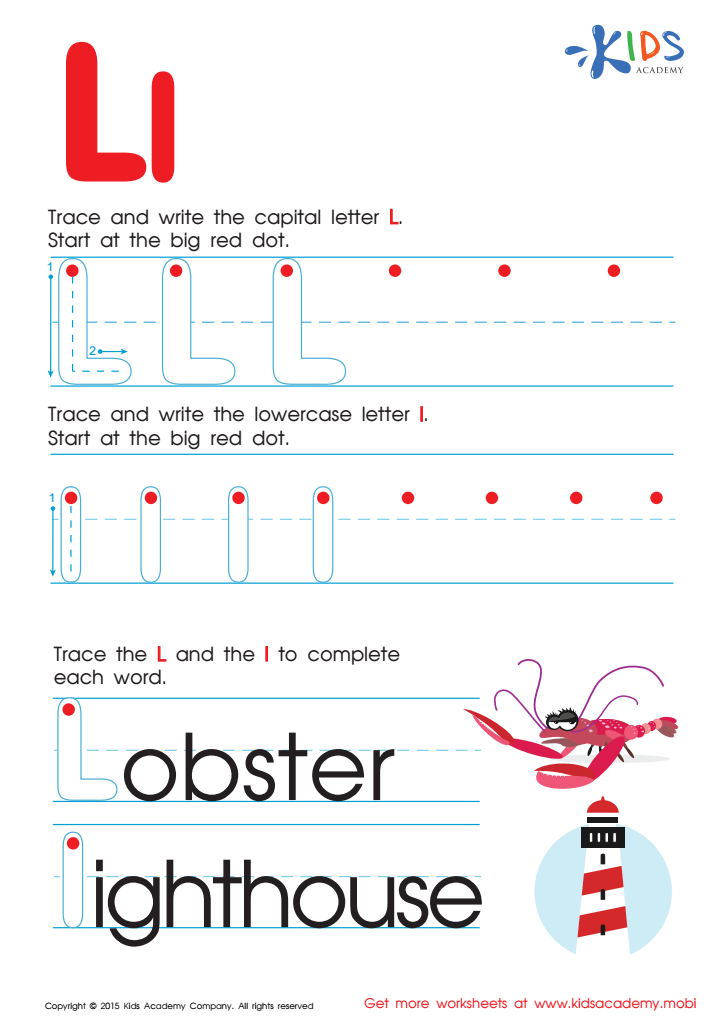
Letter L Tracing Page
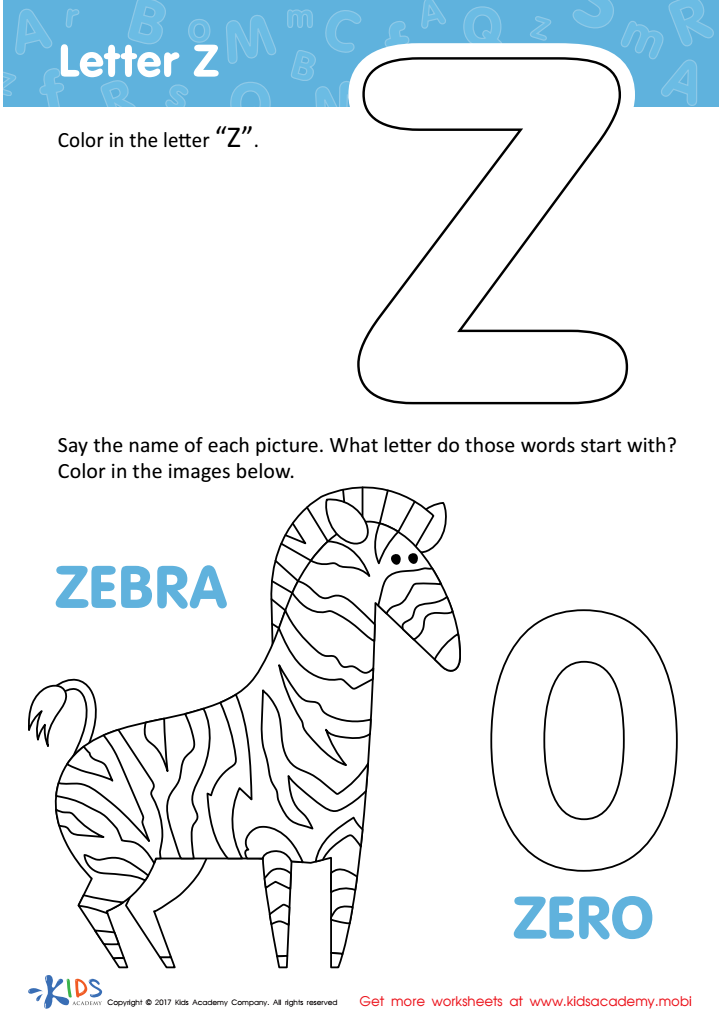
Letter Z Coloring Sheet
 Assign to My Students

Letter F Tracing Page








Alphabet learning is foundational for children, particularly in Grade 2, as it sets the stage for reading, writing, and overall literacy development. At this stage, children are transitioning from learning individual letters to understanding how those letters form words and sentences. This foundational knowledge is vital for their academic success, enabling them to comprehend and engage with the curriculum effectively.
Parents and teachers should care because strong alphabetic skills promote confidence in young learners. Children who grasp these concepts early are more likely to become proficient readers, connecting sounds with letters, which aids in developing spelling and vocabulary. Furthermore, understanding the alphabet enhances cognitive skills, such as memory and critical thinking, creating a solid basis for more complex subjects.
Additionally, fostering a love for reading at this age leads to lifelong learning habits. Engaging with children in alphabet-related activities, such as reading together or playing phonics games, reinforces these skills while strengthening the parent-child or teacher-student relationship. Ultimately, being proactive about alphabet learning not only supports children's academic growth but also cultivates their curiosity and enthusiasm for literacy and lifelong learning. Therefore, parents and teachers play a crucial role in establishing these essential skills during this pivotal stage.