Filters

7 filtered results

Clear all filters
Favorites
With answer key
Interactive

7 filtered results

Difficulty Level

Grade


Discover "Vocabulary Building Grade 2 Alphabet Worksheets" designed to enhance your child's language skills. Our worksheets are tailored for second graders, providing engaging activities that foster vocabulary development, understanding of word meanings, and alphabetical order awareness. These printable sheets incorporate fun and educational exercises, helping students from simple word matching to more complex vocabulary tasks. Ideal for classroom or home use, Kids Academy ensures each worksheet supports early literacy skills, nurturing a love for learning and communication. Unlock your child's potential and make vocabulary building an enjoyable part of their educational journey.

Check out this FREE Grade 2 Trial Lesson on Alphabet!

Long O Vowel Diagraphs (oa ow)

Favorites
With answer key
Interactive
  • Grade 2
  • Vocabulary Building
  • Alphabet
Letter U Tracing Worksheet Preview

Letter U Tracing Worksheet

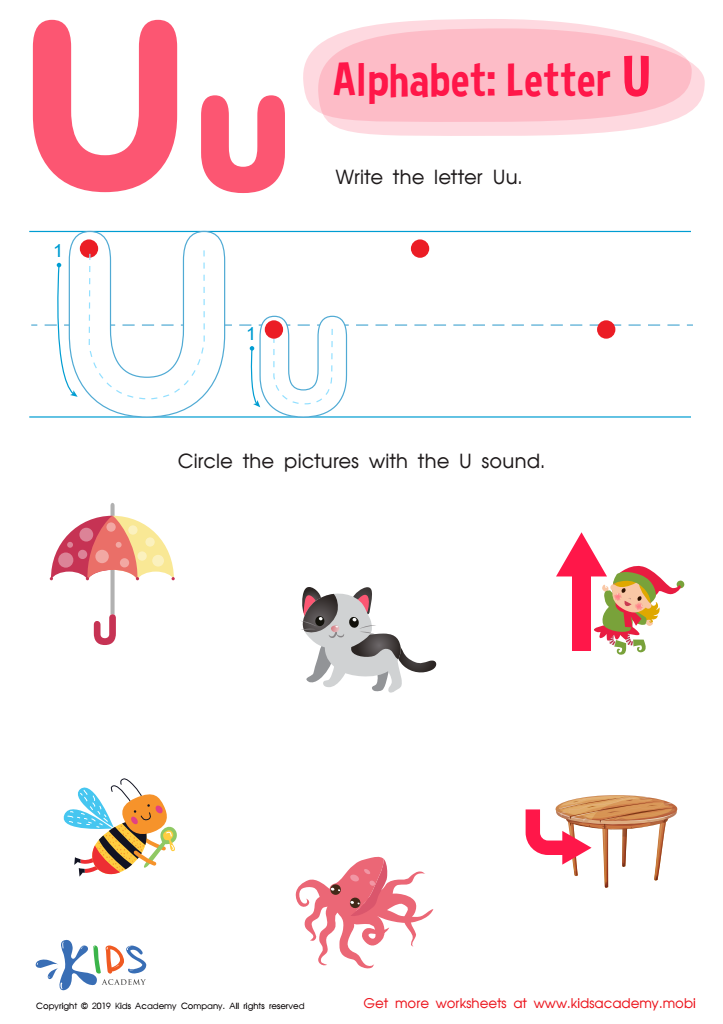
Your students can have fun and learn about the alphabet with this letter «U» worksheet. Pre-schoolers will trace the letter «U», circle words with the letter sound, and learn phonics while boosting their confidence. Doing these tasks will help them understand the letter more.
Letter U Tracing Worksheet
Worksheet
Reading: Long O Digraphs Worksheet

Reading: Long O Digraphs Worksheet

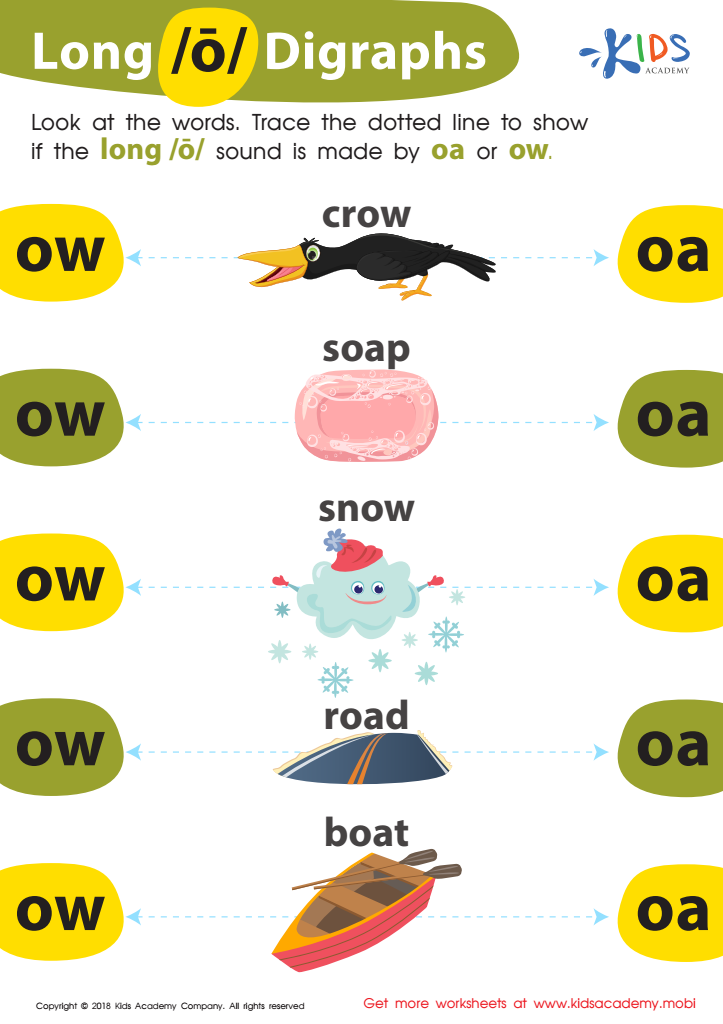
Reading and decoding words can be complex for learners when they start studying digraphs, two letters that make one sound. This worksheet focuses on the long O sound, /oa/ and /ow/. With the understanding of digraphs, students can decode more words and build their reading confidence.
Reading: Long O Digraphs Worksheet
Worksheet
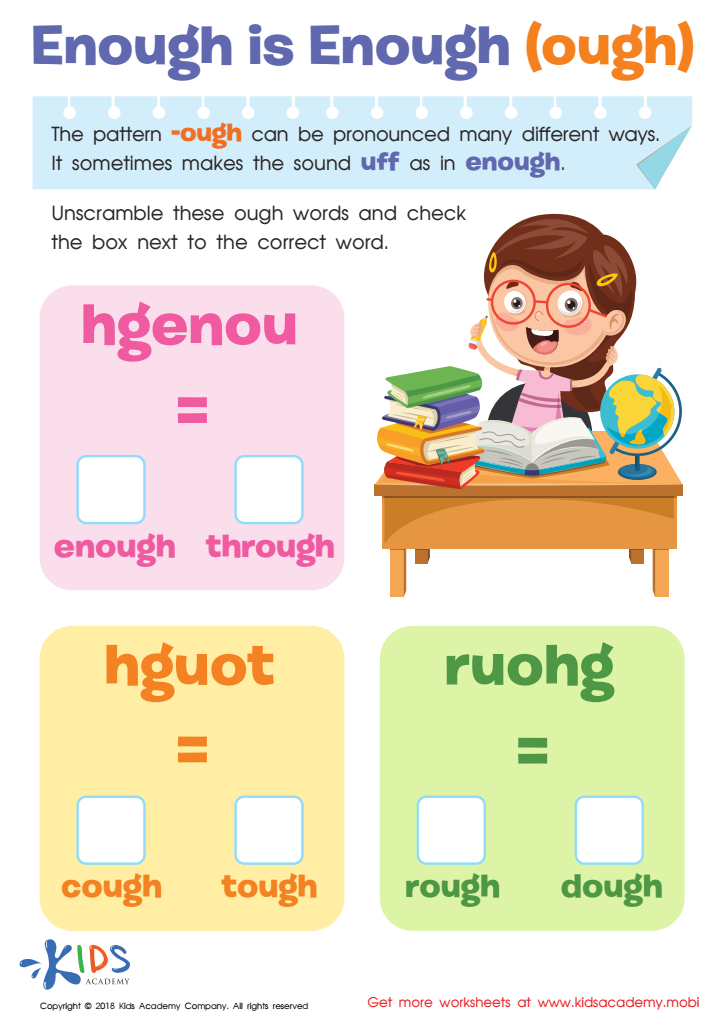
Enough Is Enough (ough) Worksheet

Enough Is Enough (ough) Worksheet

As your students learn more about reading and pronouncing words, they can explore how some word patterns can be said differently. The 'ough' pattern, for instance, can be pronounced several ways. 'Enough' has the 'uff' sound. Provide your students with examples of words pronounced similarly and help them unscramble 'ough' words on this worksheet, ticking the box for the correct word.
Enough Is Enough (ough) Worksheet
Worksheet
Reading: Find the Prefixes Worksheet

Reading: Find the Prefixes Worksheet

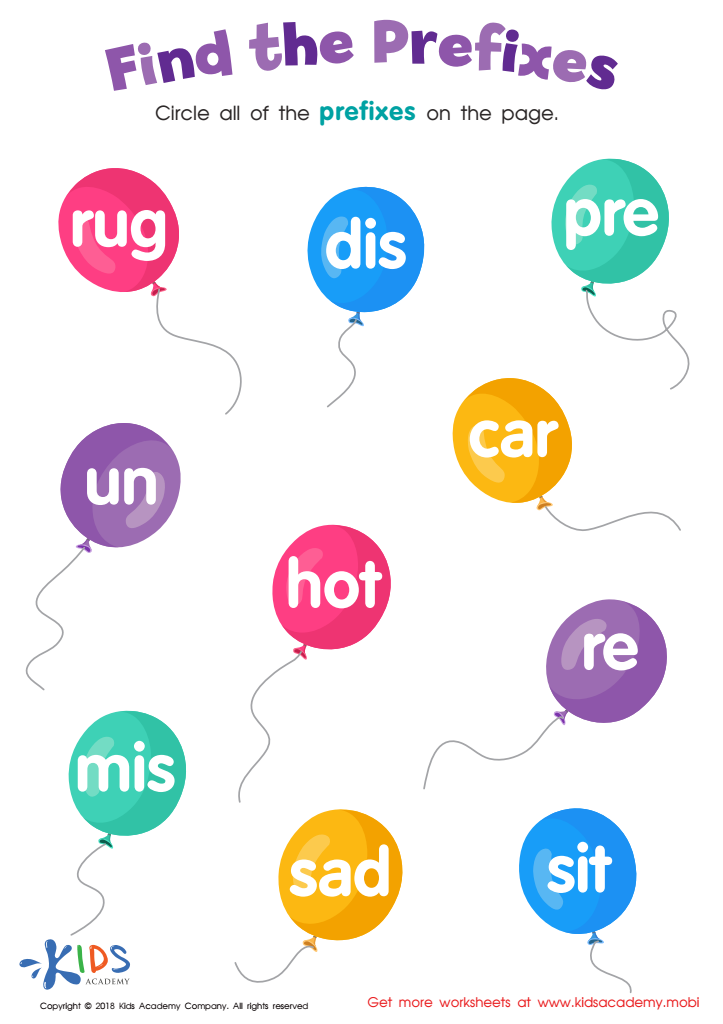
Students are asked to circle all prefixes on this worksheet and brainstorm a list of words that have them. It's a great tool for teaching vocabulary and helps students understand new and unfamiliar words by recognizing how prefixes change meaning.
Reading: Find the Prefixes Worksheet
Worksheet
Reading: Prefix Search Worksheet

Reading: Prefix Search Worksheet

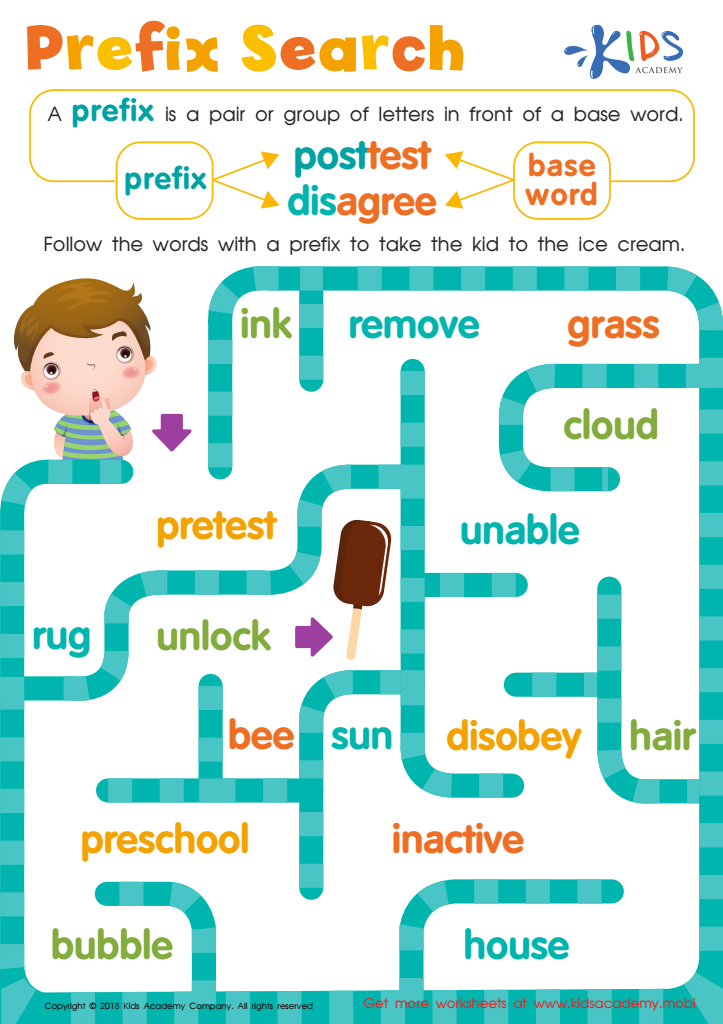
Maze your way through prefixes! This worksheet helps students practice reading new words with a prefix and figuring out the base word. An understanding of prefixes gives students the skills to comprehend new words. A fun and useful activity for the reading classroom!
Reading: Prefix Search Worksheet
Worksheet
Letter G Coloring Page

Letter G Coloring Sheet

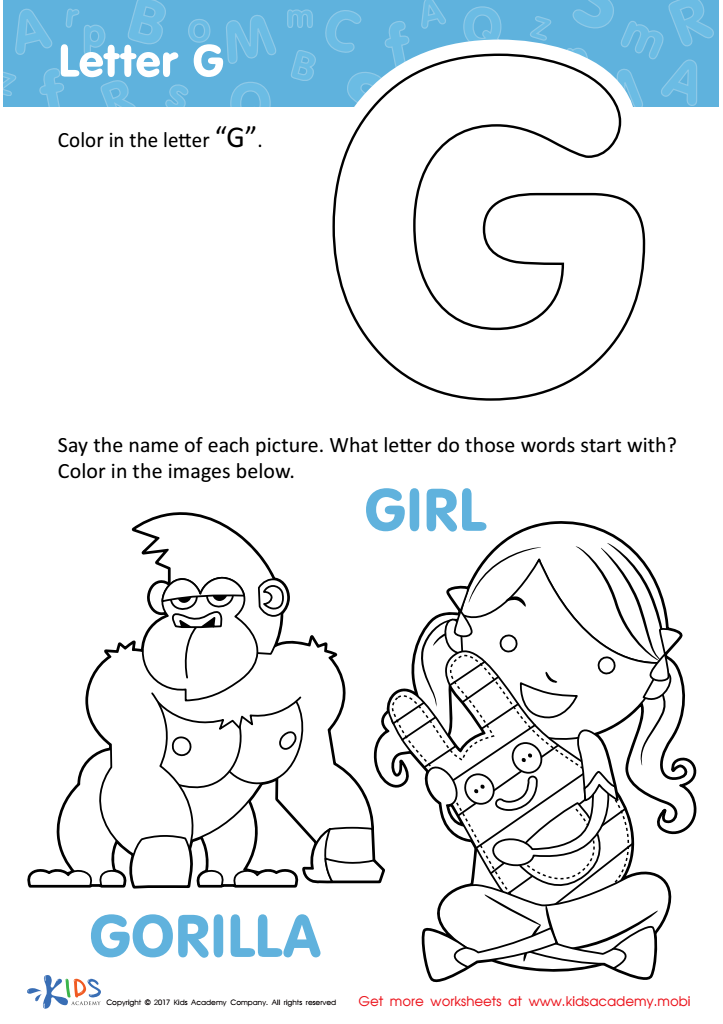
This "G" coloring page encourages creativity and teaches kids the letter "G" sound. With its fun visuals and familiar words, it's sure to excite your child. Plus, you can talk about the letter’s sound with the pictures given.
Download (PDF)
Assign to My Students
Letter G Coloring Sheet
Worksheet
And Worksheet Sight Words Worksheet

And Worksheet Sight Words Worksheet

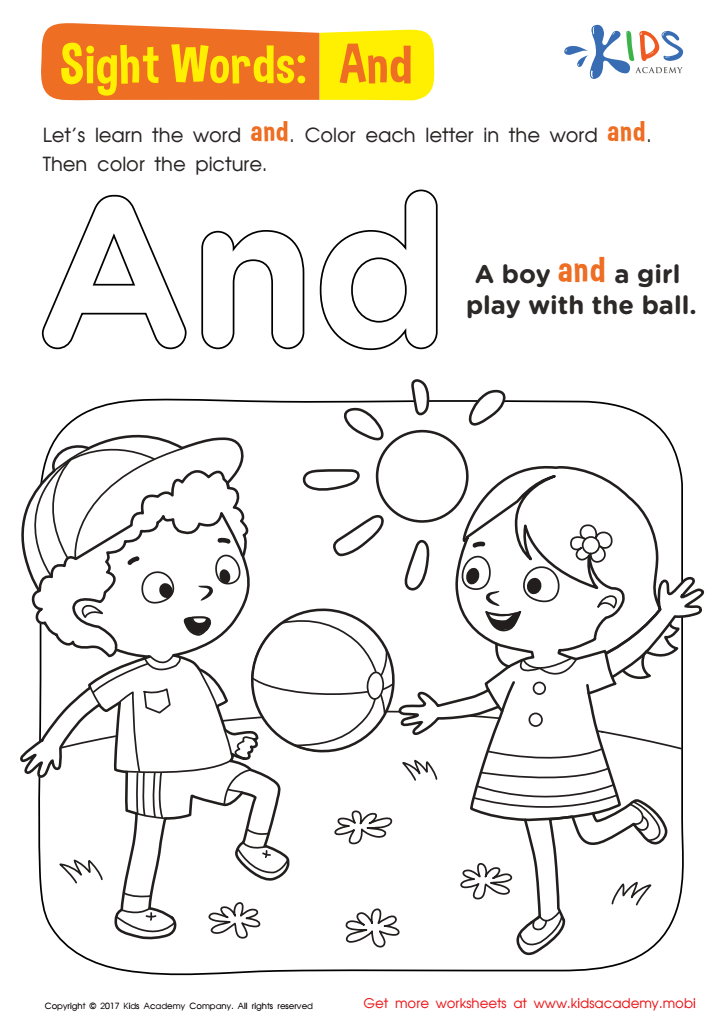
Help your child get a jumpstart on reading with sight words! Print out this fun worksheet and get your child to read the sentence. Point out the word "and", then color the word and enjoy the rest of the scene! It's a great way to introduce sight words and get their early reading skills going!
Download (PDF)
Assign to My Students
And Worksheet Sight Words Worksheet
Worksheet


Vocabulary building in second grade is crucial for children's overall development because it lays the foundation for their future linguistic and academic success. By mastering a wide array of words, children become more expressive and adept at articulating their thoughts and emotions. Parents and teachers should care about vocabulary building because it directly influences reading comprehension. When children understand more words, they can comprehend stories and texts better, making reading a more enjoyable and fruitful experience.

At this stage, children’s brains are highly receptive to learning new words, and strengthening their vocabulary can significantly boost their confidence. A robust vocabulary helps children excel in other subjects too, since a clear understanding of the language makes grasping new concepts easier.

Integrating alphabet activities specifically is an effective strategy in vocabulary building. For example, introducing words beginning with each letter of the alphabet not only familiarizes children with different sounds and structures of words but also ensures a broad coverage of new terms. This alphabet-centric approach makes learning more organized and less overwhelming for young learners.

By engaging in regular vocabulary activities at home and school, parents and teachers can ensure that children develop a love for words and reading—skills that are essential for lifelong learning and communication.