Writing practice Grade 2 Letter Recognition Worksheets
10 filtered results
-
From - To
Our "Writing Practice Grade 2 Letter Recognition Worksheets" are designed to seamlessly blend skill-building with fun. Tailored for young learners, these worksheets enhance letter-recognition and handwriting proficiency. Each sheet offers engaging activities that boost students' confidence as they practice forming letters correctly. The diverse exercises ensure children develop a solid foundation in writing, essential for their ongoing literacy journey. Perfect for classroom use or additional home practice, these worksheets make learning enjoyable. Explore our collection to give your second graders the tools they need to master letter recognition and handwriting through interactive, effective practice.
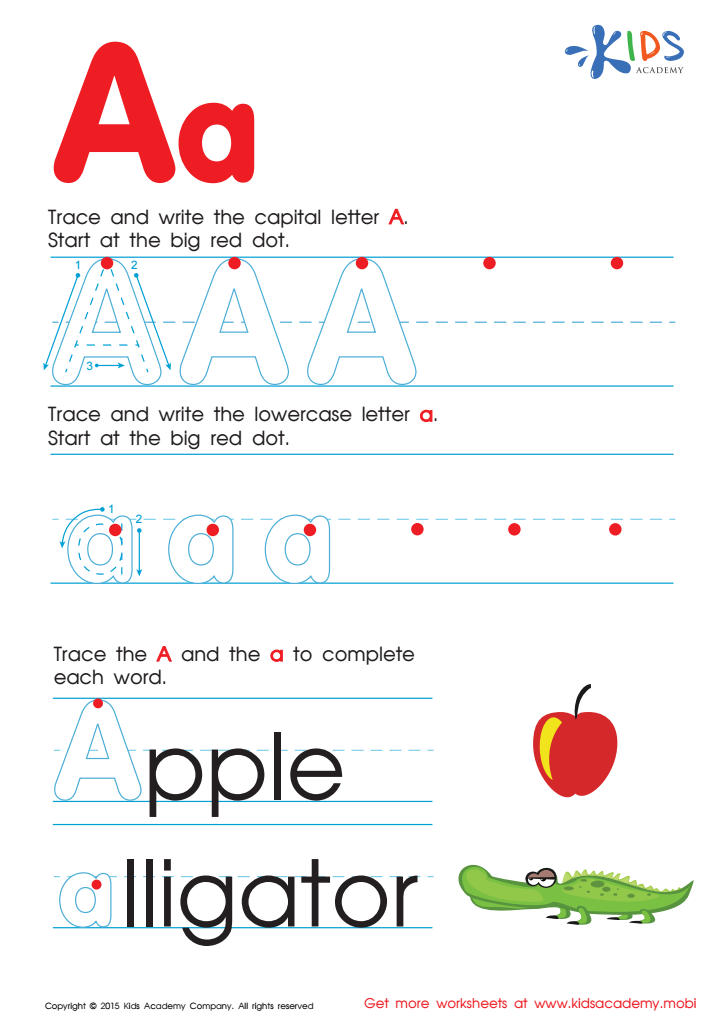
Letter A Tracing Page
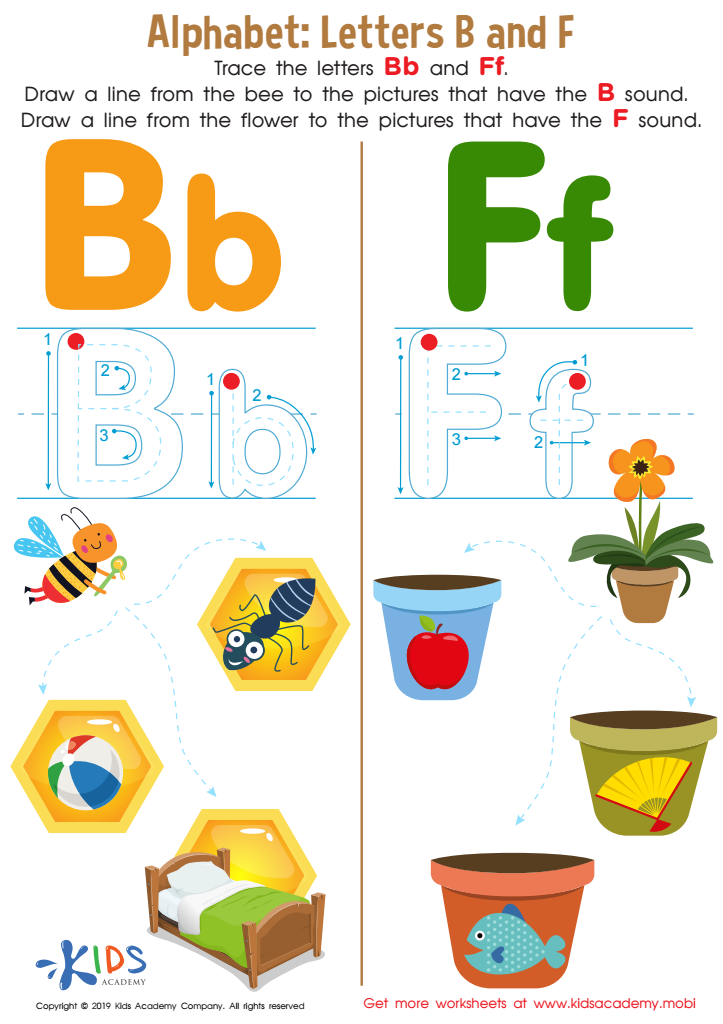
Letters B and F Tracing Worksheet
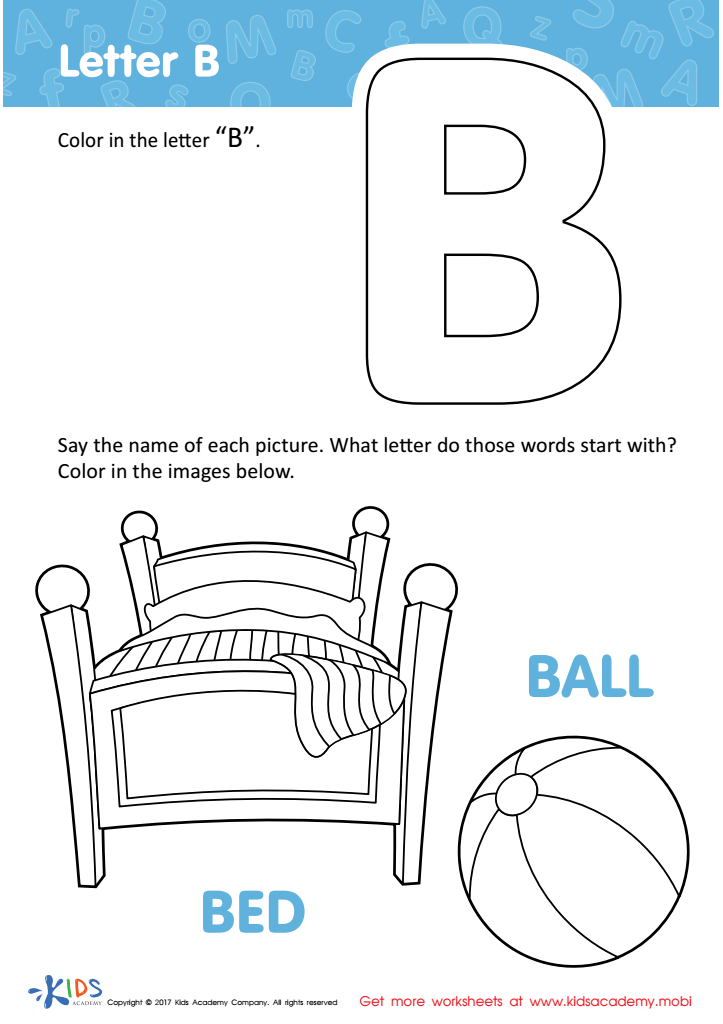
Letter B Coloring Sheet
 Assign to My Students
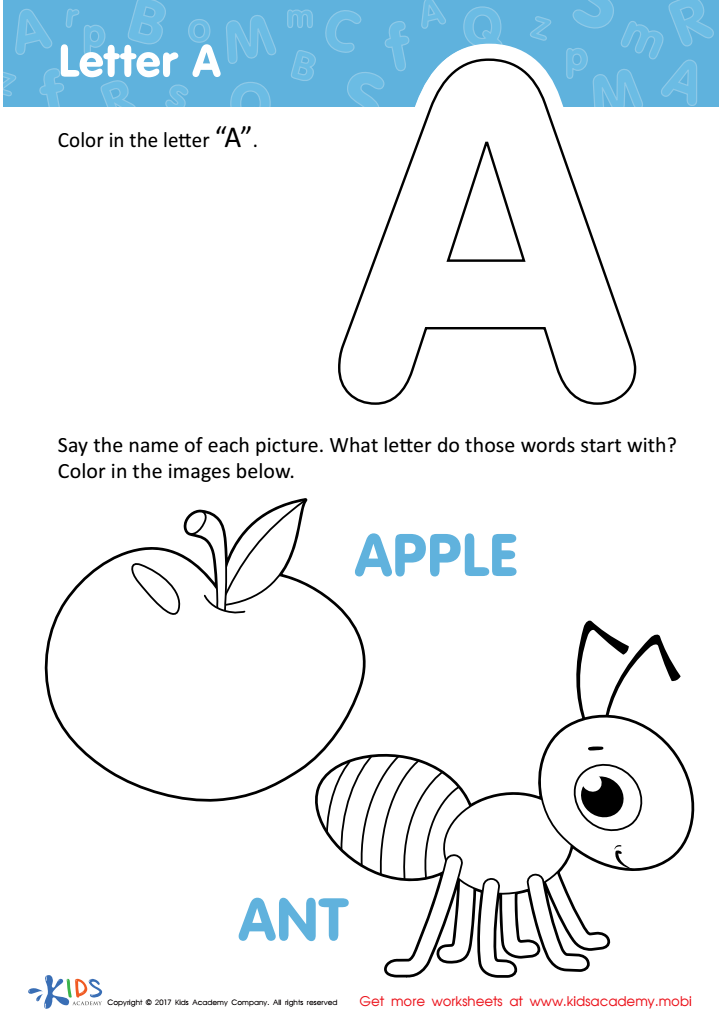
Letter A Coloring Sheet
Assign to My Students
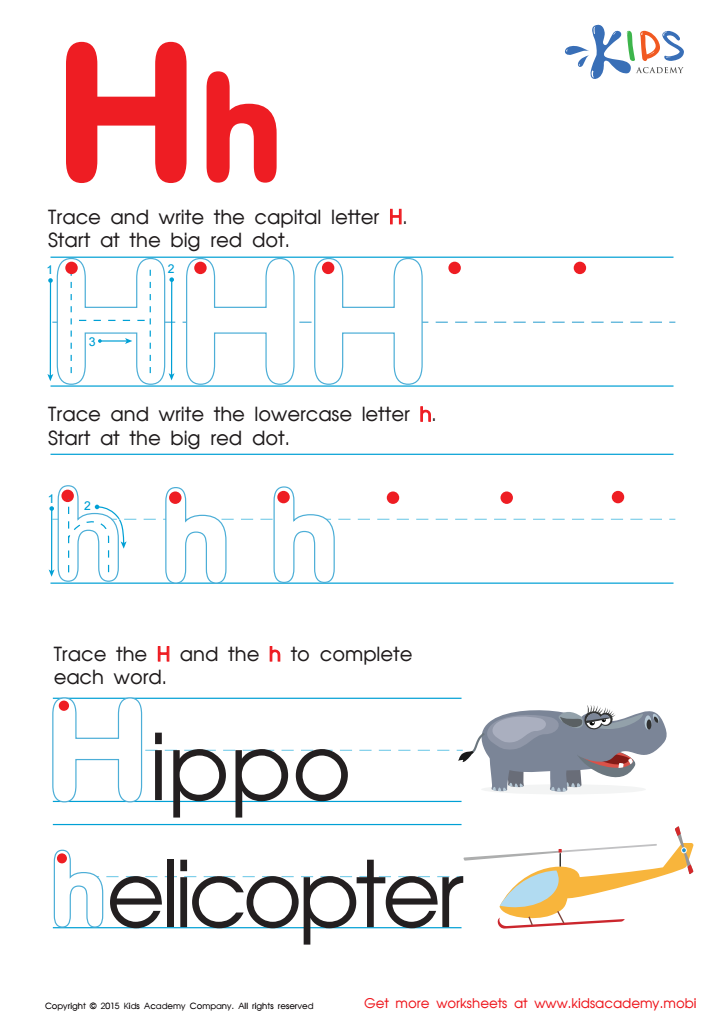
Letter H Tracing Page
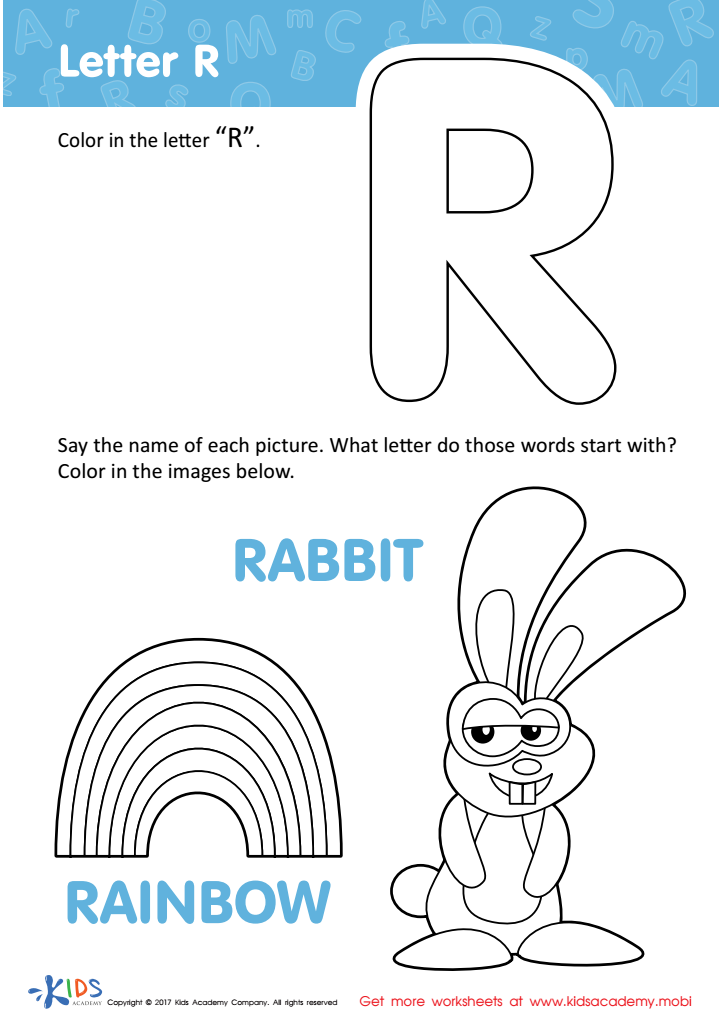
Letter R Coloring Sheet
Assign to My Students
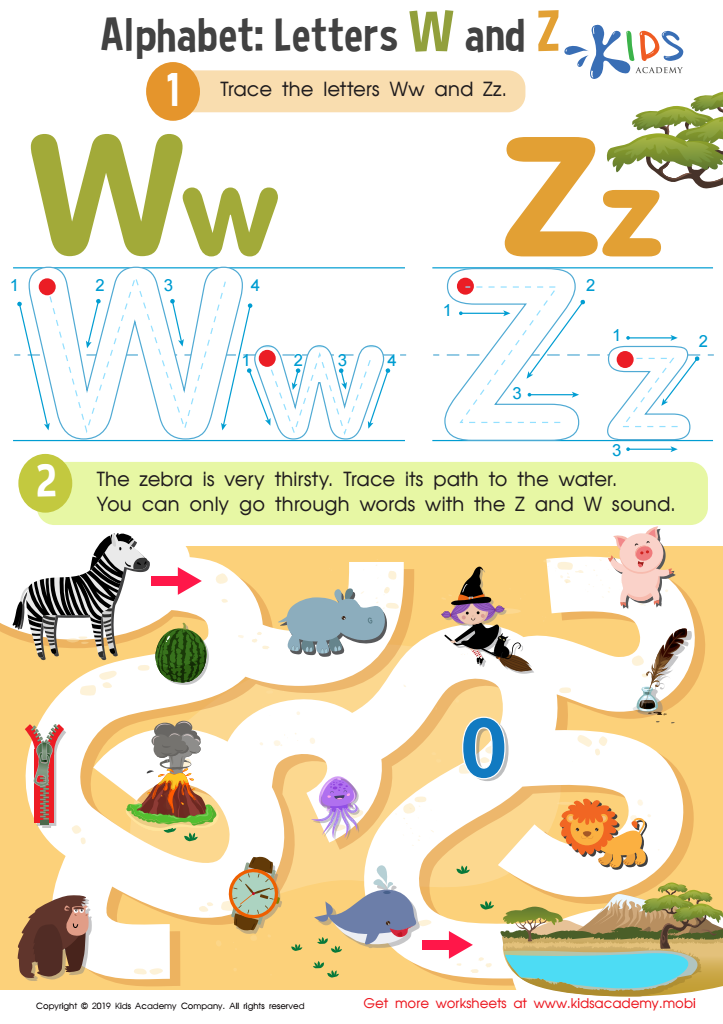
Letters W and Z Tracing Worksheet
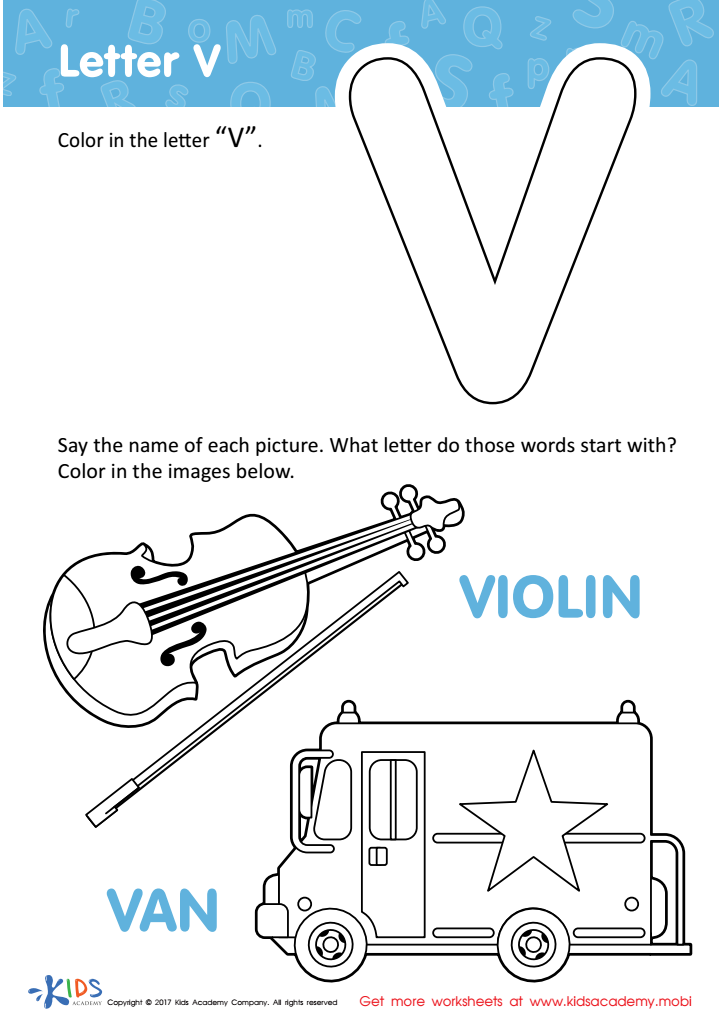
Letter V Coloring Sheet
Assign to My Students
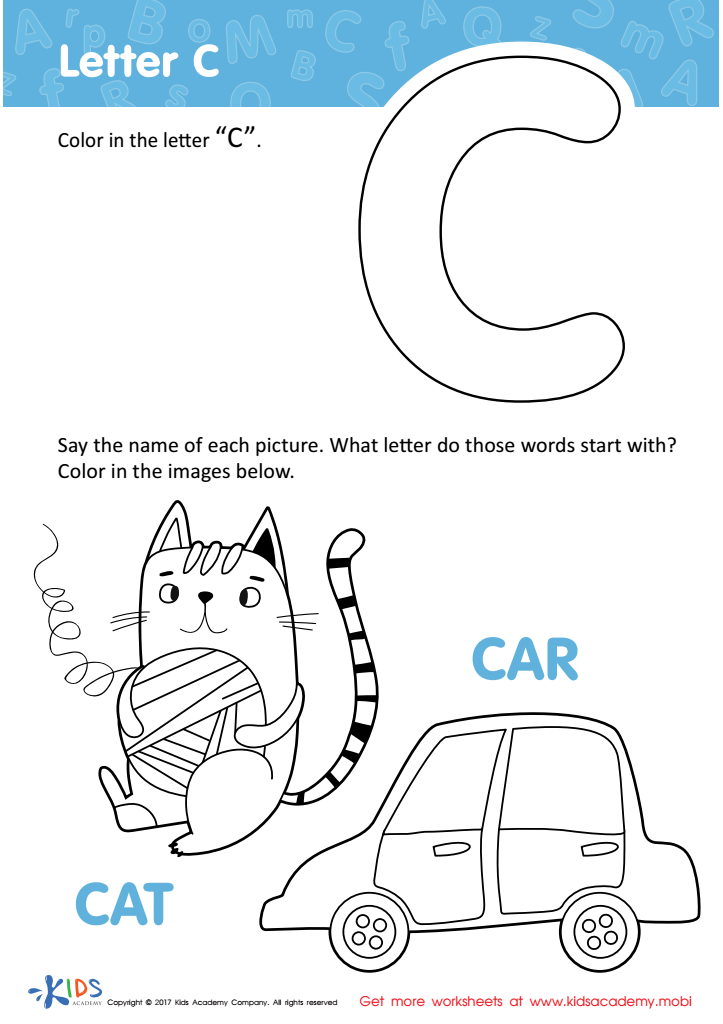
Letter C Coloring Sheet
Assign to My Students
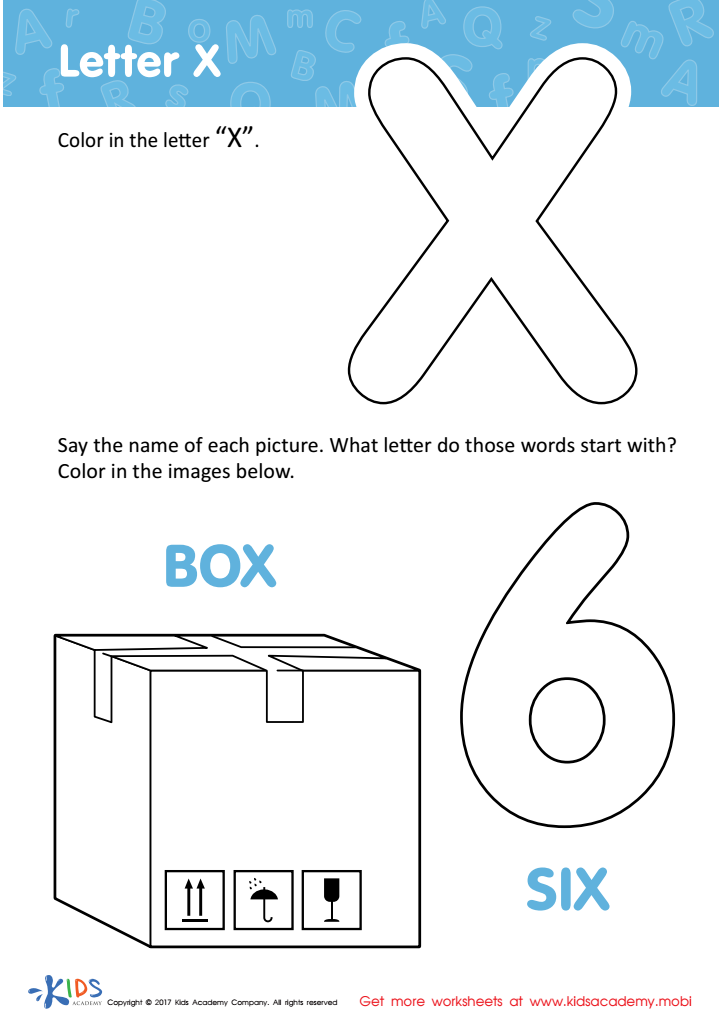
Letter X Coloring Sheet
Assign to My Students




Writing practice and letter recognition in second grade are crucial components for young learners, as they serve as foundational skills in literacy development. For parents and teachers, understanding the importance of these skills means ensuring a child's educational and cognitive growth. At this stage, students transition from recognizing and writing single letters to forming coherent words and simple sentences. This practice strengthens their fine motor skills and hand-eye coordination, essential for writing fluently.
Moreover, mastering letter recognition significantly impacts a child's ability to decode words during reading. This proficiency is not merely about knowing the letters but also understanding their sounds, which supports phonemic awareness. Phonemic awareness is a direct predictor of reading success, impacting a child's ability to understand and engage with texts.
Furthermore, writing practice encourages creativity and self-expression, allowing children to convey their thoughts and stories effectively. It’s a skill that bolsters their confidence and sets a strong framework for future academic challenges.
Hence, both parents and teachers should focus on these essential skills during writing practices and letter recognition exercises, as these are stepping stones towards becoming proficient readers and capable writers. This holistic approach fosters a child's lifelong love for learning and literacy.