Vocabulary expansion Grade 2 Vowel Diphthongs Worksheets
9 filtered results
-
From - To
Enhance your second graders’ vocabulary with our engaging Vowel Diphthongs Worksheets! Designed specifically for Grade 2, these resources focus on the essential diphthong sounds that enrich words and improve reading fluency. Each worksheet offers valuable exercises that encourage students to identify, read, and use diphthongs in various contexts, fostering both their phonetic understanding and vocabulary skills. With fun illustrations and interactive activities, learning becomes enjoyable and effective. Perfect for classroom use or at-home practice, these worksheets ensure that your young learners master vowel combinations while expanding their word knowledge. Let's make learning about diphthongs both fun and educational!
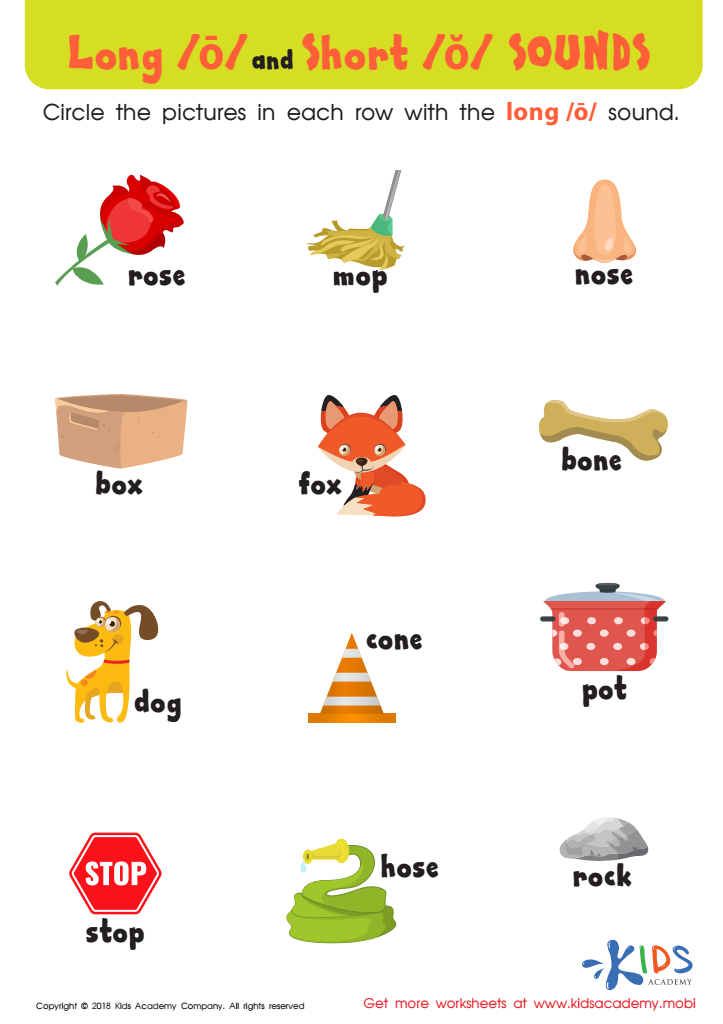
Reading: Long O and Short O Sounds Worksheet
 Assign to My Students
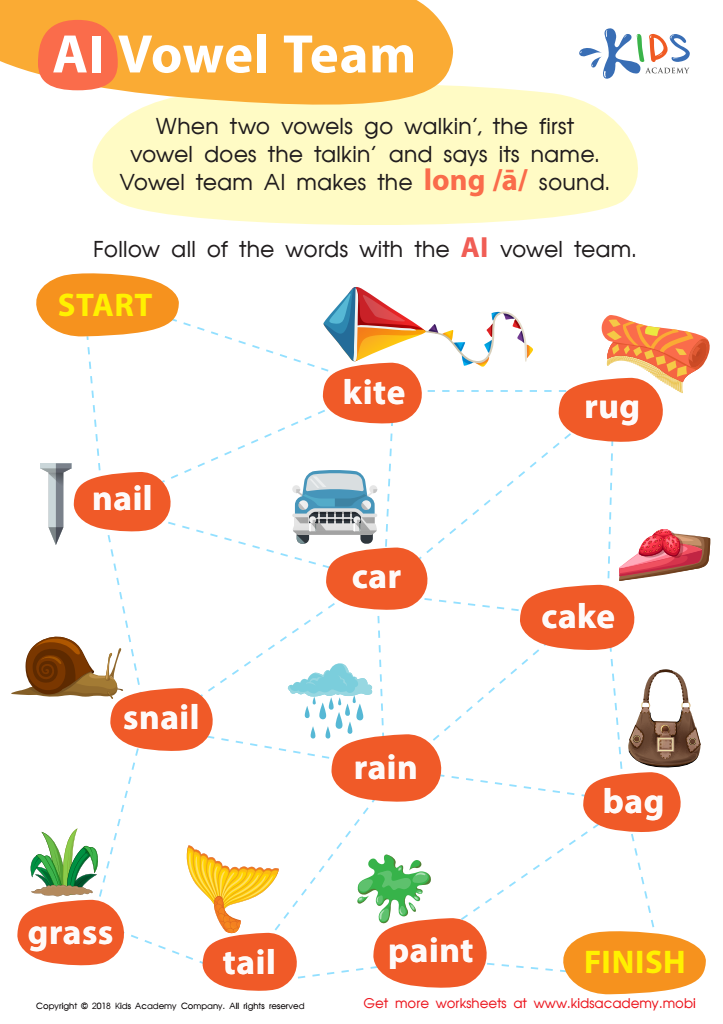
Reading: AI Vowel Team Worksheet
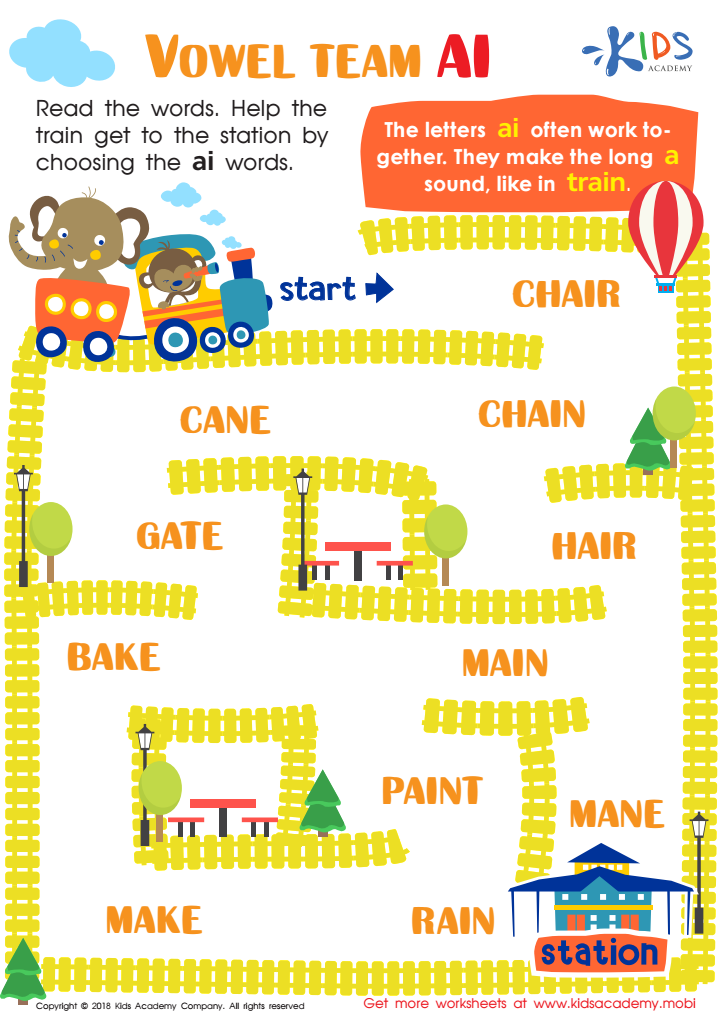
Vowel team ai Worksheet
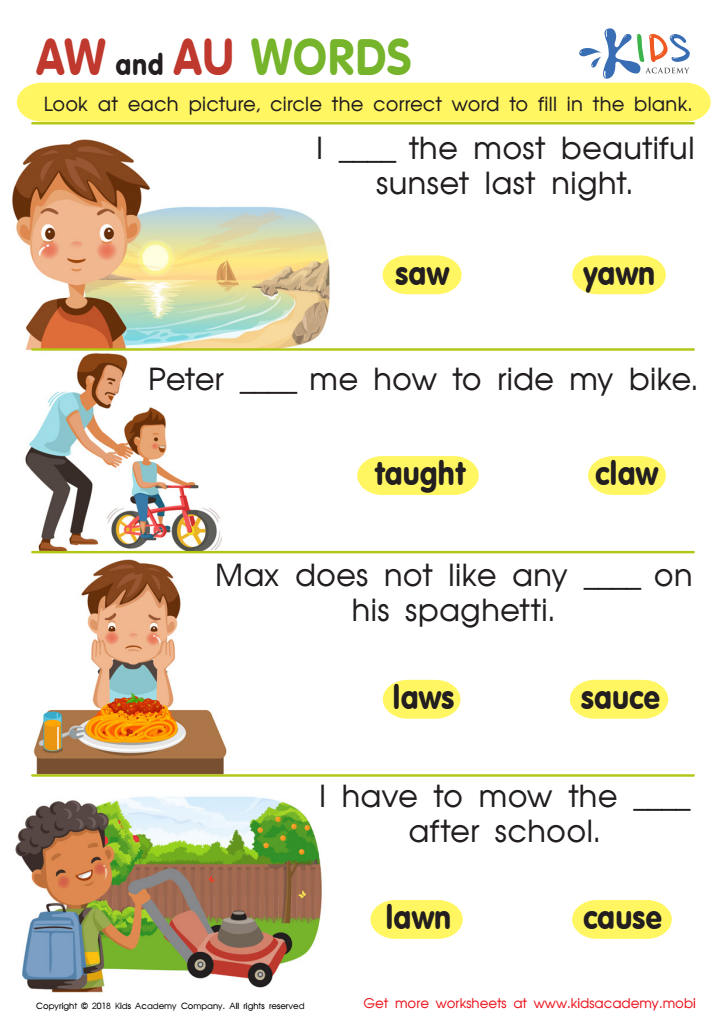
Reading: AW and AU Words Worksheet
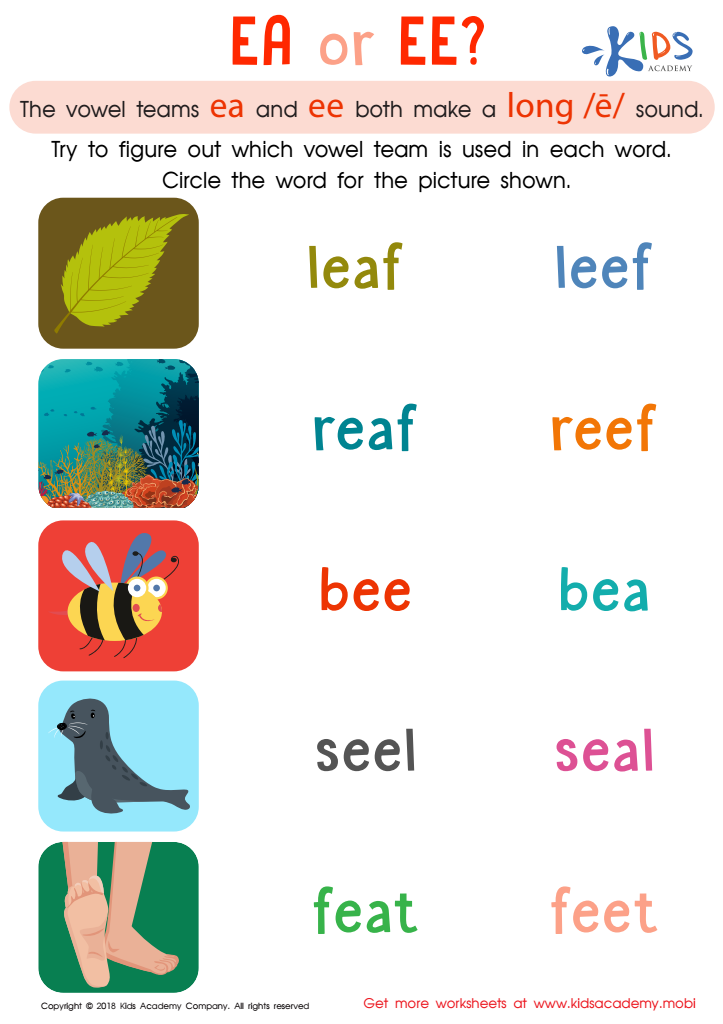
Reading: EA and EE Worksheet
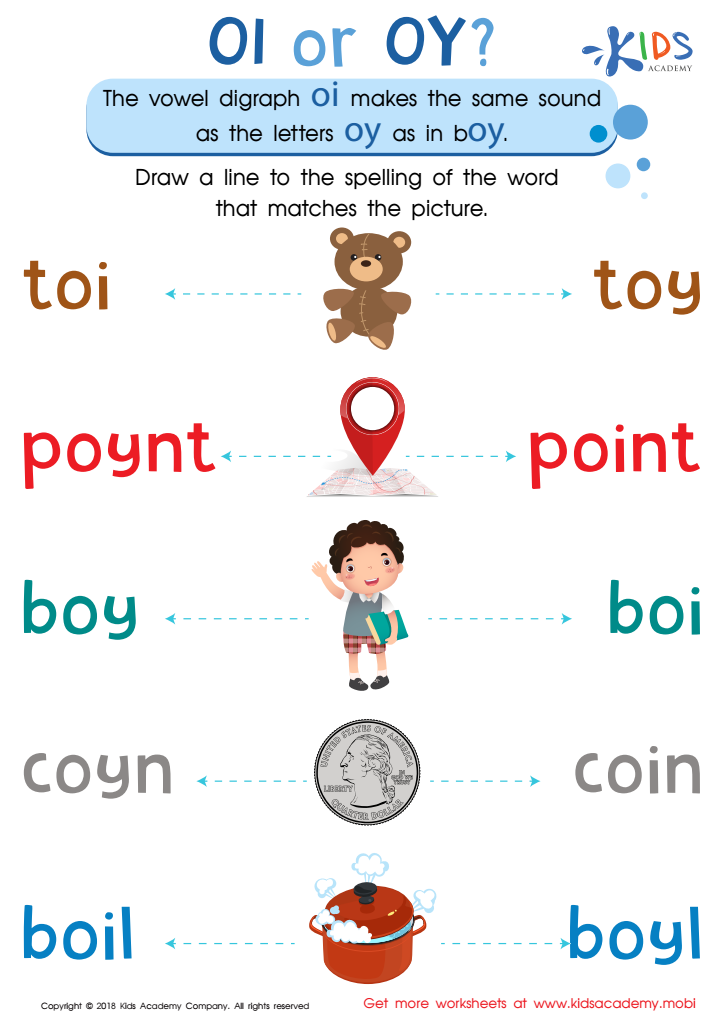
Reading: OI and OY Worksheet
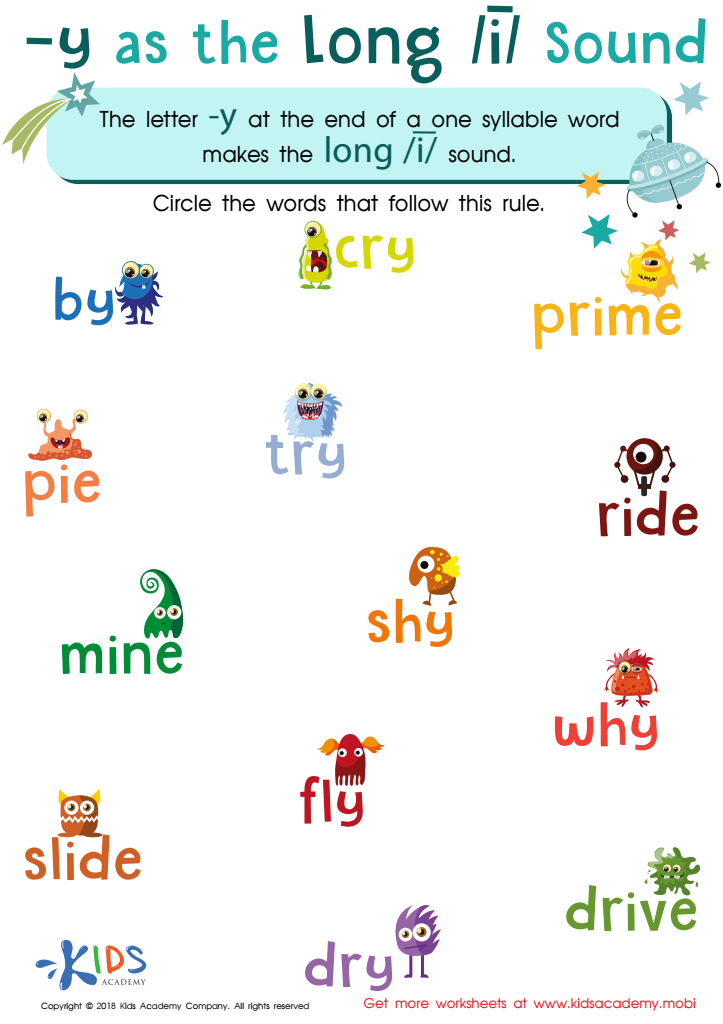
Reading: Y as Long I Worksheet
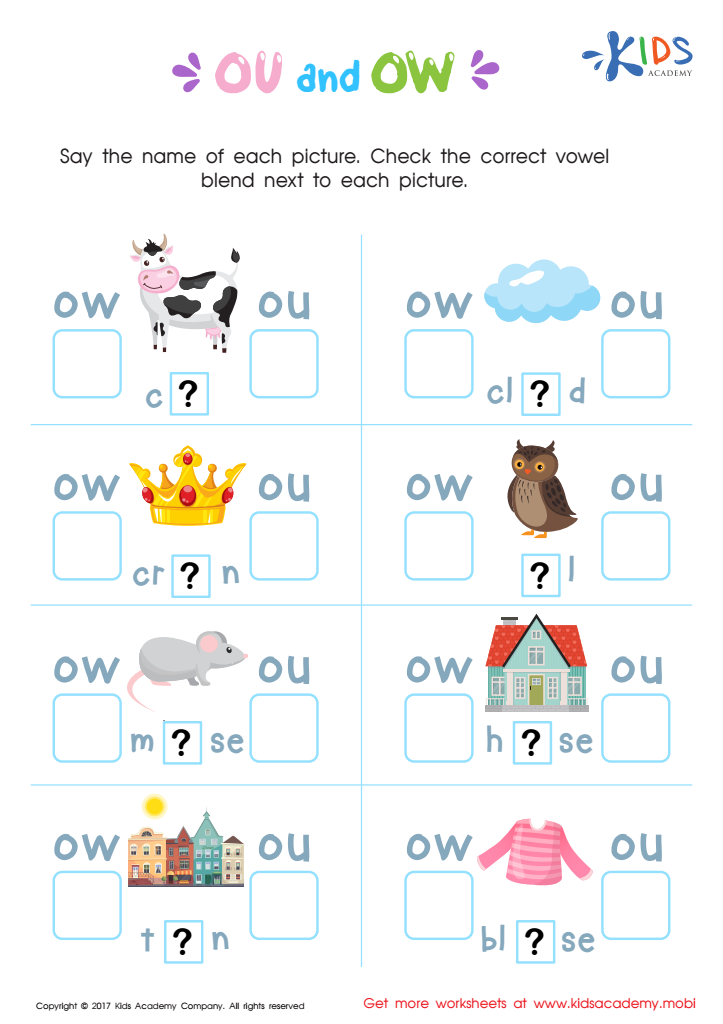
OU and OW Words Worksheet
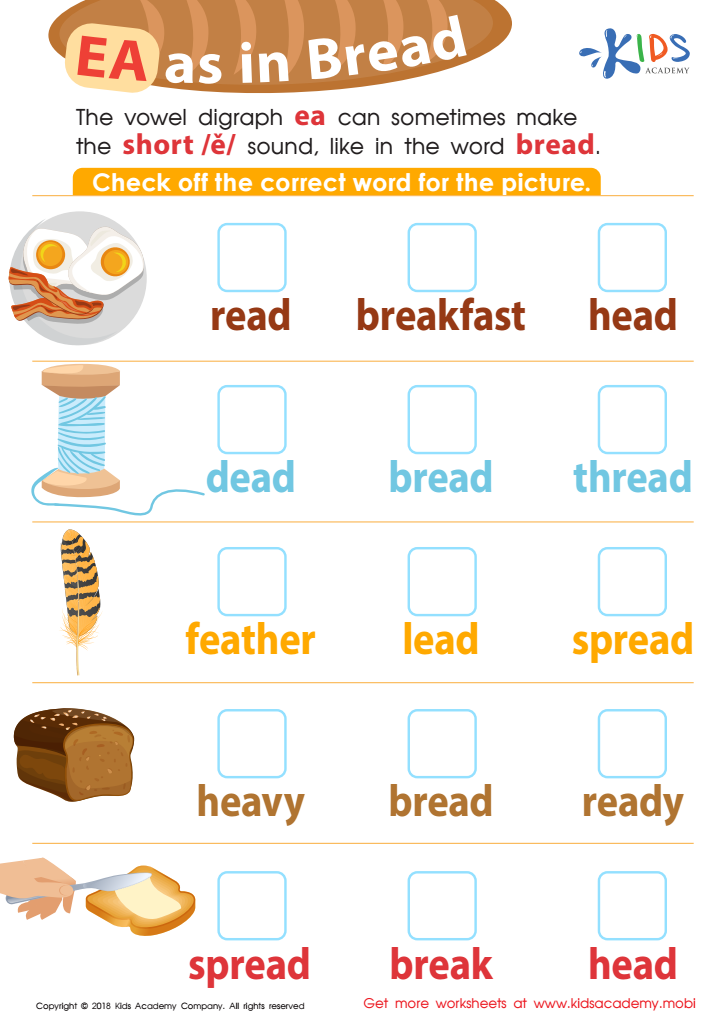
Reading: EA as in Bread Worksheet


Vocabulary expansion, particularly in Grade 2, is crucial for children's language development and literacy skills. Vowel diphthongs—combinations of two vowel sounds that create a unique sound—play an important role in this growth. By understanding and mastering these diphthongs, students develop better pronunciation and comprehension, which are essential as they transition to more complex reading materials.
When parents and teachers prioritize vocabulary expansion related to vowel diphthongs, they enhance children’s ability to decode words, leading to improved reading fluency and confidence. This foundational skill supports a love for reading, which influences academic success across all subjects. Additionally, a rich vocabulary bolsters children's communication skills, allowing them to express their thoughts and ideas more clearly.
Engagement in vocabulary-building activities can be enjoyable and motivational for children. It encourages curiosity and critical thinking. Moreover, the ability to recognize and use diphthongs correctly can aid students in writing, as they better understand phonics and spelling rules.
Ultimately, supporting vocabulary expansion, including vowel diphthongs, is essential for fostering certain literacy skills, enhancing cognitive development, and promoting lifelong learning, making it a priority for both parents and teachers.








