History knowledge Grade 2 Coloring Pages Worksheets
3 filtered results
-
From - To
Enhance your child's love for history with our Grade 2 History Knowledge Coloring Pages Worksheets! Perfectly designed for young learners, these fun and educational worksheets seamlessly combine coloring with fascinating historical facts. Engaging activities will spark curiosity and creativity, while reinforcing essential history topics such as famous figures, events, and landmarks. Ideal for classroom and home use, these worksheets foster a passion for learning about the past while developing fine motor skills and attention to detail. Make history come alive for your second grader with these delightful and instructive coloring pages! Explore, color, and learn today!
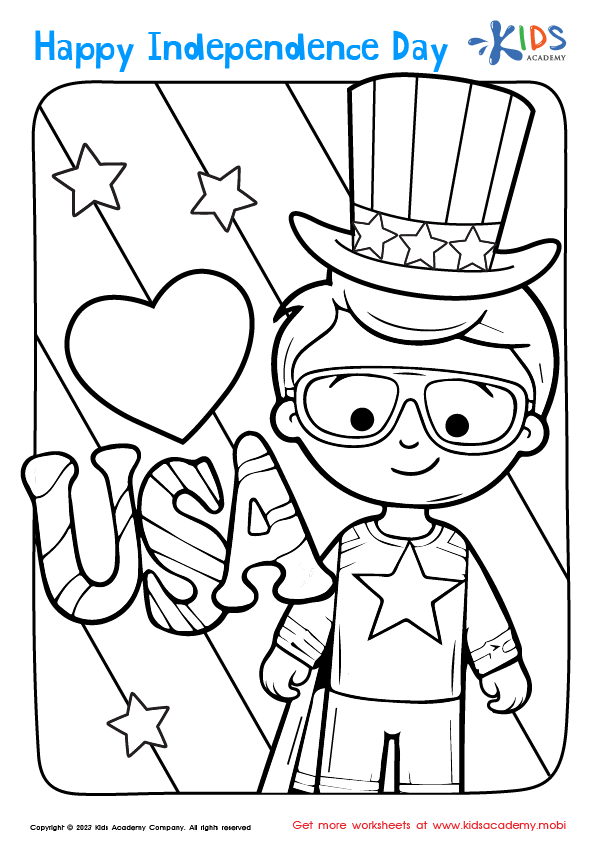
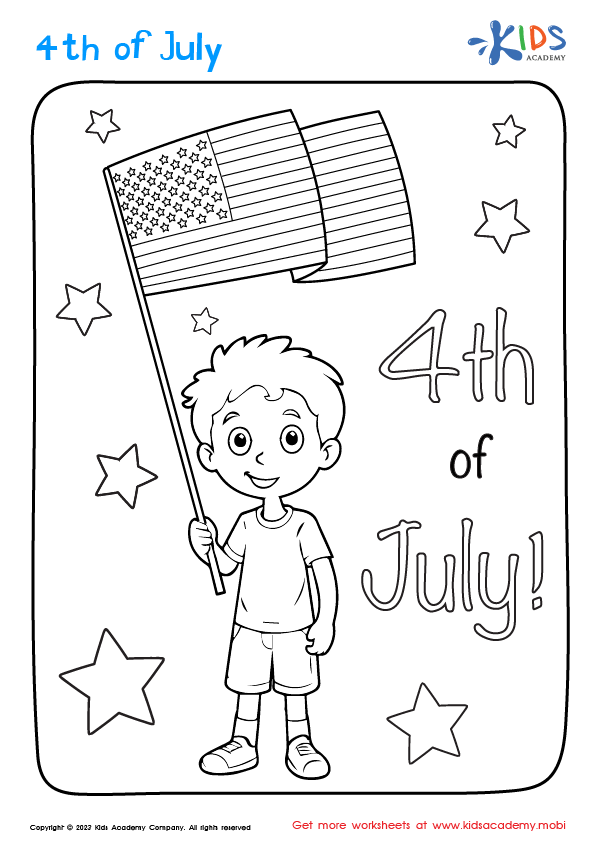





Grade 2 coloring pages with a historical focus offer a unique and engaging way to introduce young children to the past. At this developmental stage, children are naturally curious and highly visual learners. Coloring pages that feature historical events, significant figures, or iconic symbols provide an accessible entry point into history by presenting complex topics in an understandable and enjoyable format.
Parents and teachers should care about these coloring pages because they support the development of fine motor skills through the act of coloring while simultaneously igniting an interest in history. These resources can transform abstract historical concepts into tangible examples, making it easier for children to grasp and remember important information. Furthermore, integrating history lessons with creative activities caters to different learning styles, thereby enhancing overall comprehension and retention.
Moreover, early exposure to historical knowledge fosters critical thinking and empathy. Children start to see themselves as part of a larger timeline, understanding how past events have shaped the present. They learn about diverse cultures, heroism, and human struggles, which cultivates cultural awareness and appreciation. By making history accessible and fun, parents and teachers can set a strong foundation for lifelong learning and encourage inquisitive, well-rounded young minds.