Spelling Skills Grade 2 Color Words Worksheets
3 filtered results
-
From - To
Enhance your child's spelling abilities with our engaging "Spelling Skills Grade 2 Color Words Worksheets" tailored specifically for second graders. These brightly designed worksheets help young learners master the spelling of common sight words associated with colors. Perfect for both classroom and at-home practice, our printable activities support language development while adding a fun splash of color to their learning routine. Kids will build confidence as they complete these vocabulary-enriching exercises, improving their orthographic knowledge and reinforcing essential spelling techniques. Empower second graders to become proficient spellers with interactive tasks that make learning fun and vibrant!
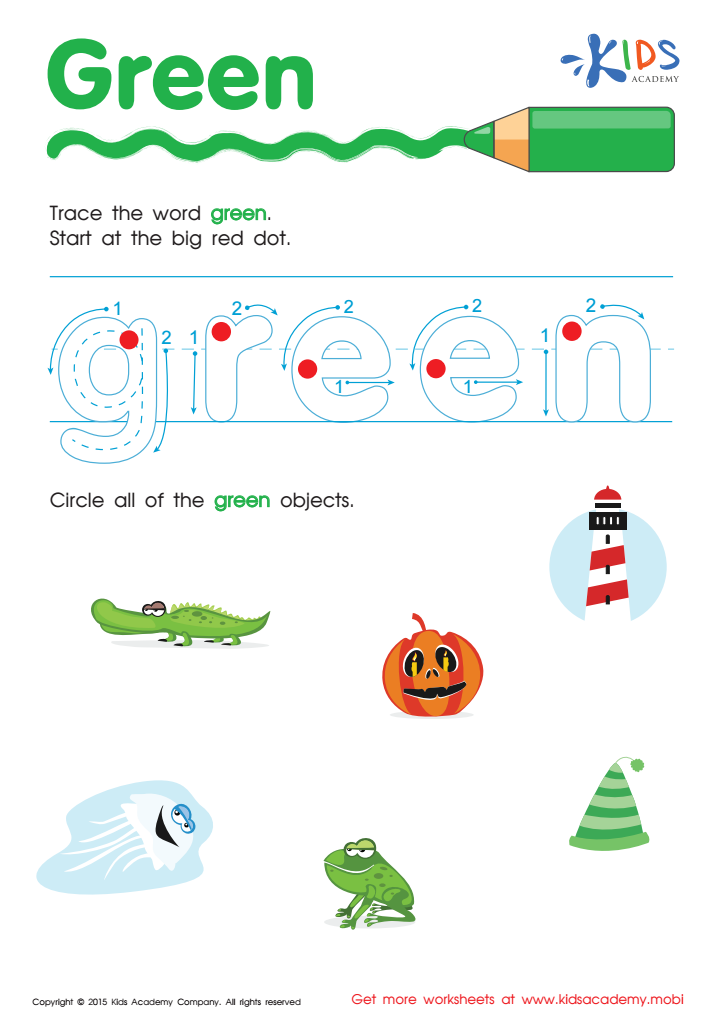
Green Tracing Color Words Worksheet
 Assign to My Students
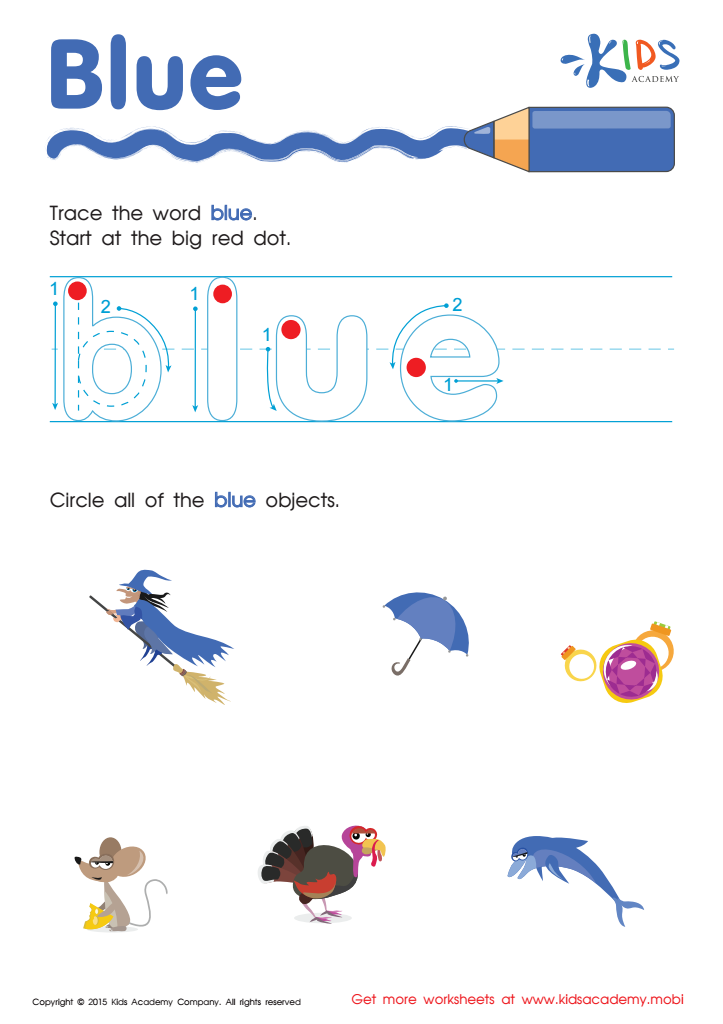
Blue Tracing Color Words Printable
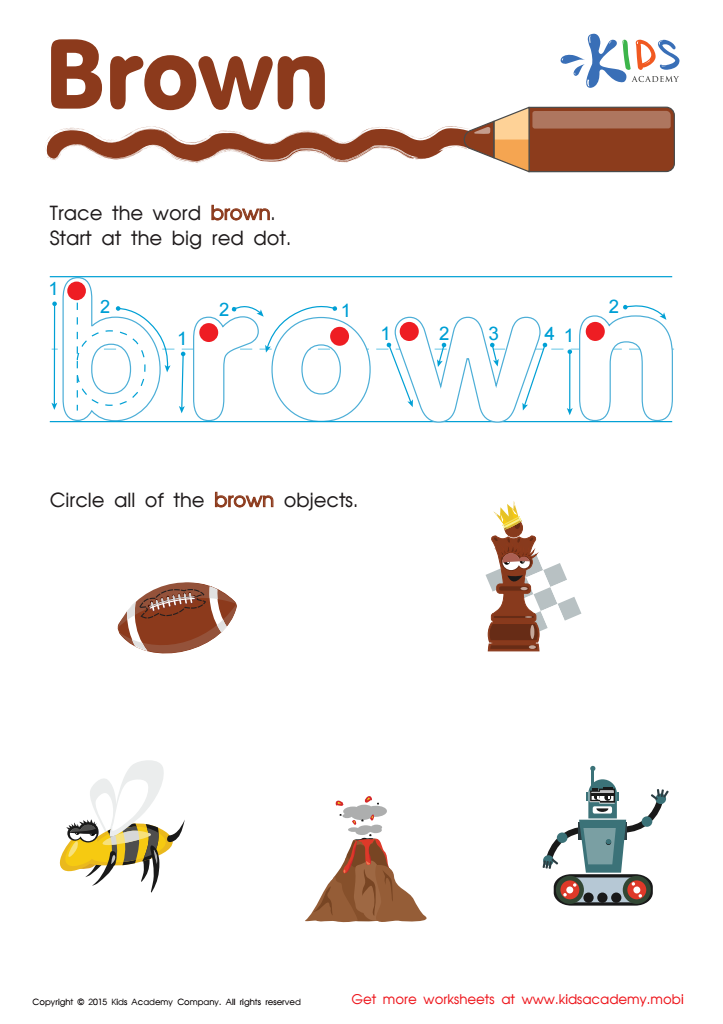
Brown Tracing Color Words Worksheet


Teaching spelling to 2nd graders, particularly focusing on color words, holds significant importance for both parents and teachers. At this age, children are building the foundation of their literacy skills, and proficiency in spelling is a critical component of this journey.
Spelling color words helps to enhance vocabulary, enabling children to describe the world around them with more precision. It promotes reading fluency, as recognizing and correctly spelling these common words becomes second nature. This fluency, in turn, supports better comprehension, making it easier for children to grasp more complex reading materials as they progress.
Additionally, learning color words ties in well with visual and cognitive development. Younger children often learn best with visual aids, and associating words with colors can provide a concrete way to understand abstract linguistic concepts. It also fortifies memory skills since recognizing and spelling these words requires practice and repetition.
For parents and teachers, focusing on spelling color words is a deliberate step towards nurturing well-rounded, confident readers and writers. Such early literacy accomplishments can spark enthusiasm for learning, boosting self-esteem and intellectual curiosity. Without a solid spelling foundation, students may struggle with more advanced literacy challenges in the future. Consequently, investing time and resources in teaching these valuable skills at an early stage is crucial for ongoing educational success.