Letter recognition Grade 2 English for Beginners Worksheets
41 filtered results
-
From - To
Discover our engaging Letter Recognition worksheets designed specifically for Grade 2 English beginners! These resources focus on helping young learners master the alphabet, enhancing their reading and writing skills. Each worksheet is thoughtfully crafted to offer a variety of fun activities, including tracing letters, identifying uppercase and lowercase forms, and matching letters with corresponding images. Our interactive and visually appealing materials foster creativity while ensuring effective learning experiences. Perfect for ESL students, these worksheets support teachers and parents alike in nurturing foundational literacy skills. Explore our collection today to empower students on their journey to alphabetical proficiency!
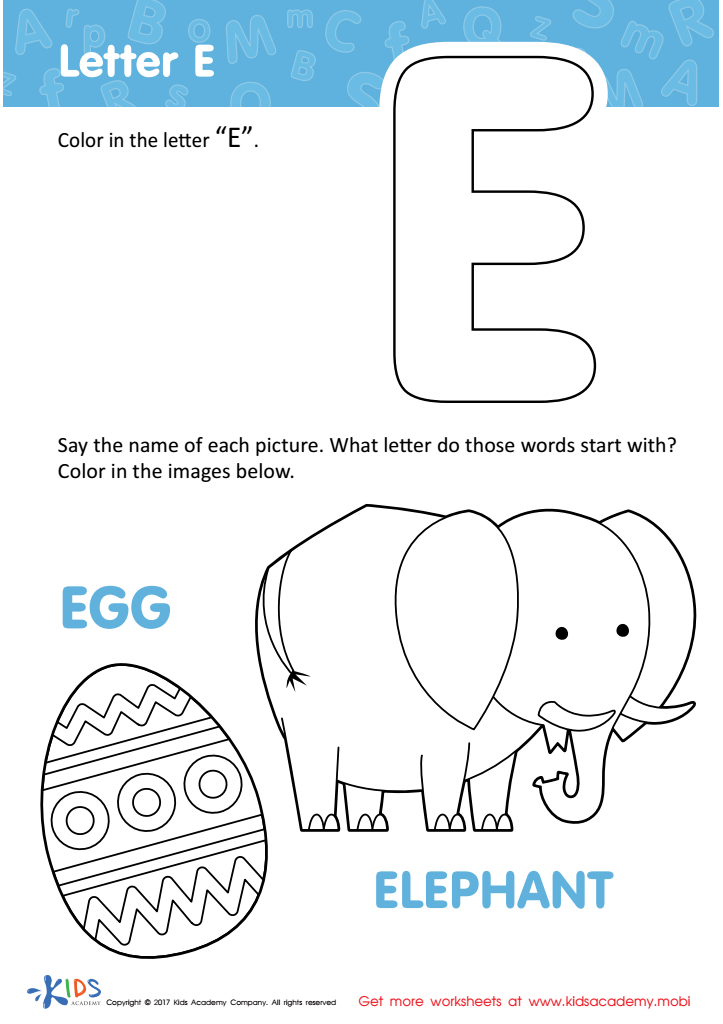
Letter E Coloring Sheet
 Assign to My Students
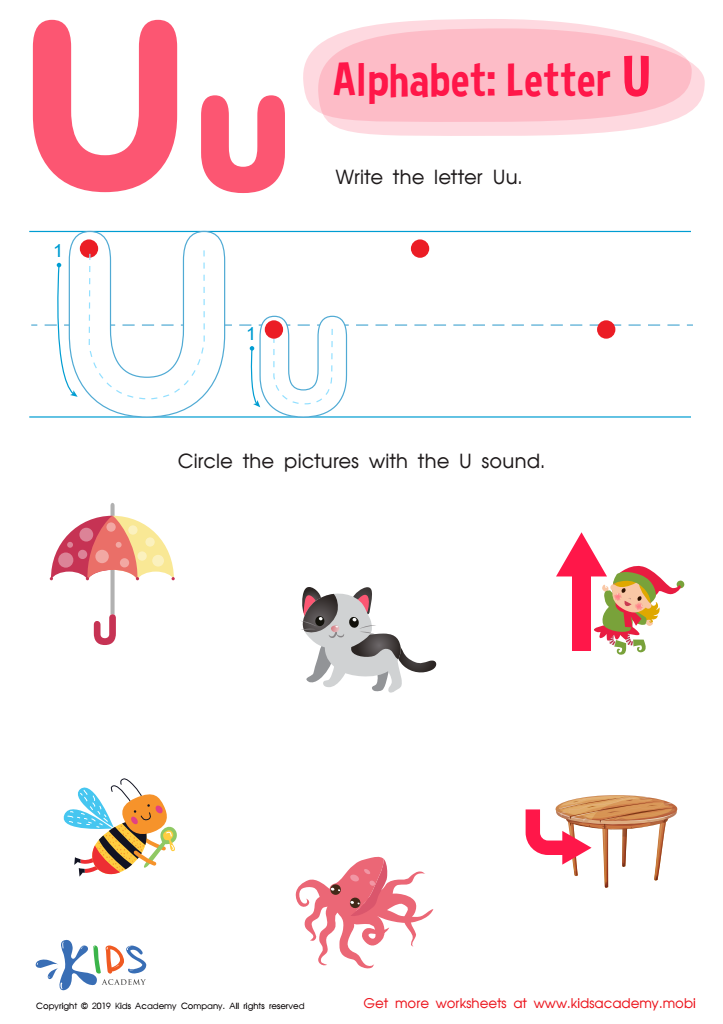
Letter U Tracing Worksheet
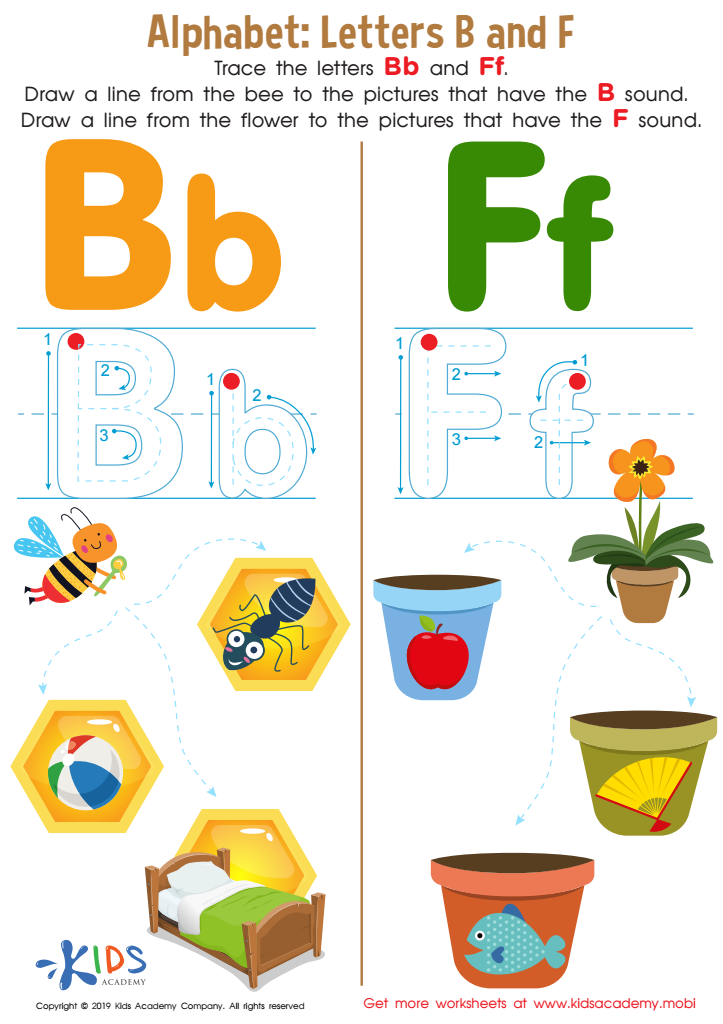
Letters B and F Tracing Worksheet
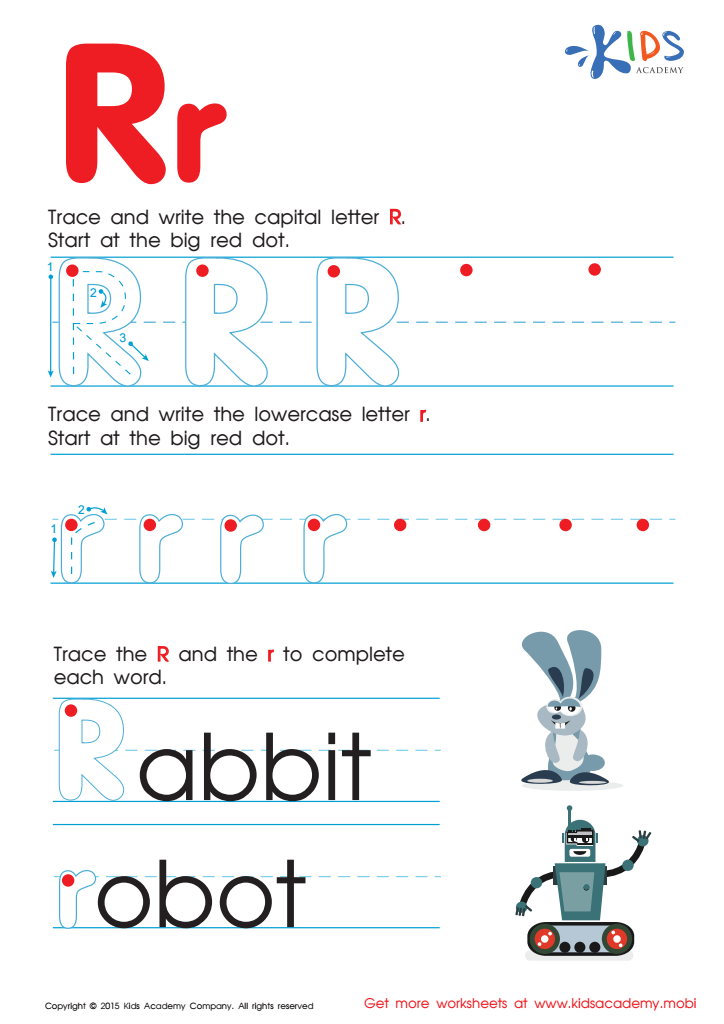
Letter R Tracing Page
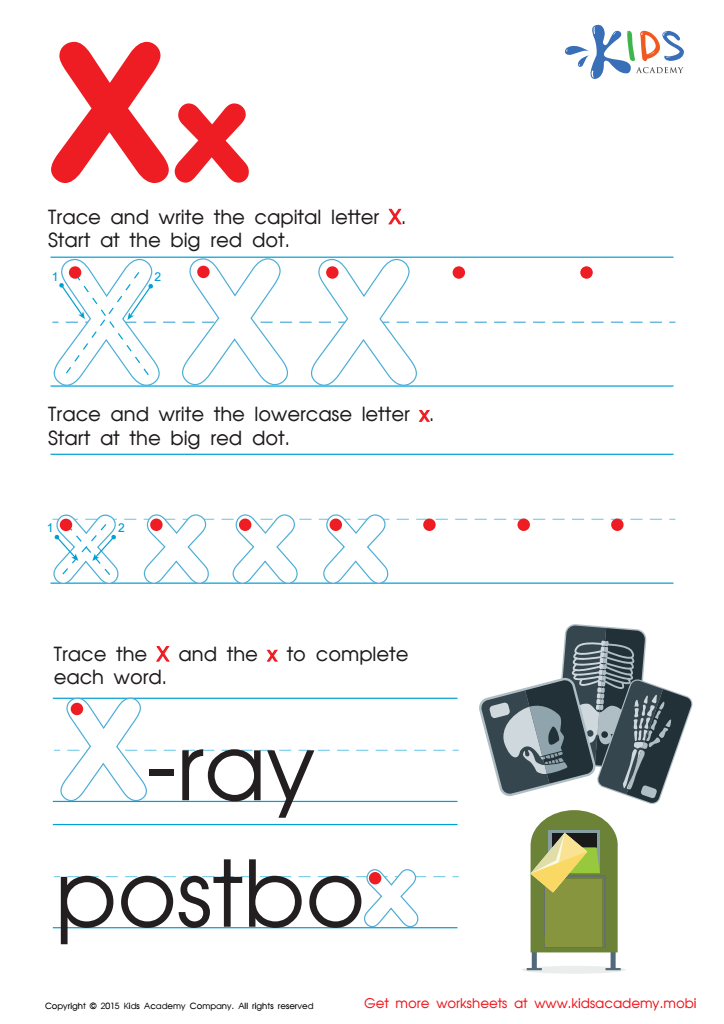
Letter X Tracing Page
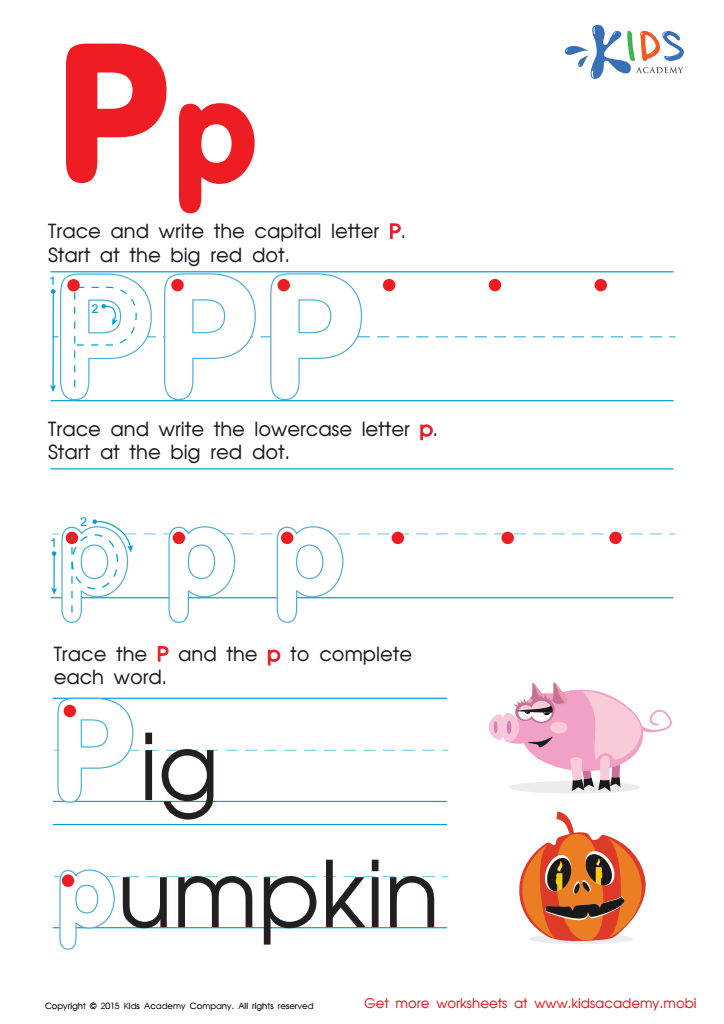
Letter P Tracing Page
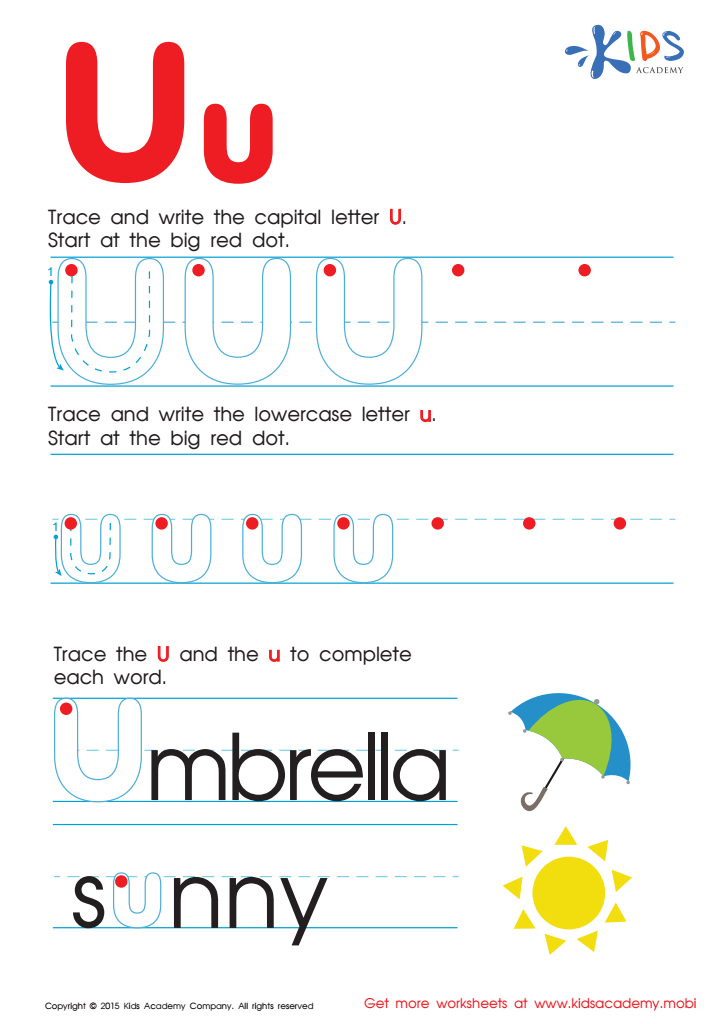
Letter U Tracing Page
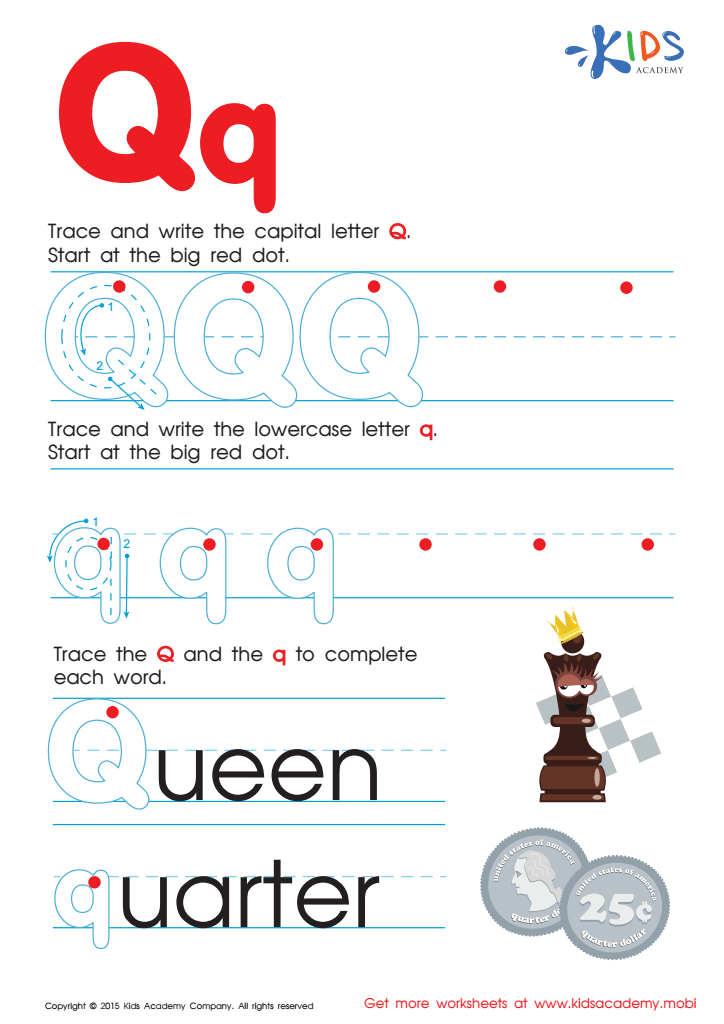
Letter Q Tracing Page
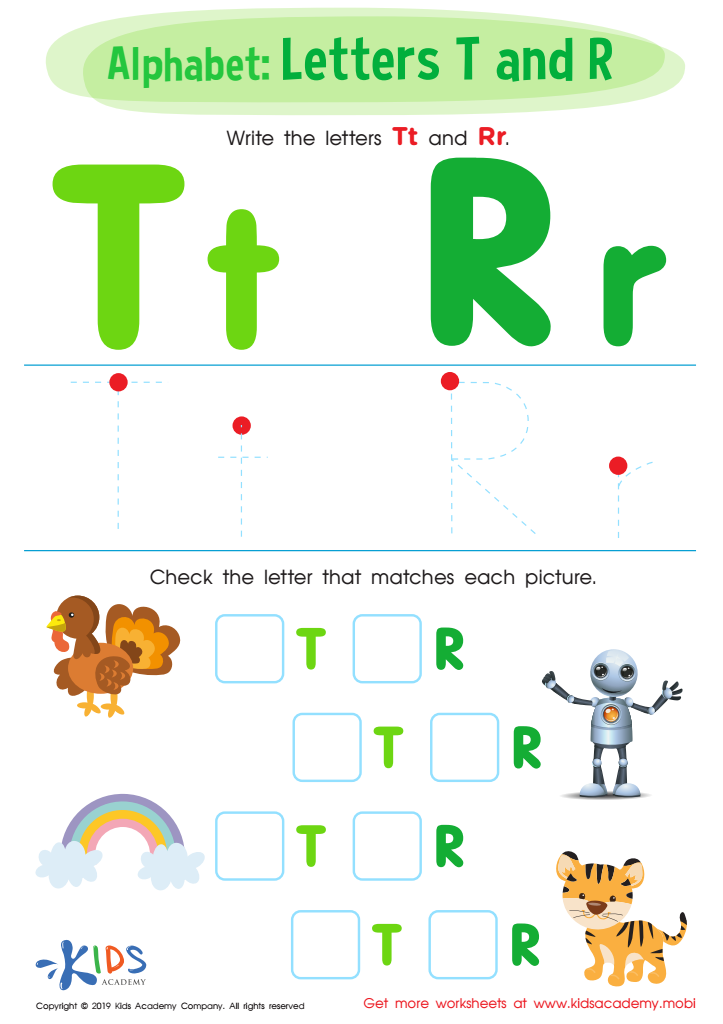
Letters T and R Worksheet
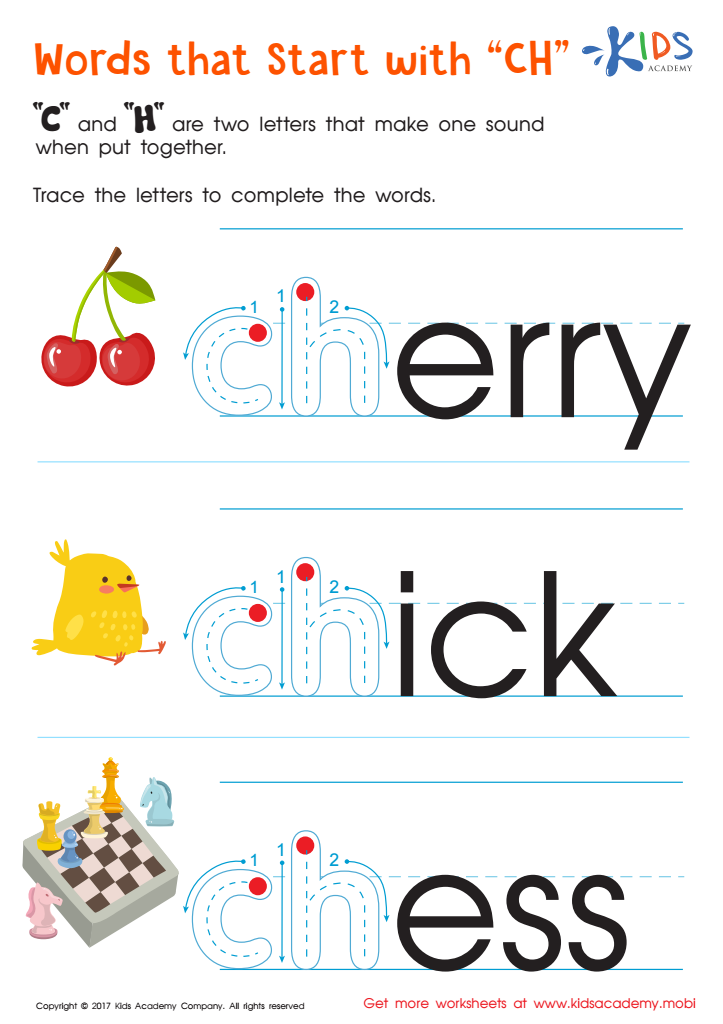
Words That Start with "ch" Spelling Worksheet
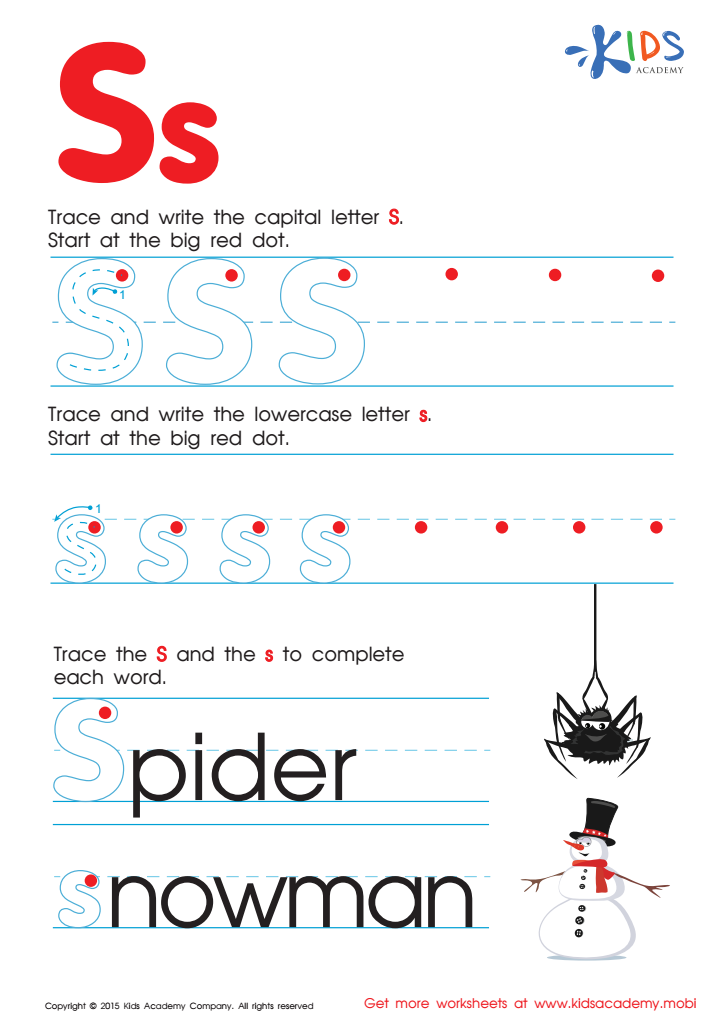
Letter S Tracing Page
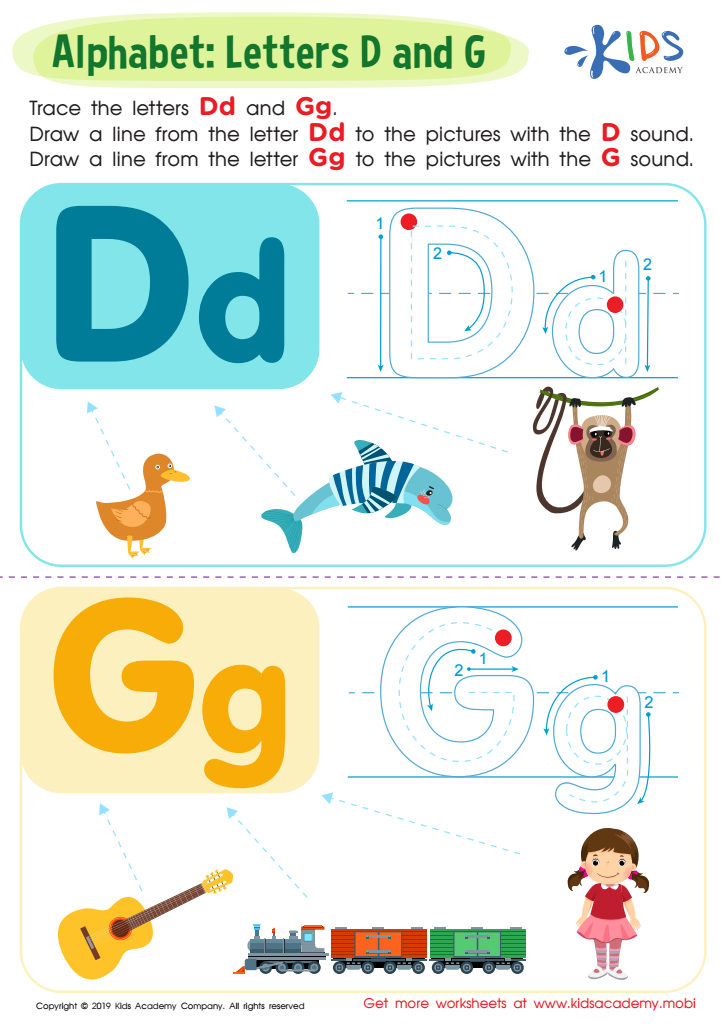
Letter D and G Tracing Worksheet
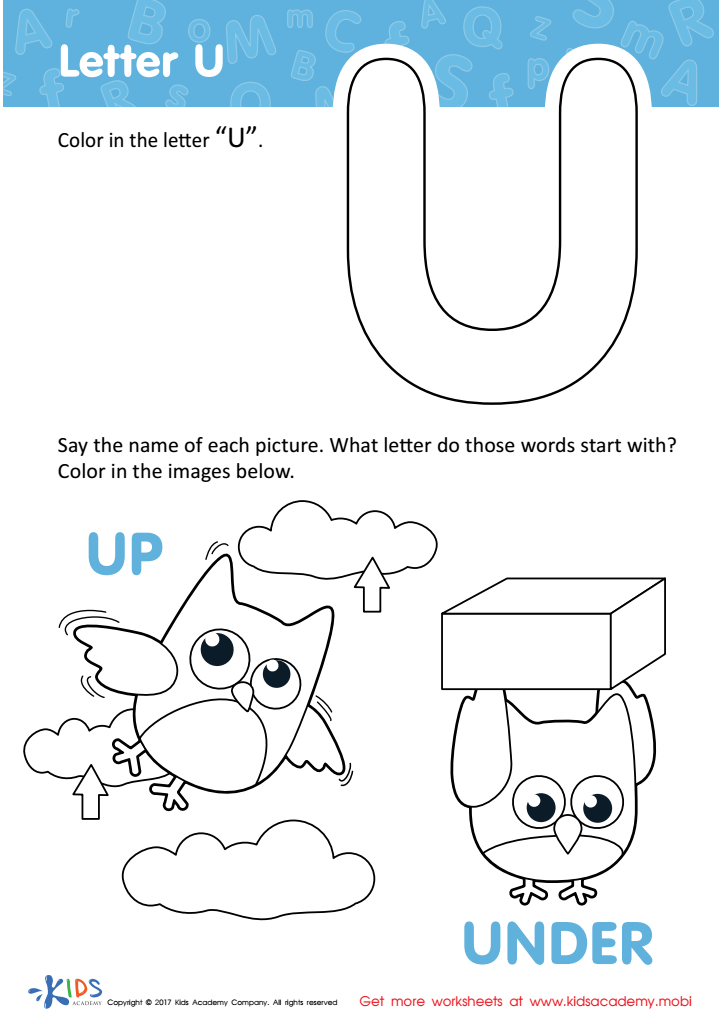
Letter U Coloring Sheet
Assign to My Students
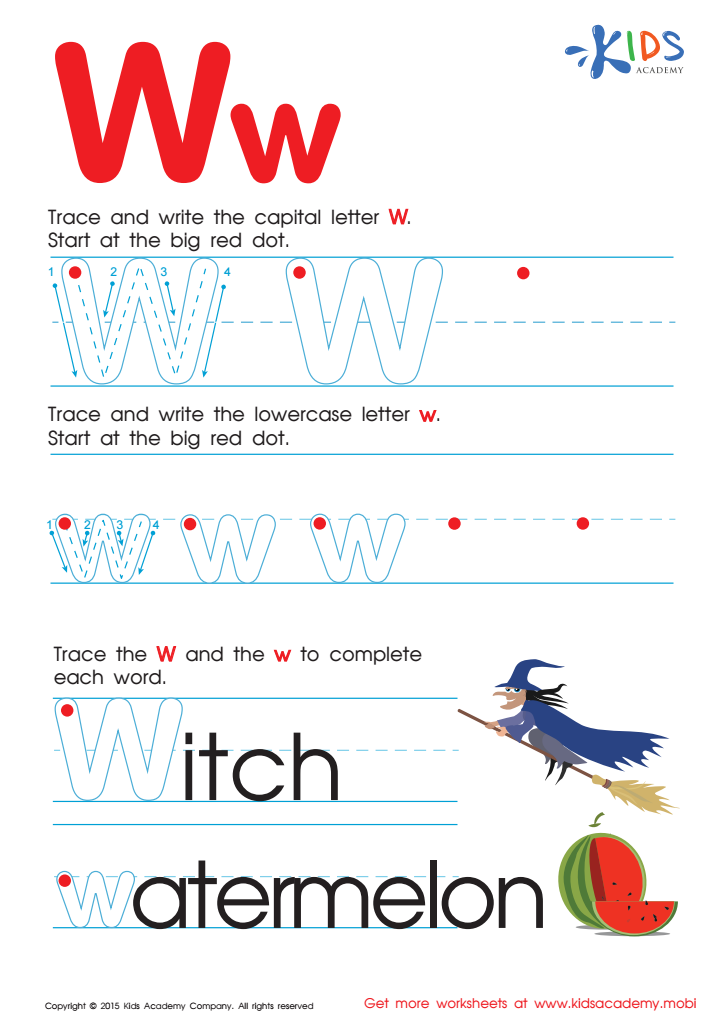
Letter W Tracing Page

Letter H Tracing Page
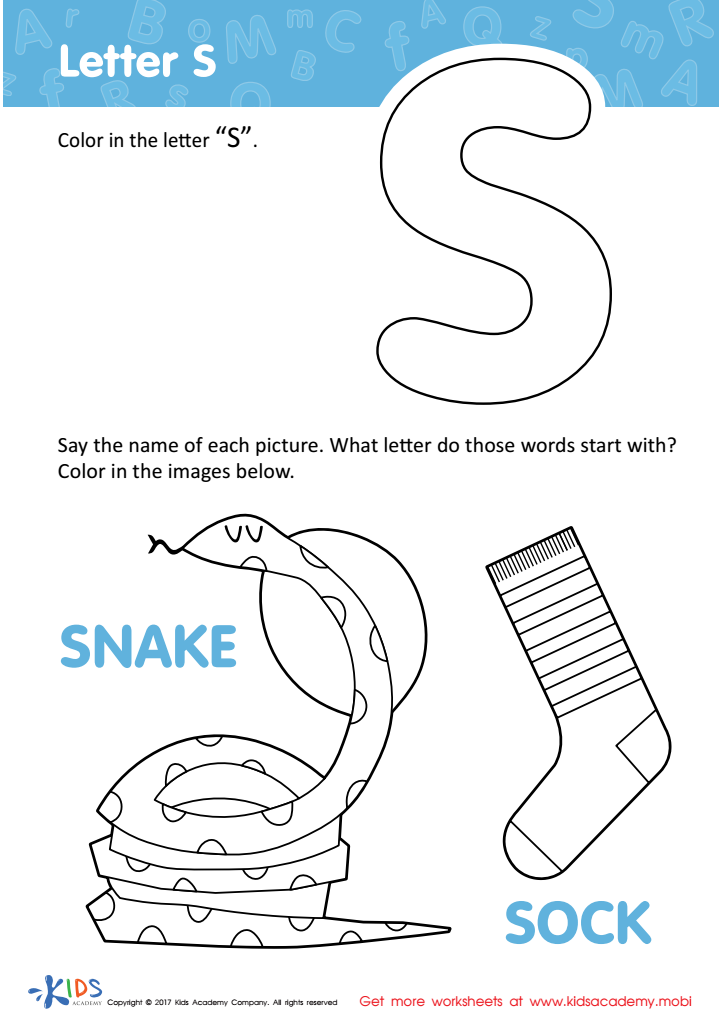
Letter S Coloring Sheet
Assign to My Students
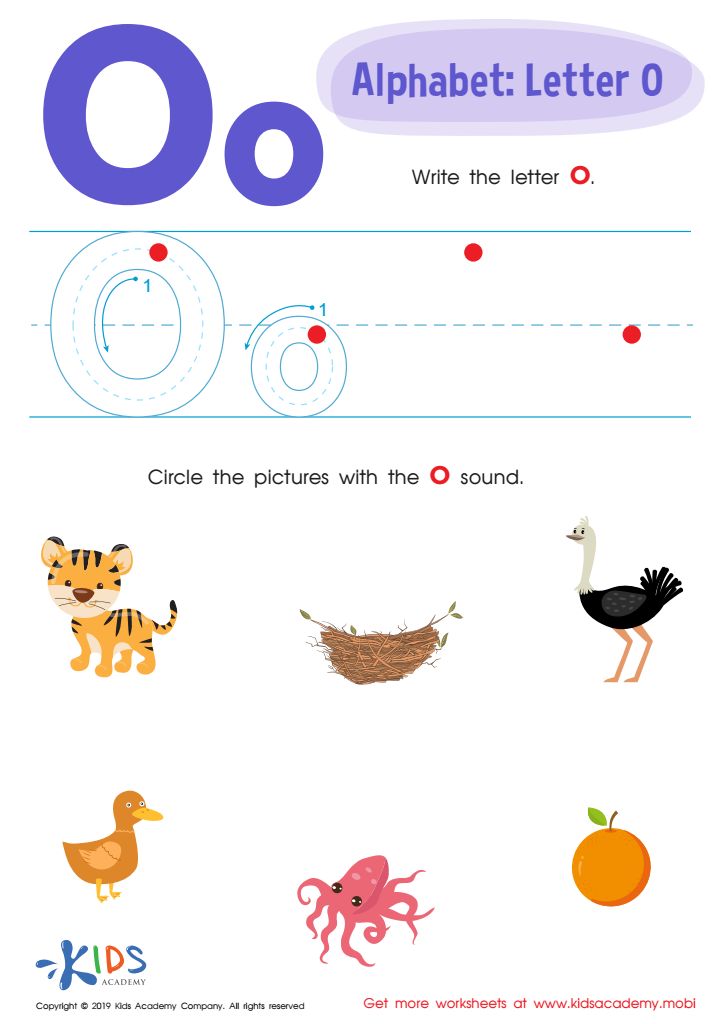
Letter O Tracing Worksheet
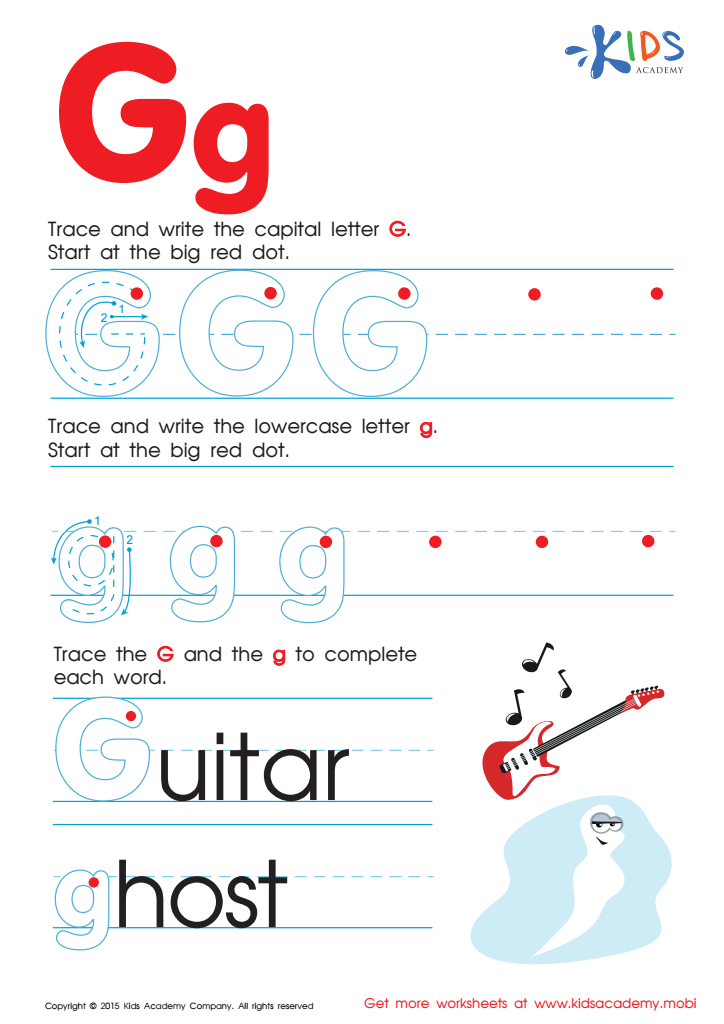
Letter G Tracing Page
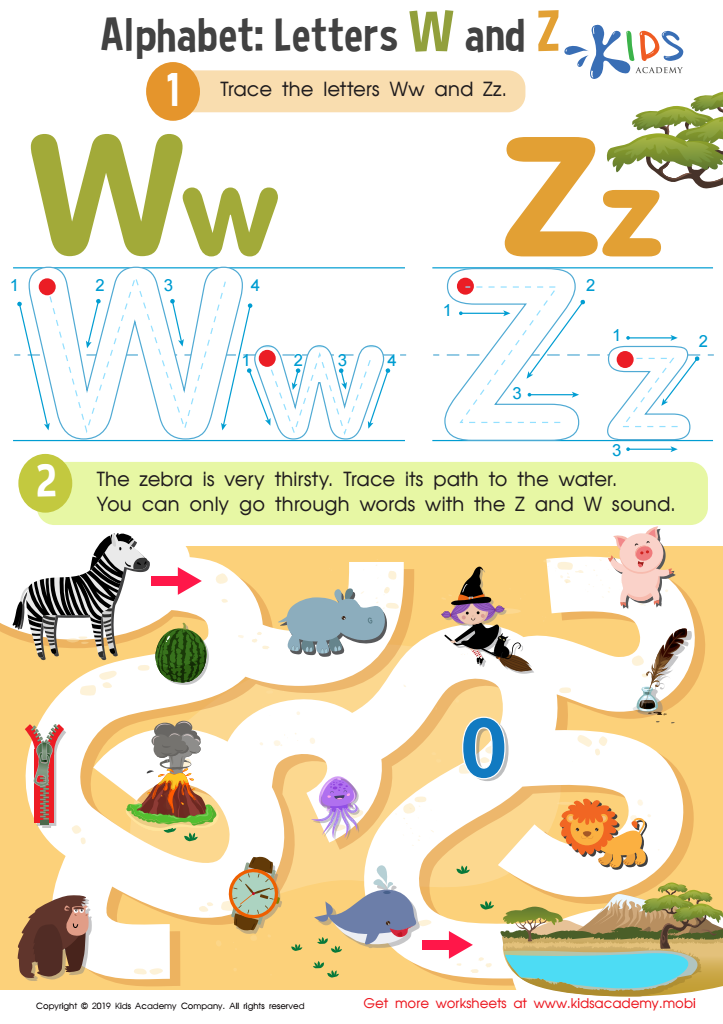
Letters W and Z Tracing Worksheet
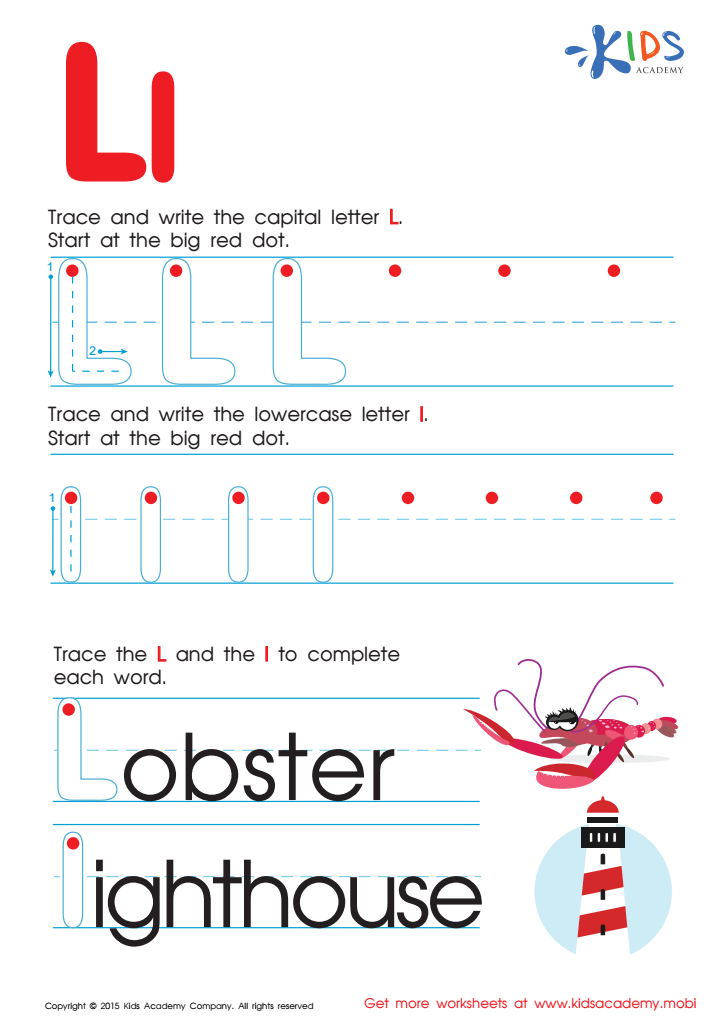
Letter L Tracing Page
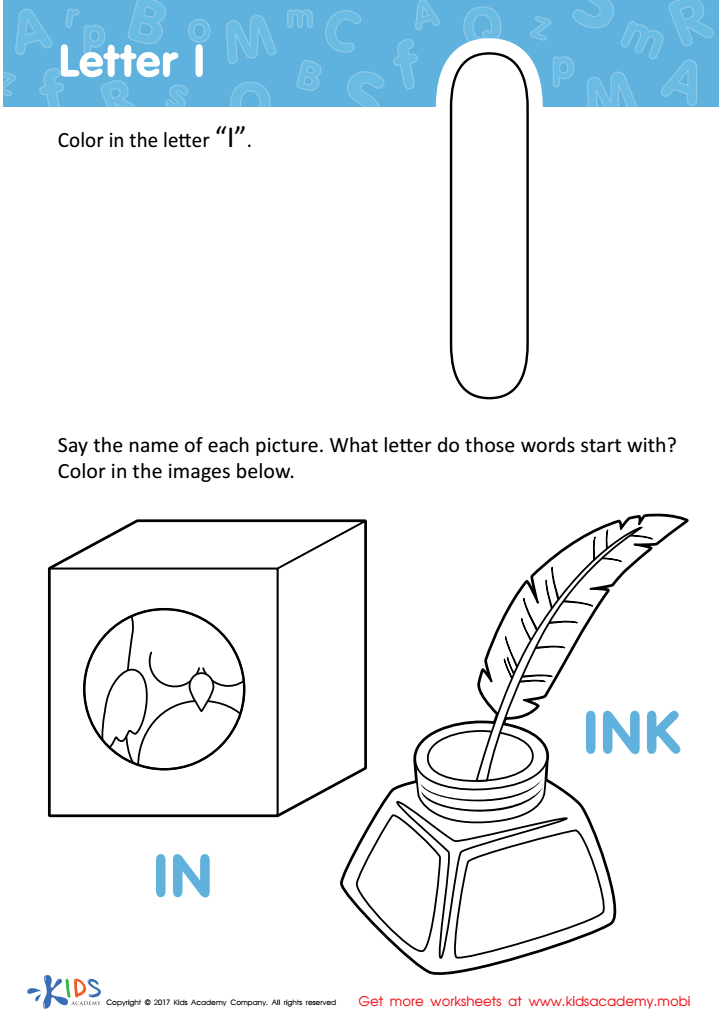
Letter I Coloring Sheet
Assign to My Students
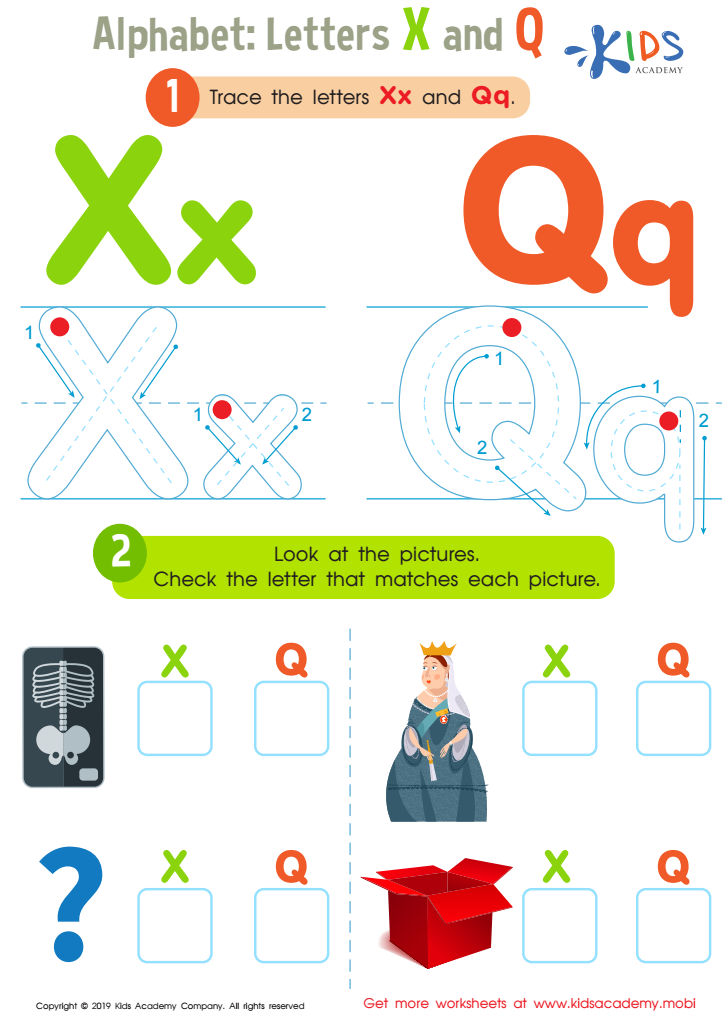
Letters X and Q Tracing Worksheet

Long and Short U Worksheet
Assign to My Students
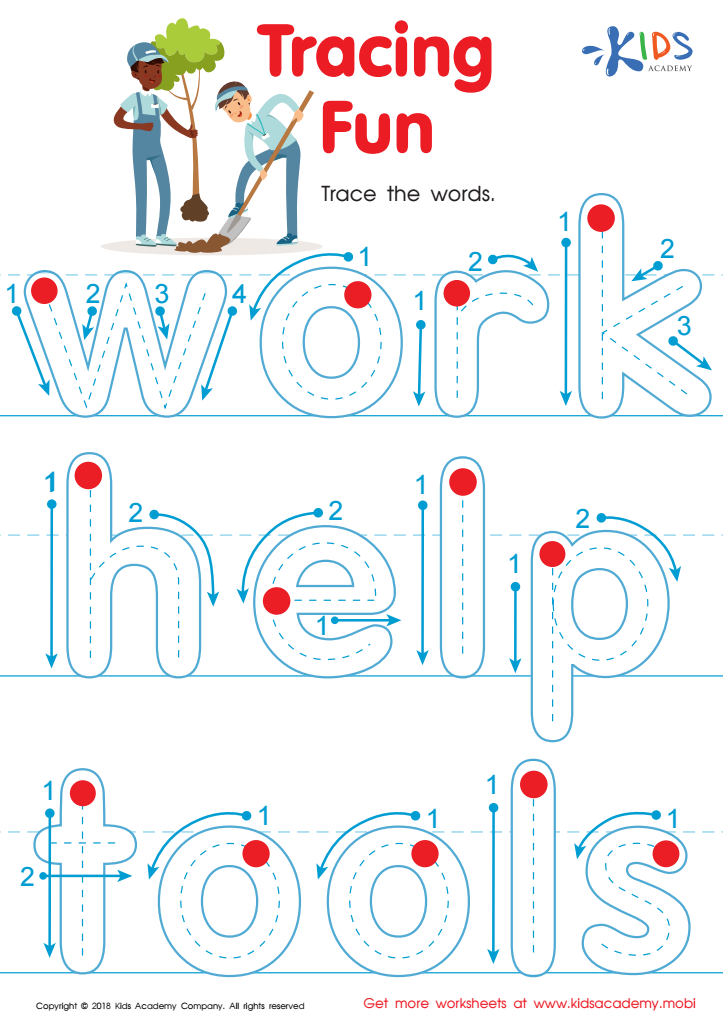
Tracing Fun Worksheet


Letter recognition is crucial for Grade 2 English beginners as it serves as the foundation for reading and writing skills. At this stage, children are transitioning from learning the alphabet to connecting letters with sounds, which is essential for decoding words. Parents and teachers should prioritize letter recognition because it directly impacts a child’s literacy development and overall academic success.
Strong letter recognition enables students to read at grade level, fostering confidence and a love for reading. When children can easily identify letters, they are more likely to grasp phonics, leading to better comprehension of texts and improved communication skills. Moreover, early mastery of letter recognition can prevent future learning difficulties.
Additionally, children who develop letter recognition skills often perform better in assessments and have more positive attitudes towards learning. Parents can support this at home through interactive activities, such as reading books, playing letter-matching games, or practicing writing. Teachers can use targeted exercises in the classroom, ensuring that all students have a solid grounding in these essential skills. Overall, fostering letter recognition not only benefits individual learners, but also contributes to a supportive educational environment where every child can thrive.