Analog clock reading Grade 2 Worksheets
3 filtered results
-
From - To
Discover our engaging "Analog Clock Reading Grade 2 Worksheets" designed to help young learners master the art of telling time. Perfect for second graders, these worksheets provide a variety of exercises focusing on both whole hours and half-hours, reinforcing essential skills in a fun and interactive way. With vibrant illustrations and clear instructions, students will confidently read and understand analog clocks. Whether used in the classroom or at home, our worksheets aid in developing mathematical fluency and boost confidence in time-related concepts. Explore our comprehensive resource today and watch your child's time-telling abilities soar!
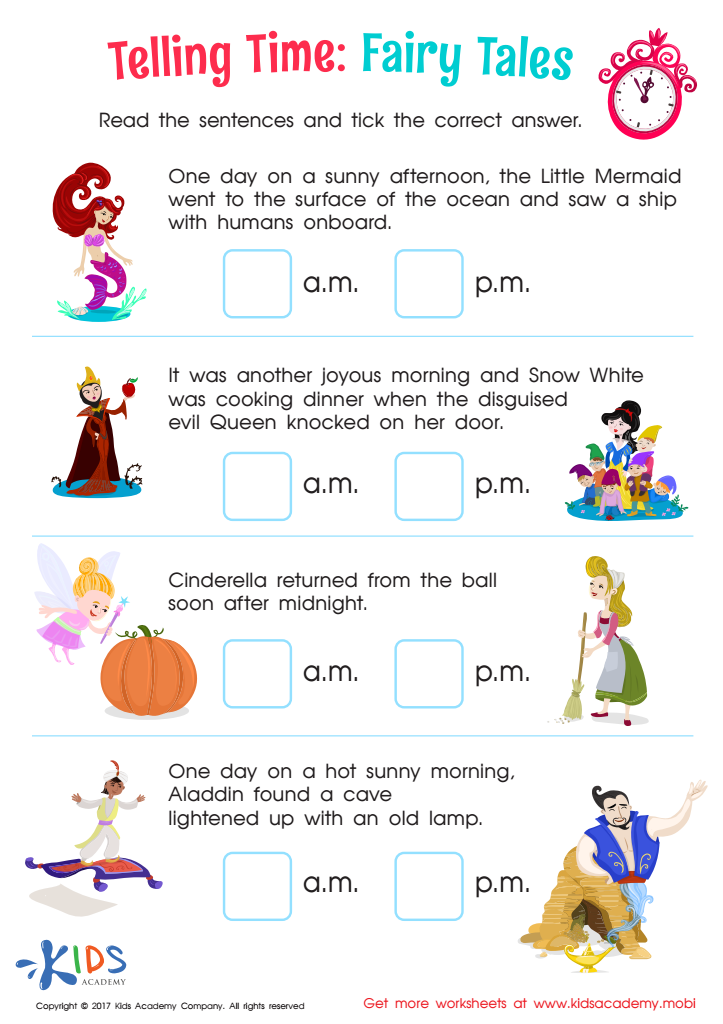
Telling Time: Fairy Tales Worksheet
 Assign to My Students
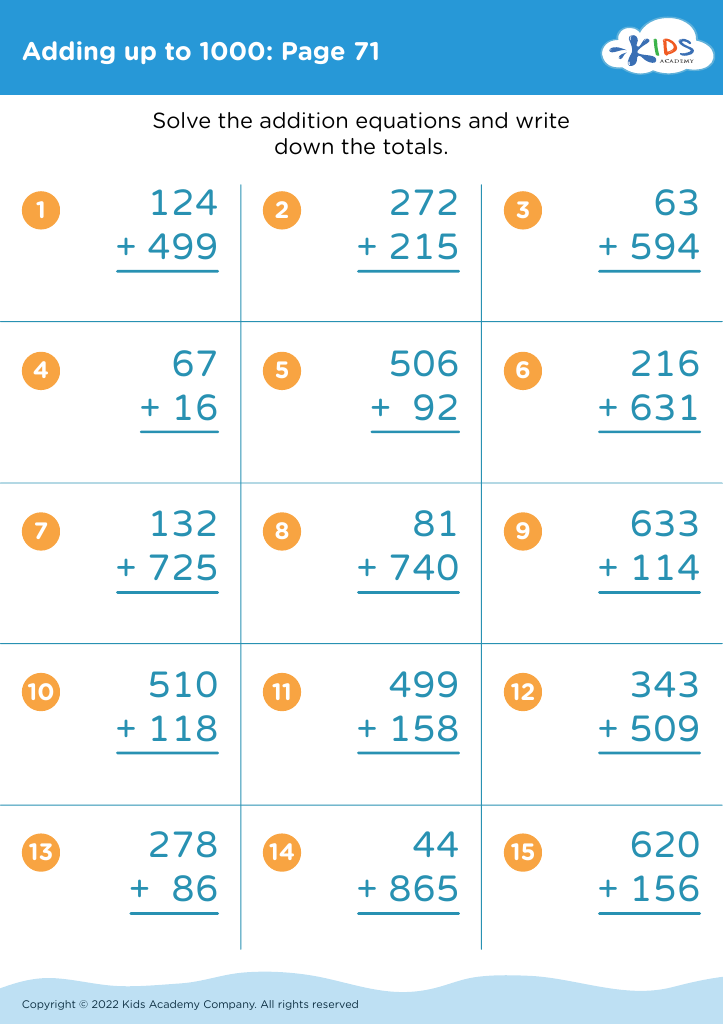
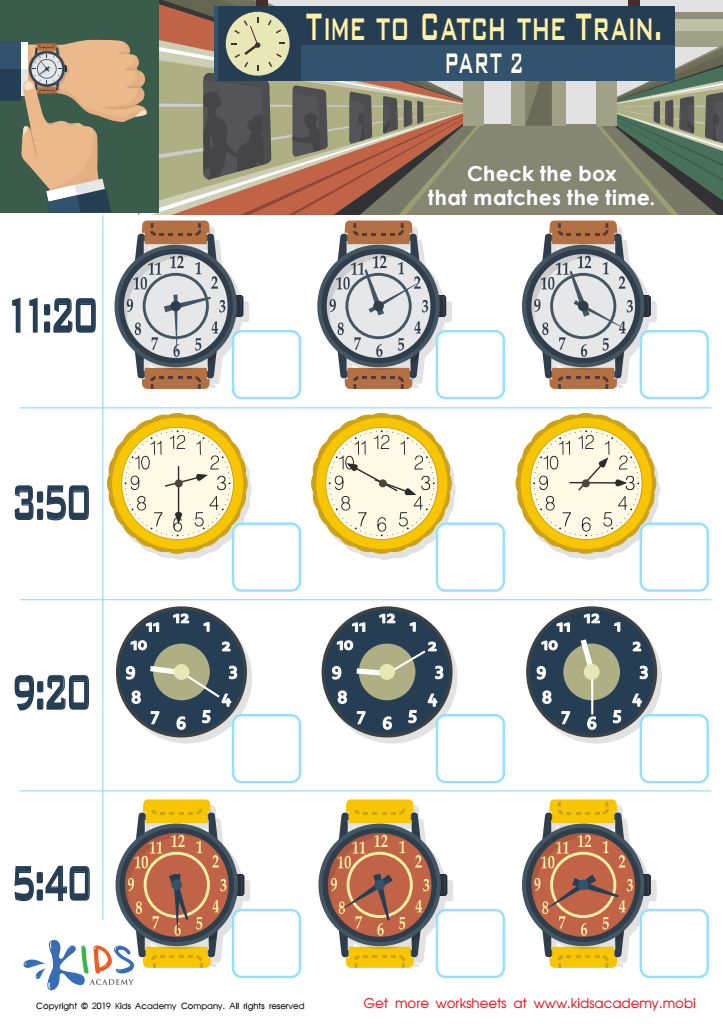
Time to Catch the Train Part 2 Worksheet




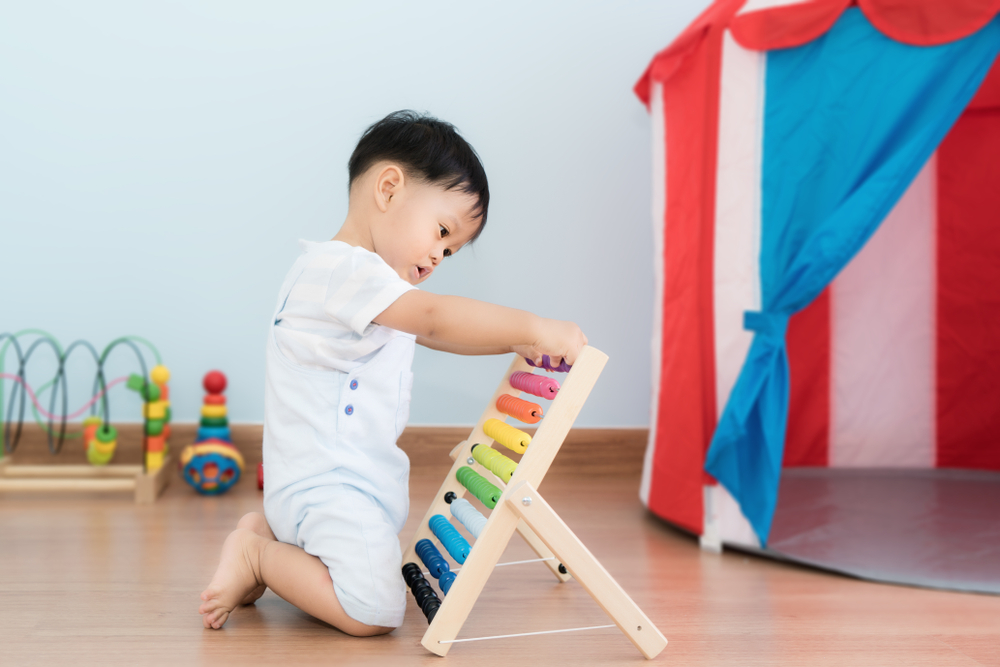
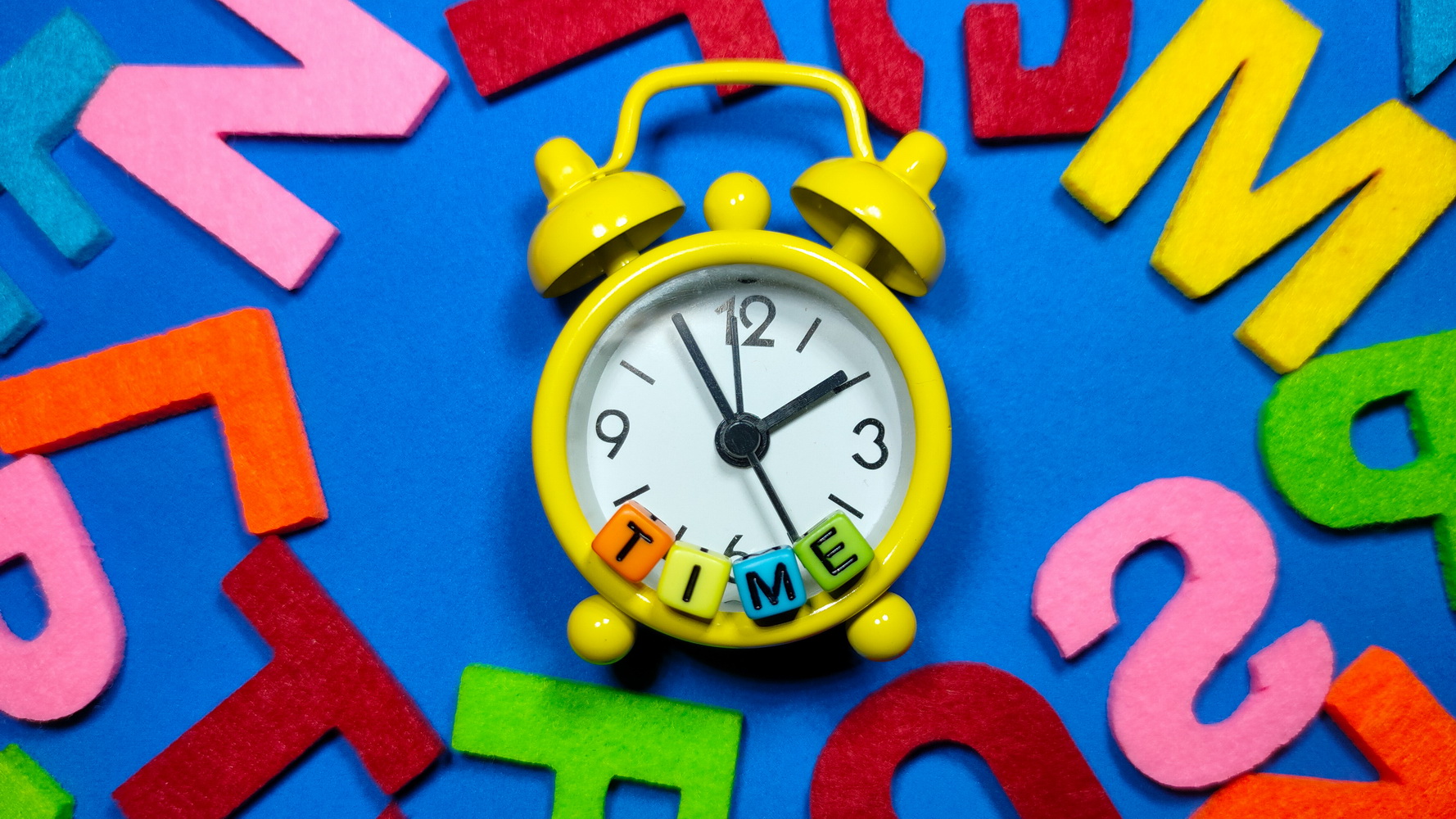


Teaching grade 2 students how to read an analog clock is essential for several reasons. First, understanding analog time helps develop a strong grasp of basic math concepts such as fractions. Students learn to divide hours into halves and quarters, fostering their number sense and problem-solving skills.
Additionally, analog clocks are a part of daily life, and knowing how to read them equips children with practical life skills. Whether it's managing time for school activities, play, or chores, the ability to read an analog clock encourages independence and responsibility. Children learn to be punctual, reinforcing the importance of time management.
Moreover, reading analog clocks enhances observation and critical thinking. Students are not just told the time but are engaged in a process requiring them to visually analyze position and movement. This cognitive engagement supports overall cognitive and fine motor development.
Finally, incorporating analog clock reading into lessons promotes a richer understanding of time and history, as many classic materials—books, games, and artworks—feature this traditional timepiece. Encouraging parents and teachers to support analog clock lessons enriches children's education, making it both practical and grounded in the tradition, preparing them for real-world challenges.