Basic math concepts Grade 2 Worksheets
3 filtered results
Difficulty Level
Grade
Age
-
From - To
Subject
Activity
Standards
Enhance your second grader's mathematical skills with our engaging Basic Math Concepts worksheets! Designed for young learners, these printables cover essential topics such as addition, subtraction, counting, and number recognition. Our worksheets provide a fun and interactive way to reinforce key concepts, helping students build a strong foundation for future math success. Featuring colorful visuals and age-appropriate exercises, our resources cater to varied learning styles. Perfect for classroom use or at-home practice, these worksheets encourage independent learning while making math enjoyable. Explore our collection today and watch your child thrive in their mathematical journey!
Favorites
With answer key
Interactive
 Assign to My Students
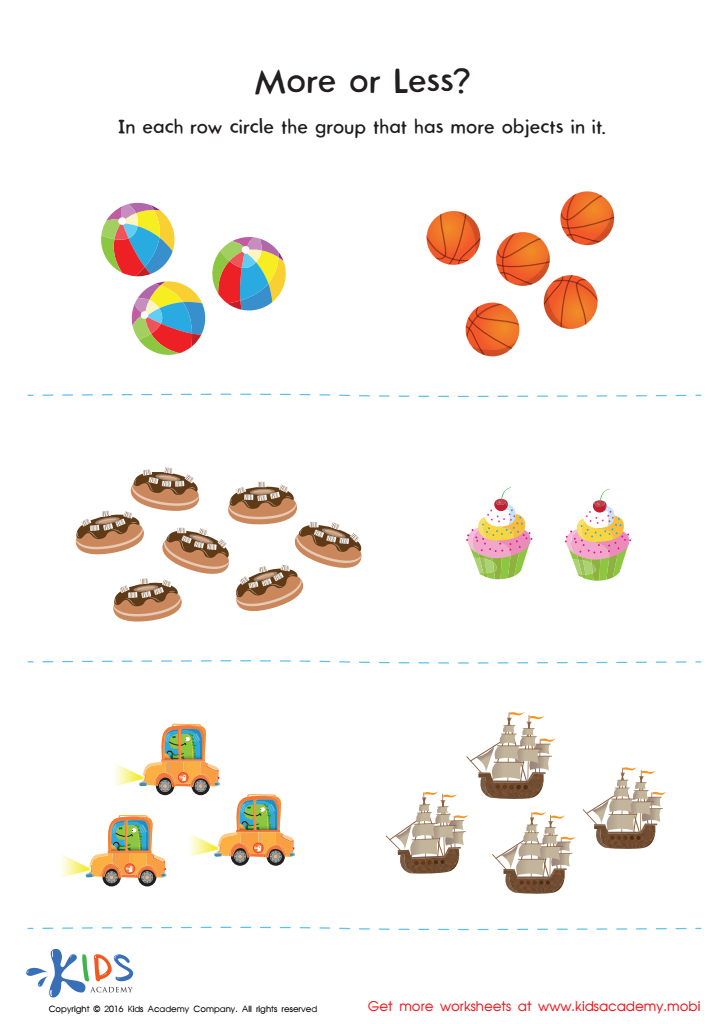
More or Less Size Worksheet
Worksheet
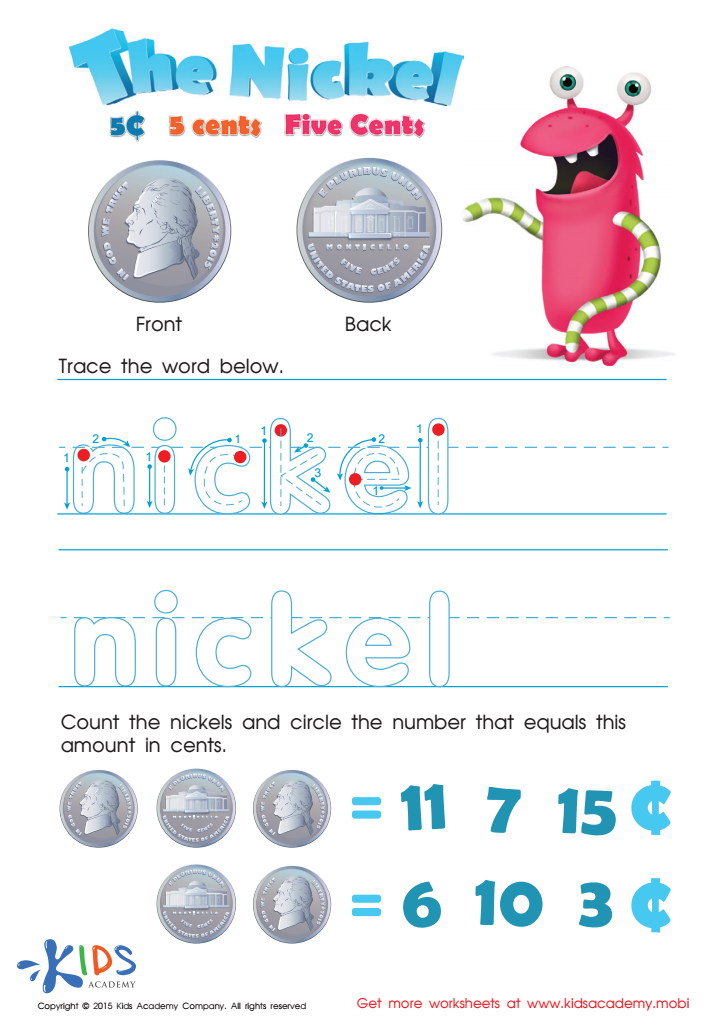
Five Cents or the Nickel Money Worksheet
Counting money games help kids make learning money fun and easy. Next up: the 5 cent coin, or nickel. Look at both sides and remember them. Then, trace the word "nickel" to help you remember. Finally, count the nickels and work out amounts in cents. Let's do this! Kids Academy helps make money learning easy and fun!
Five Cents or the Nickel Money Worksheet
Worksheet
Join Kids Academy for Free
Who is primarily going to use this learning content?







Understanding basic math concepts in Grade 2 is crucial for children’s academic and life skills development. At this stage, students are introduced to foundational topics such as addition, subtraction, place value, time, and simple measurement. Mastery of these concepts enables children not only to perform arithmetic operations but also to develop critical thinking and problem-solving skills.
For parents and teachers, fostering a strong math foundation can significantly influence a child’s confidence and interest in learning. Early math skills are often correlated with later academic success, including a child’s ability to tackle more complex math concepts in upper grades. When parents engage with their children in math activities—such as counting objects or measuring ingredients for recipes—the learning process becomes interactive and enjoyable.
Moreover, basic math skills extend beyond the classroom. They are essential for everyday tasks like budgeting, cooking, and even time management. By emphasizing the importance of these concepts, parents and teachers help instill a sense of responsibility and independence in students. Encouraging a positive attitude toward math, by celebrating small achievements and guiding through challenges, prepares them not just for exams but for practical life applications, setting a strong foundation for future learning and personal growth.