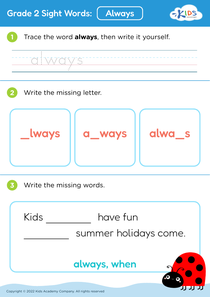
Handwriting practice Grade 2 Worksheets - Page 3
52 filtered results
-
From - To
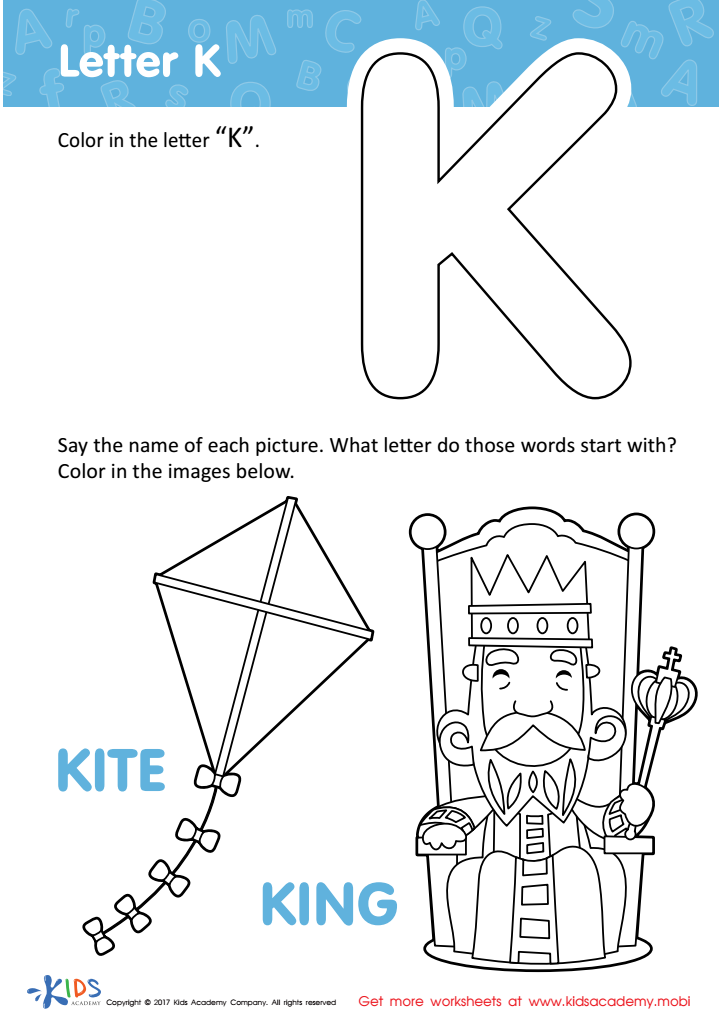
Letter K Coloring Sheet
 Assign to My Students
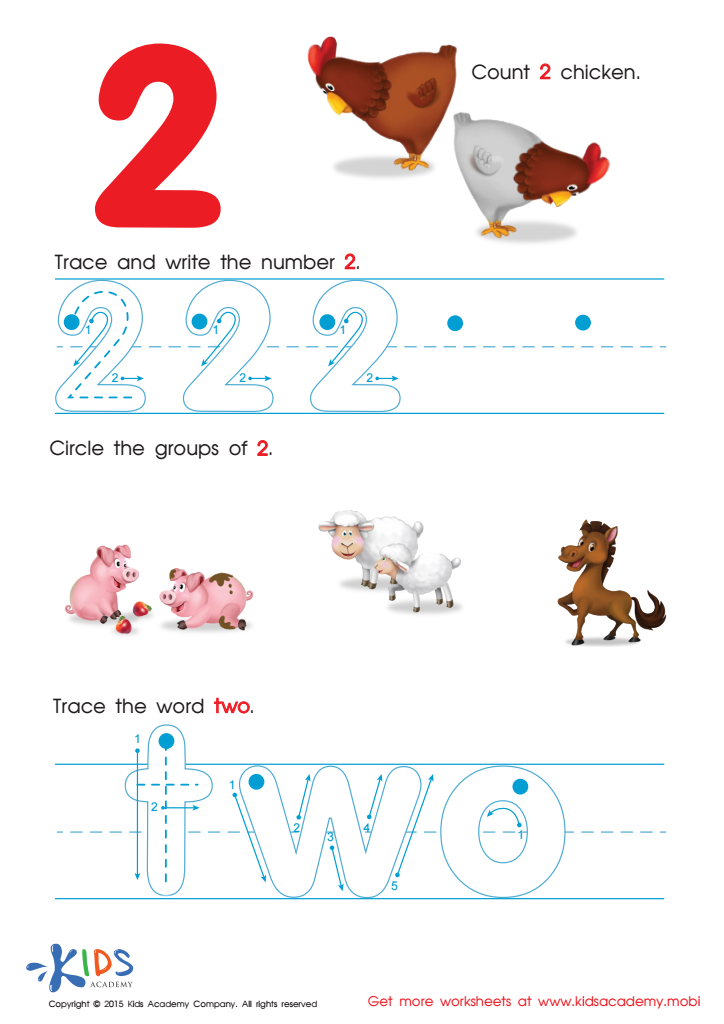
Learn to Write the Number 2 Worksheet
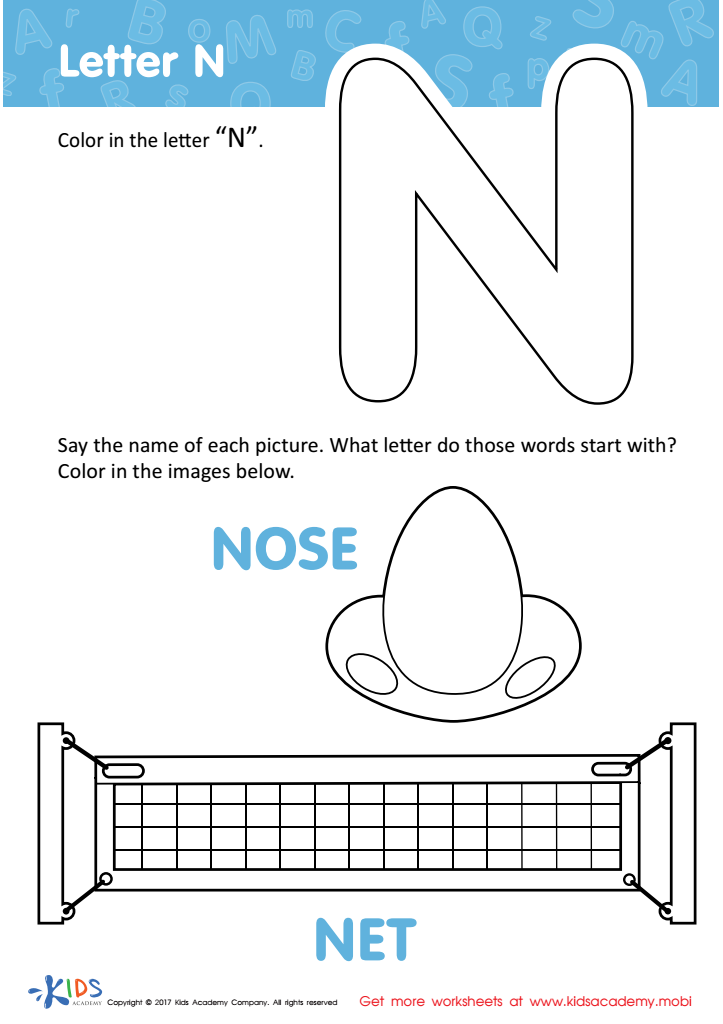
Letter N Coloring Sheet
Assign to My Students







Handwriting practice in Grade 2 is crucial for developing essential skills that support a child's overall academic life. At this age, children are transitioning from learning to write towards using writing as a tool for communication and expression. Effective handwriting lays a strong foundation for clarity of thought and how children can convey their ideas on paper.
Additionally, neat handwriting enhances a child's confidence and willingness to engage in written assignments. As they encounter more complex writing tasks such as creative stories and reports, having proficient handwriting makes it easier for teachers to decipher their work, which positively impacts grades and feedback.
Fine motor skills are also honed through handwriting practice, which can improve a child’s ability in other areas, such as art or using technology. Furthermore, developing good handwriting habits early can reduce frustration later on, especially as academic demands increase in subsequent grades.
Lastly, emphasizing handwriting not only supports cognitive development but also promotes patience and discipline. By prioritizing handwriting practice in Grade 2, parents and teachers equip children with vital tools for learning, communication, and self-expression, fostering a lifelong appreciation for writing in all its forms.