Observational skills Grade 2 Worksheets
4 filtered results
Difficulty Level
Grade
Age
-
From - To
Subject
Activity
Standards
Boost your child's critical thinking with our Grade 2 Observational Skills Worksheets. Curated by education experts, these engaging worksheets help young learners sharpen their attention to detail through fun activities. Children will explore patterns, spot differences, and enhance their ability to notice subtle changes and details. Perfect for fostering important skills such as concentration, visual analysis, and memory, these worksheets are ideal for classroom and home use. Encourage your second grader's growth with our printable resources designed to make learning exciting and impactful. Start your child's journey toward improved observational skills today!
Favorites
With answer key
Interactive
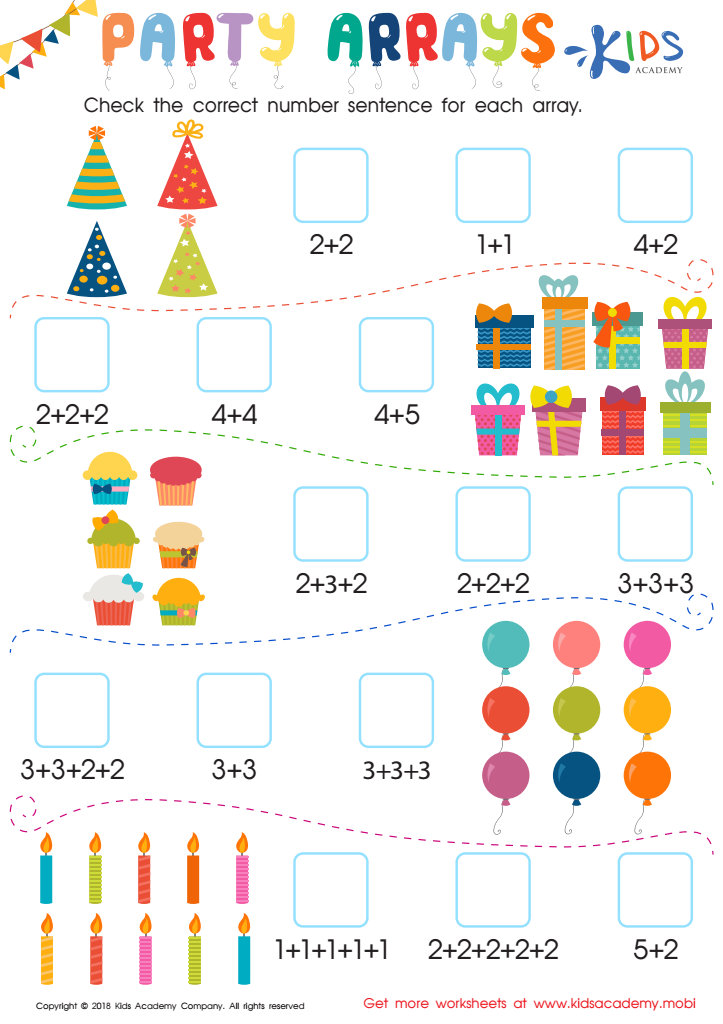
Party Arrays Worksheet
Help your child count the objects in each of the five arrays, then check the correct number sentence for each. This exercise will test their math skills and understanding of number sentences. Guide them to select the appropriate boxes.
 Assign to My Students
Party Arrays Worksheet
Worksheet
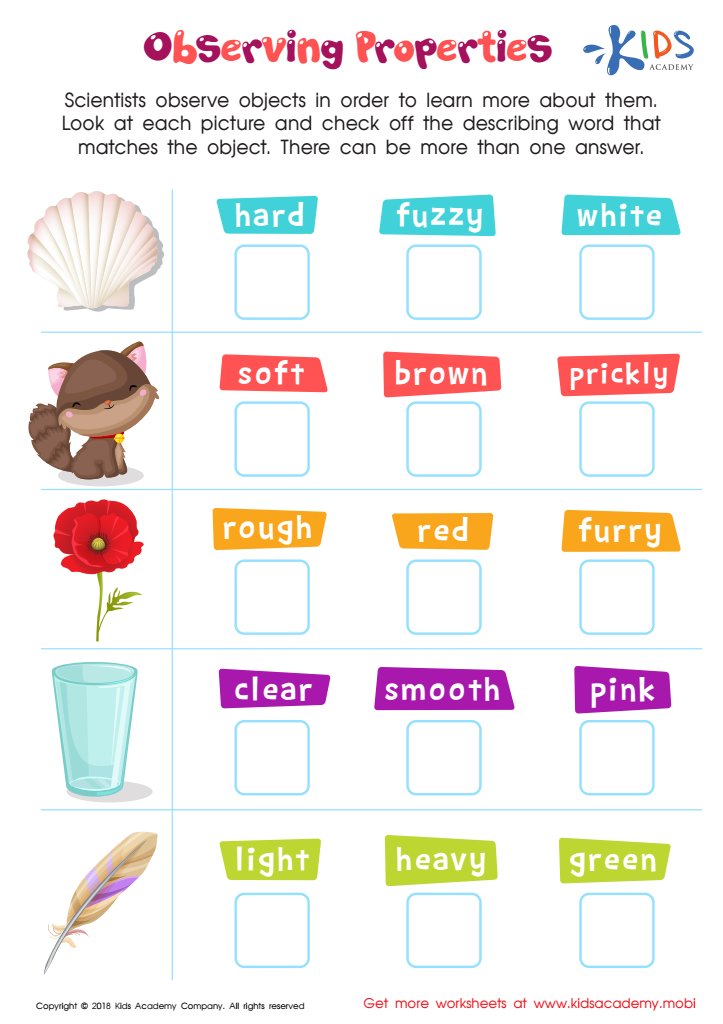
Observing Properties Worksheet
Encourage your kid's interest in science with this fun worksheet! Let them identify the five objects on the left, then choose the most accurate word from the options on the right. There might be more than one answer, so remind them to take their time observing the objects.
Observing Properties Worksheet
Worksheet
Join Kids Academy for Free
Who is primarily going to use this learning content?




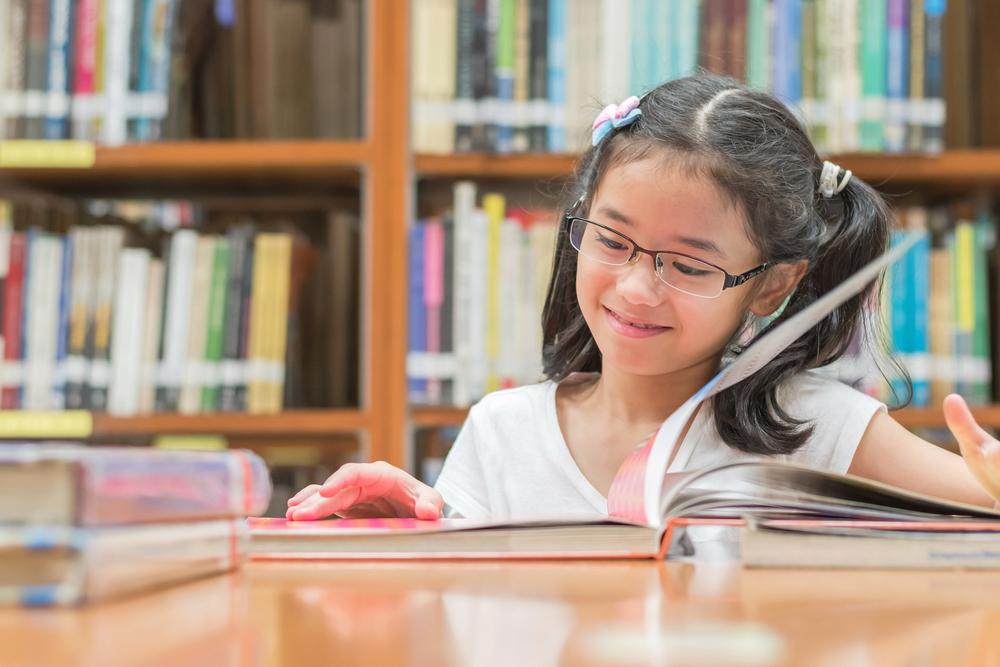



Observational skills are crucial for second graders because they are foundational to a child's overall learning and development. Parents and teachers should prioritize these skills as they enhance a child’s ability to understand and interact with the world around them. At this age, children are naturally curious and are forming patterns in thinking that will aid their cognitive development. Observational skills help in areas like science, where noticing details about plants, weather, and animal behavior can foster a deeper understanding of natural phenomena.
In literacy, observational skills improve comprehension and vocabulary, as children learn to pay attention to contextual clues and details in stories, enhancing their ability to infer and predict. Math also benefits from strong observational skills; recognizing patterns, shapes, and numerical relationships can make grasping abstract concepts more straightforward.
Furthermore, observational skills are key to developing empathy and social awareness. By observing facial expressions, body language, and social cues, children learn to interpret the feelings and needs of others, which is essential for building healthy interpersonal relationships. In essence, nurturing observational skills equips children with the tools to process information critically and empathetically, fostering their intellectual and emotional growth. Hence, parents and teachers play a pivotal role in encouraging these skills through engaging activities, discussions, and real-world explorations.