Practice counting Grade 2 Worksheets
6 filtered results
-
From - To
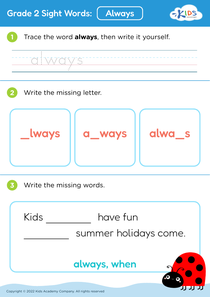
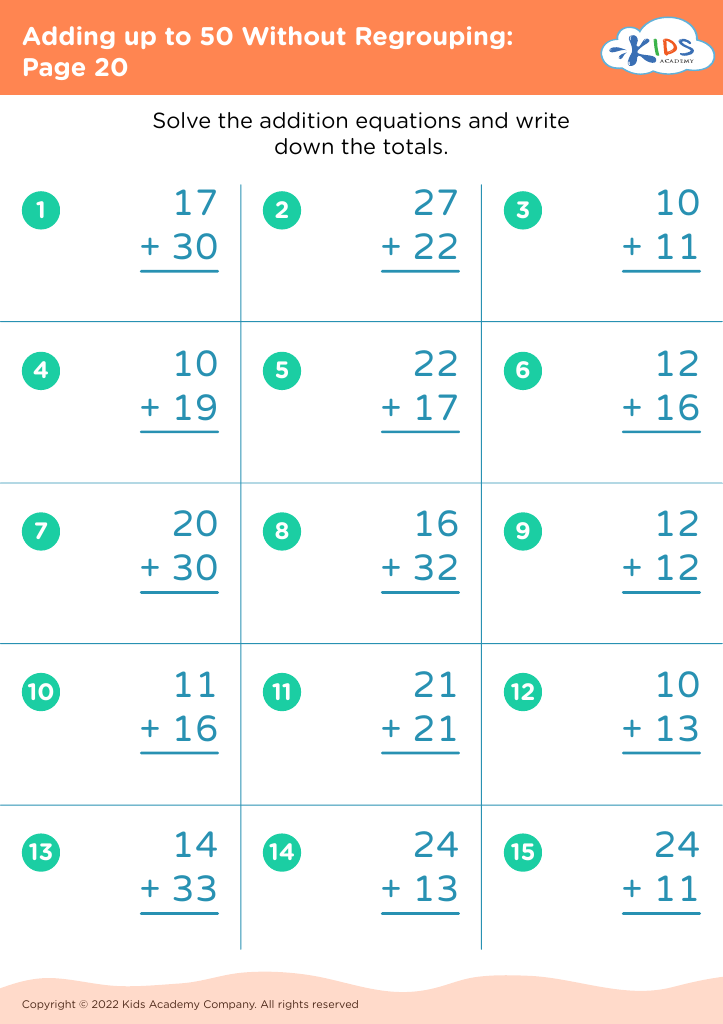
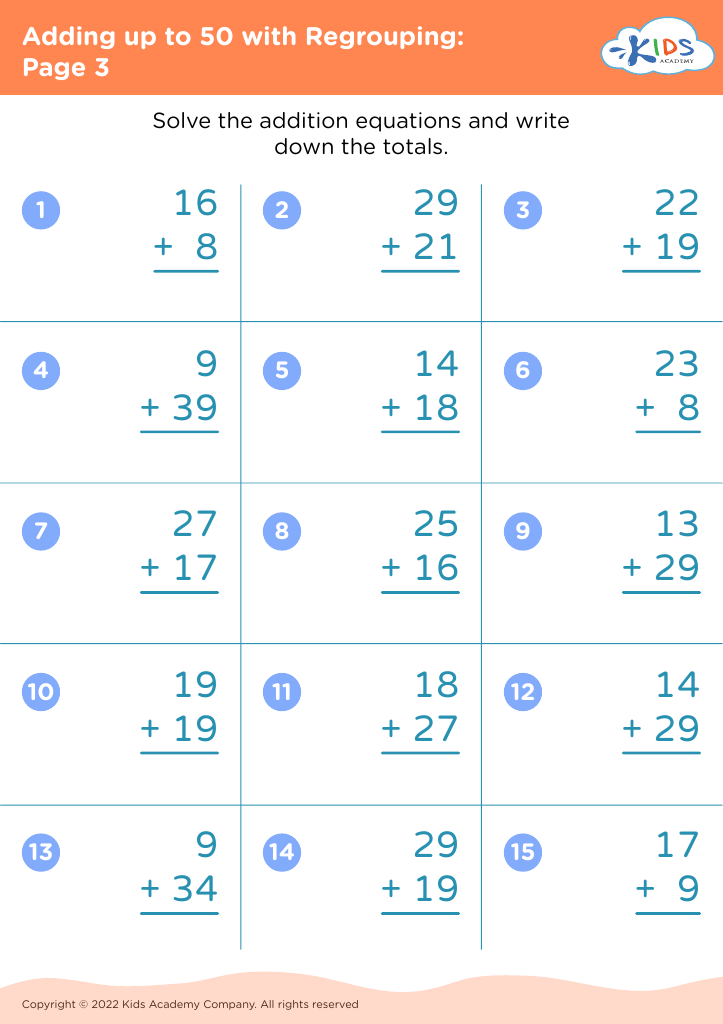
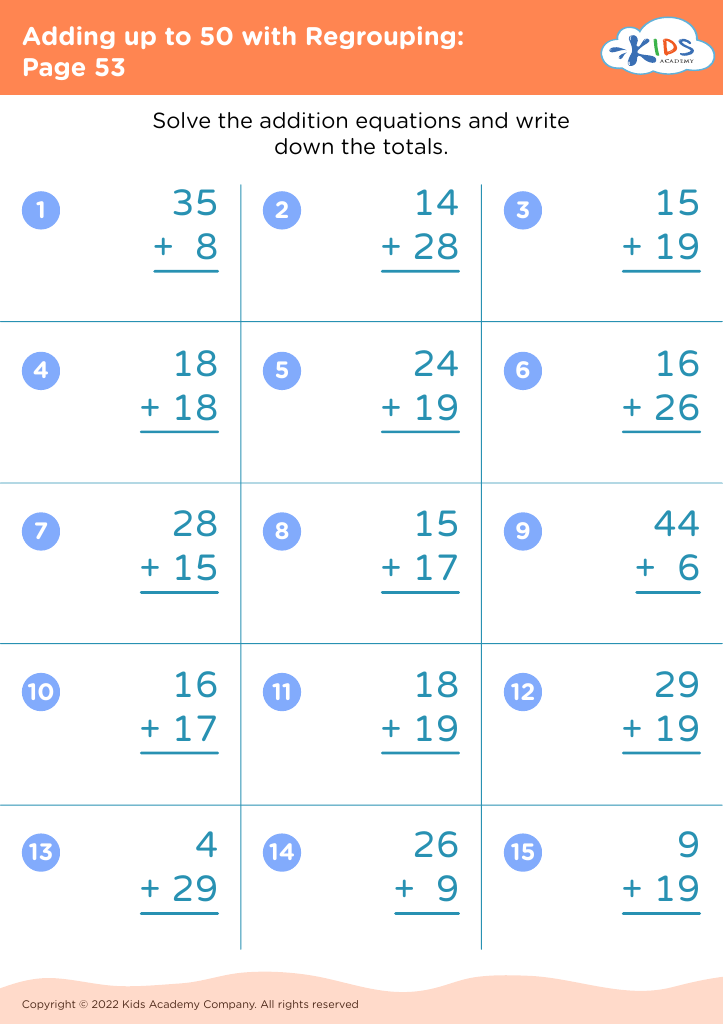
Welcome to our engaging "Practice Counting Grade 2 Worksheets" page! Designed specifically for second graders, these worksheets provide a fun and interactive way to enhance counting skills and number recognition. Featuring vibrant illustrations and diverse exercises, students will practice counting objects, mastering numbers, and strengthening their math foundations. Our printable materials cater to various learning styles and can be easily integrated into classrooms or home learning environments. As your child navigates through these worksheets, they will gain confidence and proficiency in math while enjoying the process. Explore our collection and watch your child thrive in their counting journey today!
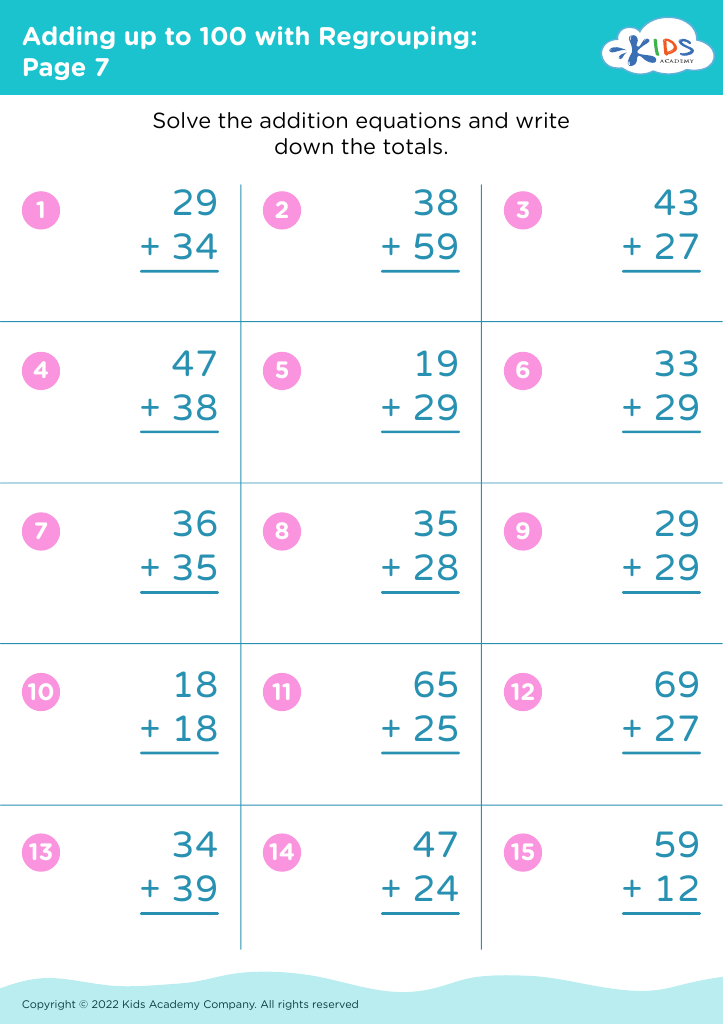
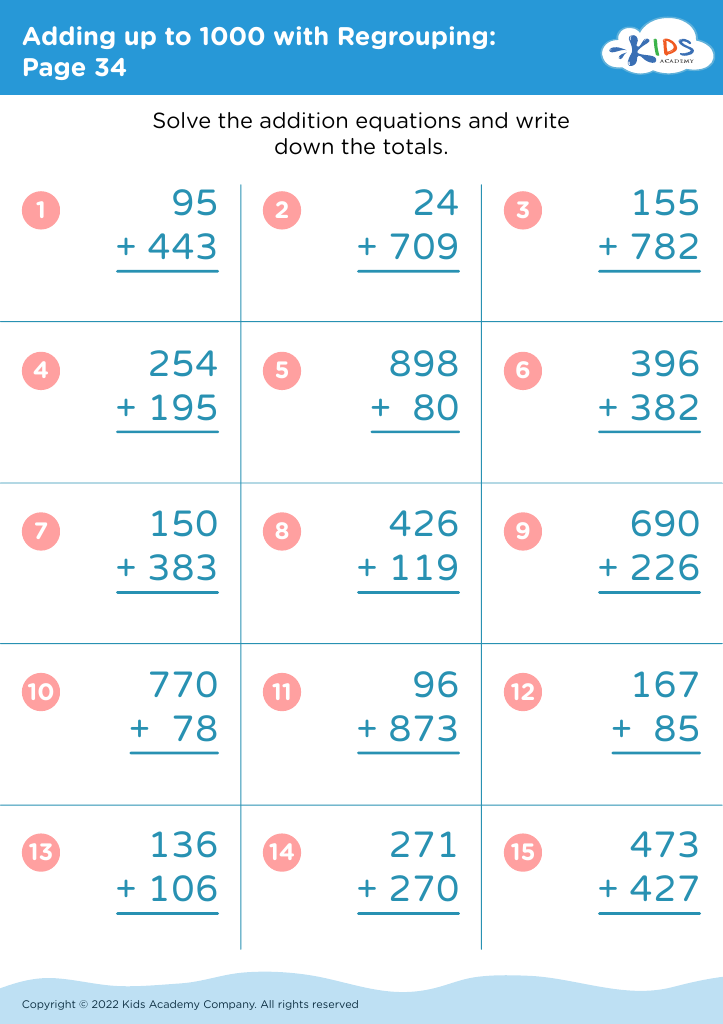
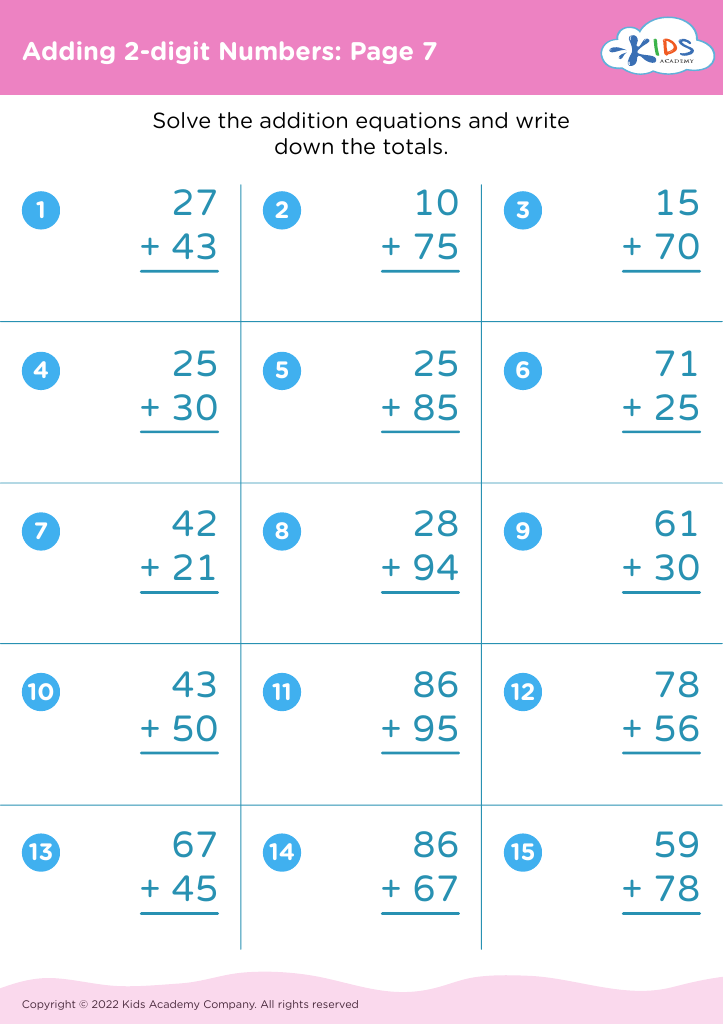








Parents and teachers should prioritize practice counting in Grade 2 because it serves as a crucial foundation for later mathematical skills. At this stage, children are transitioning from basic counting to more complex concepts, such as addition, subtraction, and understanding place value. Regular counting practice helps strengthen their number sense, which is vital for future math success.
Moreover, counting activities foster critical thinking and problem-solving abilities, allowing children to explore patterns and relationships between numbers. Engaging children in counting games can make learning enjoyable and interactive, leading to increased motivation and confidence in their abilities.
Beyond mathematics, counting practice enhances cognitive skills, such as memory and attention. It also supports language development as children learn to verbalize numbers and sequences. Additionally, embedding counting in everyday activities – such as counting objects, steps, or snacks – integrates learning into real-world contexts, making it more meaningful.
By emphasizing practice counting, parents and teachers also send a positive message about the importance of early numeracy, contributing to a child's overall academic growth and a positive attitude towards learning. Ultimately, strong counting skills lay the groundwork for a child's lifelong ability to engage with mathematics in their daily lives and future education.