Understand sequences Grade 2 Worksheets
5 filtered results
Difficulty Level
Grade
Age
-
From - To
Subject
Activity
Standards
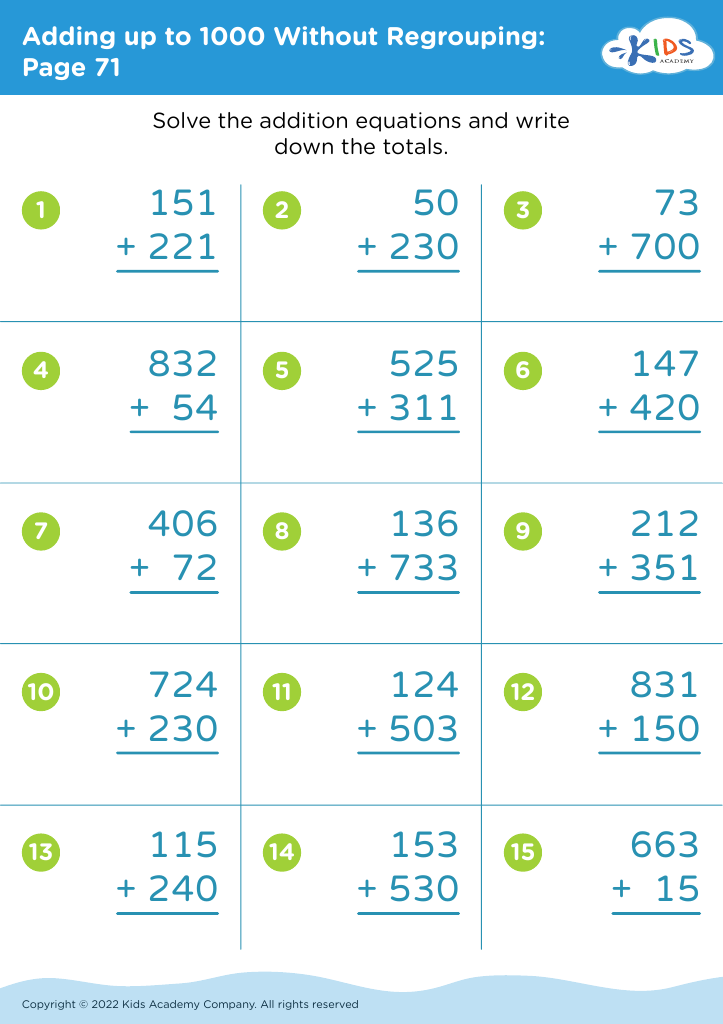
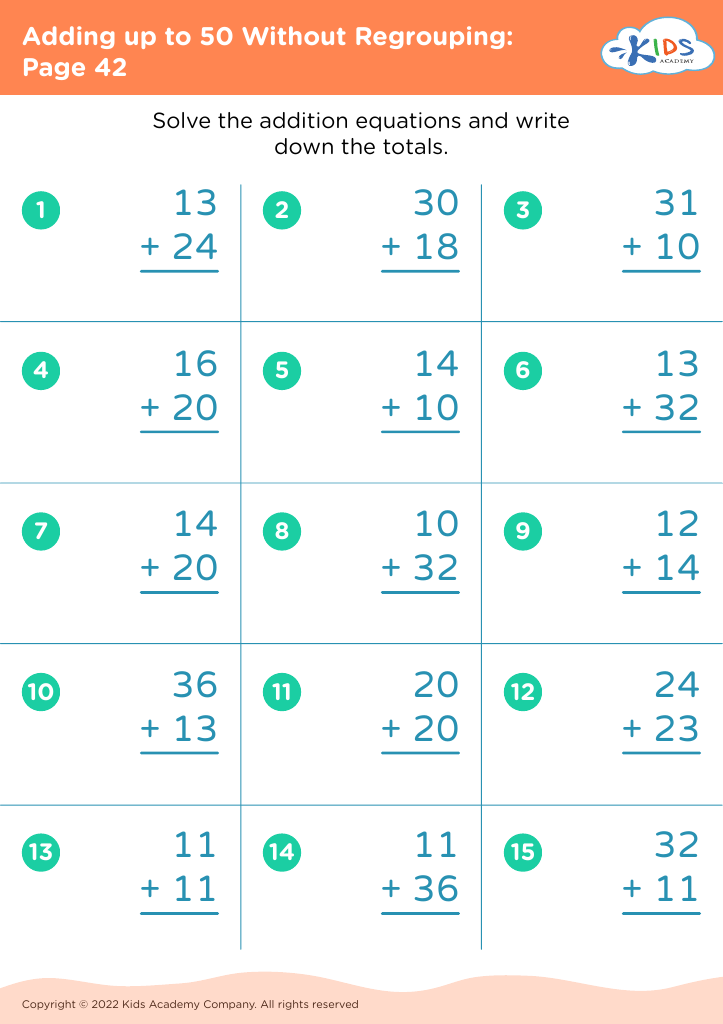
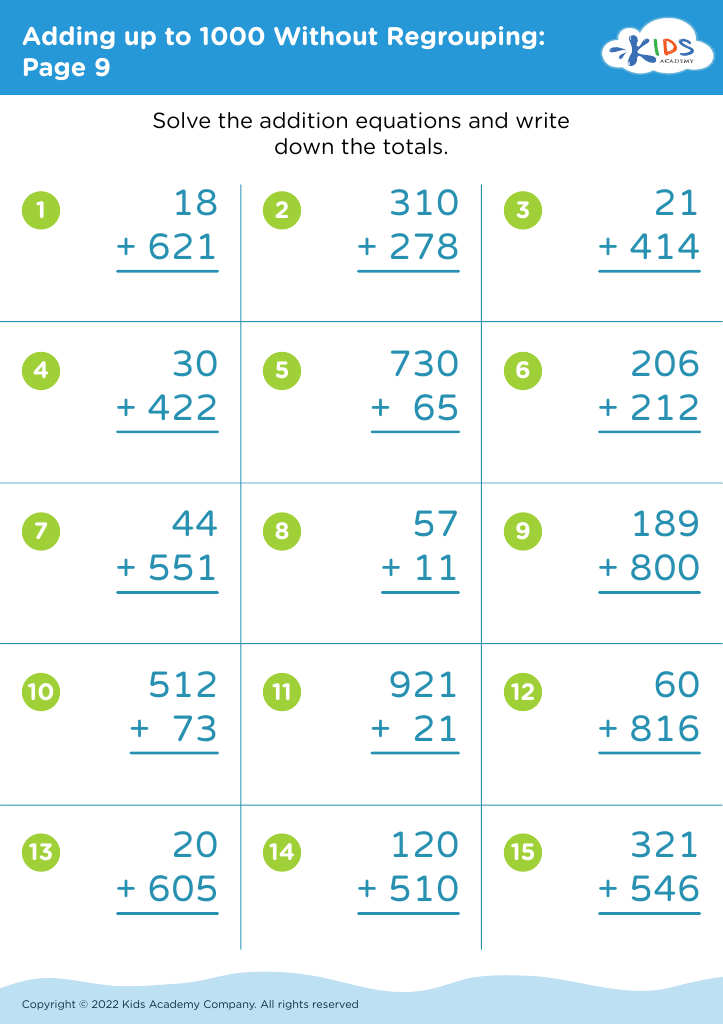
Explore our engaging "Understand Sequences Grade 2 Worksheets" designed to enhance your child's sequencing skills! These interactive and visually appealing resources encourage students to practice identifying the order of events, objects, or actions. Tailored for second graders, our worksheets include a variety of exercises, such as cutting out images and arranging them in the correct sequence, as well as answering questions about story sequences. Perfect for classroom activities or home practice, these worksheets help reinforce critical thinking, comprehension, and chronological ordering. Boost your child's confidence in understanding sequences and watch them excel in their learning journey! Download and start learning today!
Favorites
With answer key
Interactive
Join Kids Academy for Free
Who is primarily going to use this learning content?




Understanding sequences is crucial for Grade 2 students as it lays the foundation for essential skills in both mathematics and daily life. At this stage, students begin to recognize patterns in numbers, shapes, and events, which enhances their critical thinking and problem-solving abilities. Mastery of sequences not only aids in arithmetic operations like addition and subtraction but also fosters logical reasoning, as children learn to predict outcomes and comprehend the relationship between numbers.
Moreover, grasping sequences helps children develop important skills in reading and language. Recognizing the order of events in a story or understanding cause and effect in everyday situations is closely tied to sequence comprehension. This ability translates into better comprehension and retention of information, critical for academic success.
For parents and teachers, nurturing a child’s understanding of sequences can create strong, supportive learning environments, making abstract concepts more tangible and relatable. Incorporating fun activities like patterns in art, sequencing games in math, or even everyday tasks like cooking brings relevance to learning. Ultimately, caring about sequences in Grade 2 education equips children with essential cognitive tools they’ll need throughout their academic journeys and eventful lives beyond the classroom.