Understanding place value Grade 2 Worksheets
7 filtered results
-
From - To
Introduce your 2nd graders to the essential concept of place value with our engaging worksheets. Understanding place value is crucial for building strong mathematical foundations. These carefully designed, fun worksheets help students recognize the value of digits based on their position in numbers, making math both enjoyable and educational. They cover a variety of exercises, including identifying place values, comparing numbers, and expanding forms. Ideal for both classroom activities and homework, our worksheets align with core math standards and support visual and critical thinking skills. Give your children the tools they need to succeed with these comprehensive learning resources.
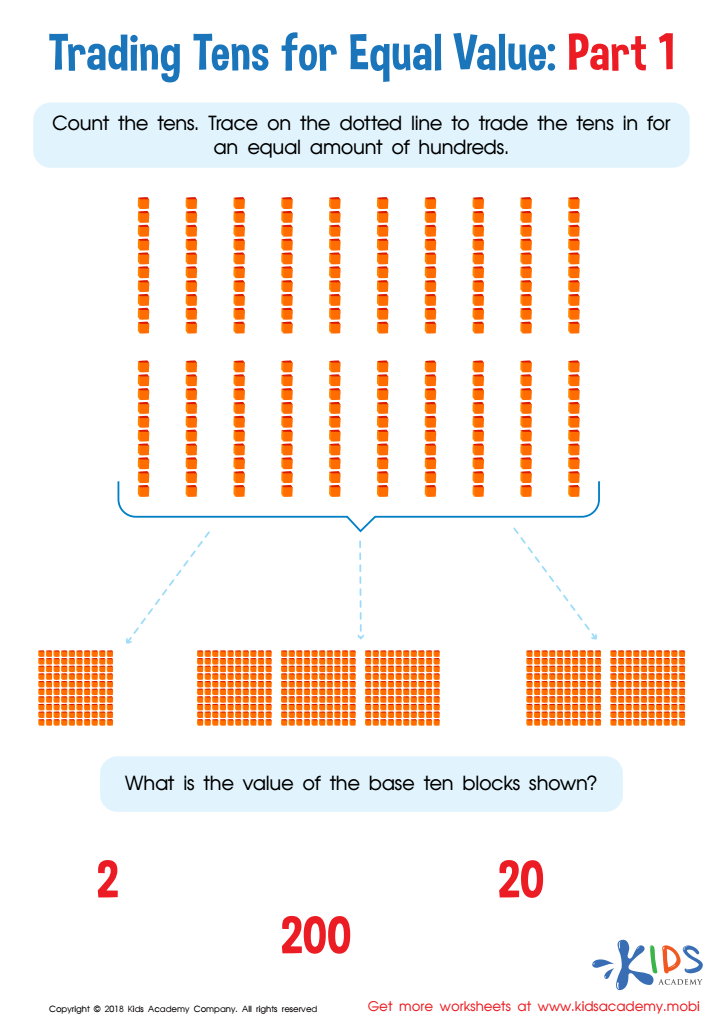
Trading Tens for Equal Value Worksheet: Part 1
 Assign to My Students
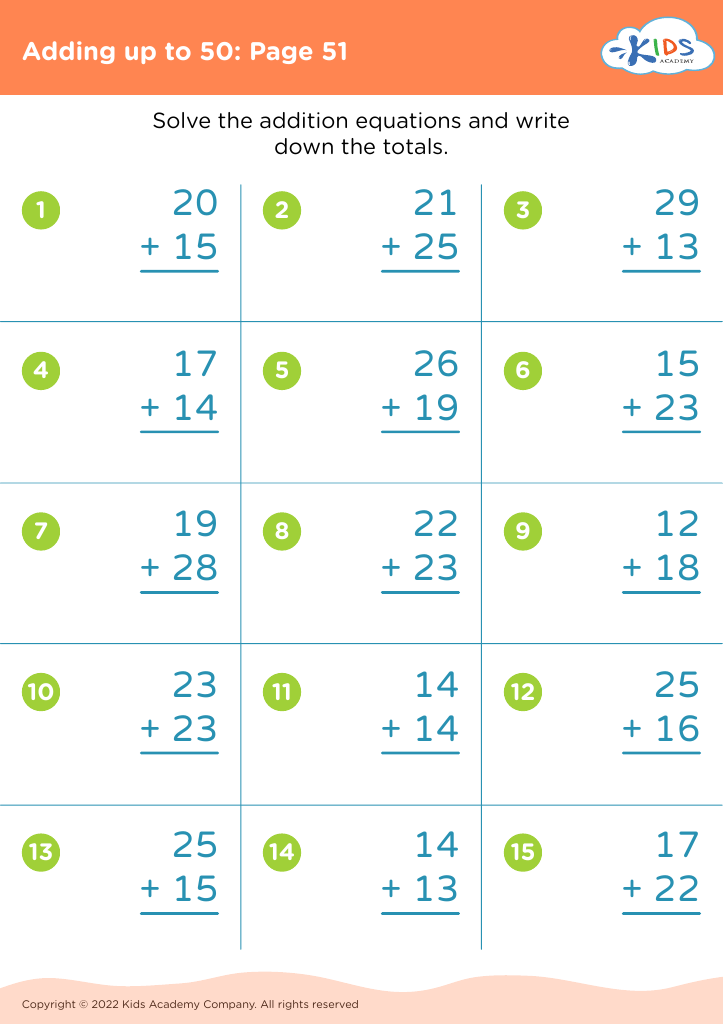
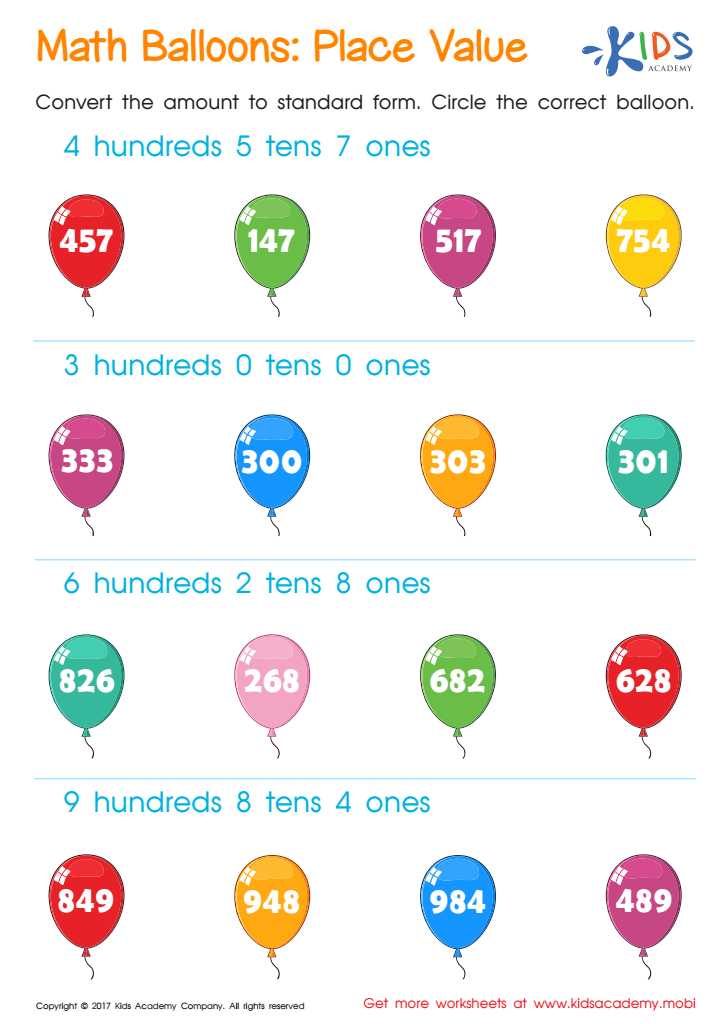
Place Value Printable Worksheet
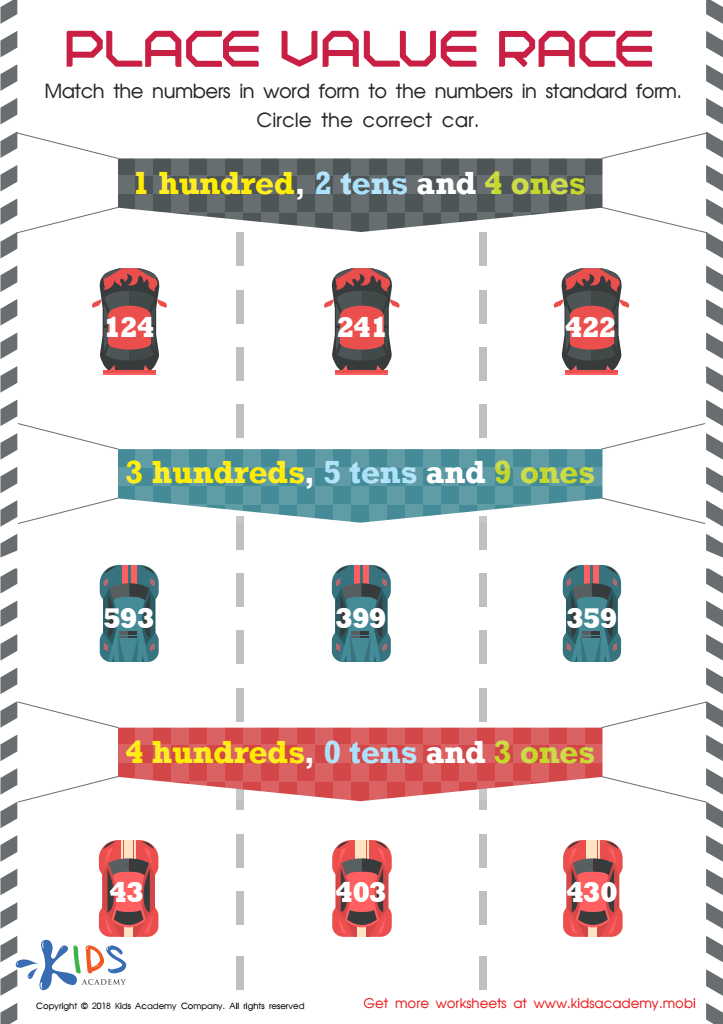
Place Value Race Worksheet
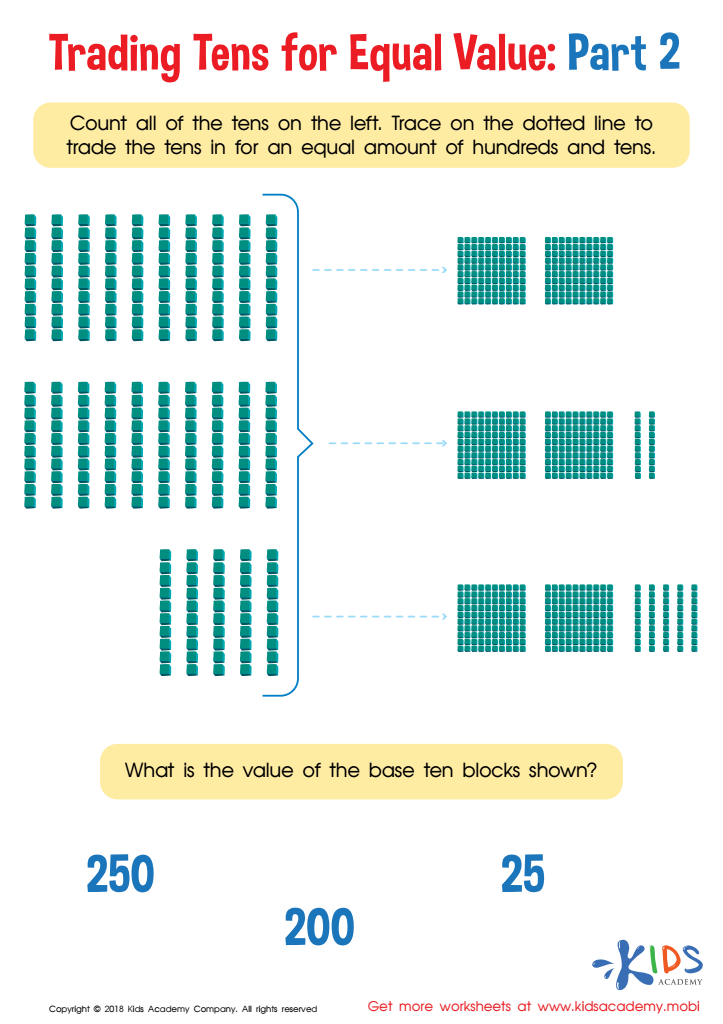
Trading Tens for Equal Value Worksheet: Part 2
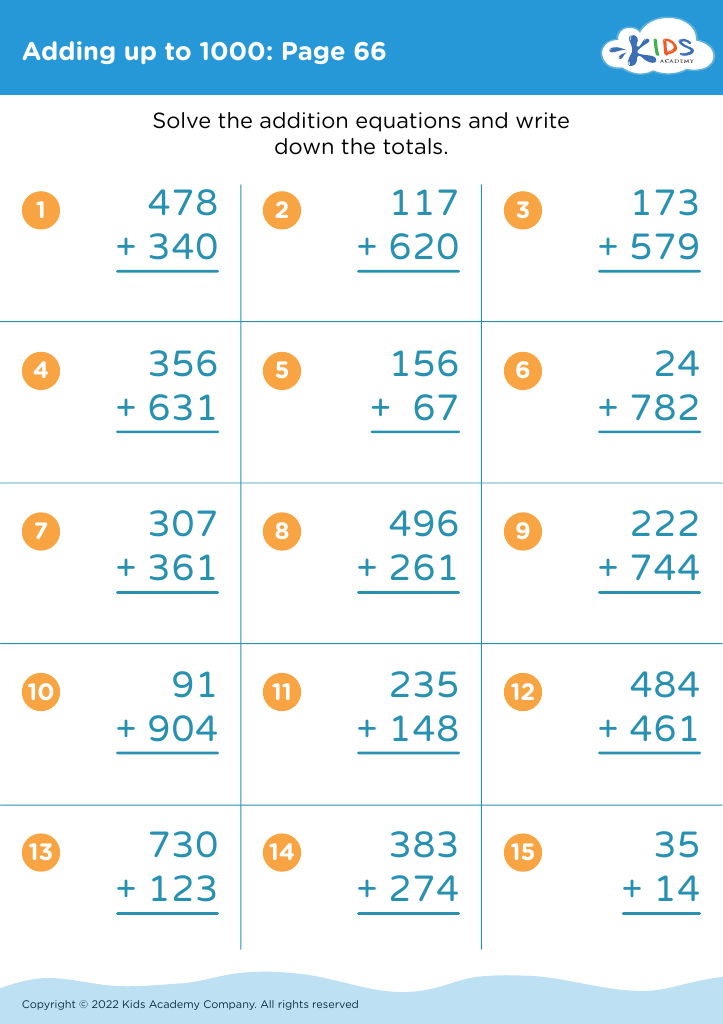







Understanding place value is fundamental to a child's mathematical development, especially by Grade 2. Place value is the concept that the position of a digit in a number determines its value. Grasping this concept allows children to comprehend numbers beyond mere counting, opening the door to more complex arithmetic operations such as addition, subtraction, multiplication, and division.
For parents and teachers, place value comprehension is critical because it lays the groundwork for all future math learning. When children understand that in the number 123, the '1' represents one hundred, the '2' represents twenty, and the '3' represents three, they begin to see numbers as more than a sequence of digits. This foundational knowledge supports their ability to perform multi-digit arithmetic, compare numbers, and understand the magnitude of numbers.
Additionally, place value aids in problem-solving and logical thinking, skills essential for academic success beyond math. Students' comfort and proficiency with place value can lead to greater confidence and enthusiasm for math, reducing math anxiety.
Incorporating place value understanding from an early age equips students with critical numeric literacy, making it easier for them to tackle advanced math concepts later in their education. Thus, parents and teachers play a crucial role in fostering mathematical confidence and competence through place value instruction.