Understanding Sequences Grade 2 Worksheets
15 filtered results
-
From - To
Enhance your second graders' learning experience with our "Understanding Sequences Grade 2 Worksheets." Designed to develop early sequencing skills, these engaging worksheets help students grasp the concept of order in stories and events. Through fun activities, kids will learn to identify the sequence of actions, enhancing their comprehension and logical thinking abilities. Our worksheets incorporate colorful visuals and relatable scenarios, making learning enjoyable and effective. Perfect for classroom use or at-home practice, these resources empower young learners to sequence events confidently. Unlock your child's potential in understanding sequences today—explore our printable worksheets and watch their critical thinking flourish!
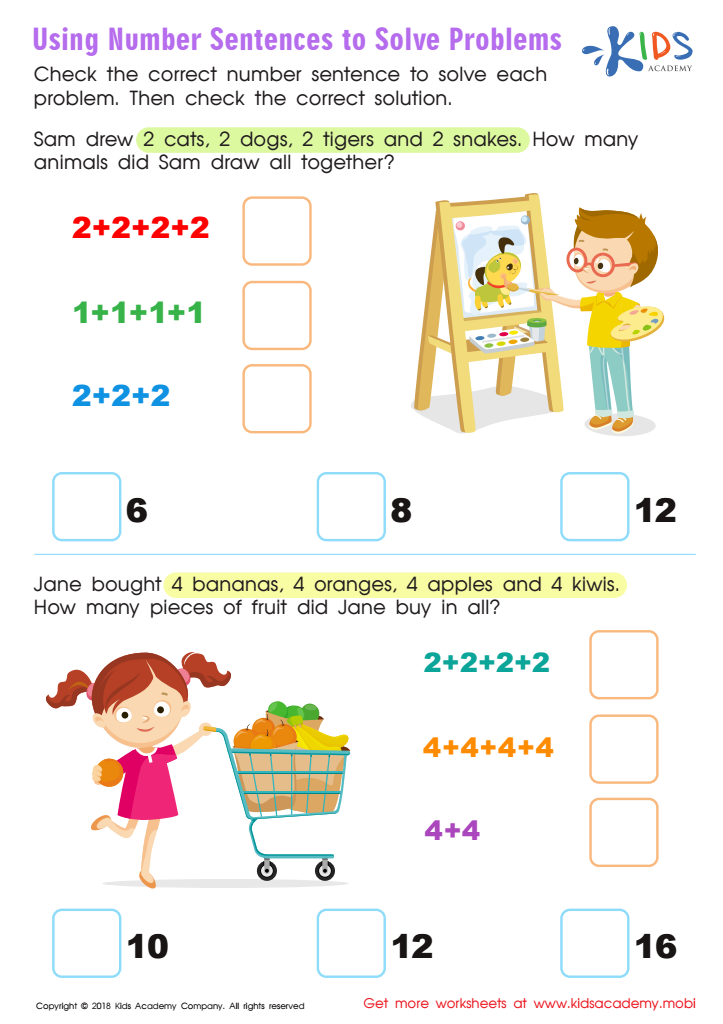
Using Number Sentences to Solve Problems Worksheet
 Assign to My Students
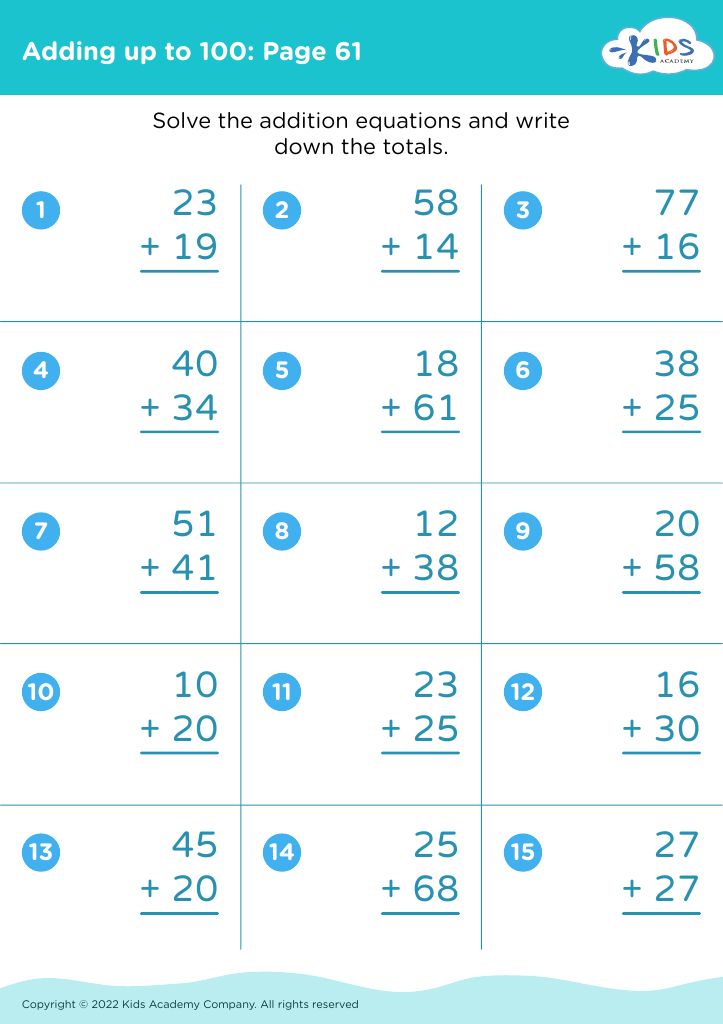
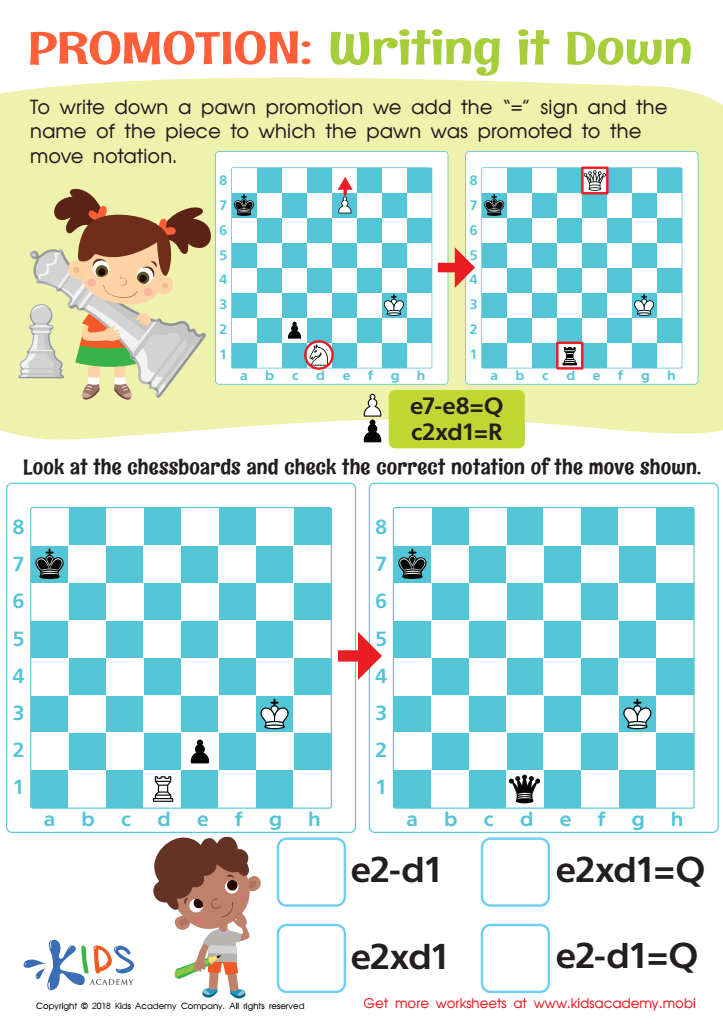
Writing it Down Worksheet
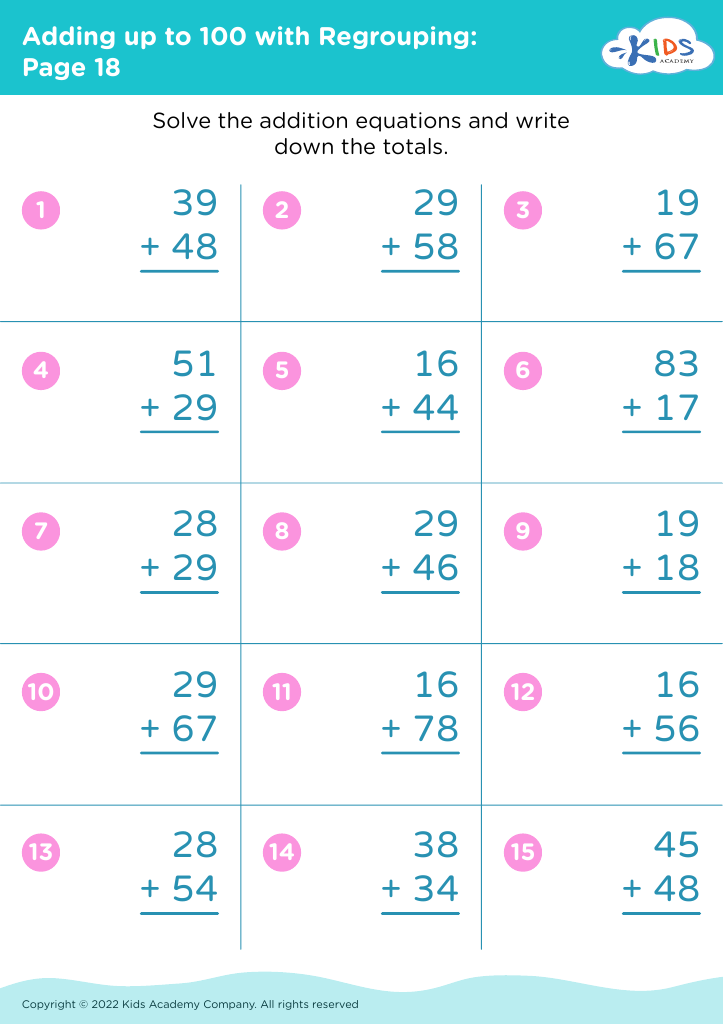






Understanding sequences is a crucial skill for Grade 2 students, and both parents and teachers should prioritize its teaching for several reasons. First, sequences form the foundation for mathematical thinking; they help children recognize patterns, which is essential for subjects such as arithmetic, algebra, and even geometry. By grasping the concept of sequences, students develop critical cognitive skills such as logical reasoning and problem-solving.
Moreover, understanding sequences enhances literacy and language abilities. For instance, when students learn about sequences in storytelling, they can better comprehend narrative structure and improve their ability to summarize and retell stories. This interlinking of skills supports overall academic success.
Additionally, recognizing patterns and sequences in everyday life, like days of the week, months, or stages in a recipe, fosters practical life skills. Engaging with sequences also encourages perseverance as students work through various examples and eventually master the concept.
Finally, emphasis on sequences can build confidence in students. When children succeed in this area, they’re more likely to feel empowered to tackle other challenging subjects as they progress in their education. Therefore, fostering a strong understanding of sequences at an early age is beneficial for lifelong learning.