Understanding sequencing Grade 2 Worksheets
8 filtered results
Difficulty Level
Grade
Age
-
From - To
Subject
Activity
Standards
Understanding sequencing is a crucial skill for second graders, aiding them in comprehending text, enhancing critical thinking, and organizing thoughts. Our engaging Grade 2 Worksheets focus on sequencing concepts through fun activities that make learning enjoyable. Students will have the opportunity to practice identifying the correct order of events, making predictions, and summarizing stories. These worksheets are designed to strengthen reading comprehension and writing skills by allowing kids to visualize the progression of information. Perfect for both classroom and home use, our materials are excellent resources to support your child’s learning journey and foster a love for reading!
Favorites
With answer key
Interactive
Join Kids Academy for Free
Who is primarily going to use this learning content?



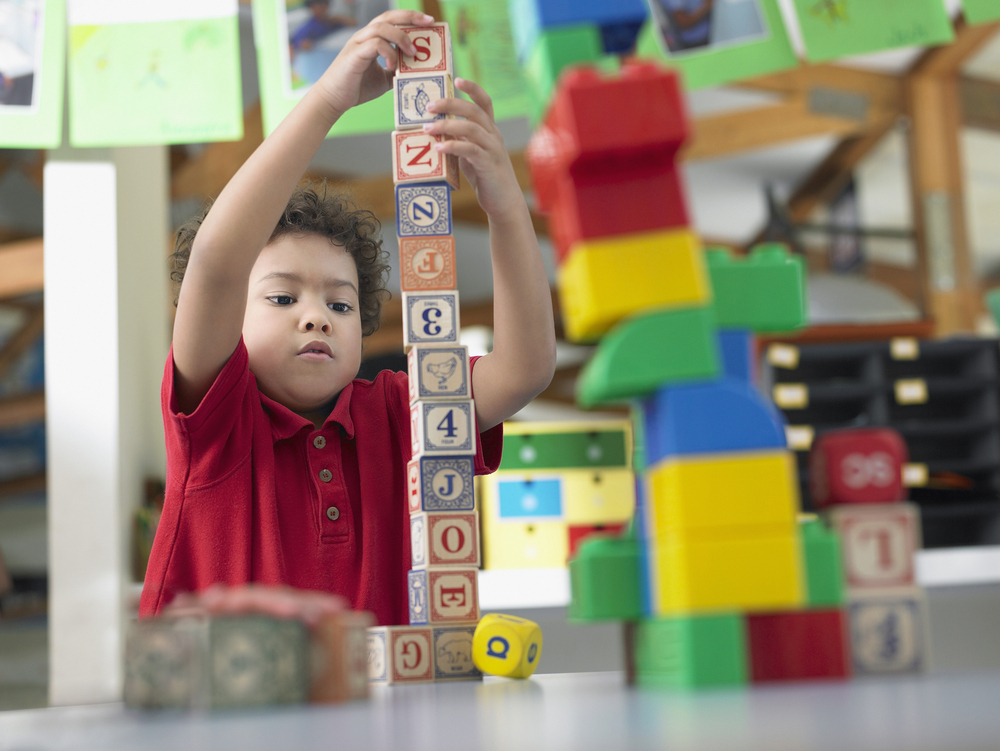

Understanding sequencing is crucial for second-grade students as it lays the groundwork for deeper comprehension skills across subjects. Sequencing helps children organize events, stories, and ideas in a logical order. When parents or teachers prioritize this skill, they empower children to grasp narratives and comprehend how actions and consequences relate to one another. For example, when a child can identify the first, next, and last steps in a story, it enhances their reading comprehension and critical thinking abilities.
In mathematics, sequencing is foundational for mastering concepts like patterns and operations. A student who can recognize sequences in numbers is better equipped to tackle addition and subtraction, as well as more complex problem-solving tasks later in their education.
Furthermore, sequencing encourages stronger oral and written communication. Children learn how to articulate their thoughts clearly, creating coherent stories or explanations, which is essential for their overall academic success. By creating a consistent focus on sequencing through daily activities, discussions, and play, parents and teachers can enrich their children’s learning experiences, foster curiosity, and instill a lifelong love for learning. Thus, understanding sequencing is not just a skill but a vital component of holistic development in young learners.