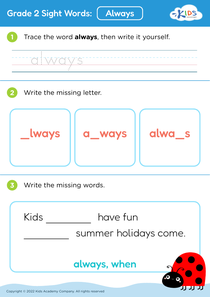
Visual discrimination skills Grade 2 Worksheets
3 filtered results
-
From - To
Enhance your second grader's learning journey with our engaging Visual Discrimination Skills Grade 2 Worksheets! Designed to develop critical visual processing skills, these worksheets help young learners differentiate between similar objects, shapes, and patterns. With a variety of colorful and interactive activities, students will improve their attention to detail, boost observational skills, and reinforce foundational concepts in a fun way. Perfect for classrooms or homeschooling, these worksheets encourage independent problem-solving and promote early cognitive development. Dive into the world of visual learning today—download our worksheets and watch your child's confidence soar as they sharpen their visual discrimination abilities!
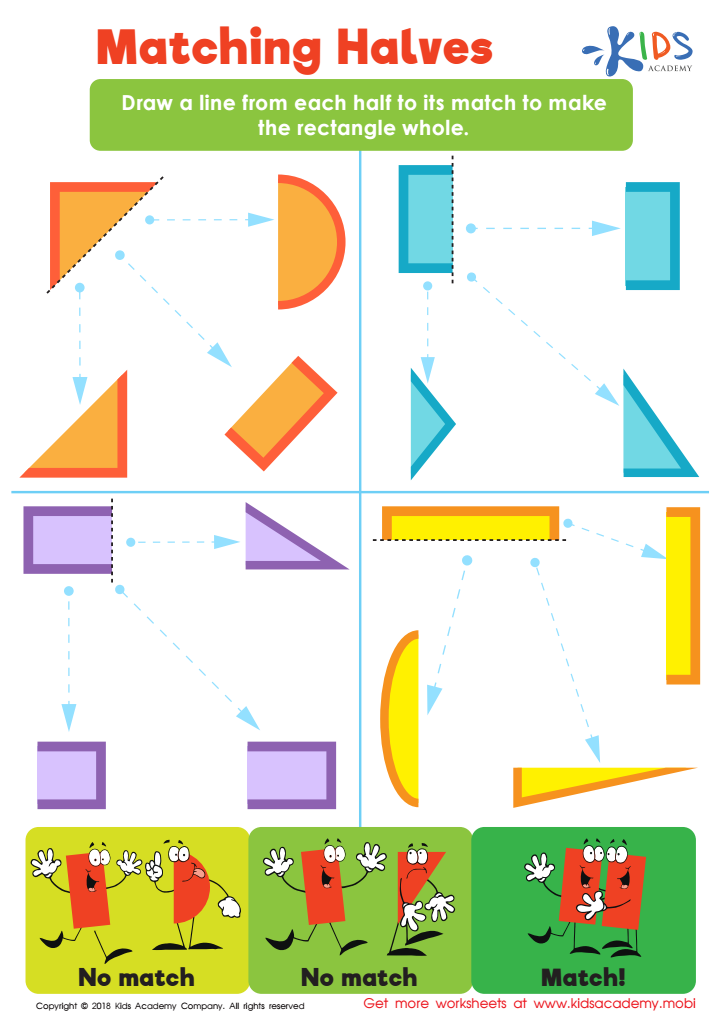
Matching Halves Worksheet
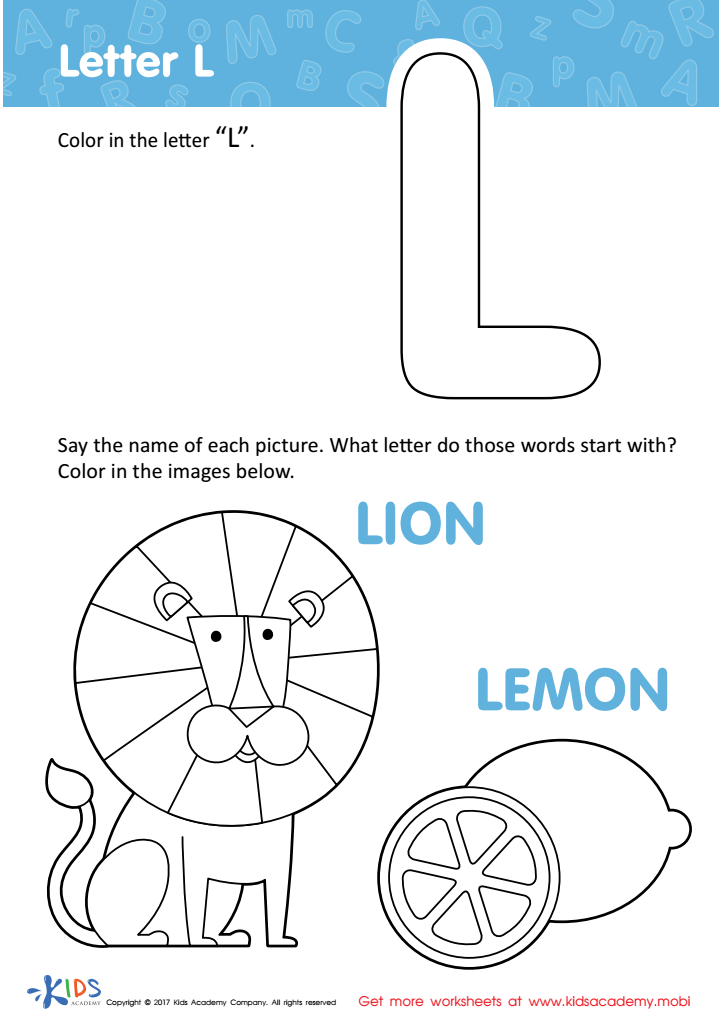
Letter L Coloring Sheet
 Assign to My Students
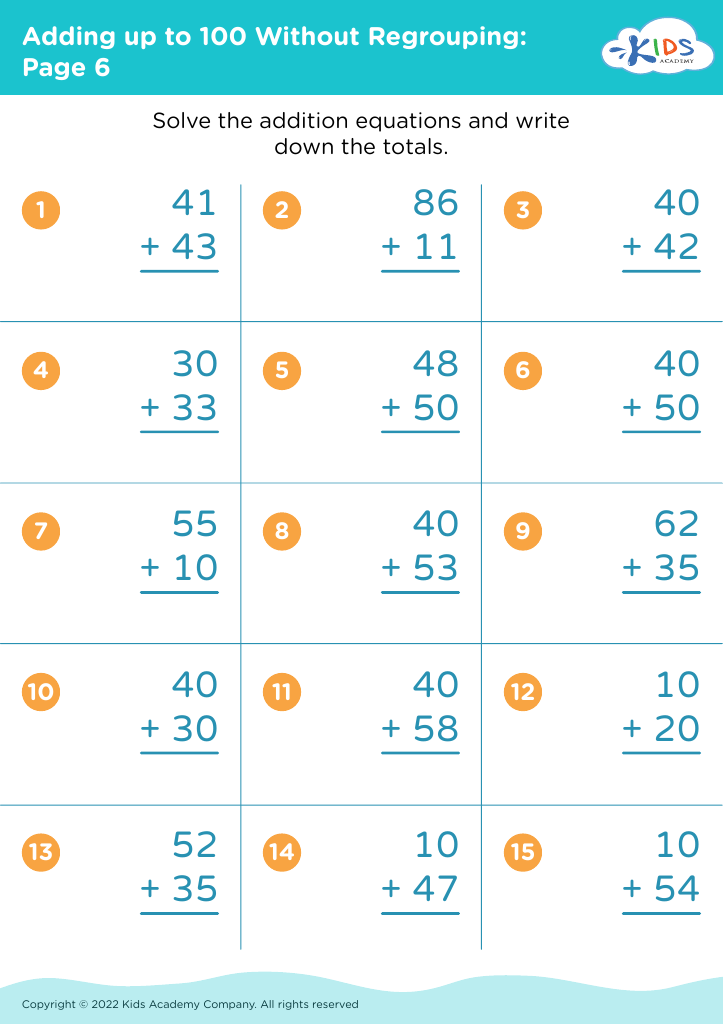






Visual discrimination skills are vital for Grade 2 students as they form the foundation for successful learning and development. These skills enable children to accurately interpret and differentiate between shapes, letters, numbers, and patterns. This ability is essential for recognizing letters in reading, numbers in math, and understanding visual details in complex tasks.
Parents and teachers should care about visual discrimination because it plays a crucial role in a child's academic success. Strong visual discrimination skills aid in enhancing reading abilities; children can identify and differentiate between similar letters and words, preventing mispronunciations and misunderstandings. In math, it allows students to distinguish between different shapes and quantities, aiding in problem-solving. Additionally, these skills support overall cognitive development, promoting better spatial awareness and critical thinking.
Furthermore, visual discrimination can impact children's confidence and social-emotional growth. When children struggle to distinguish visual information, they may feel frustrated and withdrawn. By nurturing these skills, parents and teachers can foster a more inclusive learning environment, enabling all children to thrive academically and socially. Focusing on visual discrimination ultimately contributes to well-rounded, empowered learners who are better prepared for future educational challenges.