Comparing Fractions Grade 2 Addition & Subtraction Worksheets - Page 3
83 filtered results
-
From - To
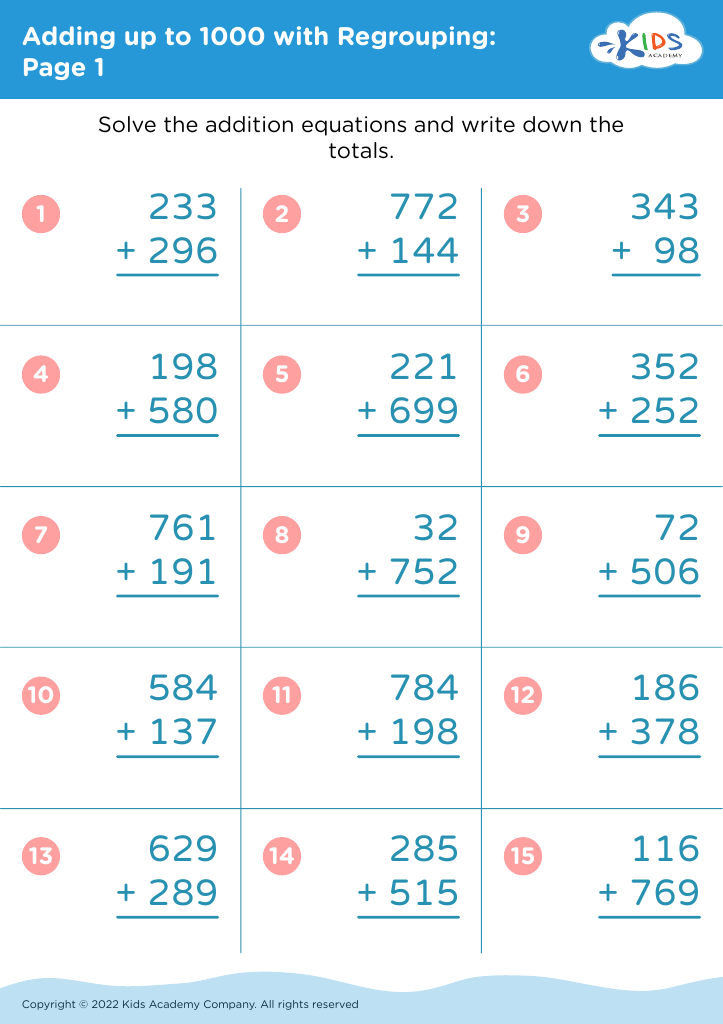
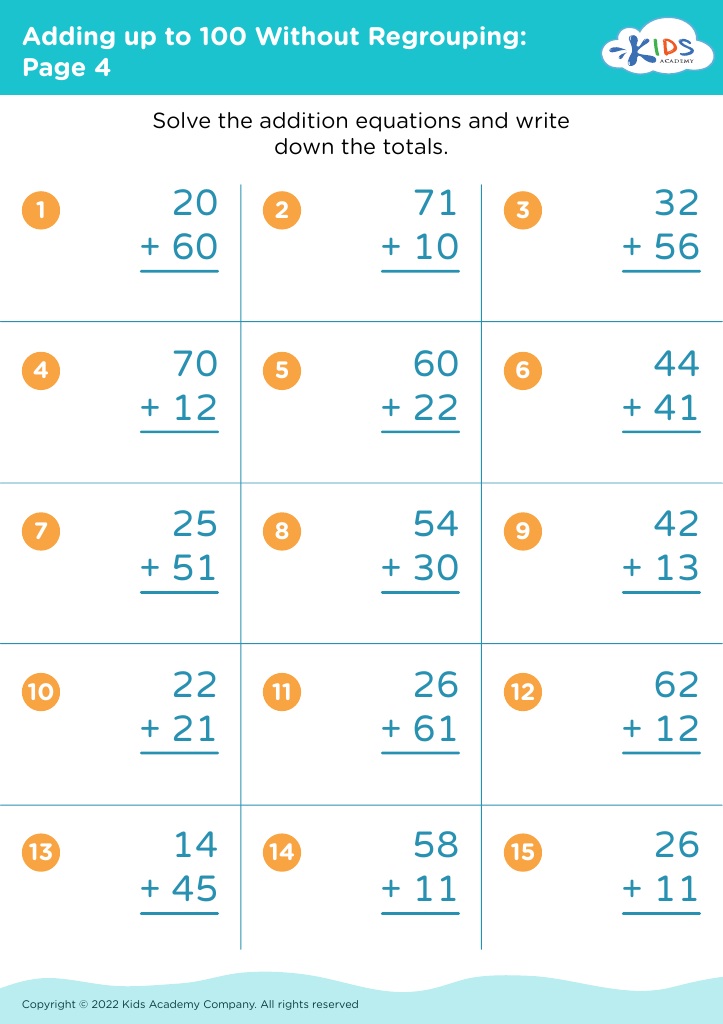
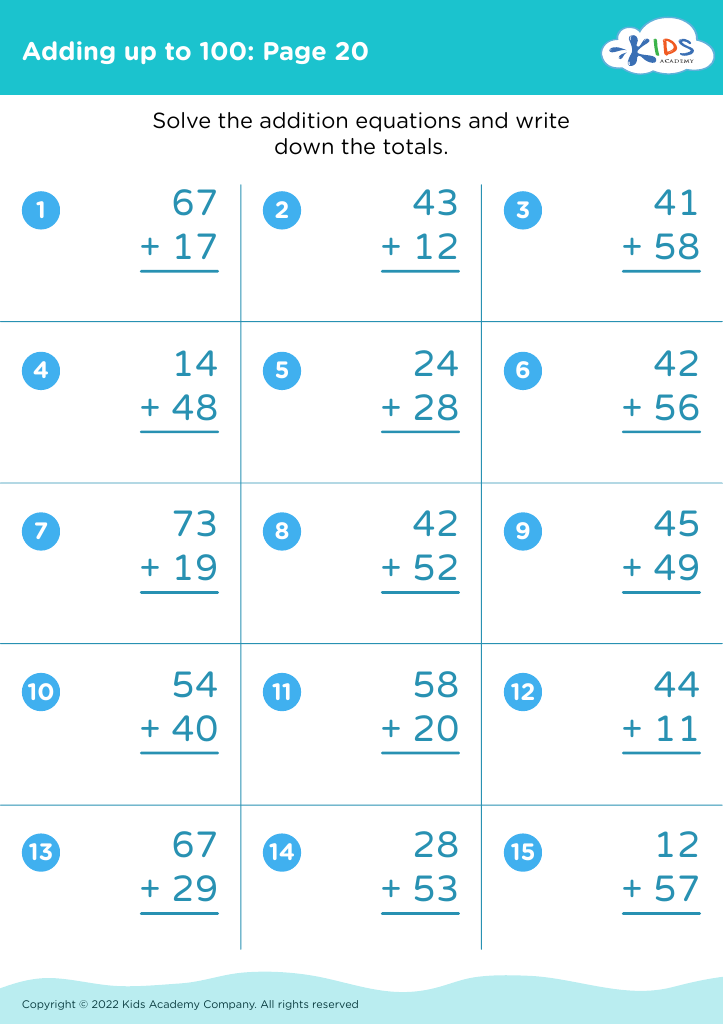
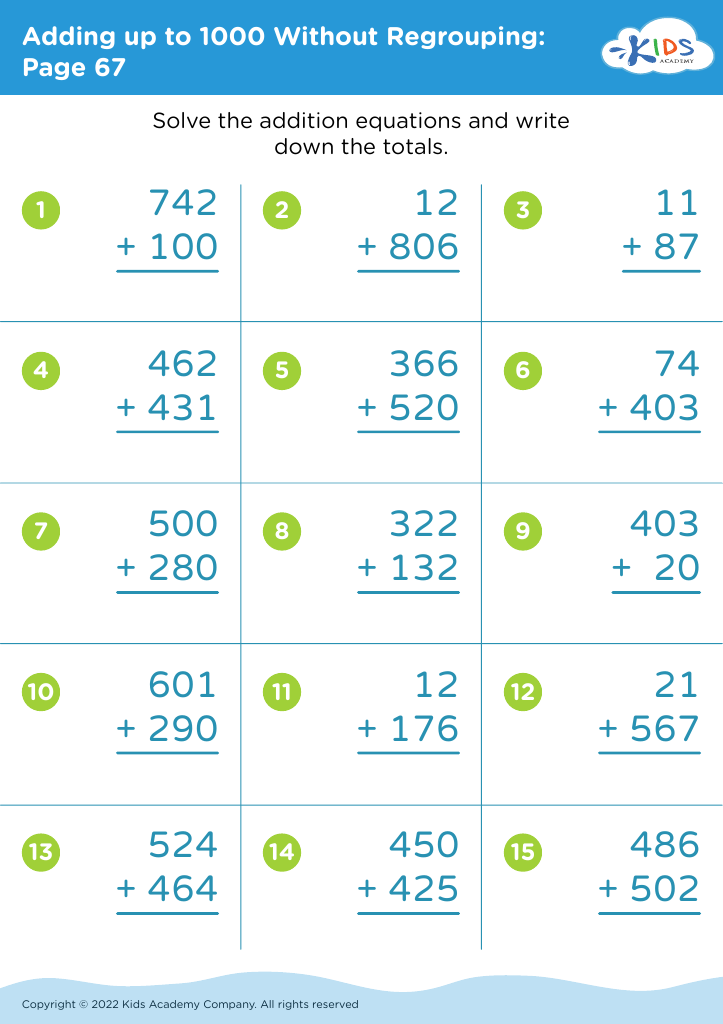
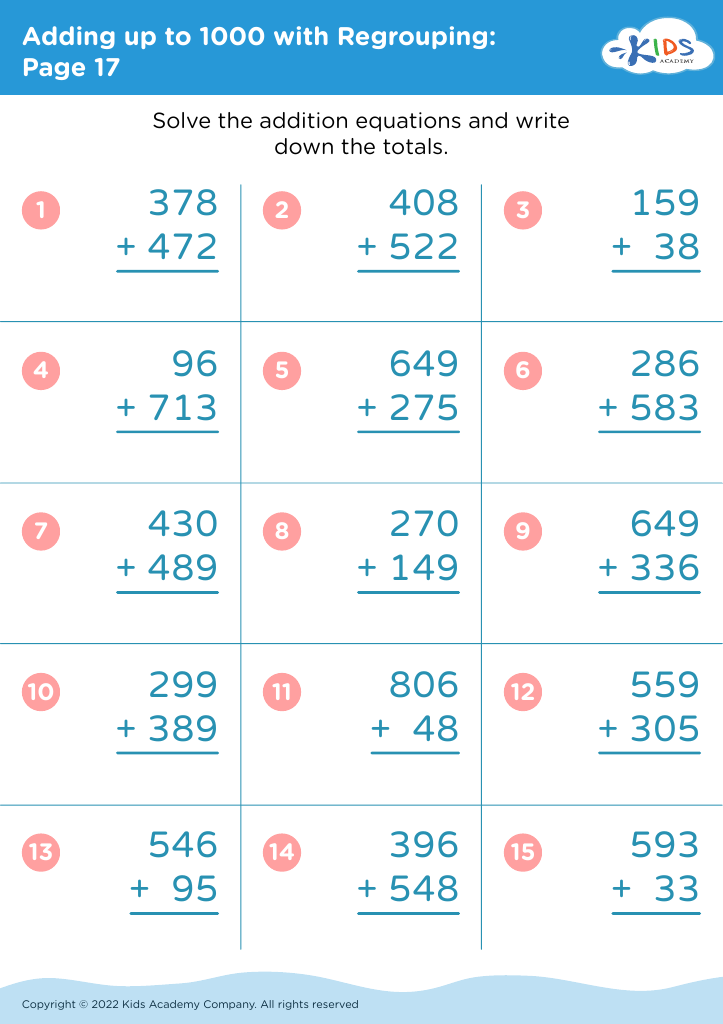
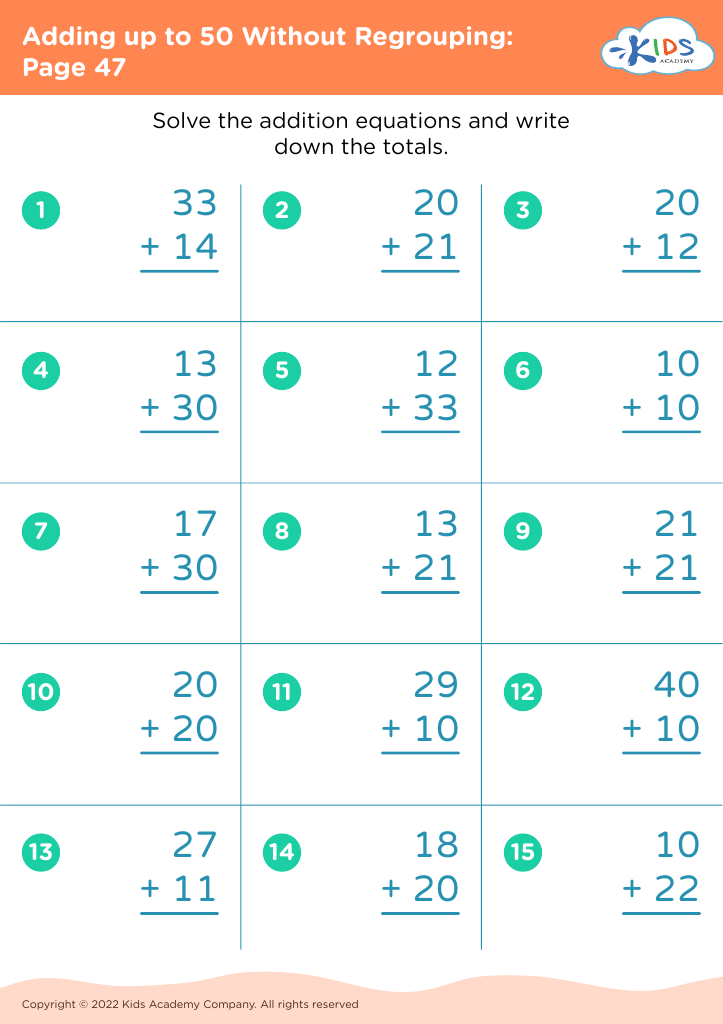
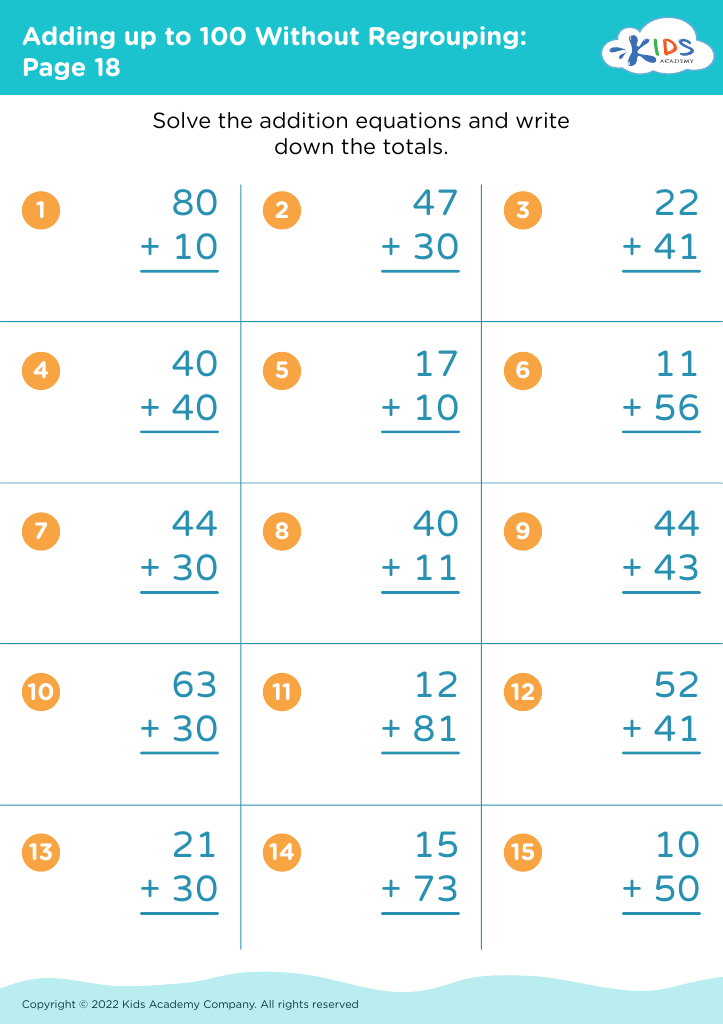
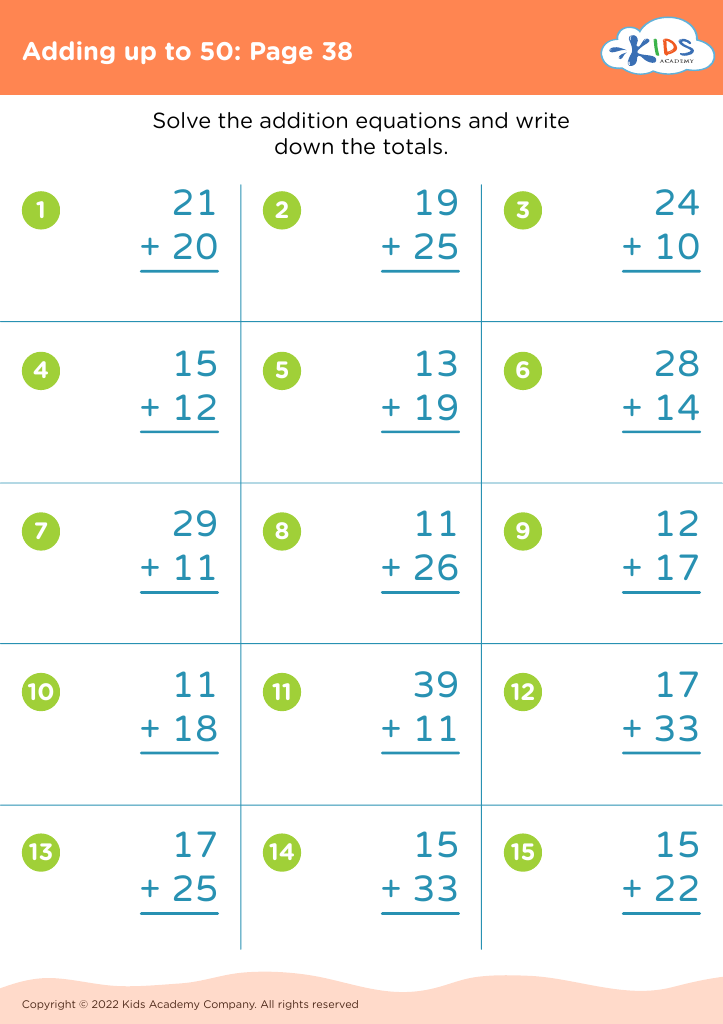
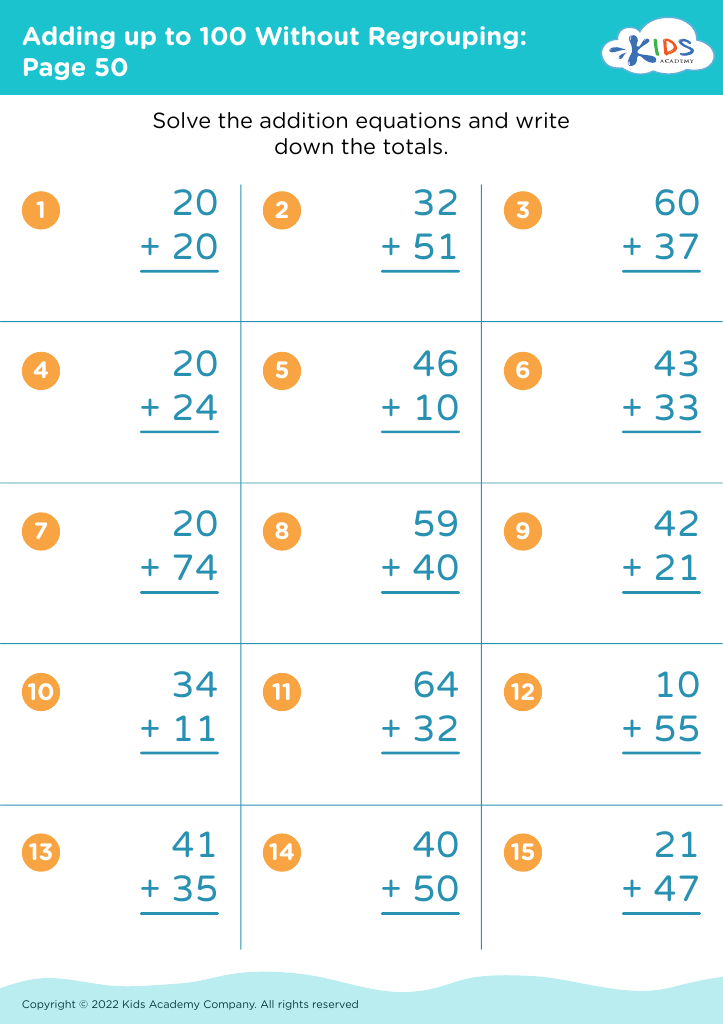
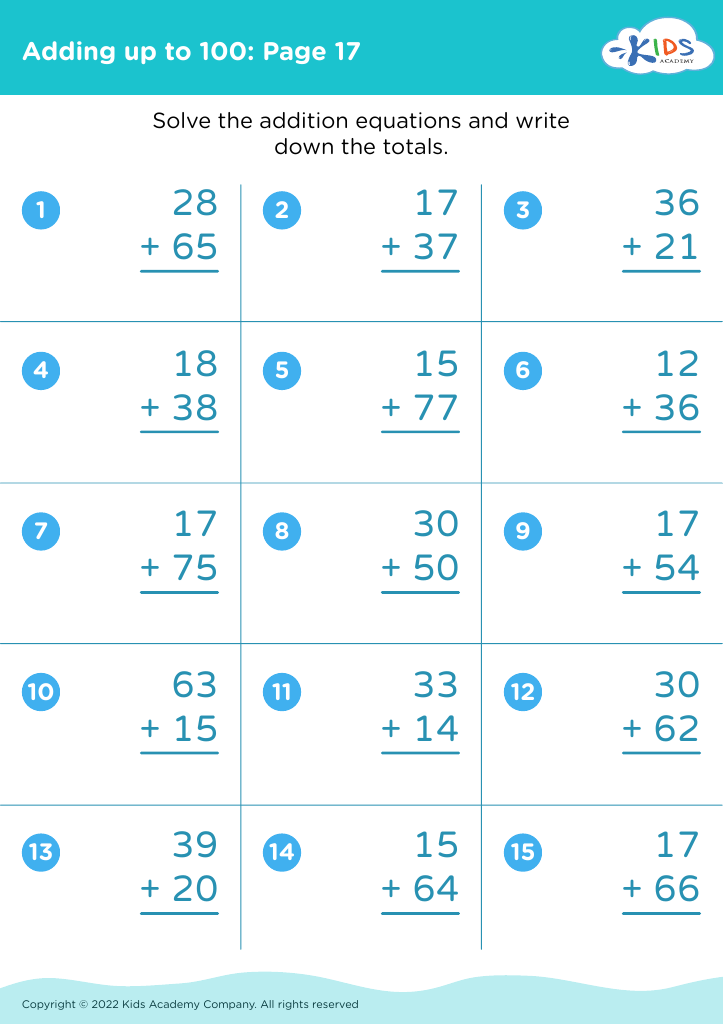
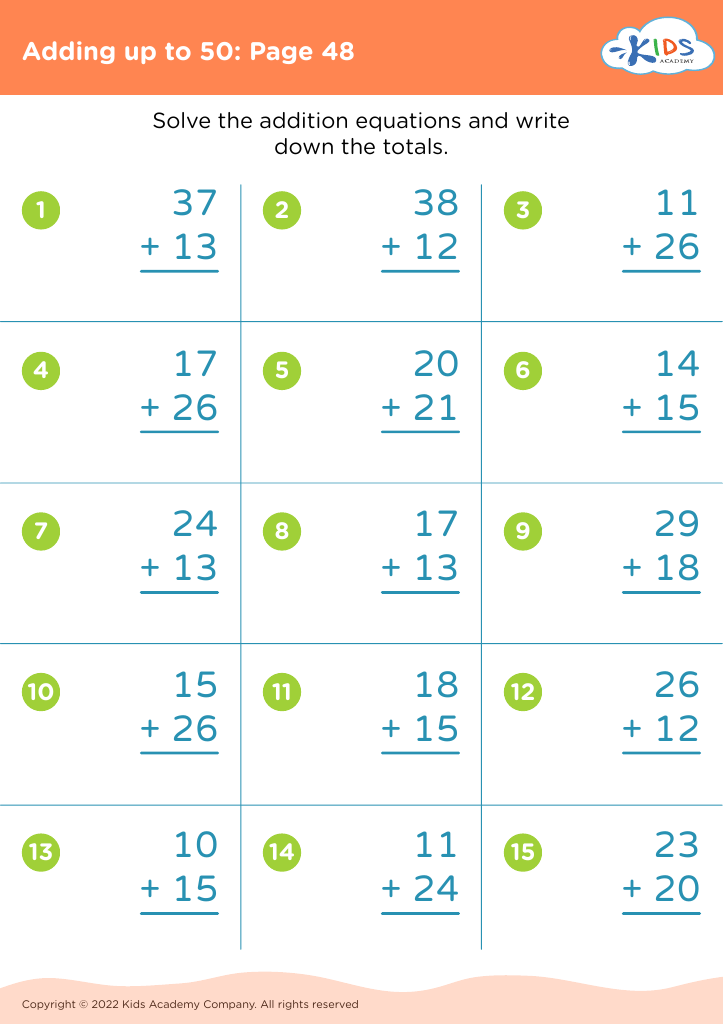
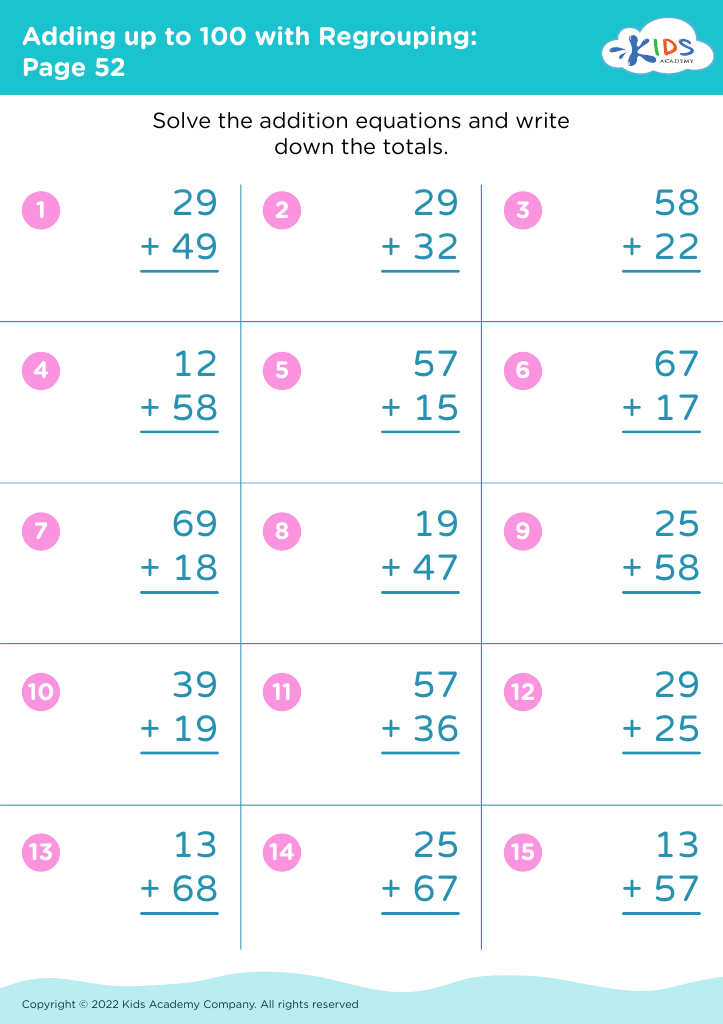
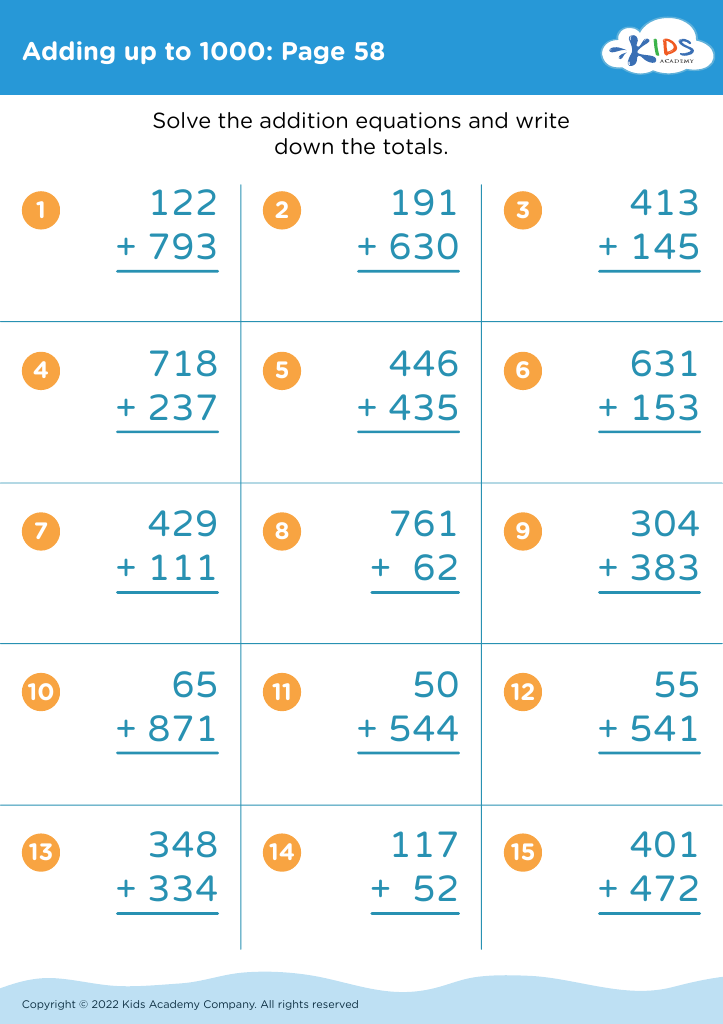
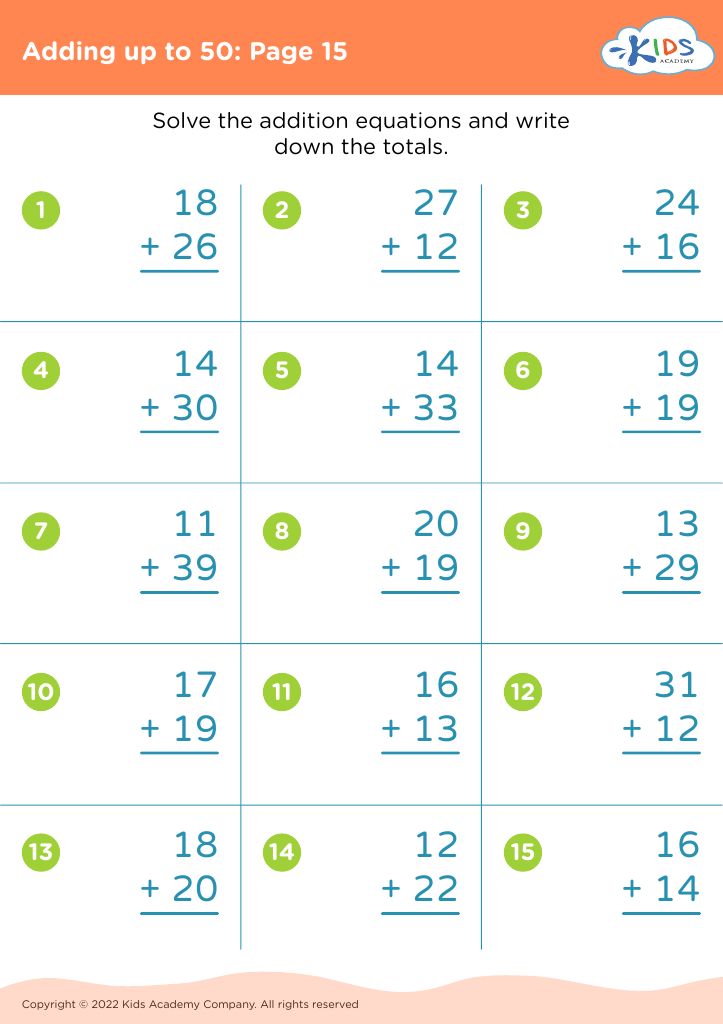
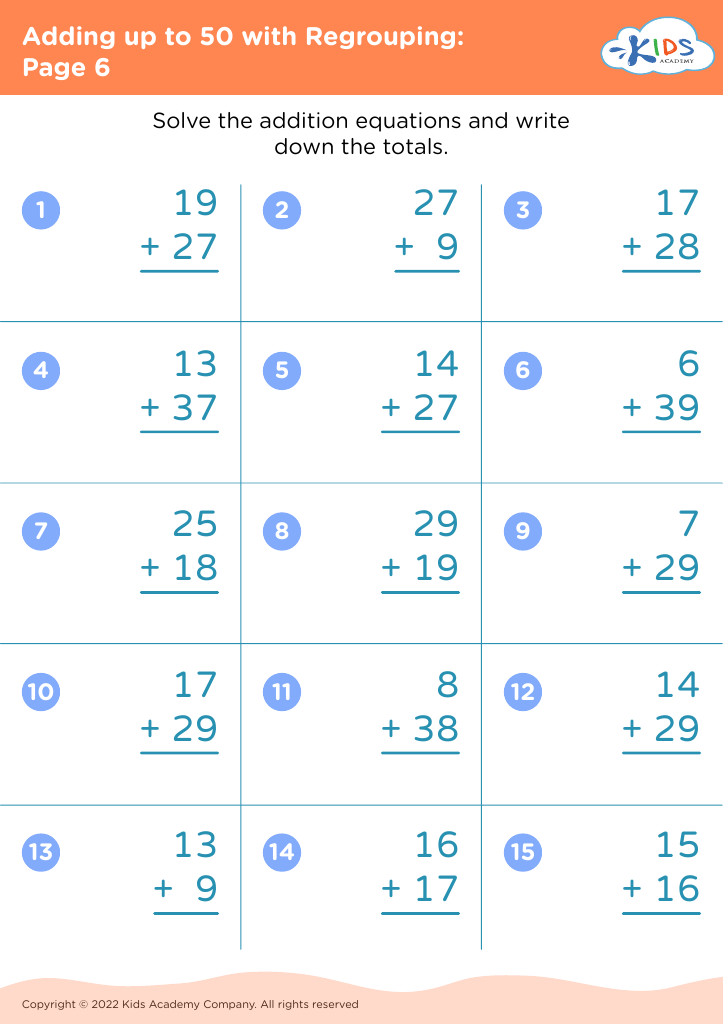
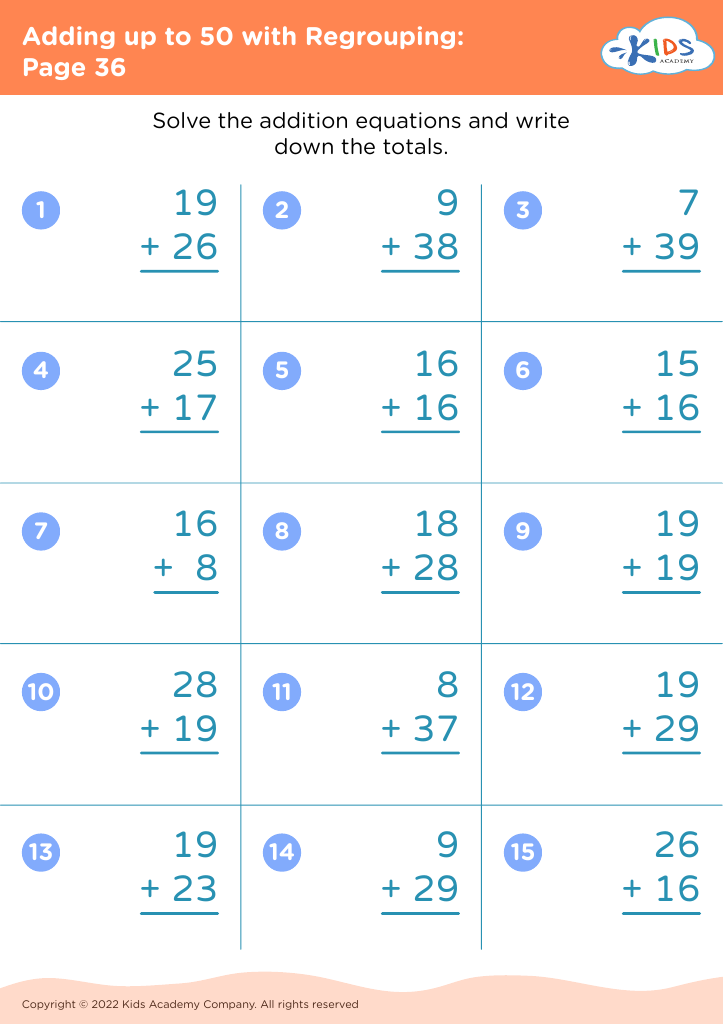
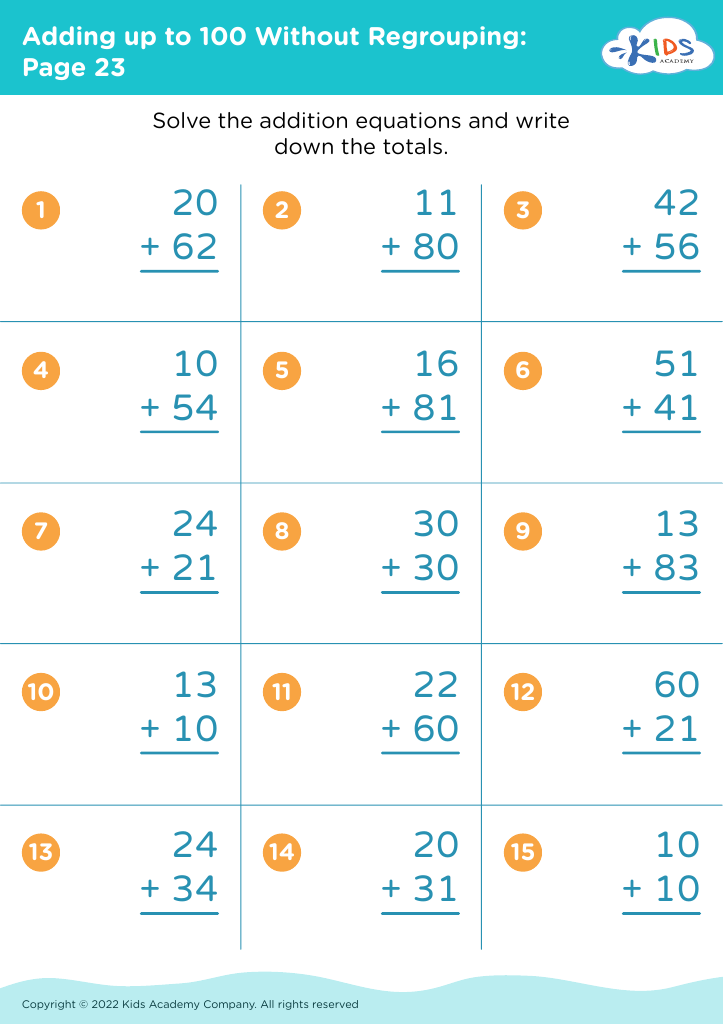
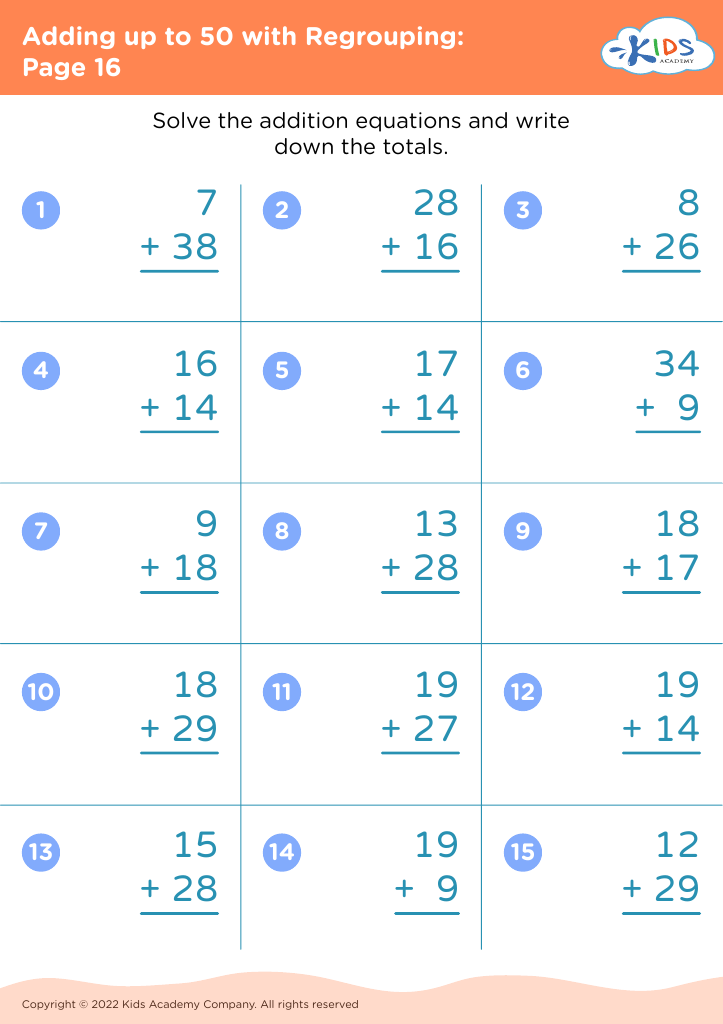
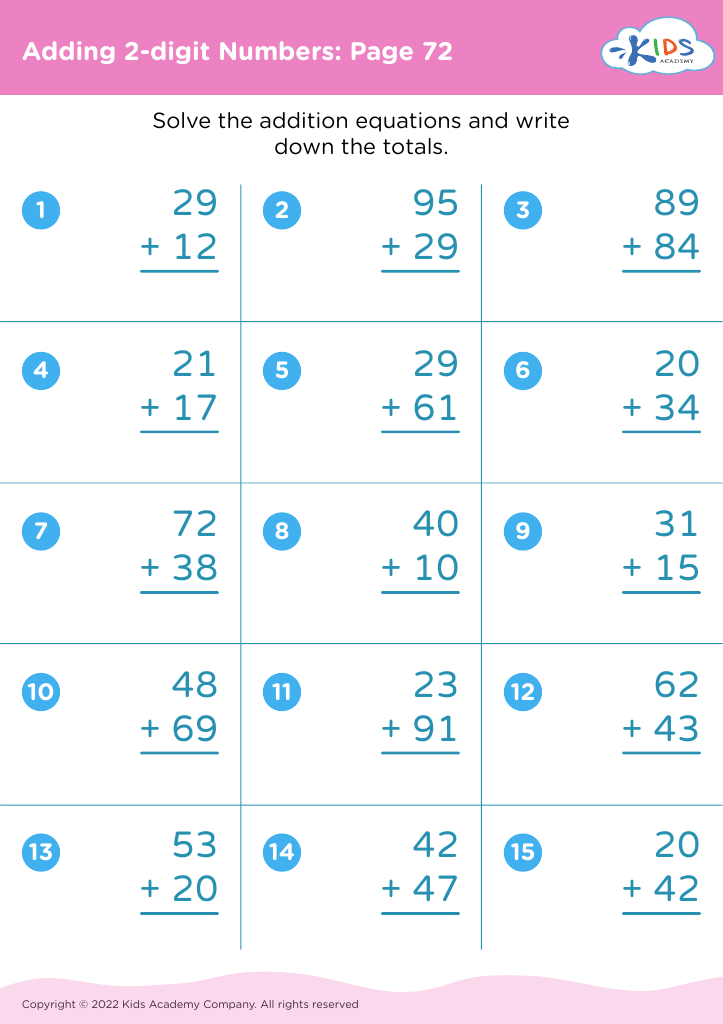
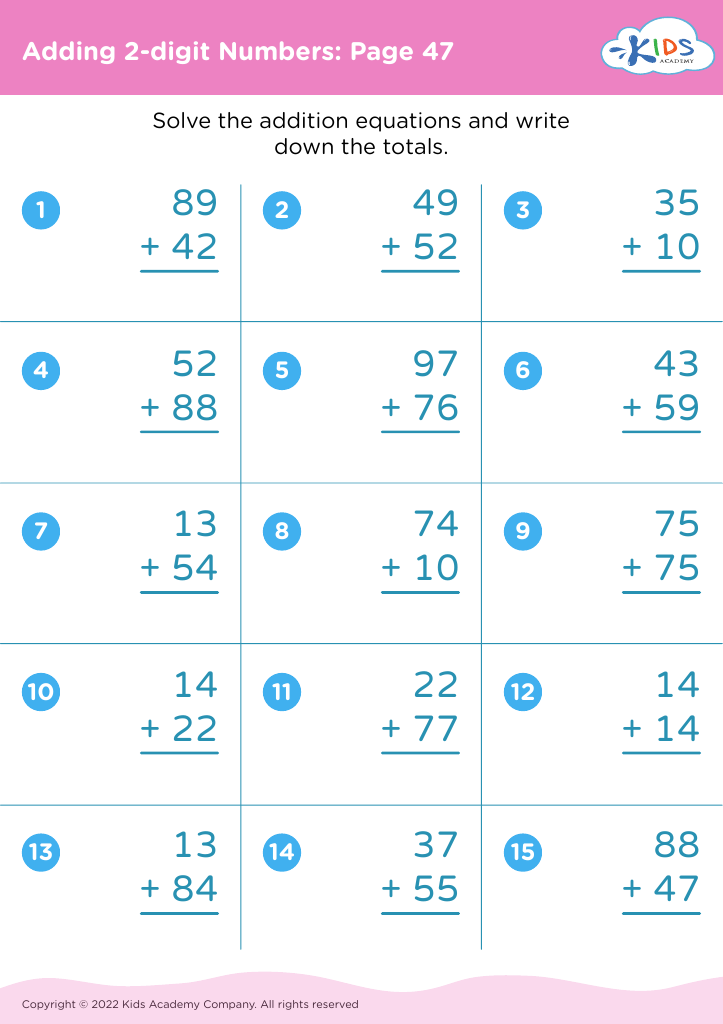








Parents and teachers should prioritize teaching comparing fractions, addition, and subtraction in Grade 2 as these foundational math skills play a crucial role in children's overall academic development. At this age, children are building the essential numeracy skills that will support their future learning. Understanding fractions introduces them to the concepts of division, ratios, and proportional reasoning—skills necessary for more advanced mathematical operations in later grades.
Comparing fractions helps children grasp the ideas of relative size and value, enhancing their problem-solving and critical thinking abilities. It also lays the groundwork for understanding more complex mathematical concepts like equivalent fractions, decimals, and percentages.
Addition and subtraction are fundamental arithmetic skills that form the basis for all mathematics. Mastering these operations at a young age ensures students are prepared for more intricate mathematical problems. It fosters logical thinking and precision, vital in subjects beyond math, such as science and engineering.
Moreover, early success in math boosts children's confidence and fosters a positive attitude towards the subject. When parents and teachers give attention to these basic concepts, they help establish a strong mathematical foundation that leads to academic success and real-world problem-solving abilities. Engaging children with these skills through fun and interactive methods, such as educational games and hands-on activities, can also promote a love for learning.