Comparison Skills Grade 2 Addition & Subtraction Worksheets
3 filtered results
Difficulty Level
Grade
Age
-
From - To
Subject
Activity
Standards
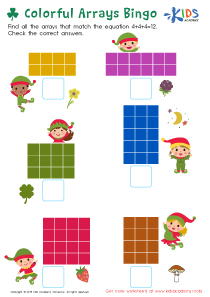
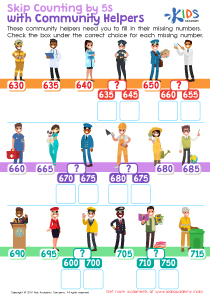
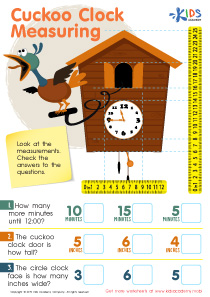
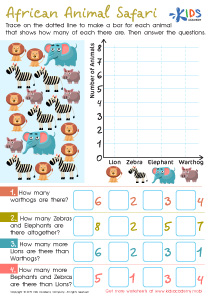
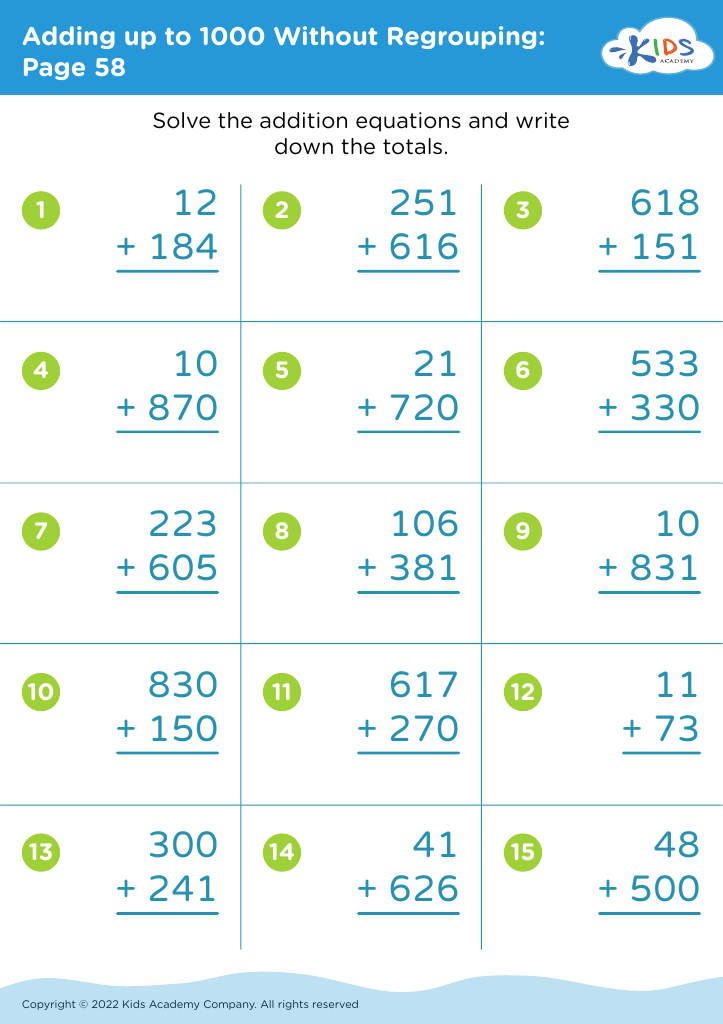
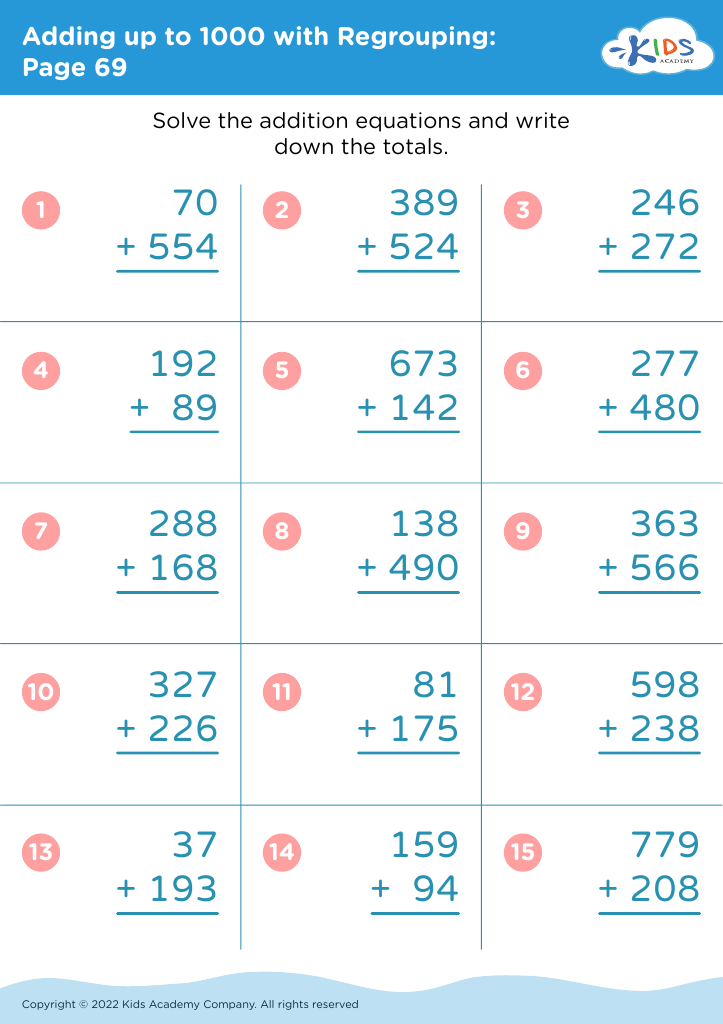
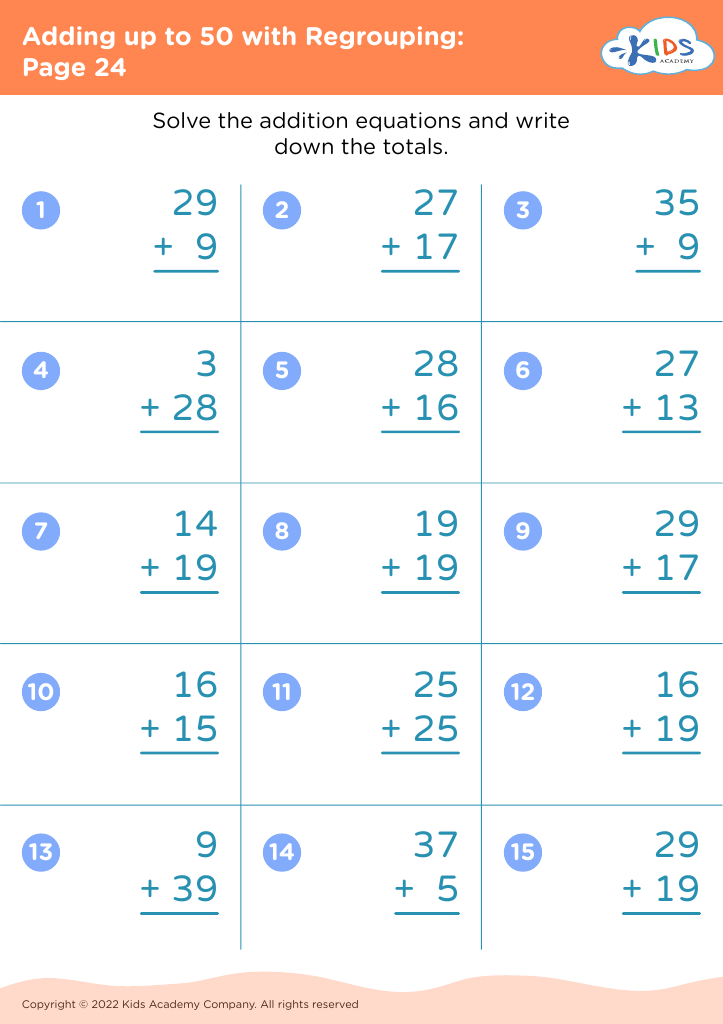
Discover our engaging "Comparison Skills Grade 2 Addition & Subtraction Worksheets," designed to help young learners master the concepts of comparison in mathematics. These worksheets provide a fun and interactive way for second graders to enhance their skills in identifying greater than, less than, and equal to relationships within addition and subtraction problems. With colorful illustrations and easy-to-follow exercises, students will build confidence as they practice comparing numbers. Perfect for classroom use or at-home learning, our resource makes understanding comparison skills enjoyable and effective, aligning with educational standards to support academic growth in early math. Start your child's math journey today!
Favorites
With answer key
Interactive
Join Kids Academy for Free
Who is primarily going to use this learning content?








Comparison skills in addition and subtraction are essential for second-grade students as they form the foundation for more complex mathematical concepts in later grades. These skills help children develop a deeper understanding of numbers and enhance their ability to analyze and interpret data. By learning to compare numbers and their sums or differences, students can strengthen their problem-solving abilities and become more proficient in making mathematical decisions.
Additionally, comparison skills encourage critical thinking. When students learn to evaluate which numbers are larger or smaller, or how their sums differ, they cultivate an analytical mindset that is beneficial not just in math, but in everyday decision-making.
For parents and teachers, fostering these skills is crucial. It not only boosts student confidence in handling numbers but also promotes a positive attitude towards math. Engaging in comparison activities—like comparing quantities in real-life scenarios—can make learning enjoyable and relatable.
Lastly, these skills lay the groundwork for understanding more advanced topics such as place value, multiplication, and division. Ensuring that children master comparison skills in addition and subtraction is essential for their overall mathematical success and cognitive development.