Develop addition skills Grade 2 Addition & Subtraction Worksheets
4 filtered results
Difficulty Level
Grade
Age
-
From - To
Subject
Activity
Standards
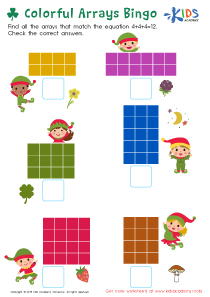
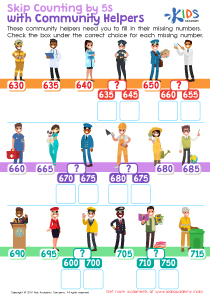
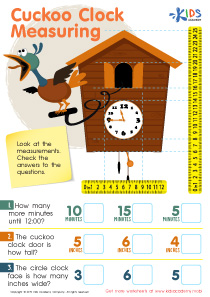
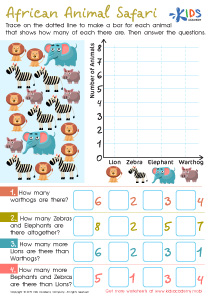
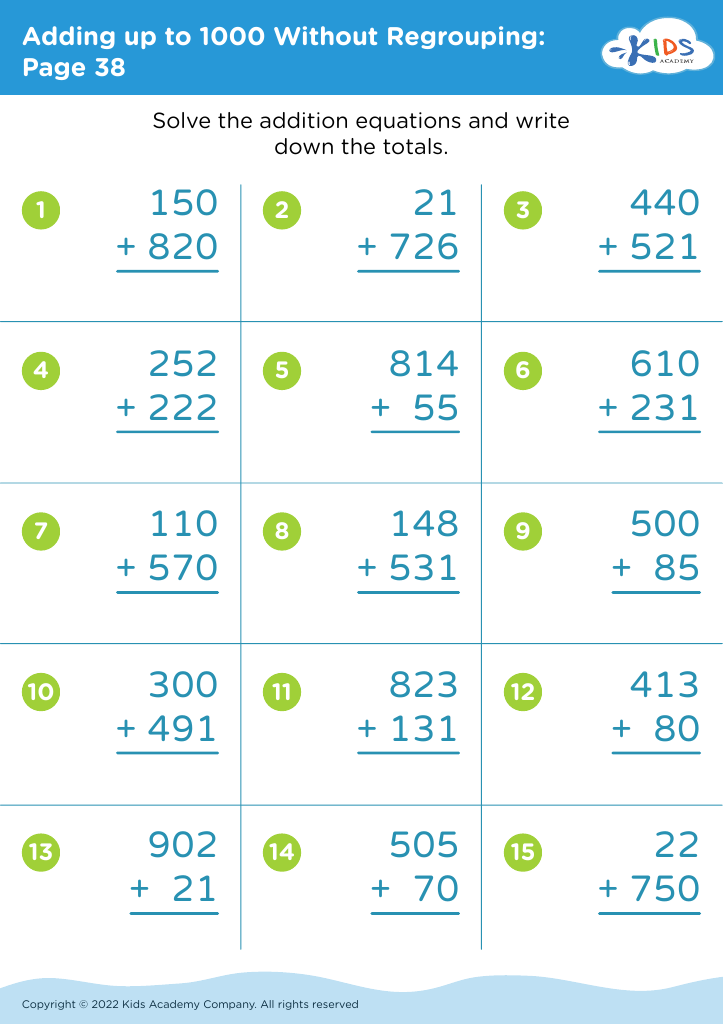
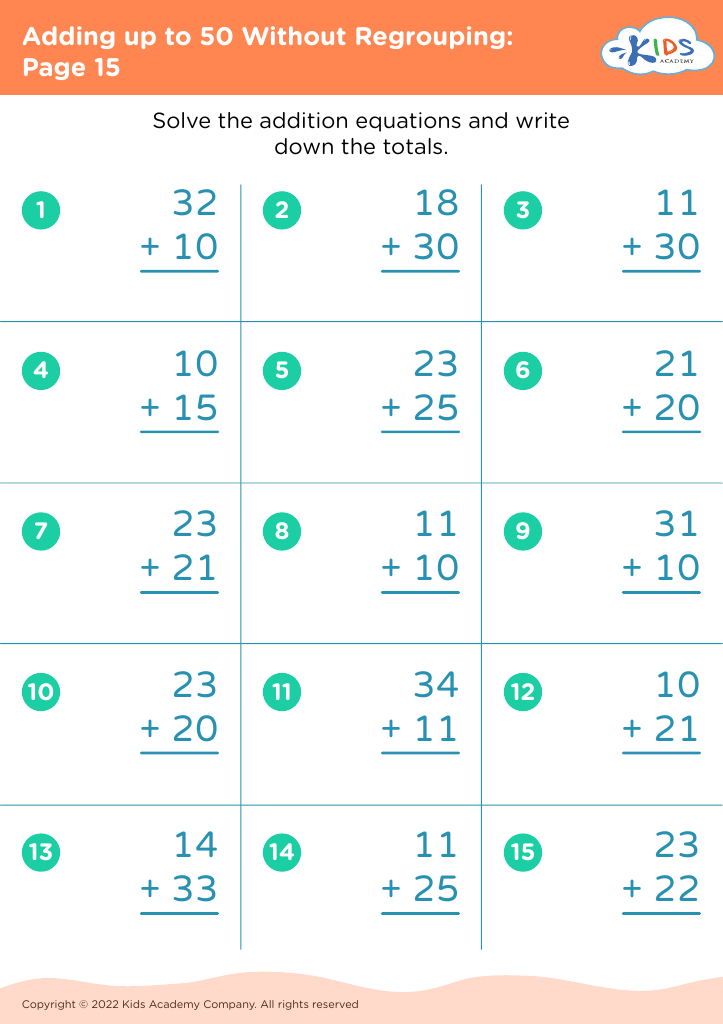
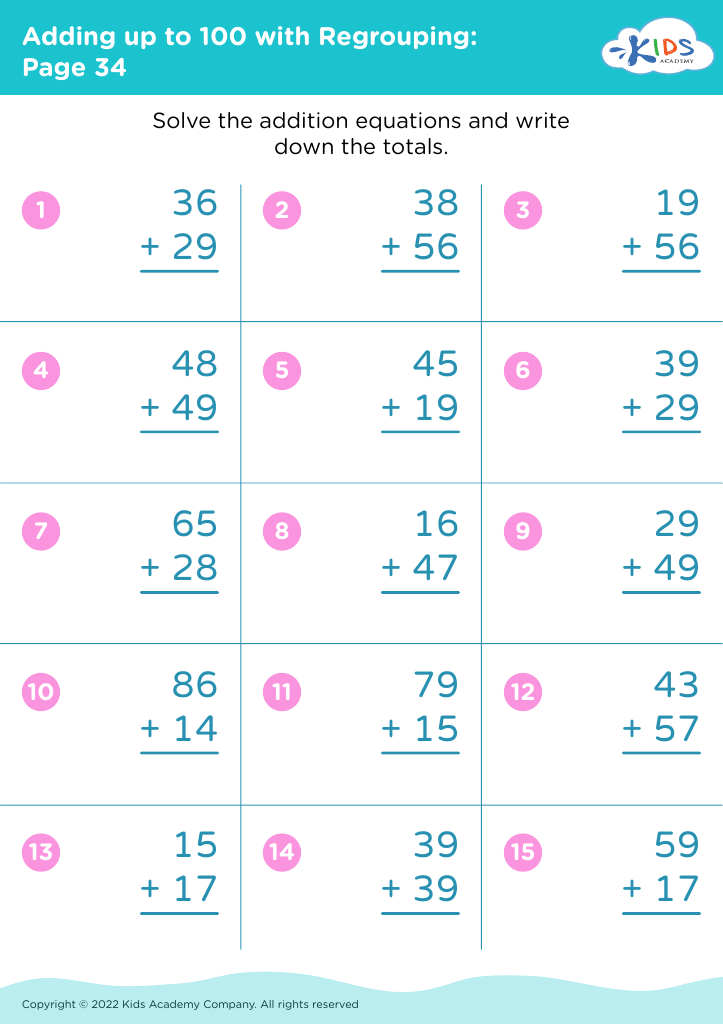
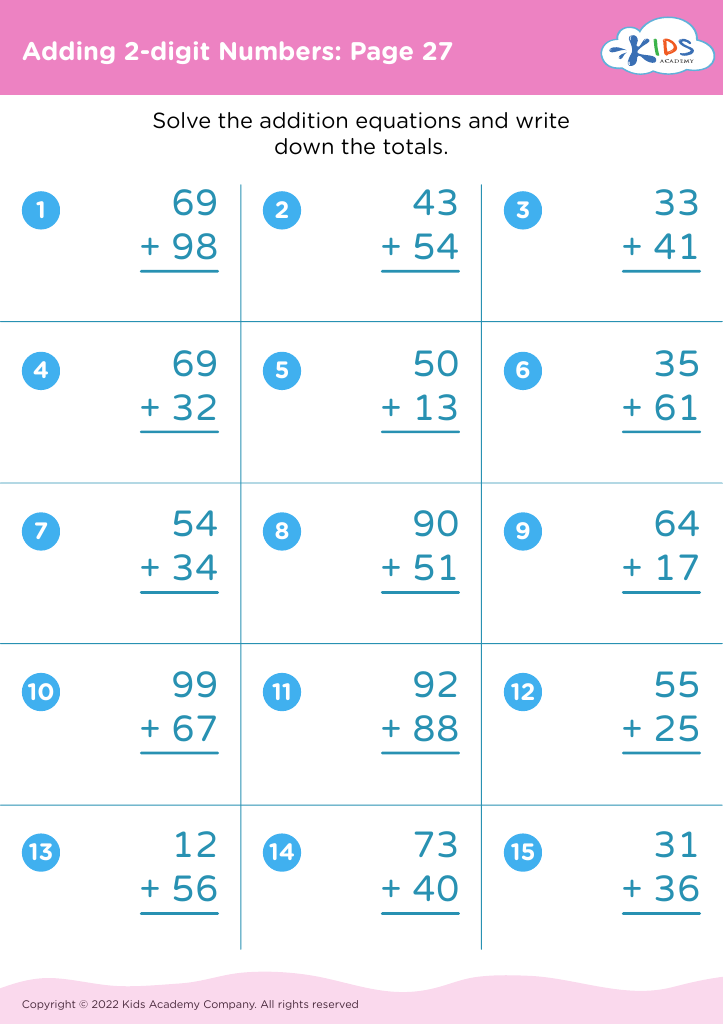
Boost your child's math confidence with our Grade 2 addition and subtraction worksheets designed to develop essential addition skills! These engaging, printable activities focus on enhancing mathematical understanding through interactive exercises, visuals, and step-by-step problem-solving. Tailored specifically for second graders, our worksheets reinforce key concepts, from basic addition facts to two-digit addition, all while making learning fun. Gradually build your child's proficiency as they tackle a variety of problems, ensuring they master foundational addition skills necessary for future math success. Explore our resources today and watch your child thrive in math with enjoyable practice designed just for them!
Favorites
With answer key
Interactive
Learning Skills
Join Kids Academy for Free
Who is primarily going to use this learning content?








Developing addition and subtraction skills is crucial for Grade 2 students for several reasons. First, these foundational math skills are essential for understanding more complex concepts in later grades, including multiplication, division, and basic algebra. Young learners who master addition and subtraction are better equipped to tackle increasing mathematical challenges as they progress in their education.
Additionally, strong addition and subtraction skills foster problem-solving abilities and critical thinking. Through practice, children learn to approach problems systematically, which is a skill applicable across various subjects and real-life situations. Engaging with math also builds confidence, making students more willing to participate in classroom discussions and activities.
Furthermore, addition and subtraction are integral to daily life. Understanding these concepts equips children to handle everyday tasks, such as budgeting, shopping, and cooking. When parents and teachers emphasize these skills, they help lay the groundwork for responsible decision-making in the future.
Lastly, promoting addition and subtraction skills fosters a positive attitude towards math. When children experience success in these basic operations, it encourages a love for learning and sets the stage for lifelong academic curiosity, ultimately leading to improved educational outcomes. Therefore, investing time and resources into mastering these skills is greatly beneficial.