Developing math skills Grade 2 Addition & Subtraction Worksheets
7 filtered results
Difficulty Level
Grade
Age
-
From - To
Subject
Activity
Standards
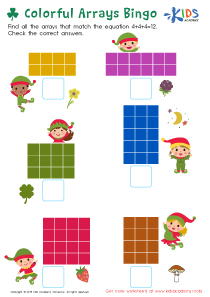
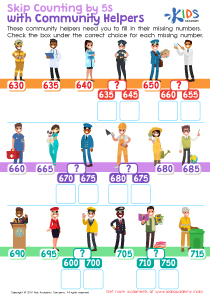
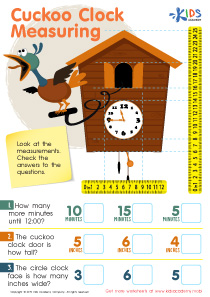
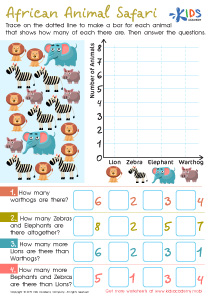
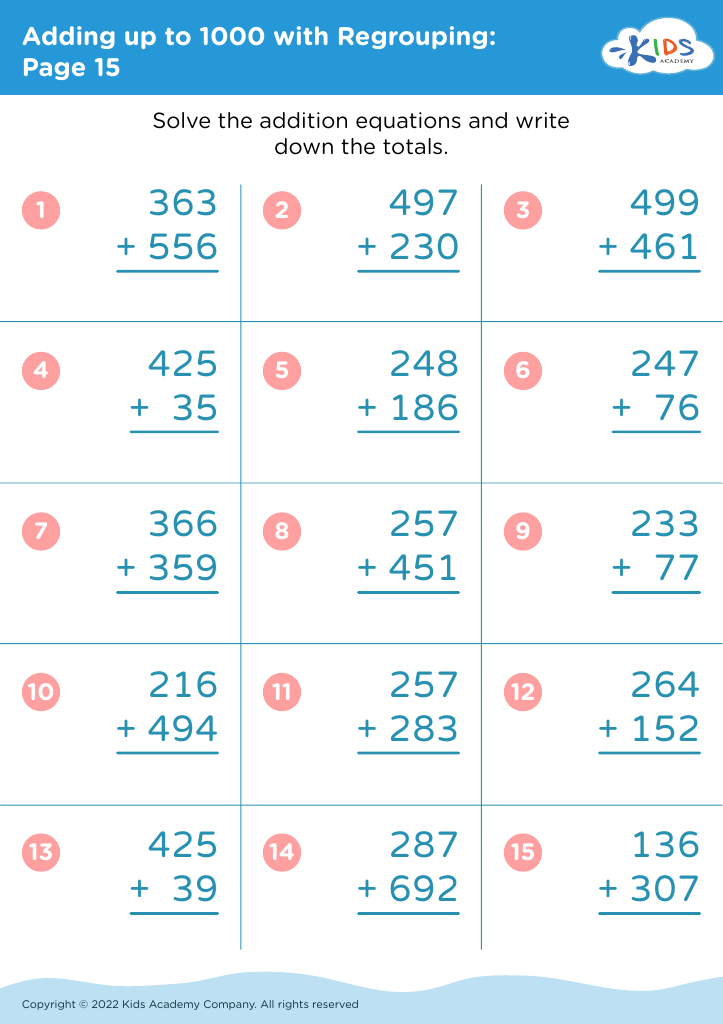
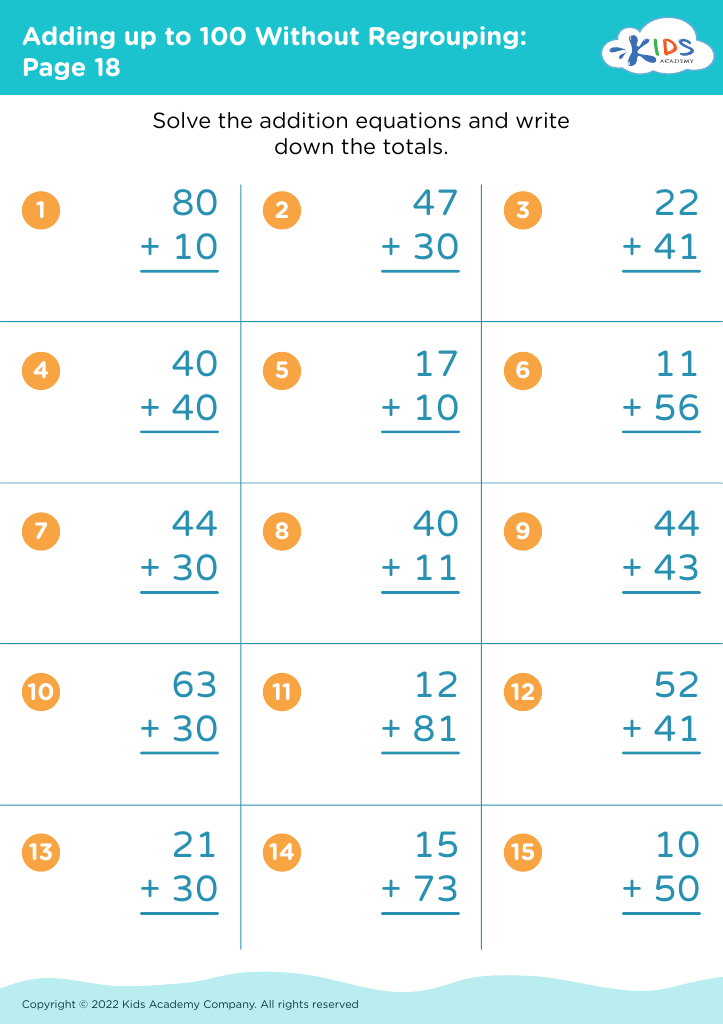
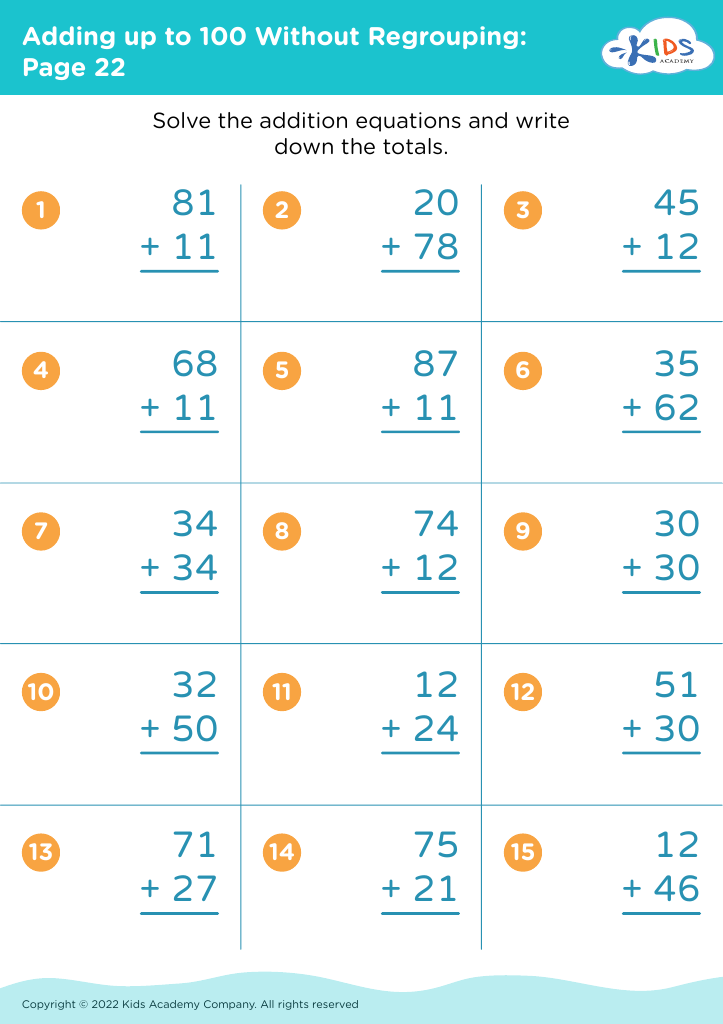
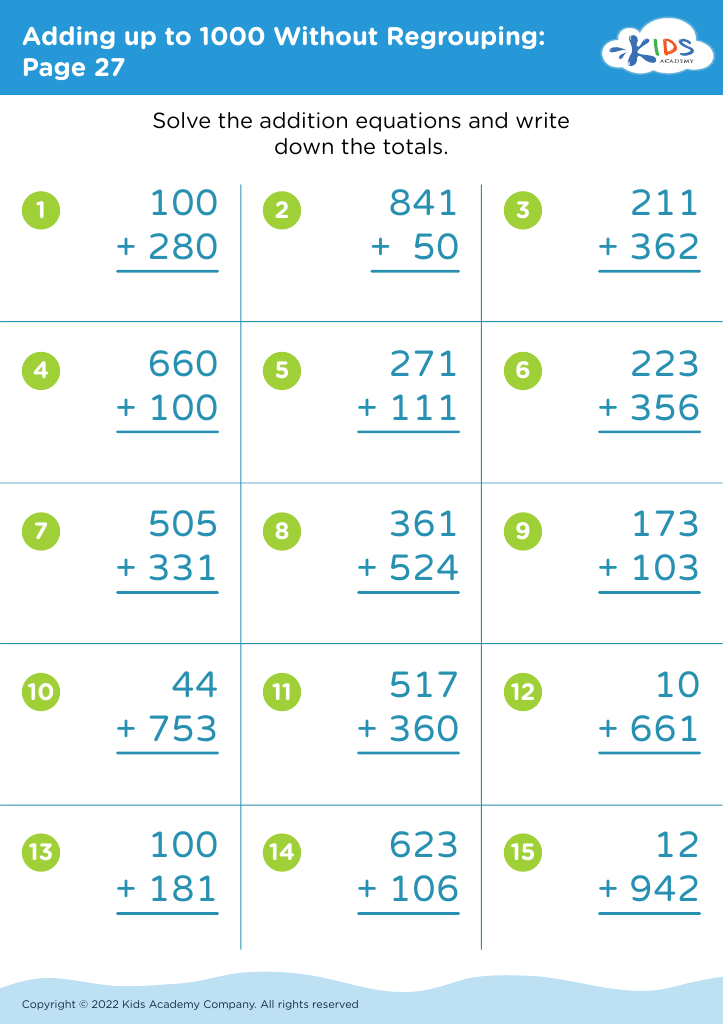
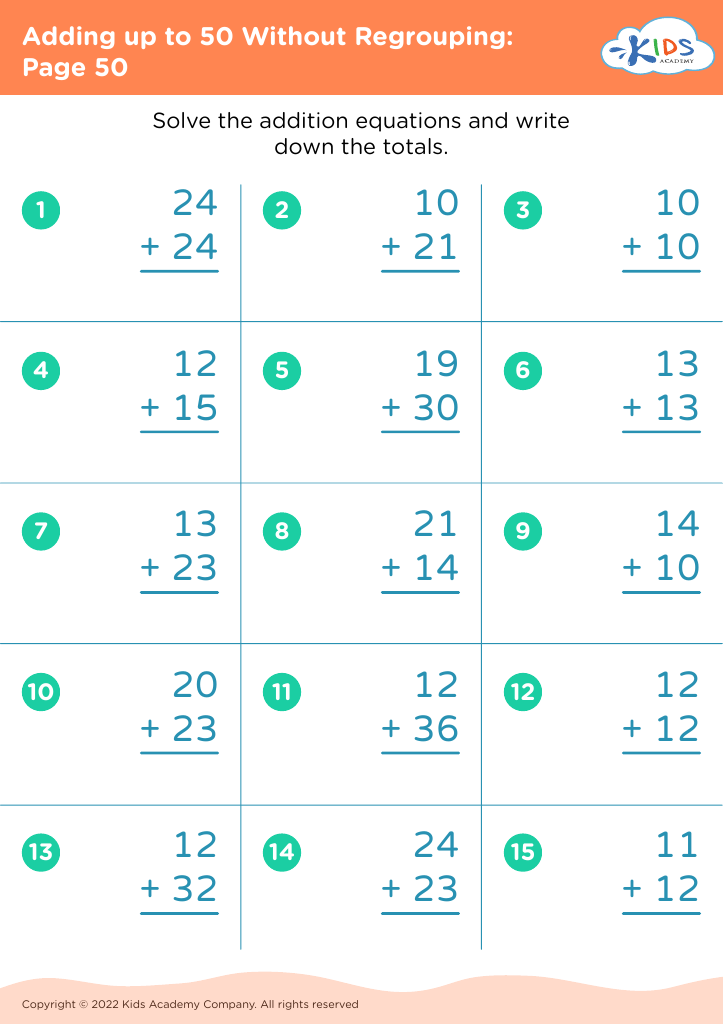
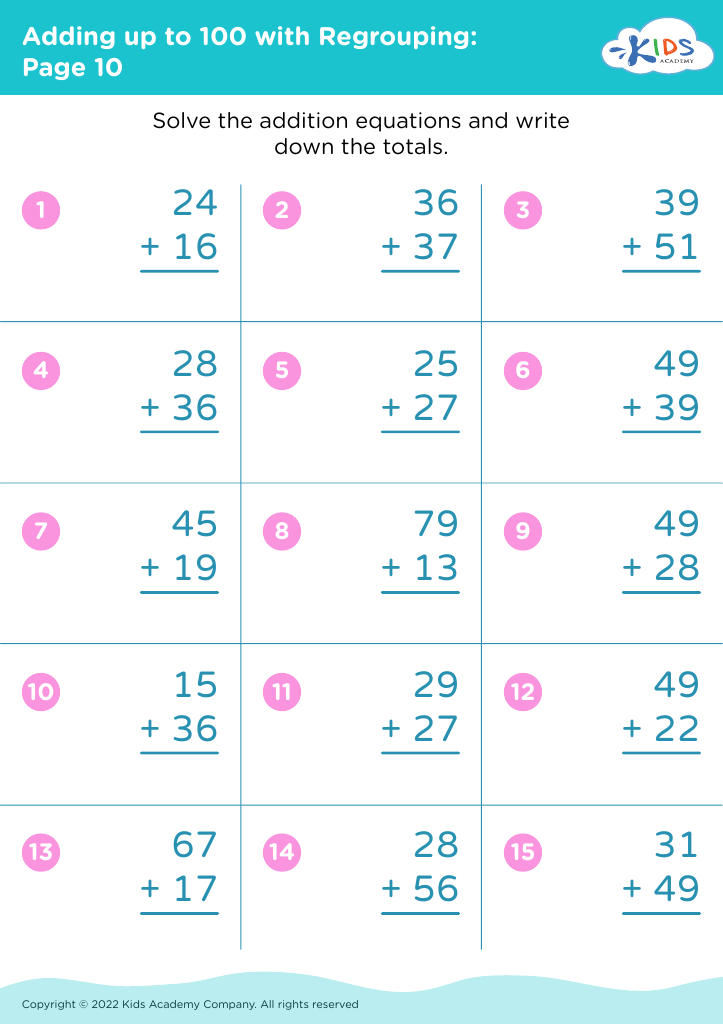
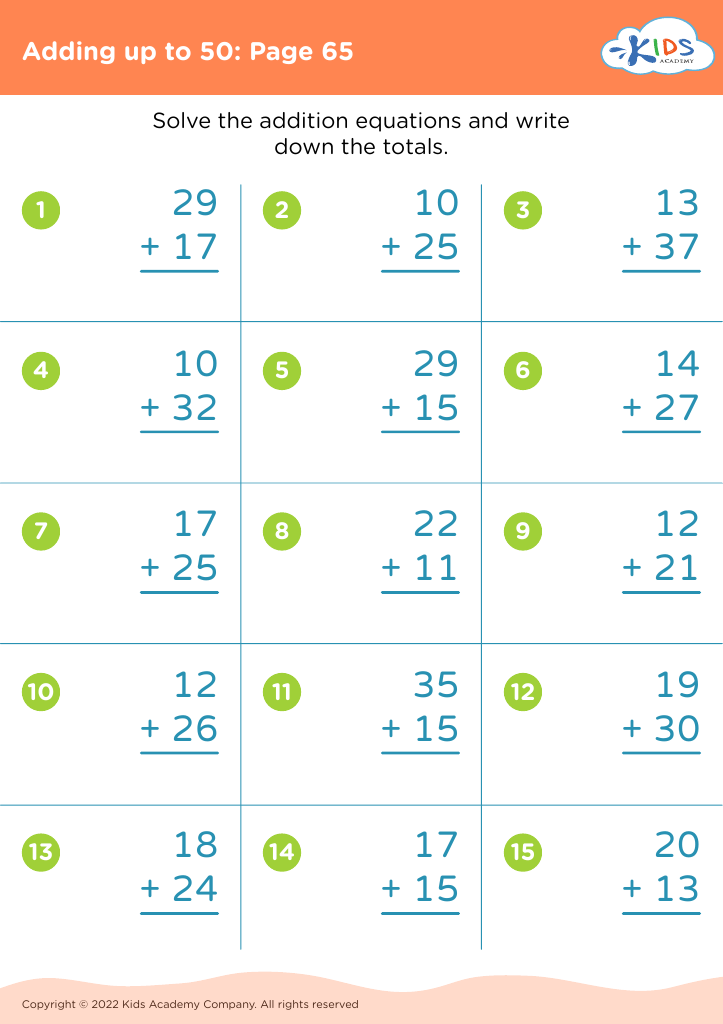
Discover our engaging Grade 2 Addition and Subtraction Worksheets designed to enhance your child's math skills! Tailored specifically for second graders, these worksheets offer a variety of practice problems that make learning addition and subtraction fun and effective. Our resources focus on building foundational math skills through interactive exercises, real-world problem solving, and exploratory tasks. Each worksheet encourages critical thinking while catering to different learning styles, ensuring every child can thrive. Whether for classroom activities or home practice, our activities support skill development in a supportive and enjoyable way. Start empowering your young mathematician today with our comprehensive worksheets!
Favorites
With answer key
Interactive
Join Kids Academy for Free
Who is primarily going to use this learning content?








Developing math skills in Grade 2, particularly in addition and subtraction, is crucial for children’s cognitive and emotional growth. At this age, children begin to understand numerical concepts and how they relate to everyday life. Mastery of these foundational skills builds confidence and encourages a positive attitude toward learning.
Addition and subtraction lay the groundwork for more complex mathematical operations in later grades. When children grasp these concepts, they enhance critical thinking skills and problem-solving abilities, which are essential not just in math but across all subjects. These skills promote logical reasoning and analytical thinking, helping students tackle challenges effectively.
Moreover, proficiency in basic math is linked to academic success. It helps students perform better in assessments, thus encouraging a lifelong love for learning. Additionally, engaging parents and teachers in this developmental stage fosters collaboration, ensuring that children receive the support they need at home and school.
As they count, add, and subtract, children also improve their fine motor skills and hand-eye coordination. This multifaceted approach to learning not only enriches their understanding of math but also cultivates resilience and adaptability, essential traits for future learning endeavors. Therefore, it’s vital for parents and teachers to pay close attention to developing these foundational math skills.