Fraction comparison Grade 2 Addition & Subtraction Worksheets
29 filtered results
-
From - To
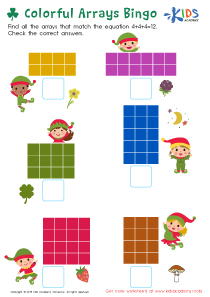
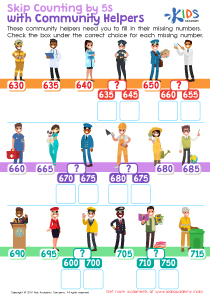
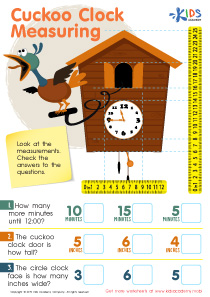
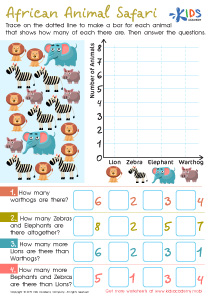
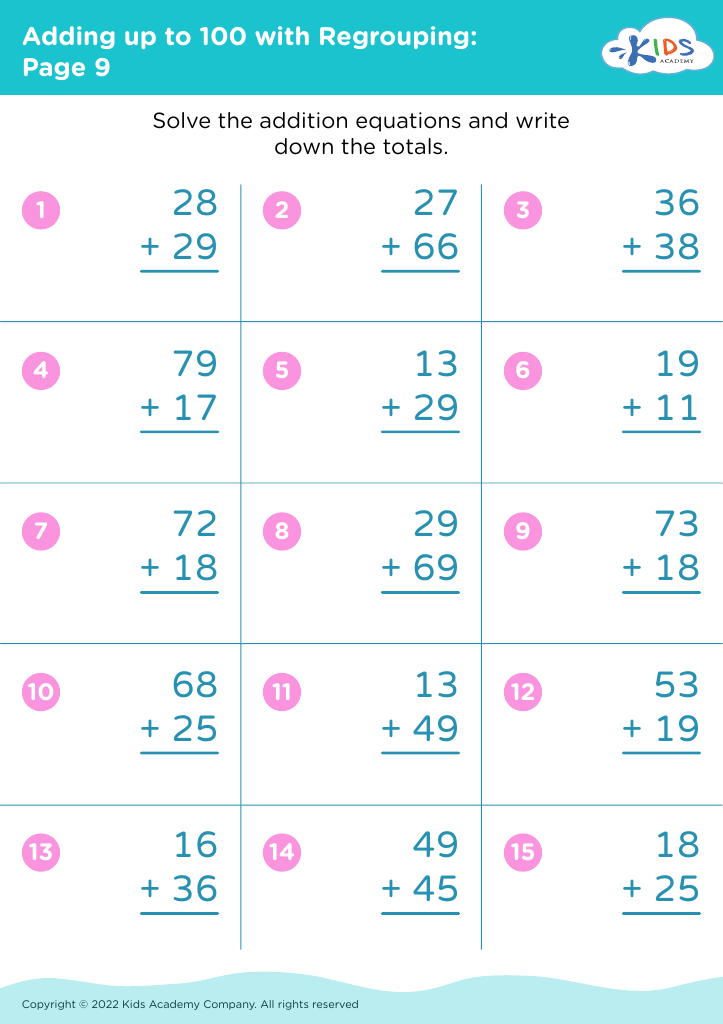
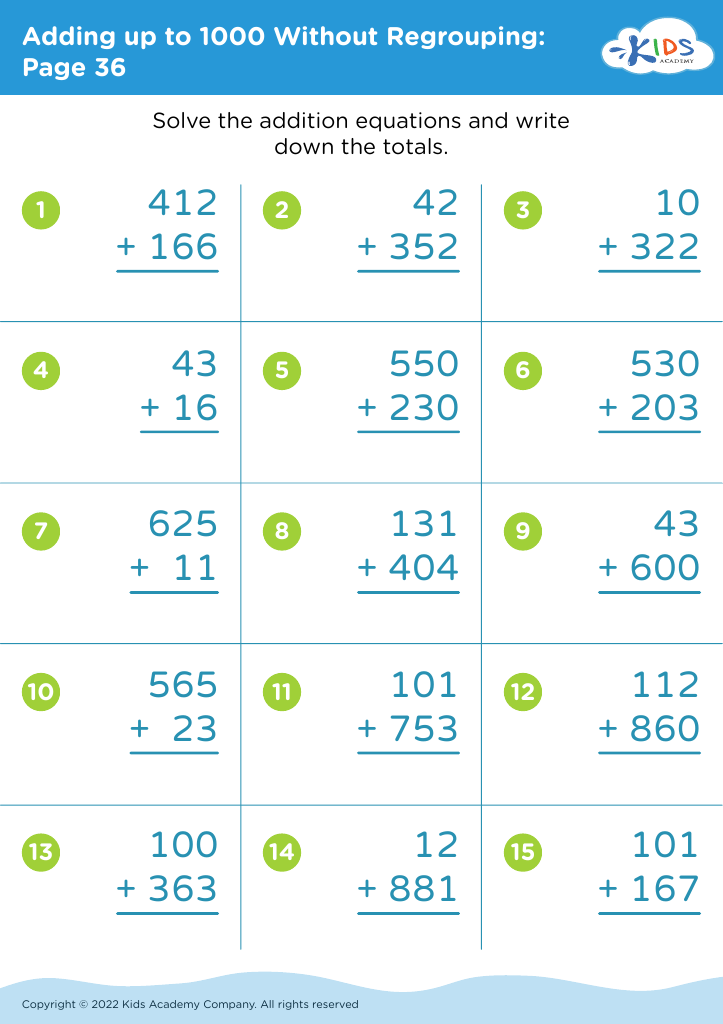
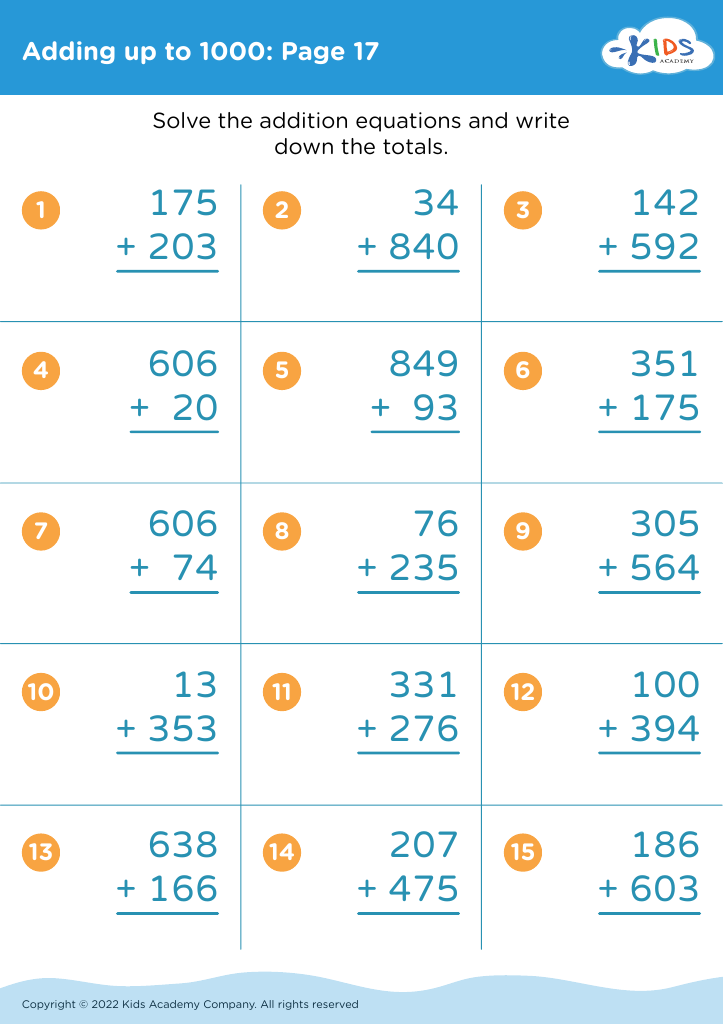
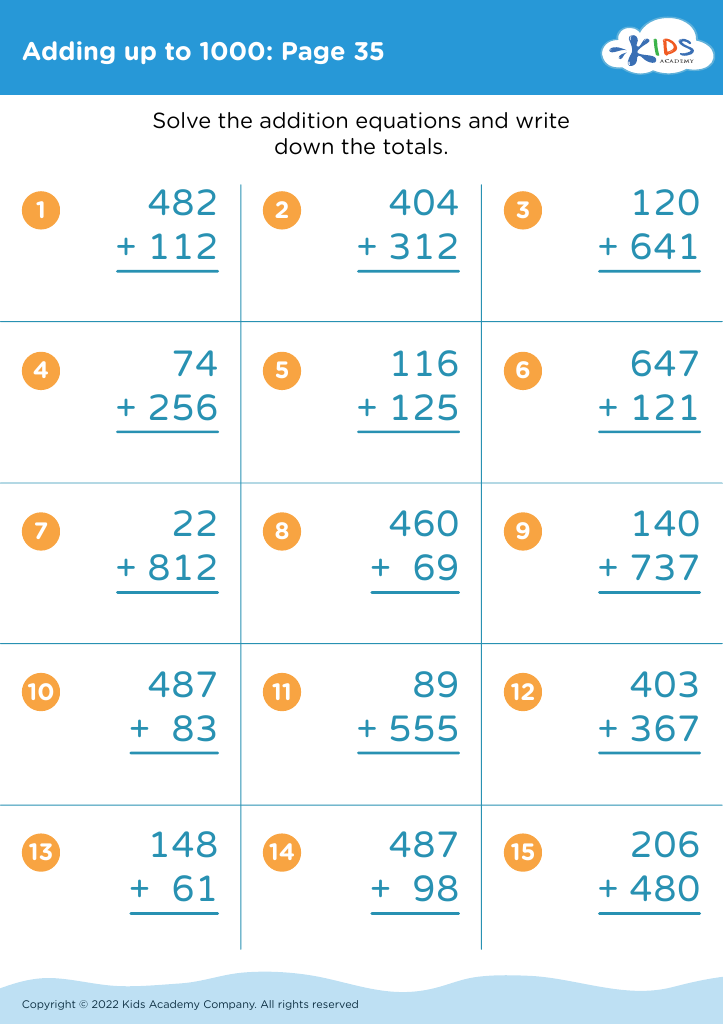
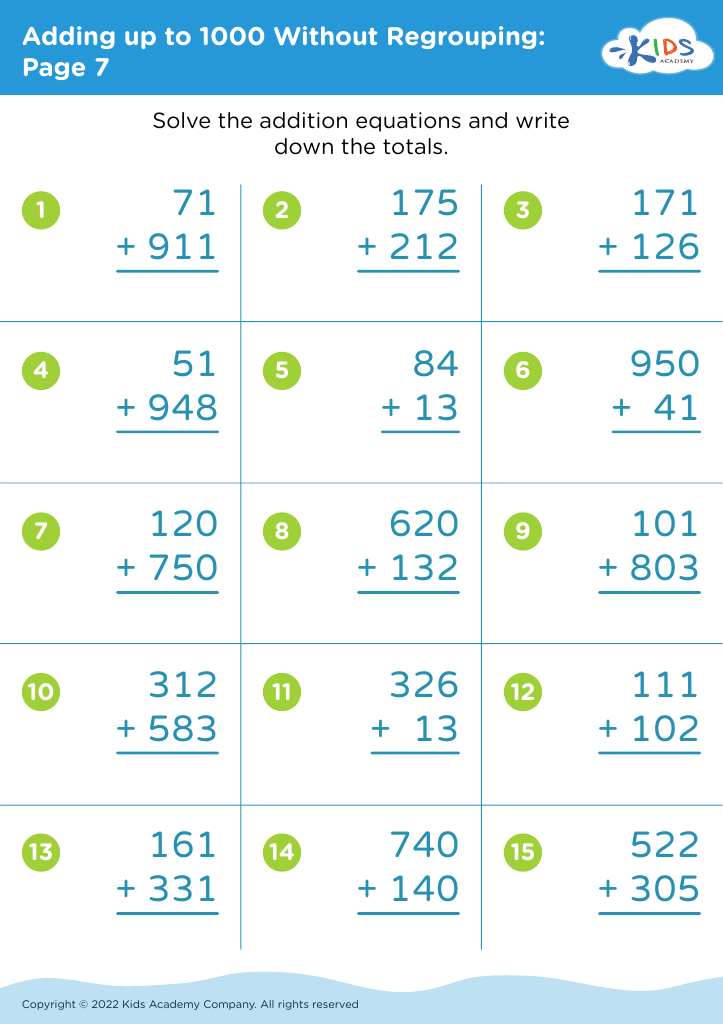
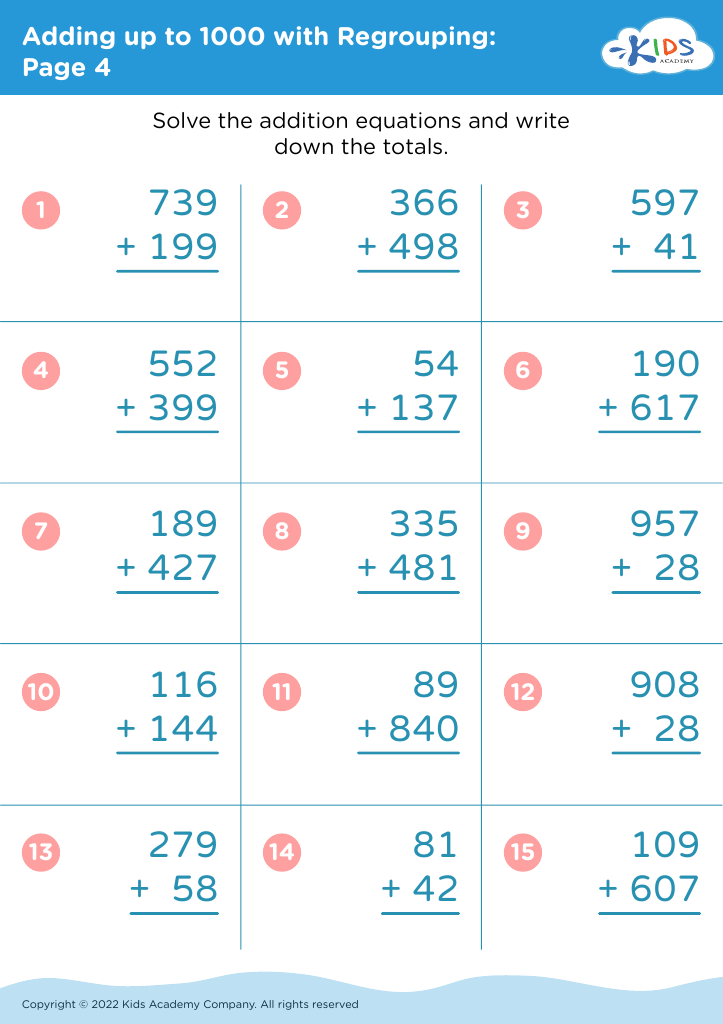
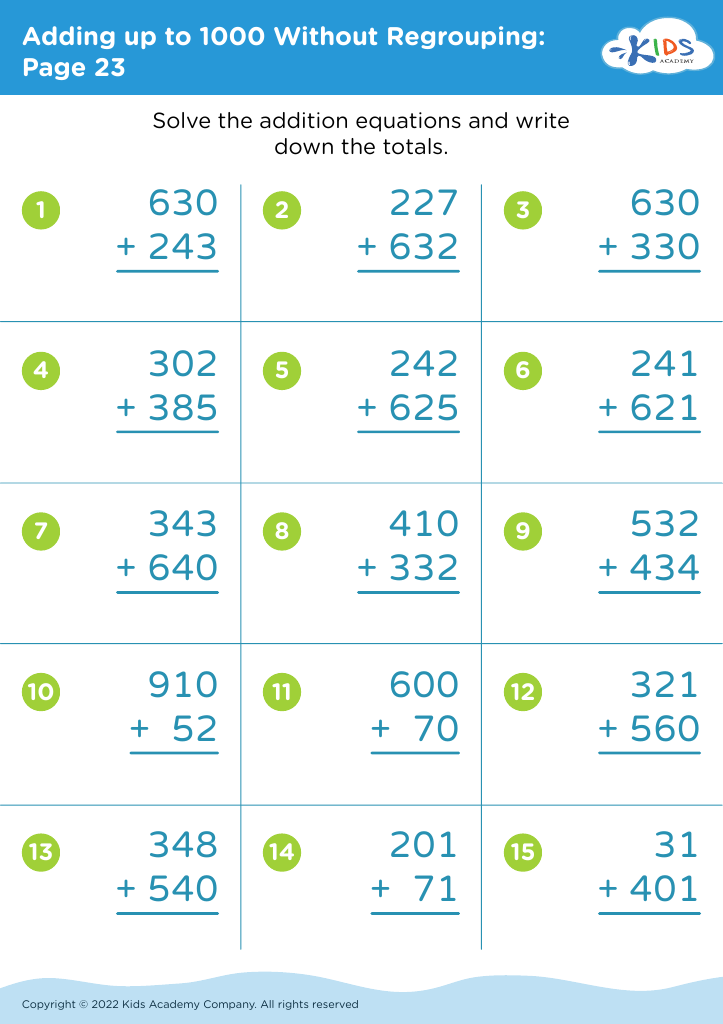
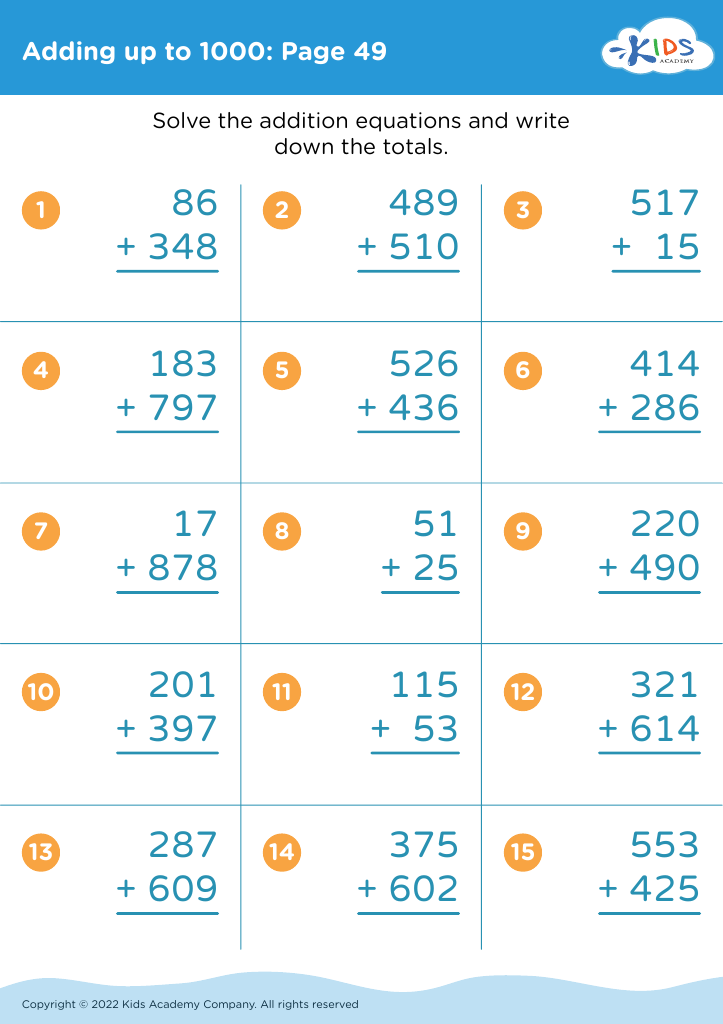
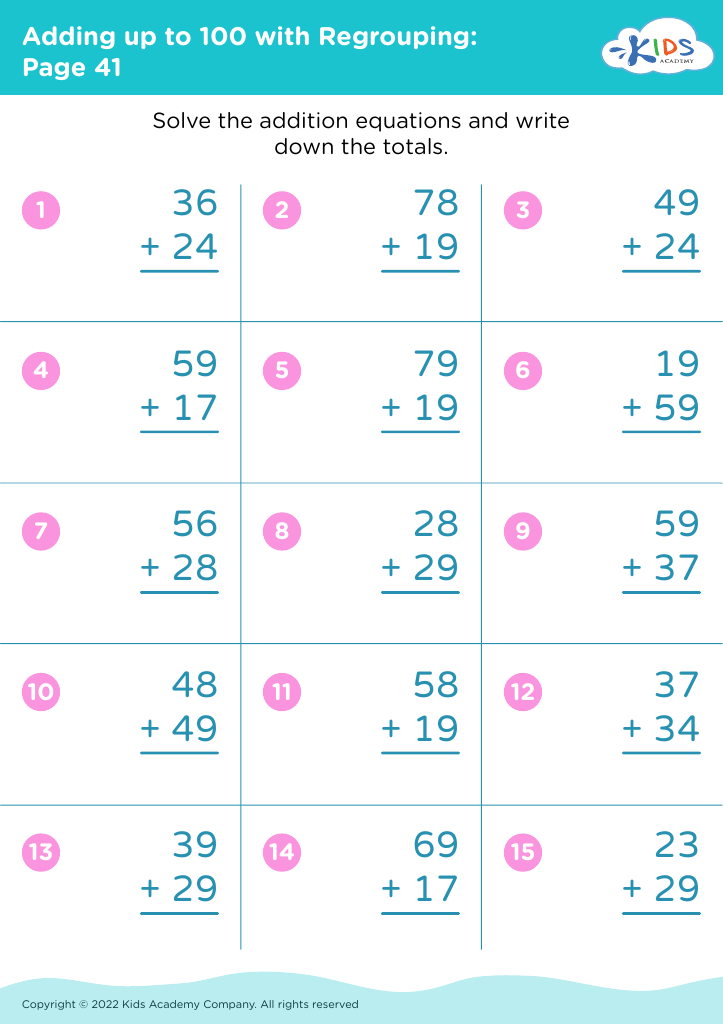
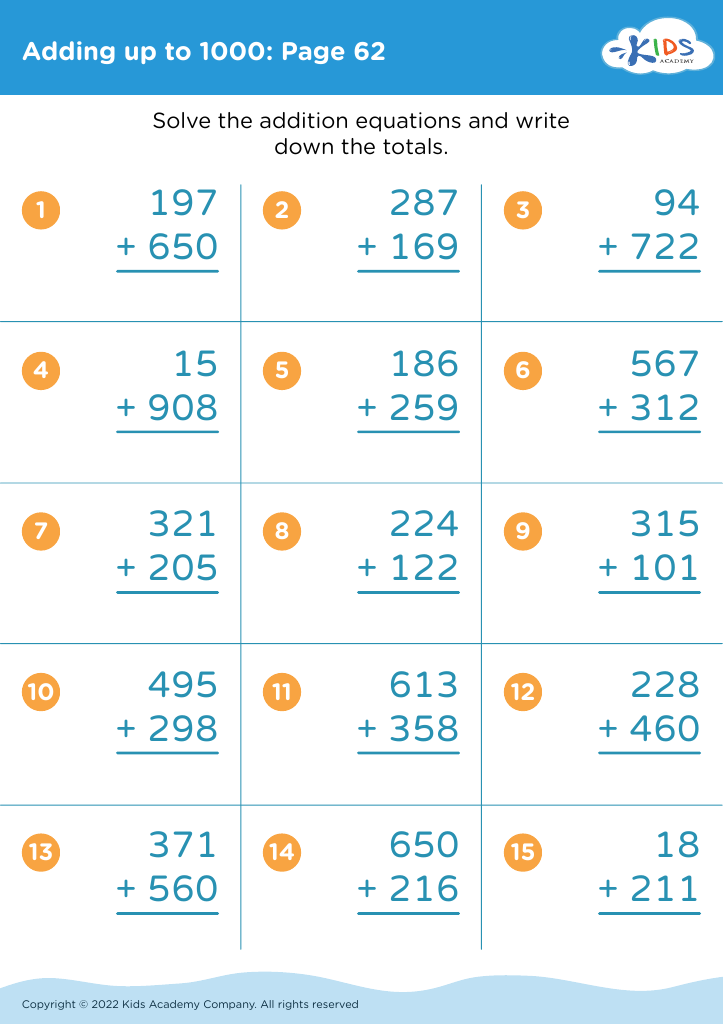
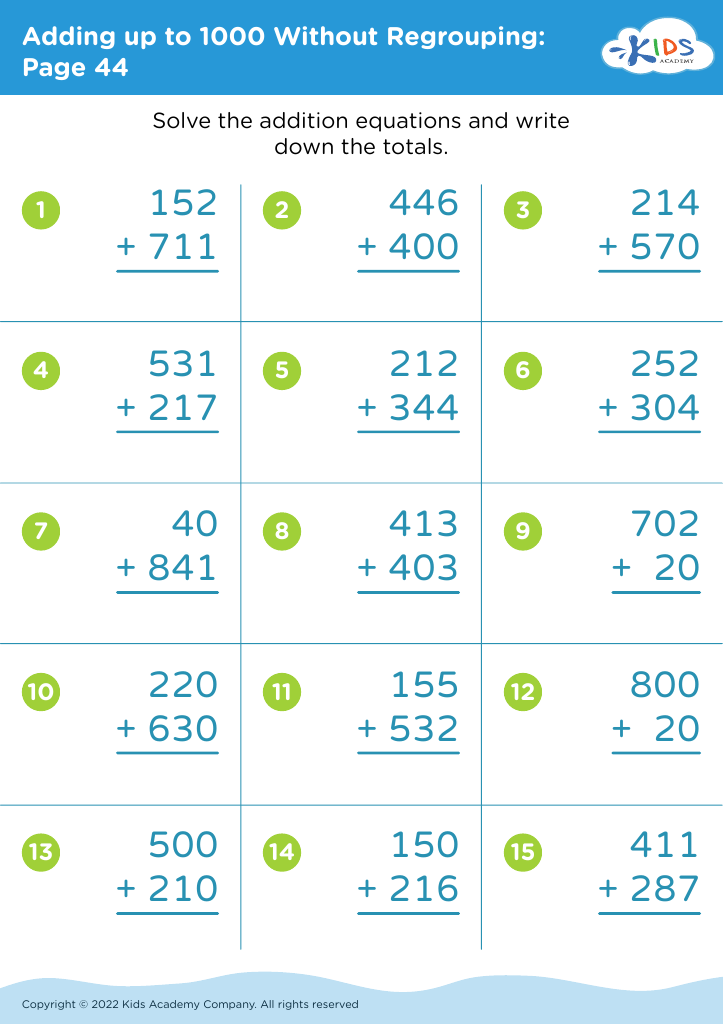
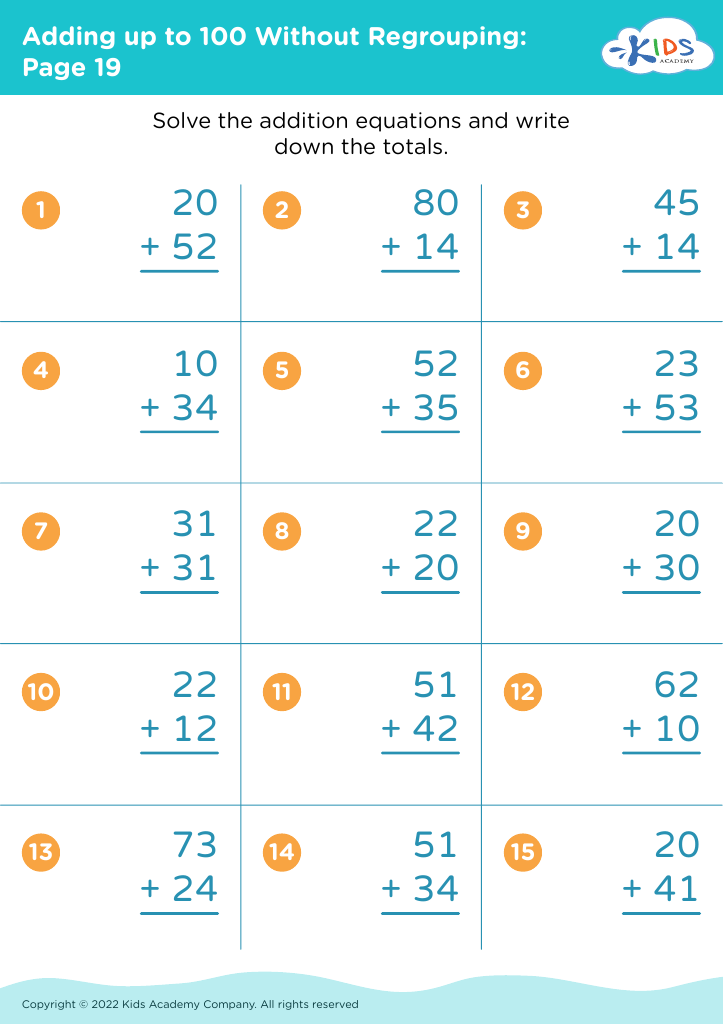
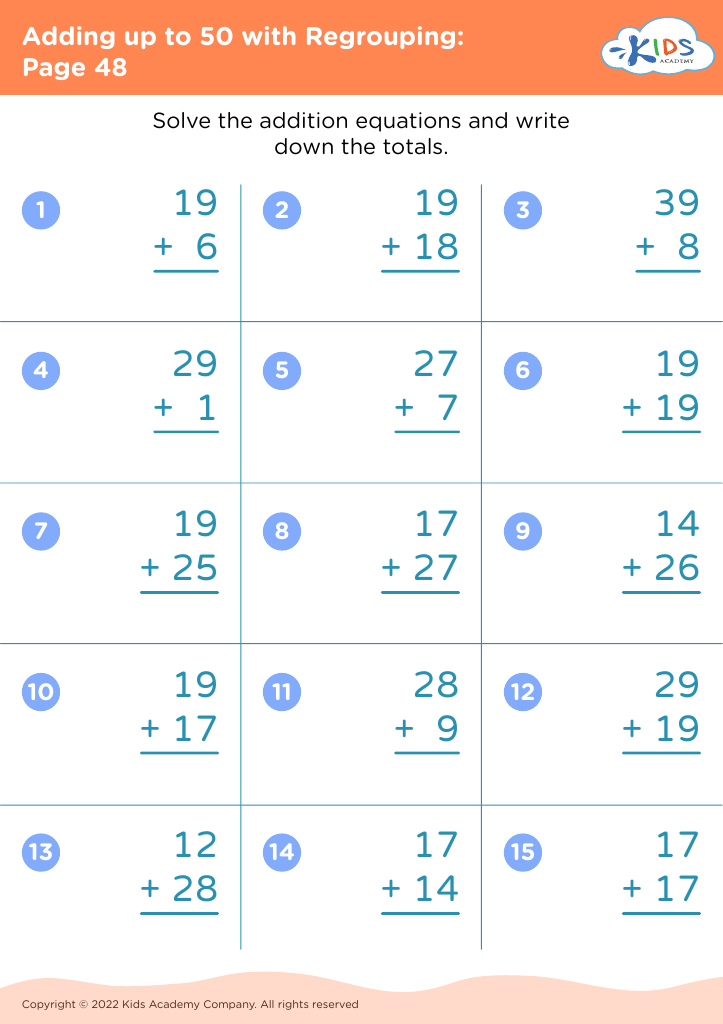
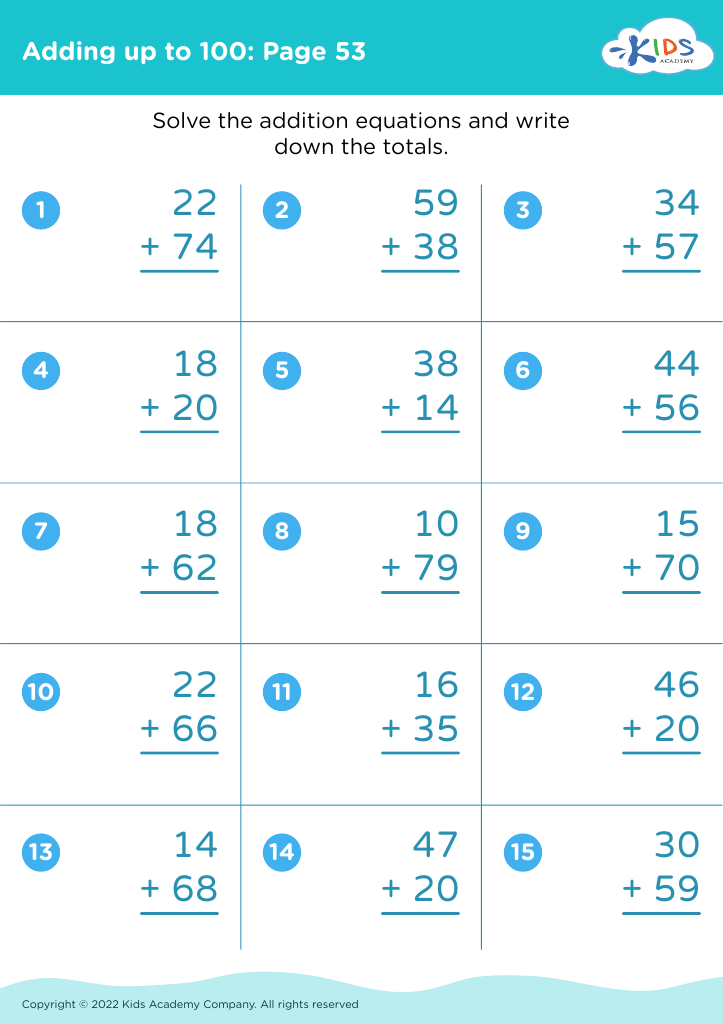
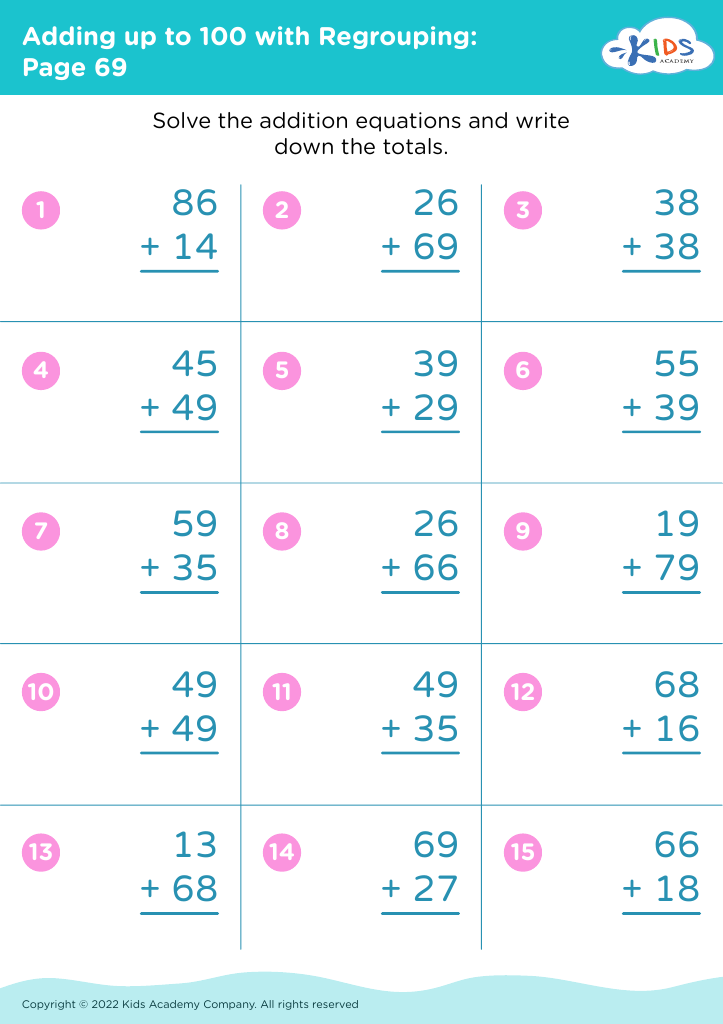
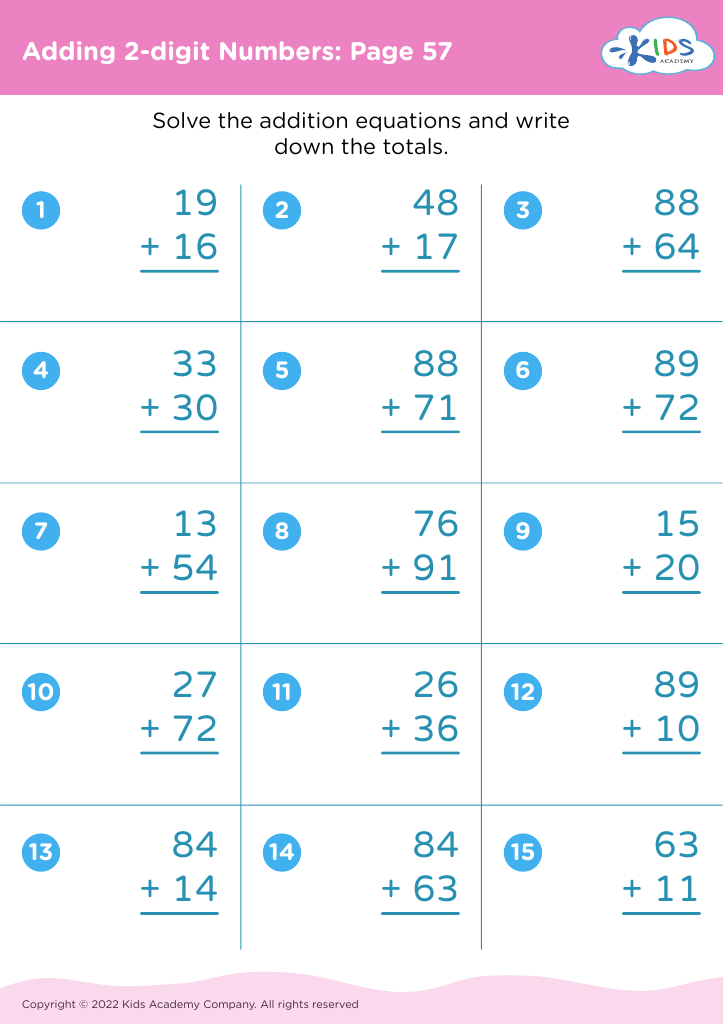
Enhance your second grader’s math skills with our comprehensive "Fraction Comparison Grade 2 Addition & Subtraction Worksheets." Tailored specifically for Grade 2, these engaging worksheets simplify the concepts of comparing fractions, addition, and subtraction. Each printable is designed to reinforce students' understanding through fun and interactive activities, ensuring they master basic fraction comparison while building confidence in their addition and subtraction abilities. Ideal for classroom use or extra practice at home, our worksheets provide a solid foundation for future math success. Empower your child with essential math skills using Kids Academy's expertly crafted educational resources!








Fraction comparison, even at an early grade level such as Grade 2, is a foundational skill that sets the stage for more advanced mathematical concepts. For parents and teachers, understanding the importance of teaching fraction comparison alongside basic addition and subtraction cannot be overstated. First, introducing fractions early helps students grasp the concept of numbers being more than whole units, which is crucial for developing their number sense. This primes their ability to handle real-world applications, such as dividing a pizza or measuring ingredients for a recipe.
Additionally, promoting fraction comparison enhances critical thinking. Students learn to evaluate, analyze, and determine the relationships between different fractions, which can make them better problem-solvers. When these lessons are integrated with addition and subtraction, it solidifies their understanding. They see how fractions and whole numbers can work together, building a smoother transition to more complex arithmetic and algebra in later grades.
Furthermore, early mastery of these concepts can lead to greater confidence in math skills overall. This confidence often translates to higher academic performance and a more positive attitude toward learning. Therefore, parents and teachers should pay careful attention to this crucial step in early math education, fostering both computational skills and logical reasoning in children.