Identifying Animals Grade 2 Addition & Subtraction Worksheets
3 filtered results
-
From - To
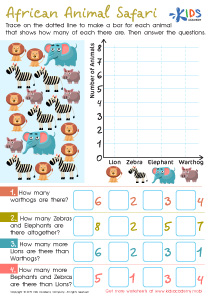
Introduce your second-grade students to math and nature with our "Identifying Animals Grade 2 Addition & Subtraction Worksheets." These engaging worksheets combine fun animal identification with essential math skills practice. Children will enjoy colorful illustrations of various animals while solving addition and subtraction problems designed to enhance their arithmetic abilities. Ideal for both classroom and home use, these worksheets promote critical thinking, boost confidence in math, and expand students' knowledge of the animal kingdom. Perfect for young learners, these educational activities provide a balanced approach to learning, making math enjoyable and enriching. Download today and inspire curiosity and competence in your students!
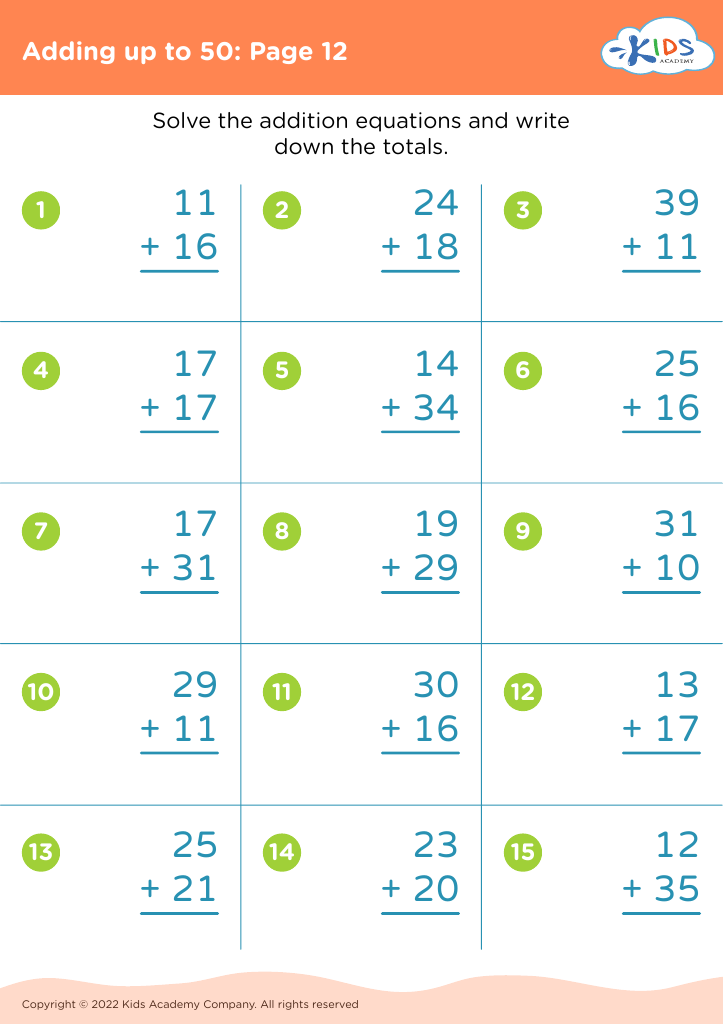
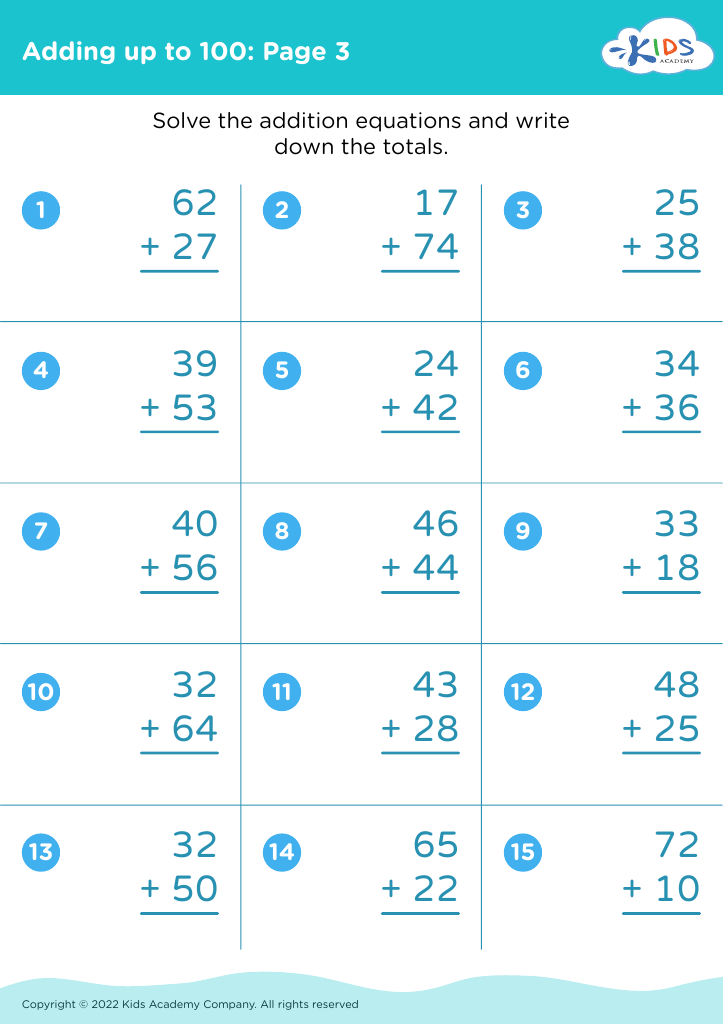
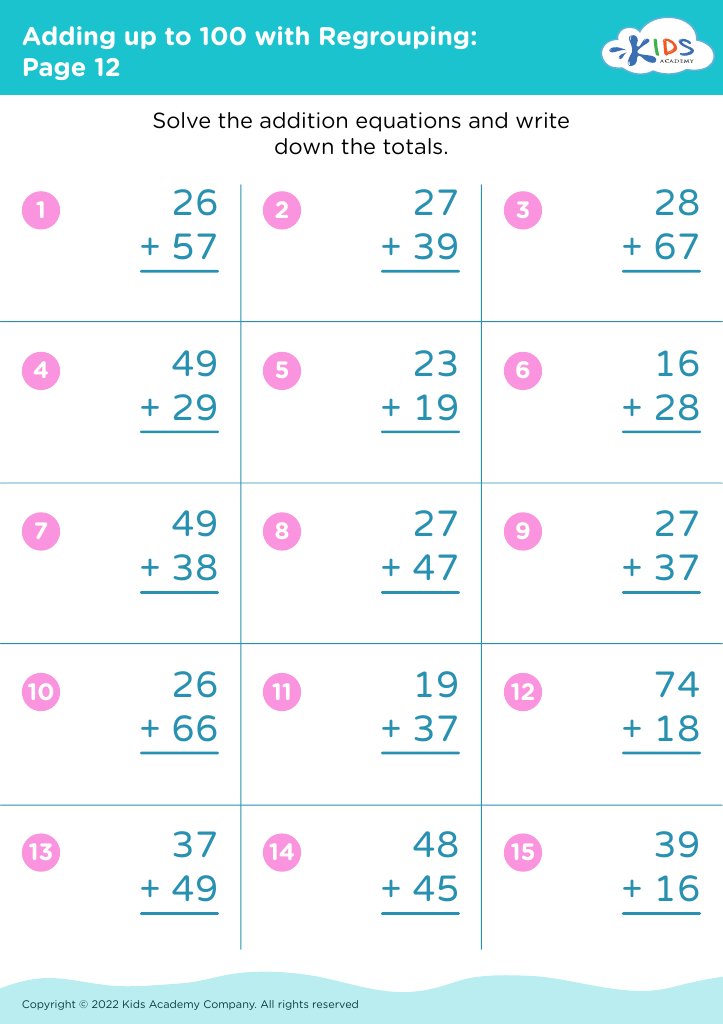








Parents and teachers should care about activities like "Identifying Animals Grade 2 Addition & Subtraction" because they provide a multifaceted approach to learning that integrates key academic skills and real-world knowledge.
Firstly, these activities enhance mathematical proficiency in a fun and engaging way. Second graders are at a critical stage in developing foundational arithmetic skills. Incorporating addition and subtraction into a context like identifying animals allows students to practice these skills more enthusiastically. Engaging multiple senses and interests can deepen comprehension and improve retention.
Secondly, it fosters cross-disciplinary learning. Understanding and identifying animals taps into scientific knowledge and curiosity about the natural world. This dual focus can spark a lifelong interest in both math and science, encouraging kids to see these subjects as interconnected rather than isolated disciplines.
Lastly, these activities support cognitive and social development. Problem-solving exercises enhance critical thinking and numeracy skills. Furthermore, discussing animal facts can improve literacy and vocabulary, especially through collaborative activities that encourage communication and teamwork among the students.
Integrating varied academic domains in a single activity, like identifying animals while practicing math, makes learning holistic and more meaningful, setting a robust foundation for future educational success.