Improving mathematical skills Grade 2 Addition & Subtraction Worksheets
4 filtered results
-
From - To
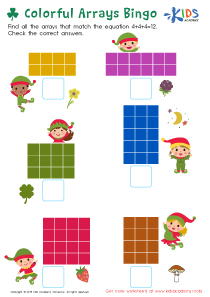
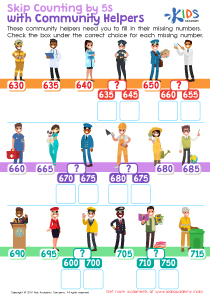
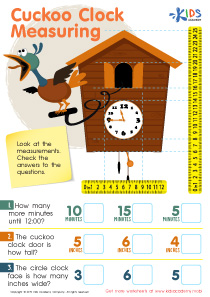
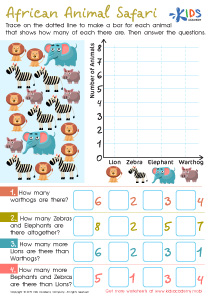
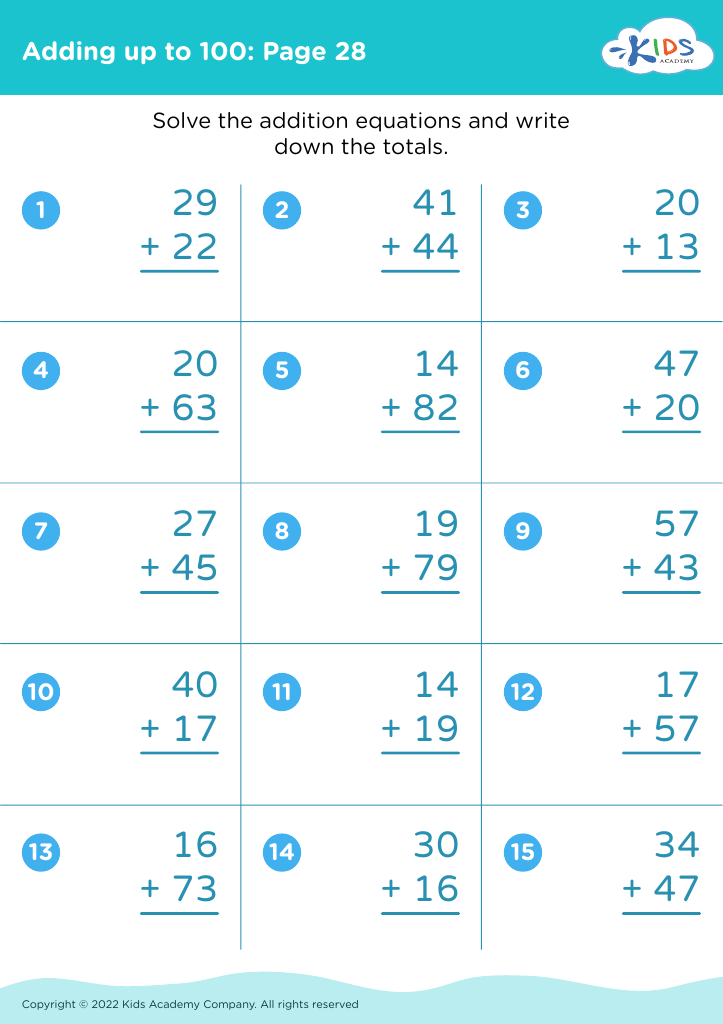
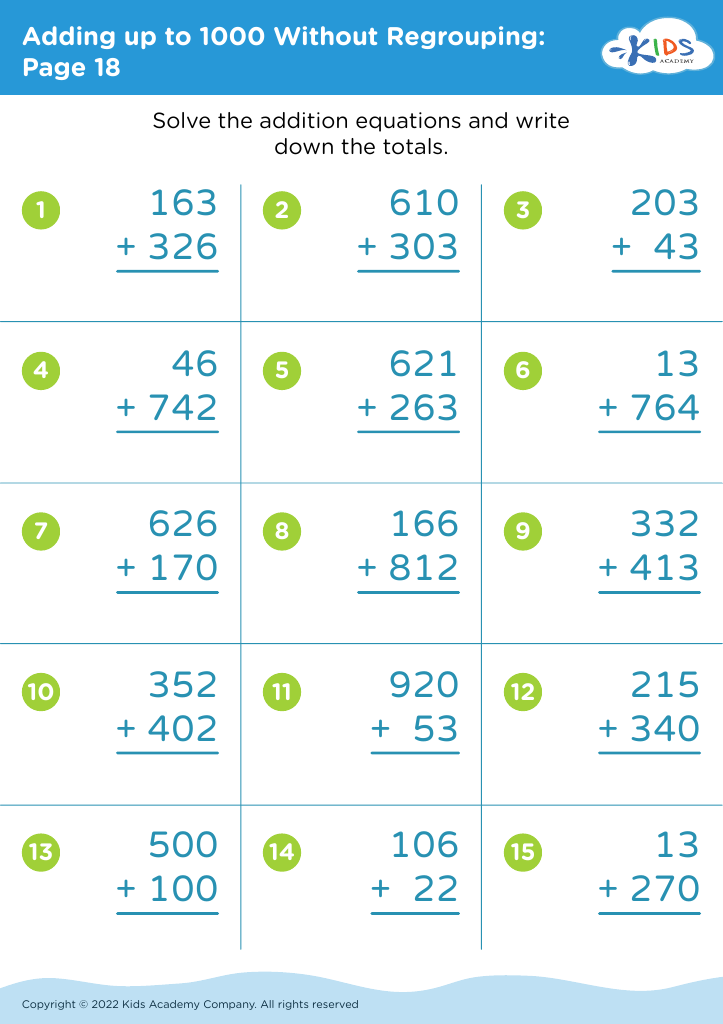
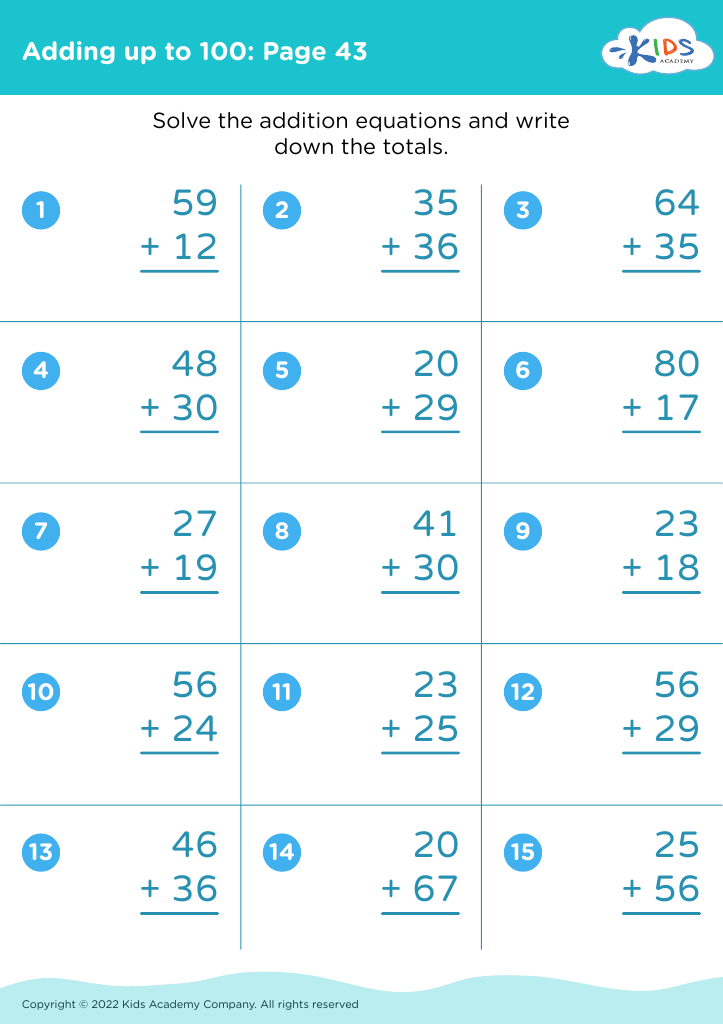
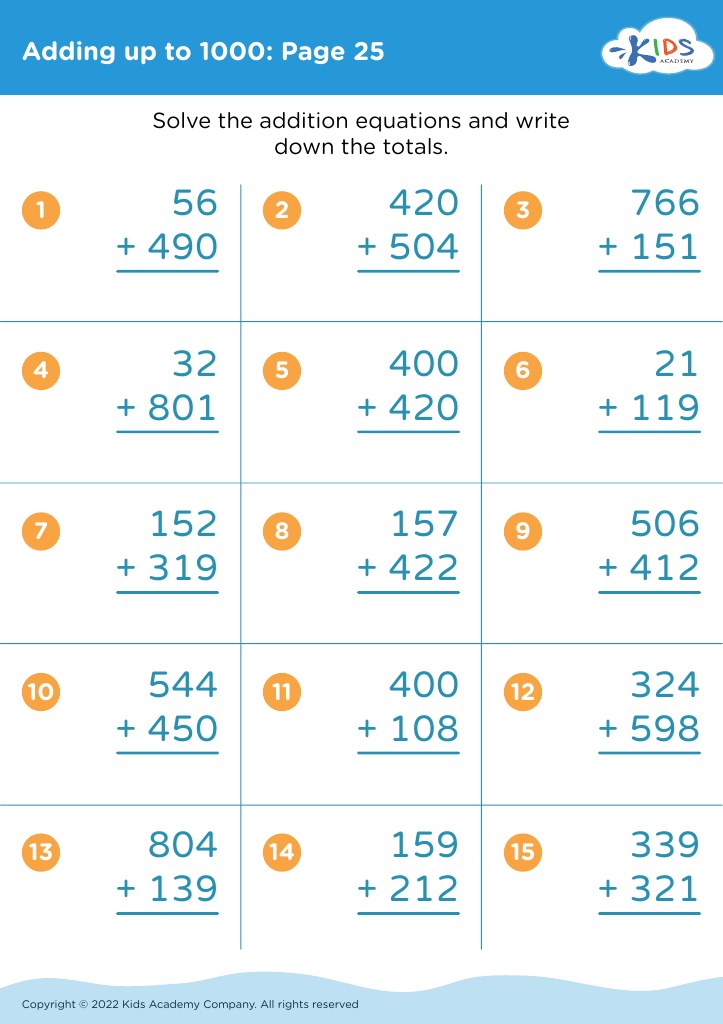
Boost your child's math proficiency with our "Improving Mathematical Skills: Grade 2 Addition & Subtraction Worksheets"! Specifically curated for second graders, these engaging worksheets offer a variety of addition and subtraction problems to strengthen essential math skills. With visually appealing exercises and a clear, structured approach, students build confidence and accuracy in solving equations. Whether for classroom use or additional practice at home, these worksheets are designed to make learning fun and effective. Download now to support your child's math journey and watch them excel in their numerical understanding and problem-solving abilities!








Improving mathematical skills in Grade 2, particularly in areas like addition and subtraction, is vitally important for several reasons. At this stage, children are developing foundational skills that are crucial for their academic future. Mastery of basic arithmetic boosts their confidence and builds a solid groundwork for more complex mathematical concepts they will encounter later.
Parents and teachers should care because proficiency in math is linked to essential life skills, such as problem-solving, logical thinking, and critical reasoning. These early math skills also translate to better performance in other subjects and outside of school in everyday tasks like handling money or time management. By ensuring young students understand and can quickly perform basic addition and subtraction, we help them succeed in tests and assessments, align them with educational standards, and provide a less stressful, more enjoyable learning experience.
Moreover, positive early experiences with math can influence children's attitudes toward the subject, fostering a mindset that regards math as both fun and approachable, rather than intimidating. When parents and teachers prioritize improving these skills, they not only contribute to academic achievement but also empower children with a foundation for lifelong learning and curiosity about the world around them.