Improving observation skills Grade 2 Addition & Subtraction Worksheets
3 filtered results
-
From - To
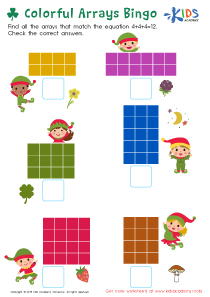
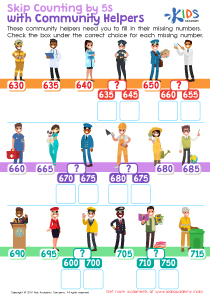
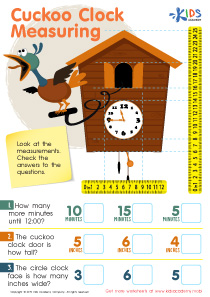
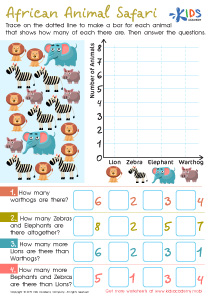
Enhance your second grader's mathematical skills with our "Improving Observation Skills" worksheets focused on addition and subtraction. These engaging worksheets help students develop their ability to observe details and analyze problems effectively. By interpreting visual cues and patterns, children will gain confidence as they tackle math problems. Our user-friendly format encourages independent practice while reinforcing essential skills that lay a strong foundation for future learning. With a variety of exercises that combine fun and education, your child will enjoy honing their observation skills while mastering addition and subtraction. Explore our resources and empower your child for academic success!
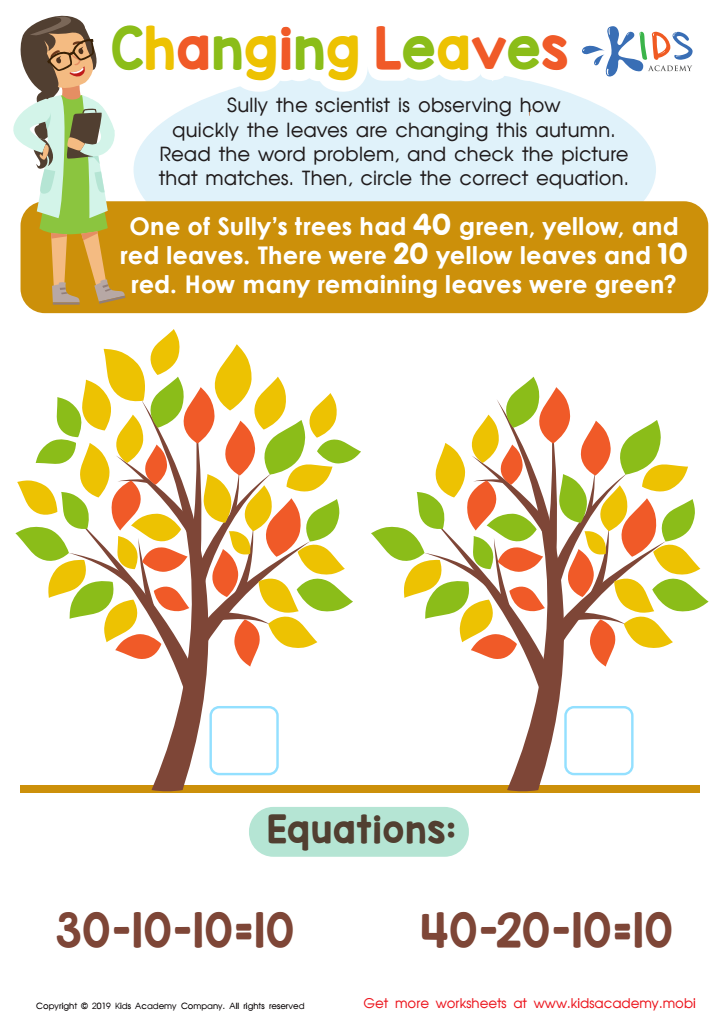
Changing Leaves Worksheet
 Assign to My Students








Improving observation skills in Grade 2 addition and subtraction is crucial for both parents and teachers. At this foundational stage, students are not only learning computational skills but are also developing critical thinking and problem-solving abilities. Enhanced observation skills enable children to recognize patterns, relationships, and discrepancies within mathematical problems, fostering a deeper conceptual understanding rather than rote memorization.
When parents and teachers prioritize observing students' thought processes and strategies as they tackle addition and subtraction, they can tailor support to meet individual needs. This understanding allows educators to differentiate instruction, addressing diverse learning styles and paces within the classroom. Furthermore, encouraging children to articulate their reasoning helps build communication skills, promoting a growth mindset as they learn from mistakes and successes.
Moreover, observation promotes engagement and motivation. Students who feel seen and heard are more likely to take risks and explore mathematical concepts innovatively. For parents, supporting observation in homework or recreational math activities strengthens bonds while cultivating enthusiasm for math at home. Ultimately, improving observation skills in early math education lays the groundwork for future academic success and instills confidence, critical thinking, and resilience in young learners, equipping them with essential skills for lifelong learning.