Learn new vocabulary Grade 2 Addition & Subtraction Worksheets
4 filtered results
Difficulty Level
Grade
Age
-
From - To
Subject
Activity
Standards
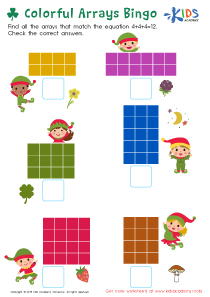
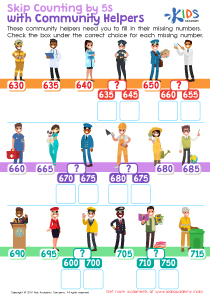
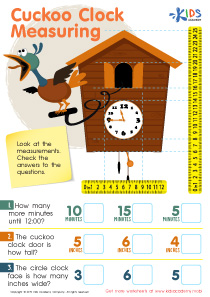
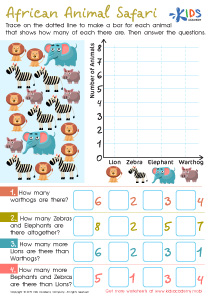
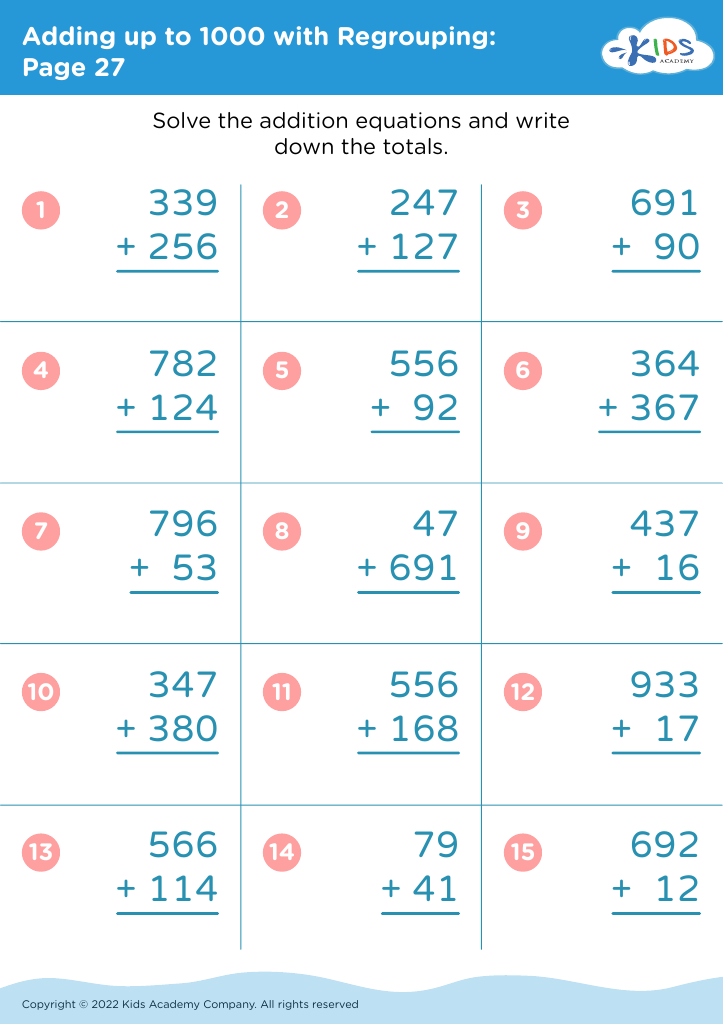
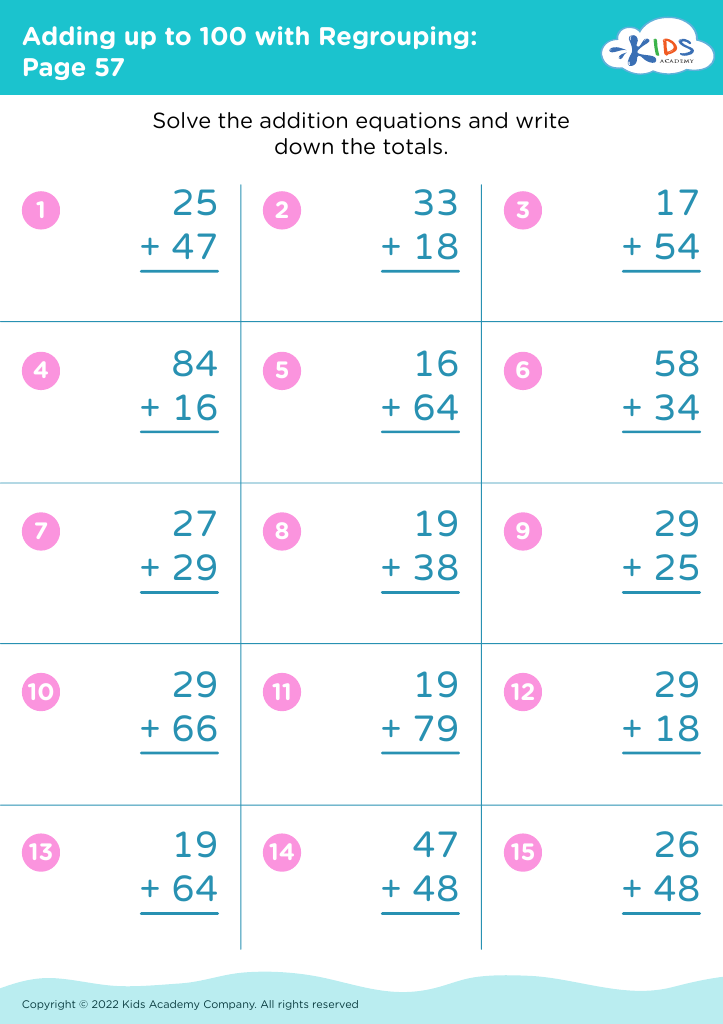
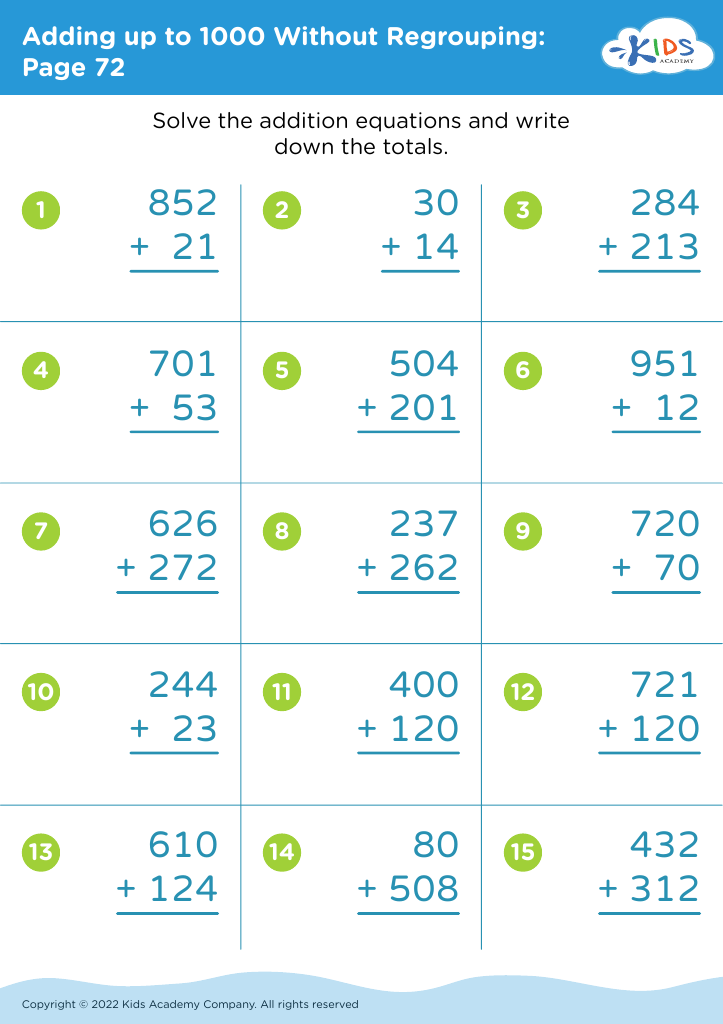
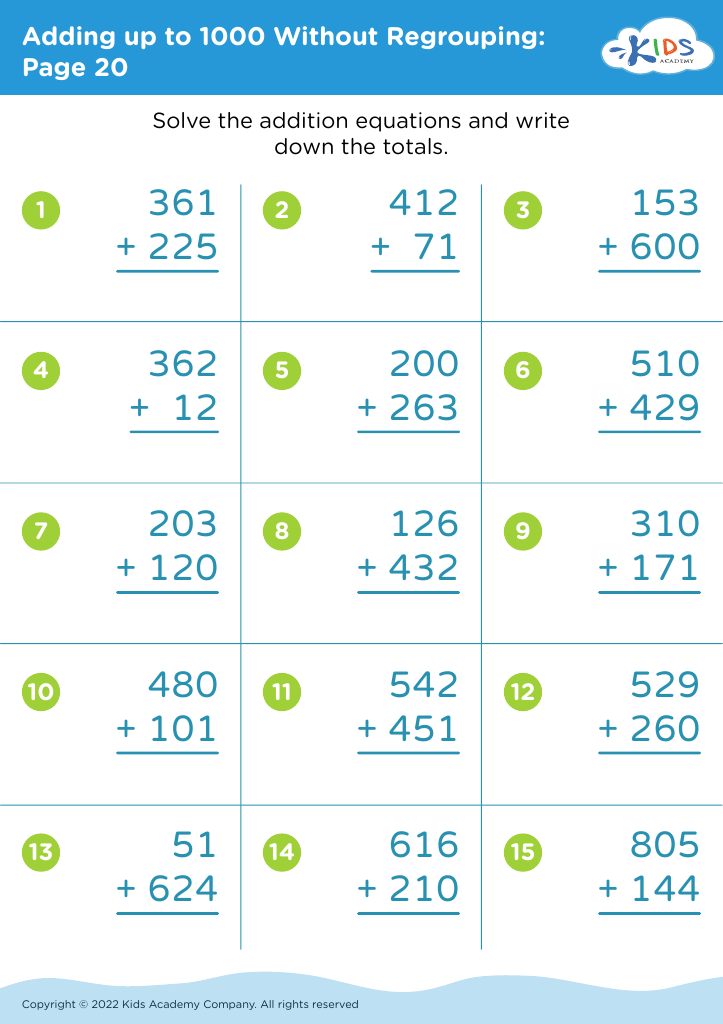
Enhance your second grader's math skills with our "Learn New Vocabulary Grade 2 Addition & Subtraction Worksheets"! Designed specifically for young learners, these printable worksheets combine essential math concepts with engaging vocabulary-building activities. Students will explore key terms related to addition and subtraction, helping to strengthen their understanding while reinforcing their language skills. With fun visuals and interactive exercises, these worksheets make learning enjoyable. Ideal for at-home practice or classroom use, they provide a well-rounded approach to mastering math vocabulary, ensuring your child builds confidence in both language and numerical abilities. Download now to empower your child's learning journey!
Favorites
With answer key
Interactive
Join Kids Academy for Free
Who is primarily going to use this learning content?








In Grade 2, students develop foundational math skills that are crucial for their academic success, and part of that foundation includes vocabulary related to addition and subtraction. Parents and teachers should recognize that a solid understanding of math language enhances a child's ability to articulate their thought processes, solve problems, and engage in discussions about mathematical concepts.
When children learn terms like "sum," "difference," "addend," and "decompose," they start to think critically about numbers and their relationships. This vocabulary enables them to better understand word problems, follow instructions, and communicate their reasoning. Consequently, incorporating vocabulary lessons alongside math practice reinforces students' comprehension and retention.
Moreover, strong vocabulary in math fosters confidence and encourages students to explore more complex mathematical challenges in the future. Parents can support this by engaging in conversations about math vocabulary during everyday activities, while teachers can integrate these terms into classroom instruction and activities. By actively involving both parents and teachers, children are given comprehensive support, ensuring they become proficient not only in mathematical operations but also in using the language that describes them. Ultimately, this approach nurtures well-rounded learners and equips them with the skills they need for upcoming academic challenges.