Mathematical reasoning Grade 2 Addition & Subtraction Worksheets
22 filtered results
Difficulty Level
Grade
Age
-
From - To
Subject
Activity
Standards
Unlock the power of mathematical reasoning with our Grade 2 Addition and Subtraction Worksheets! Designed specifically for young learners, these engaging printable activities help students develop critical thinking skills as they master fundamental addition and subtraction concepts. Our worksheets feature a variety of problem types, including word problems and visual aids, to enhance understanding and retention. Perfect for classroom use or home practice, these resources are aligned with educational standards to ensure your child builds a strong math foundation. Explore our colorful and interactive worksheets today, and watch your child’s confidence in math soar! Start their journey towards mastering math reasoning now!
Favorites
With answer key
Interactive
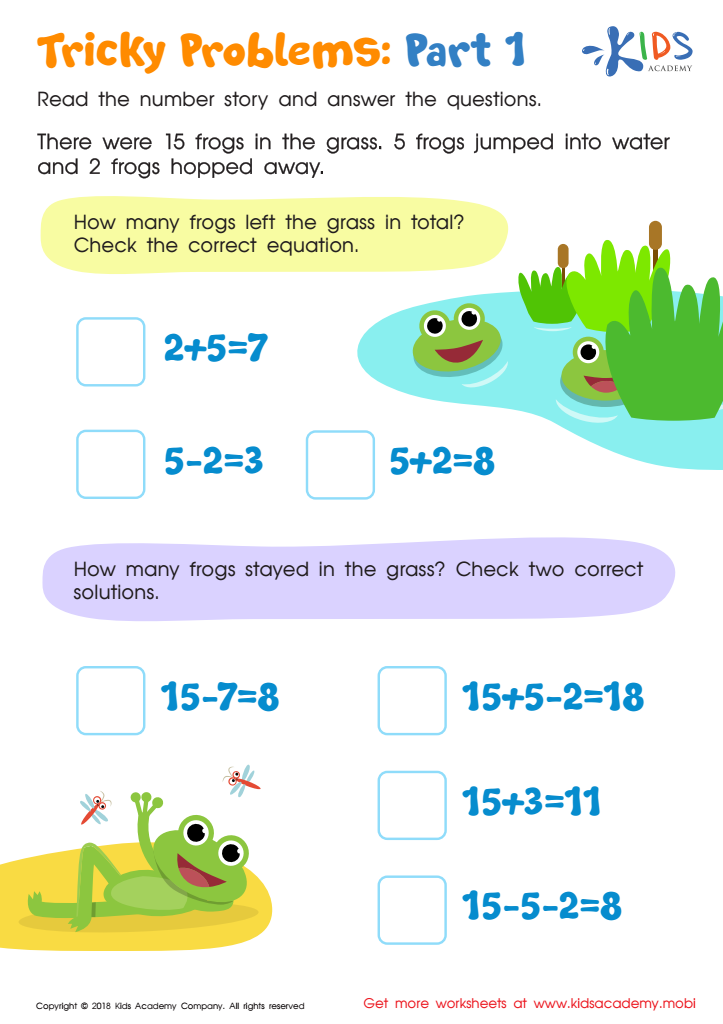
Tricky Problems Worksheet: Part 1
Visualizing word problems can help students solve them. This fun PDF worksheet encourages students to create mental images using math facts, then check boxes to match the equations for basic addition problems. It's a great way to build confidence in solving math.
 Assign to My Students
Tricky Problems Worksheet: Part 1
Worksheet
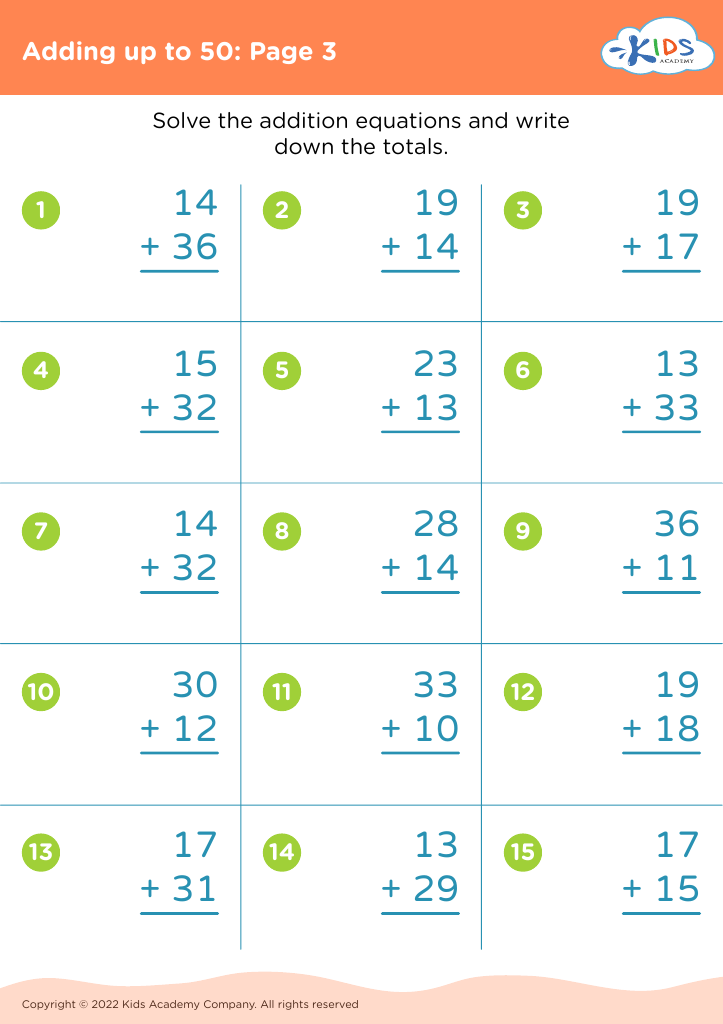
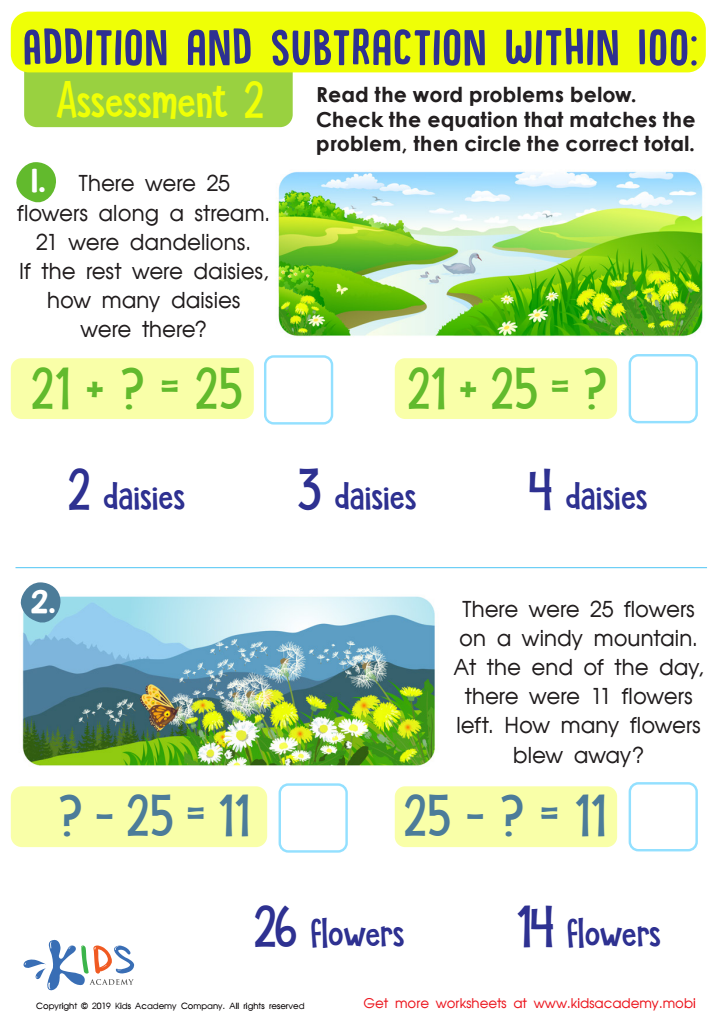
Assessment 2 Math Worksheet
Using fun exercises and pictures, you can get kids excited about math. With practice and reminders of what they've learnt, they'll be solving simple addition and subtraction equations with ease. Read the word problems in the picture to them, then help them check the equation and choose the correct answer.
Assessment 2 Math Worksheet
Worksheet
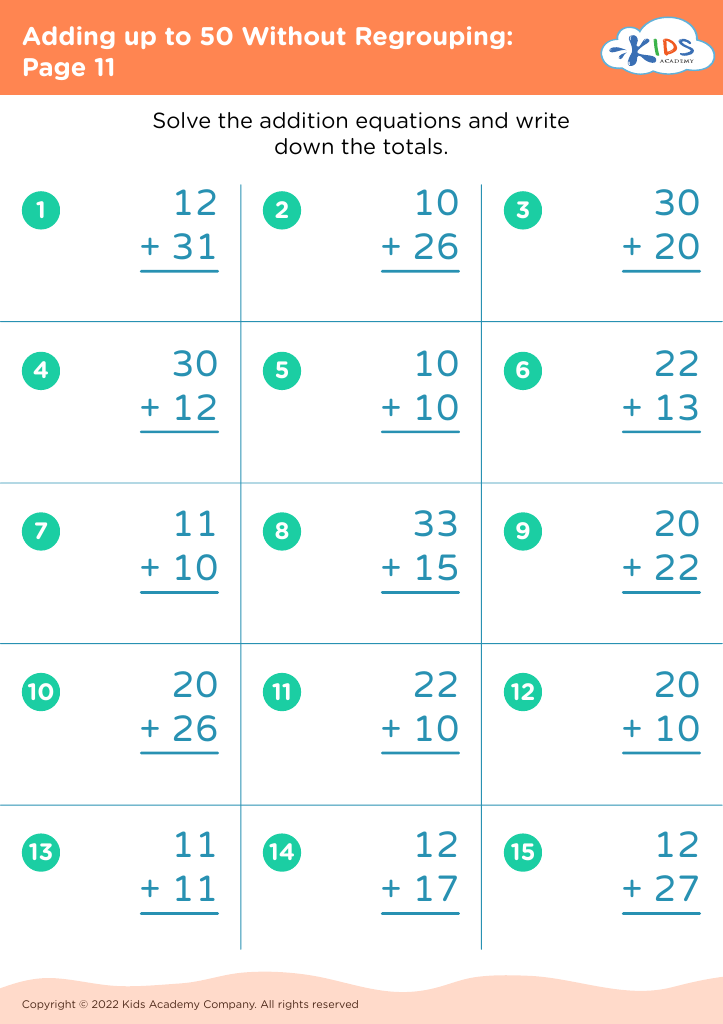
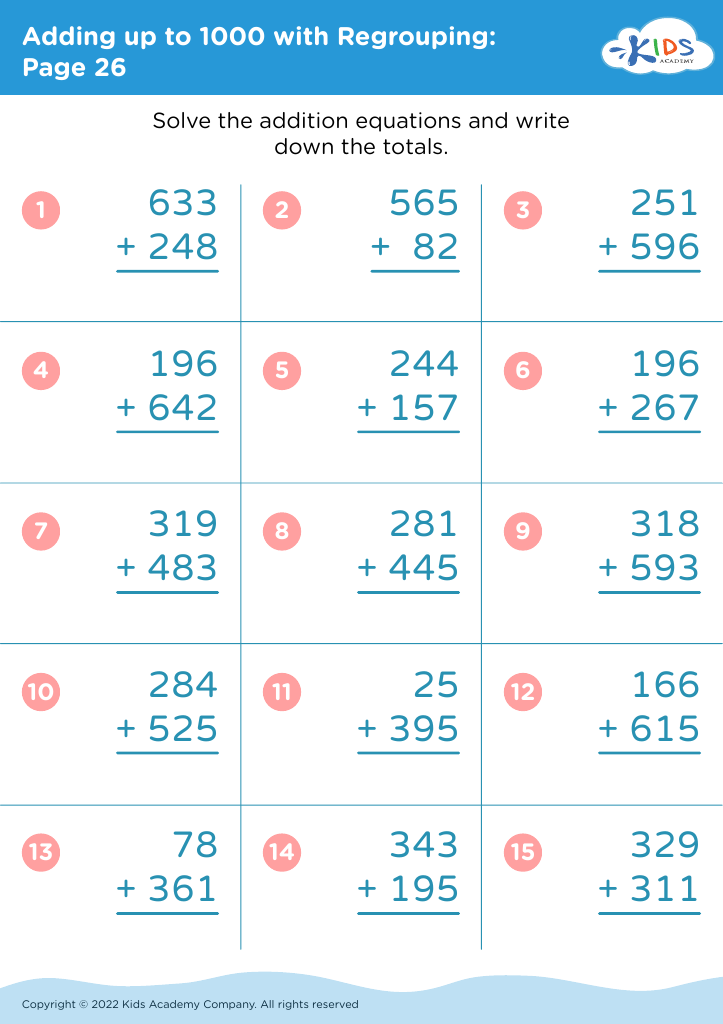
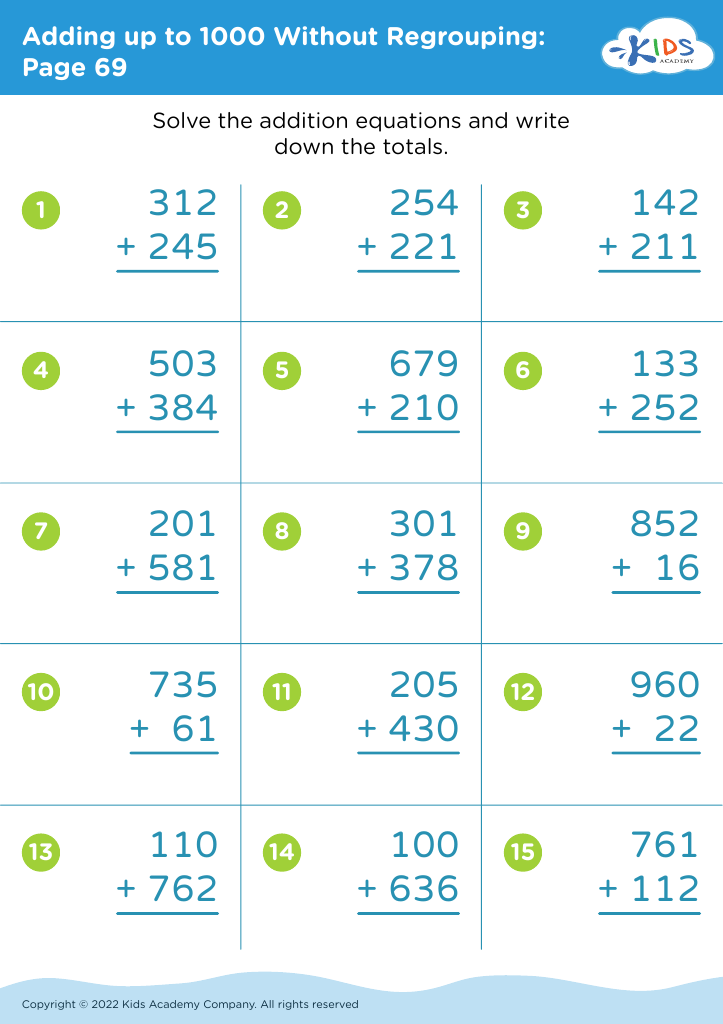
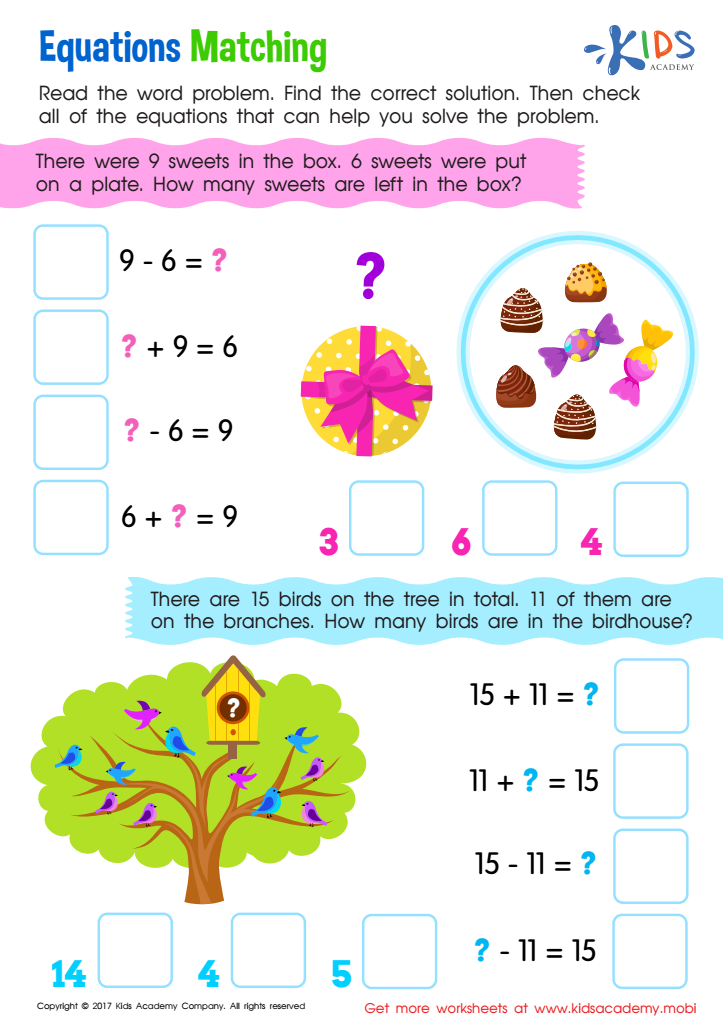
Equations Matching Word Problems Worksheet
Download this worksheet and give your young mathematician practice in solving equations using matching numbers and number family facts. They'll solve word problems, develop critical thinking and algebraic reasoning, and gain success with addition and subtraction.
Equations Matching Word Problems Worksheet
Worksheet
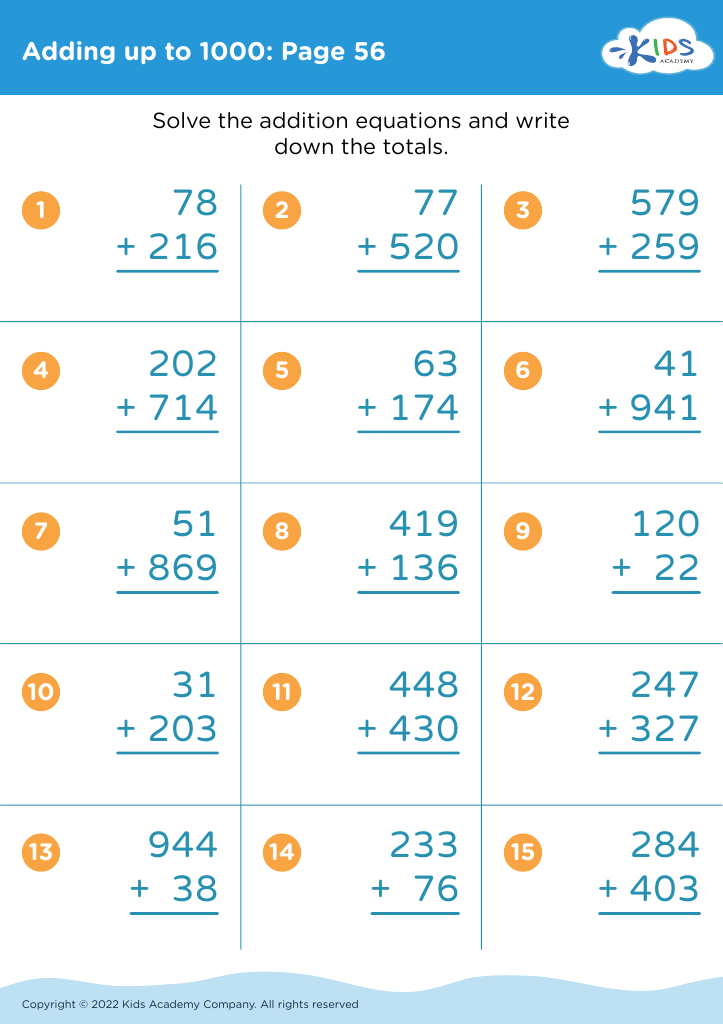
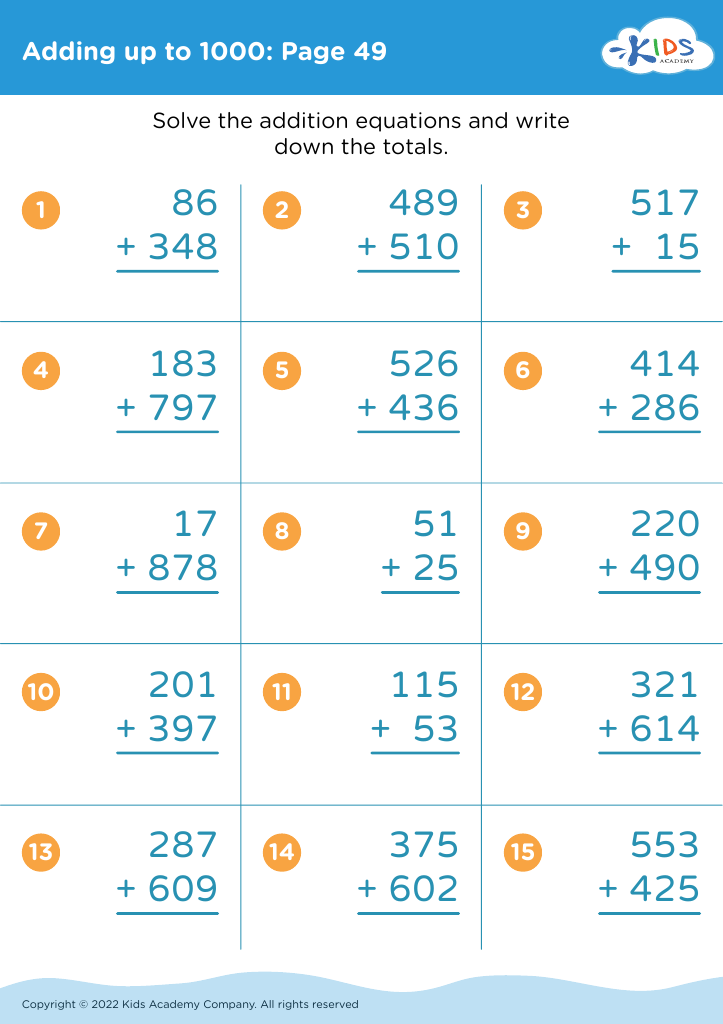
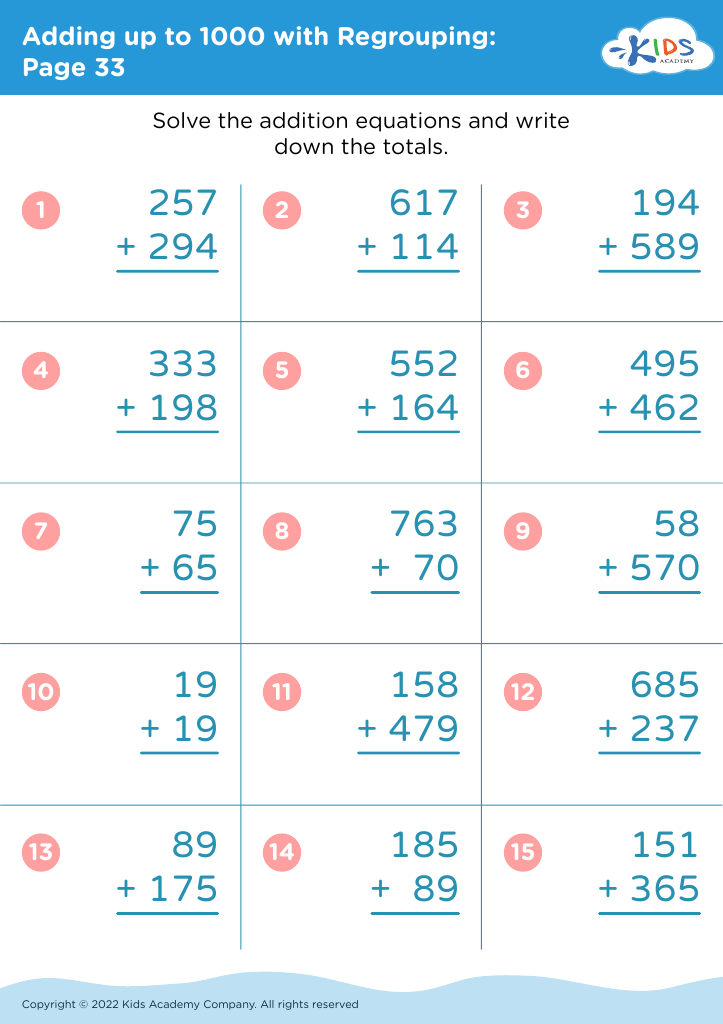
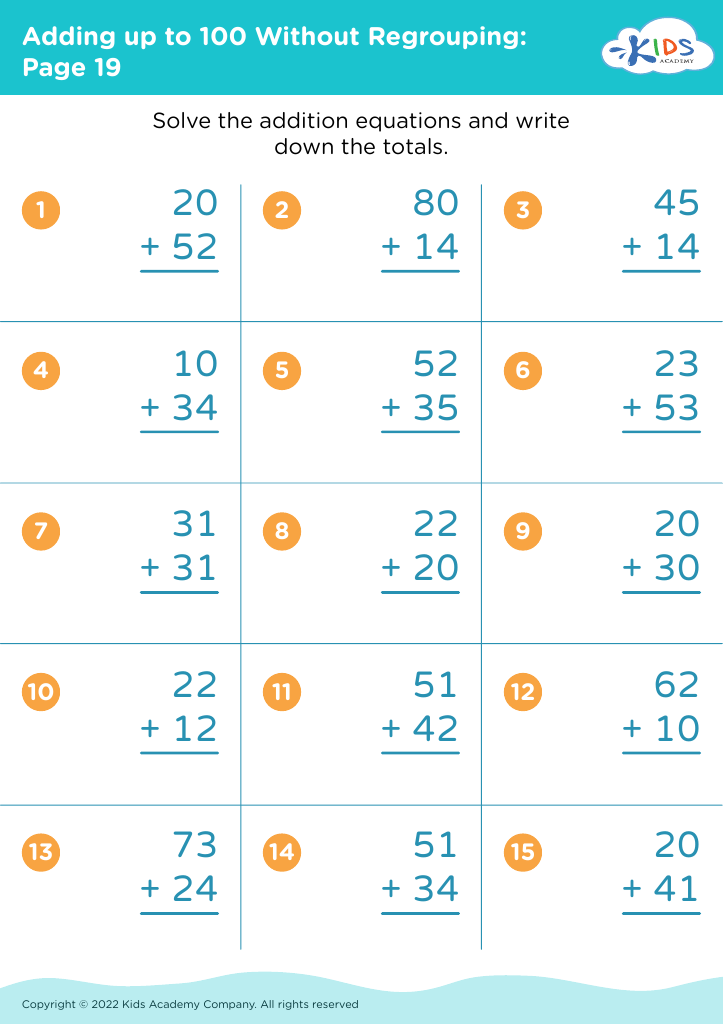
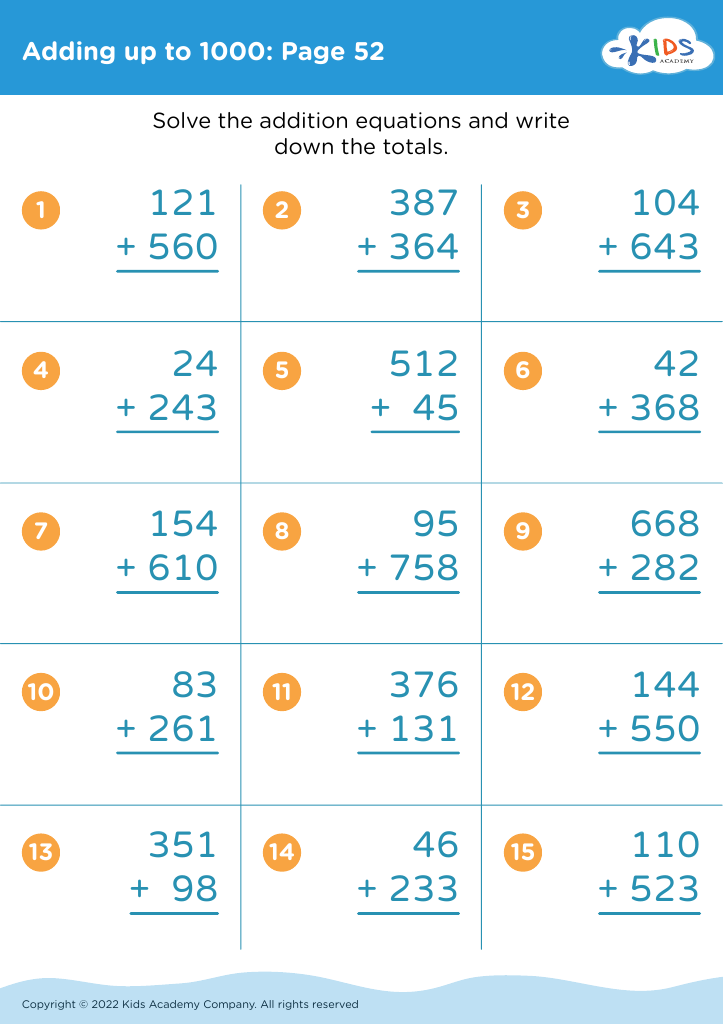
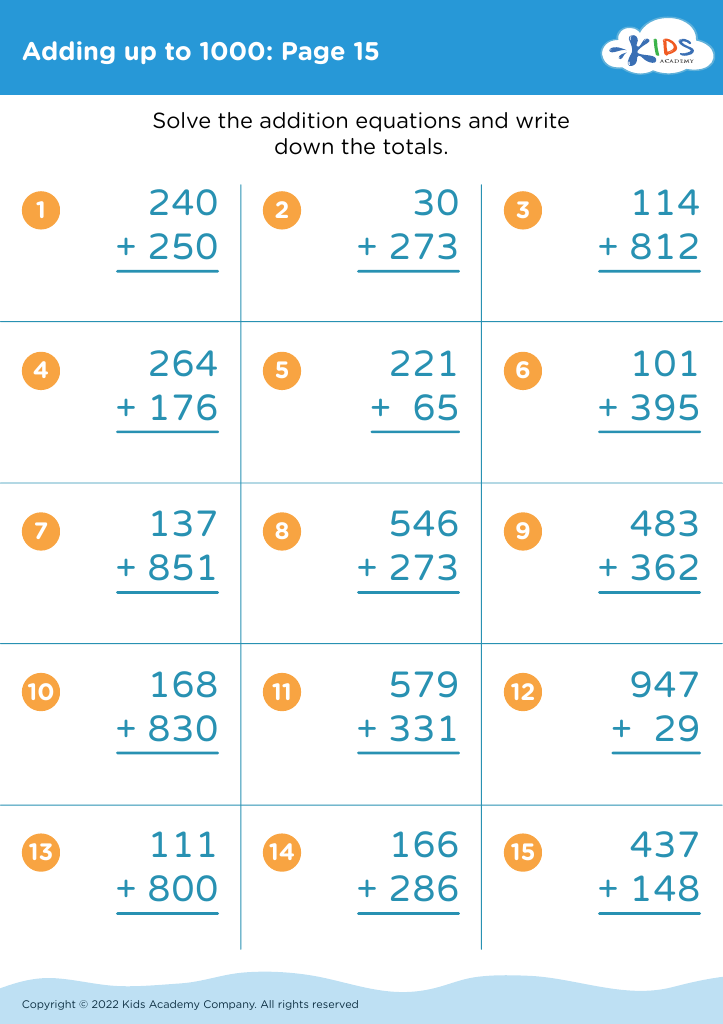
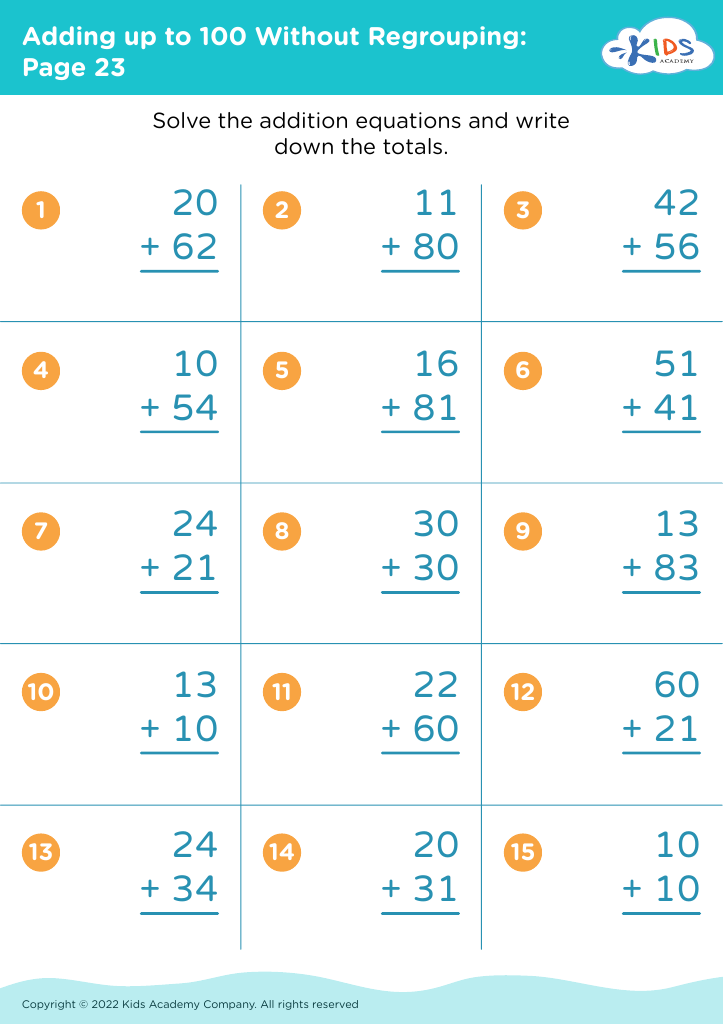
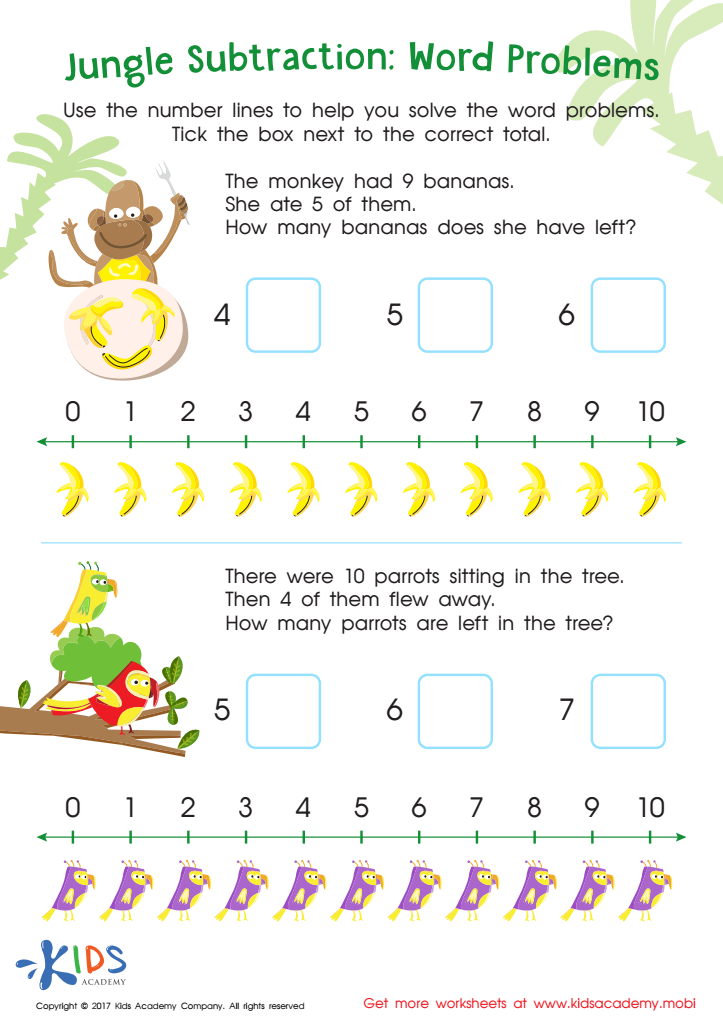
Jungle Subtraction Word Problems Substraction Worksheet
Kids will love this jungle-themed worksheet: subtraction word problems! Help the monkey work out how many bananas he has, using the number line. Encourage your child to use colorful parrots to subtract with ease and make calculations fun!
Jungle Subtraction Word Problems Substraction Worksheet
Worksheet
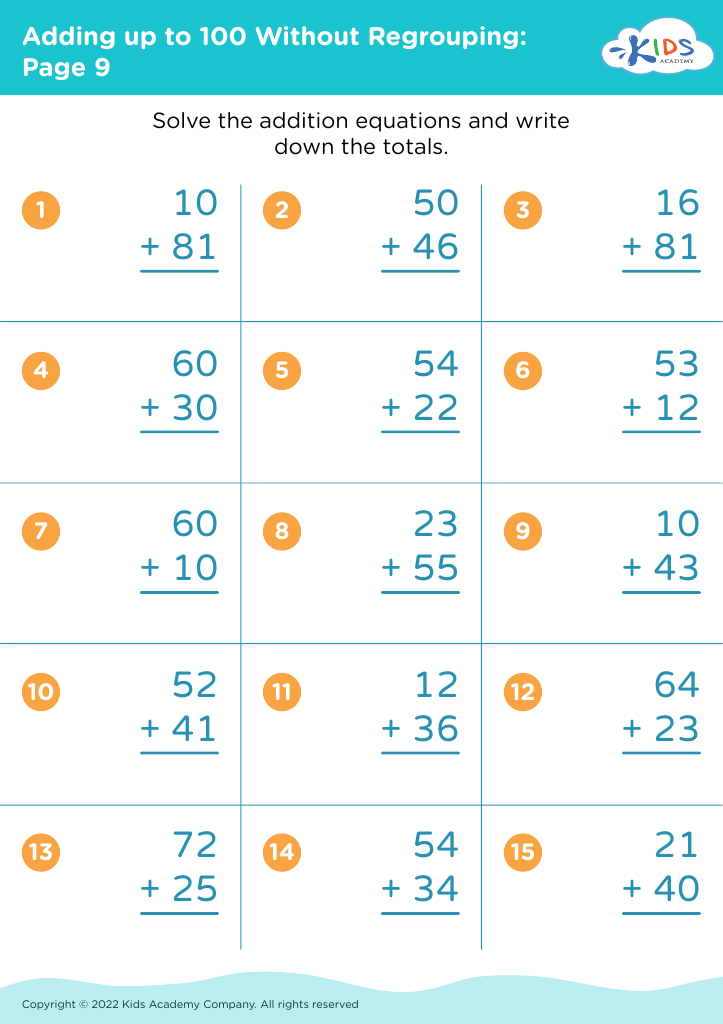
Join Kids Academy for Free
Who is primarily going to use this learning content?








Mathematical reasoning in Grade 2, particularly in addition and subtraction, is crucial for several reasons. At this developmental stage, children build foundational skills that not only enhance their mathematical abilities but also foster critical thinking. Understanding how and why mathematical operations work helps children make connections between concepts, which is essential for solving more complex problems as they progress in their education.
When parents and teachers prioritize mathematical reasoning, they encourage students to grasp the concepts behind addition and subtraction rather than relying solely on memorization of facts. This understanding promotes confidence and fosters a growth mindset, allowing students to approach challenging math problems with resilience.
Moreover, mathematical reasoning enhances everyday problem-solving skills. For instance, children learn to apply addition and subtraction to real-world situations, such as budgeting, measuring, and sharing, creating a practical context for their learning.
Engaging with mathematical reasoning in the classroom and at home not only supports academic success but also cultivates a positive attitude toward mathematics. Ultimately, fostering this skill set lays the groundwork for lifelong learning and curiosity, empowering students to become thoughtful, independent thinkers in all areas of their lives.