Filters

139 filtered results

Clear all filters
Favorites
With answer key
Interactive

139 filtered results

Difficulty Level

Grade


Check out this FREE Grade 2 Trial Lesson on Addition & Subtraction!

Irregular Past Tense Verbs

Favorites
With answer key
Interactive
  • Grade 2
  • Number Recognition
  • Addition & Subtraction
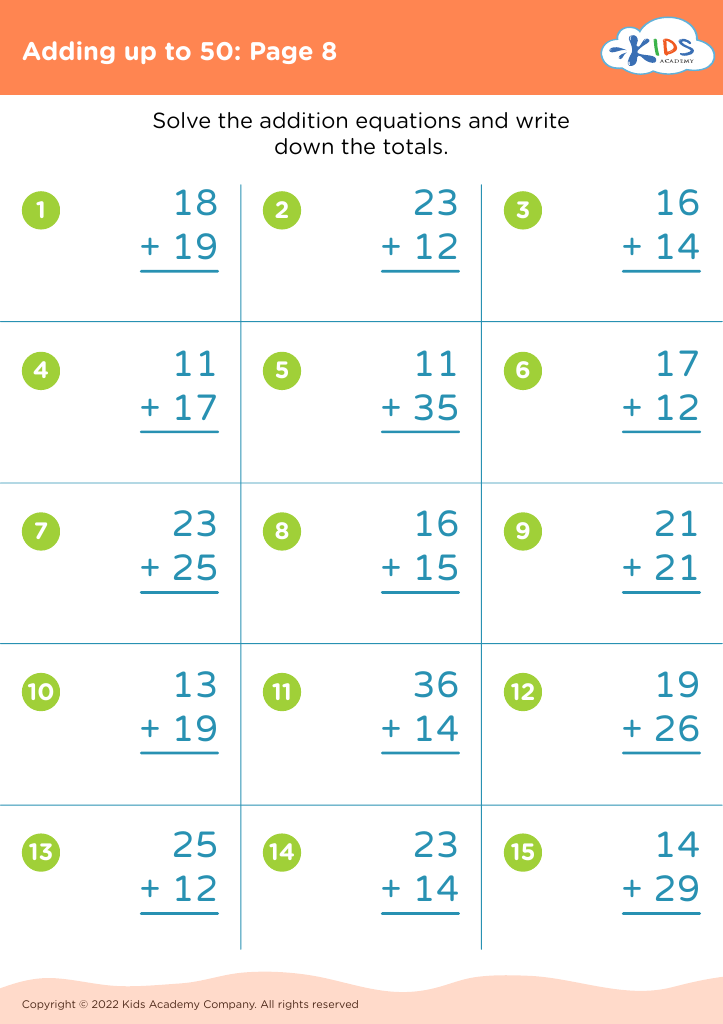
Adding up to 50: Page 8

Adding up to 50: Page 8

Adding up to 50: Page 8
Worksheet
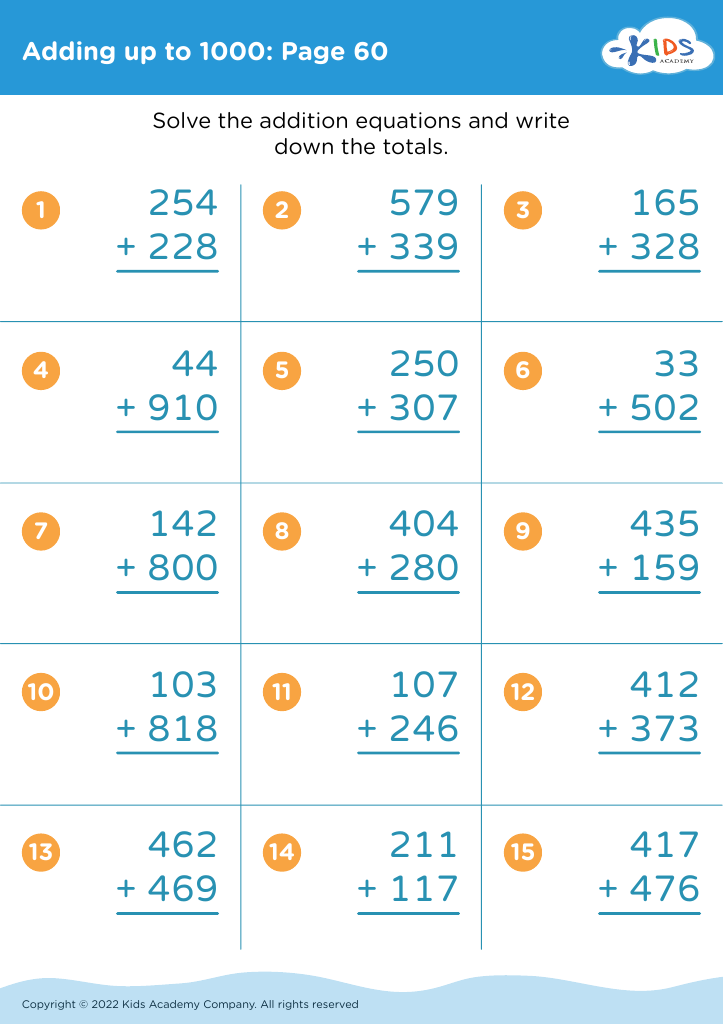
Adding up to 1000: Page 60

Adding up to 1000: Page 60

Adding up to 1000: Page 60
Worksheet
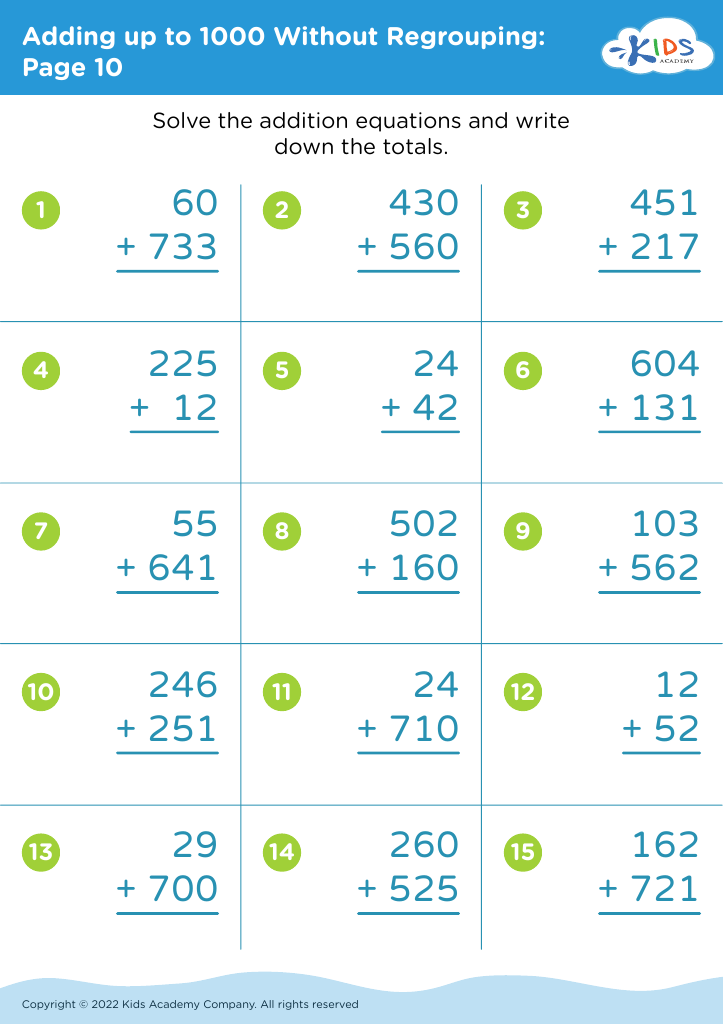
Adding up to 1000 Without Regrouping: Page 10
Worksheet
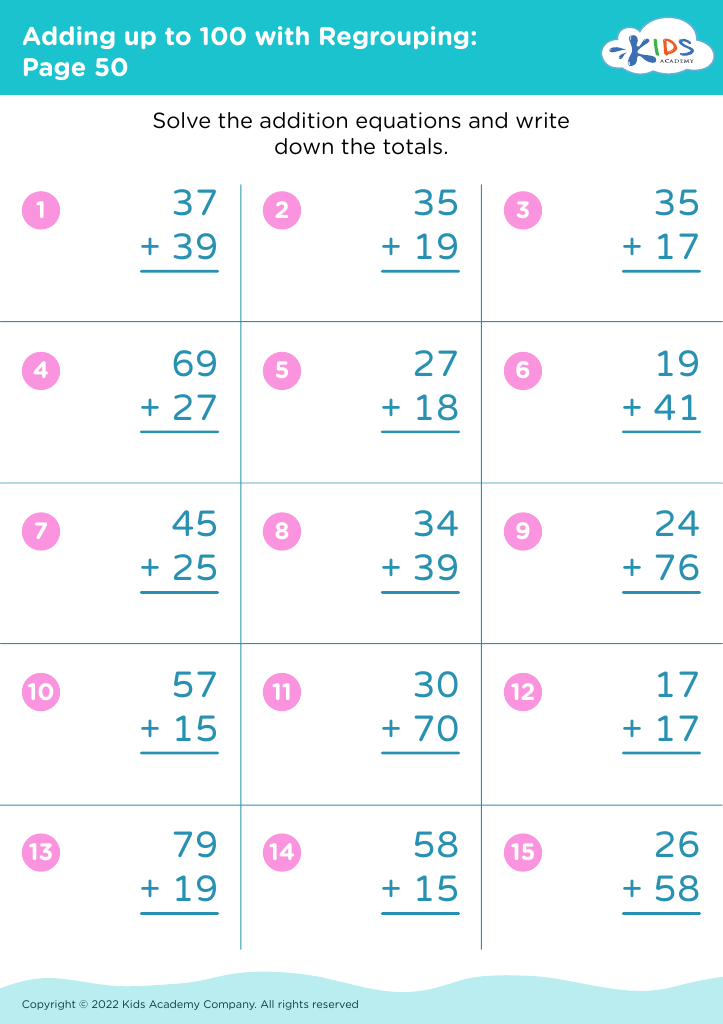
Adding up to 100 with Regrouping: Page 50
Worksheet
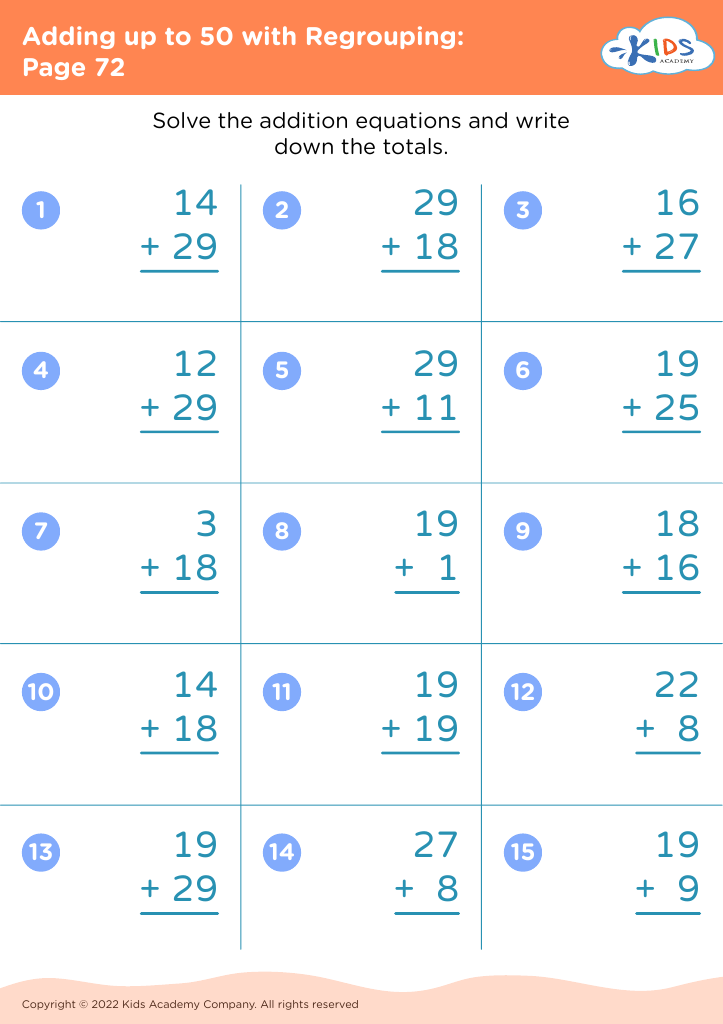
Adding up to 50 with Regrouping: Page 72
Worksheet
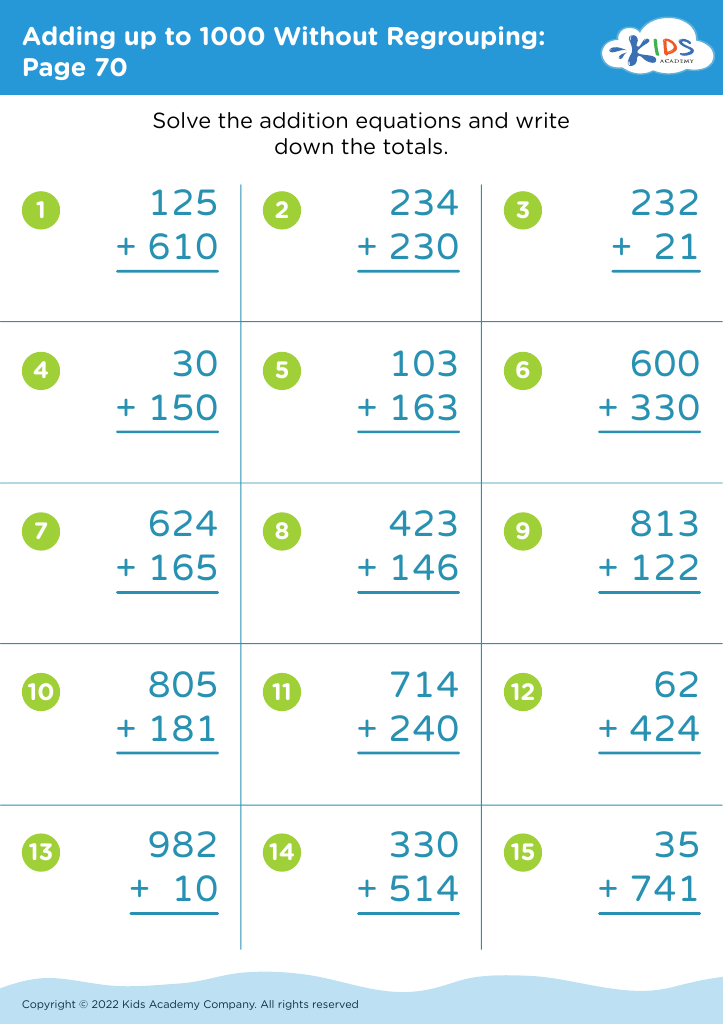
Adding up to 1000 Without Regrouping: Page 70
Worksheet
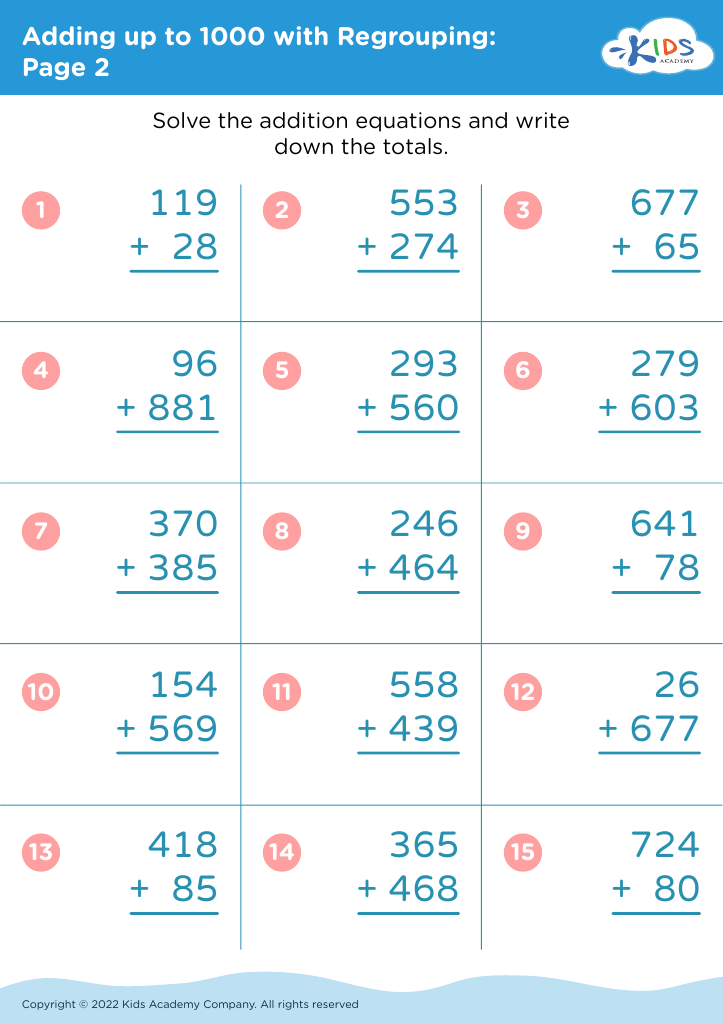
Adding up to 1000 with Regrouping: Page 2
Worksheet
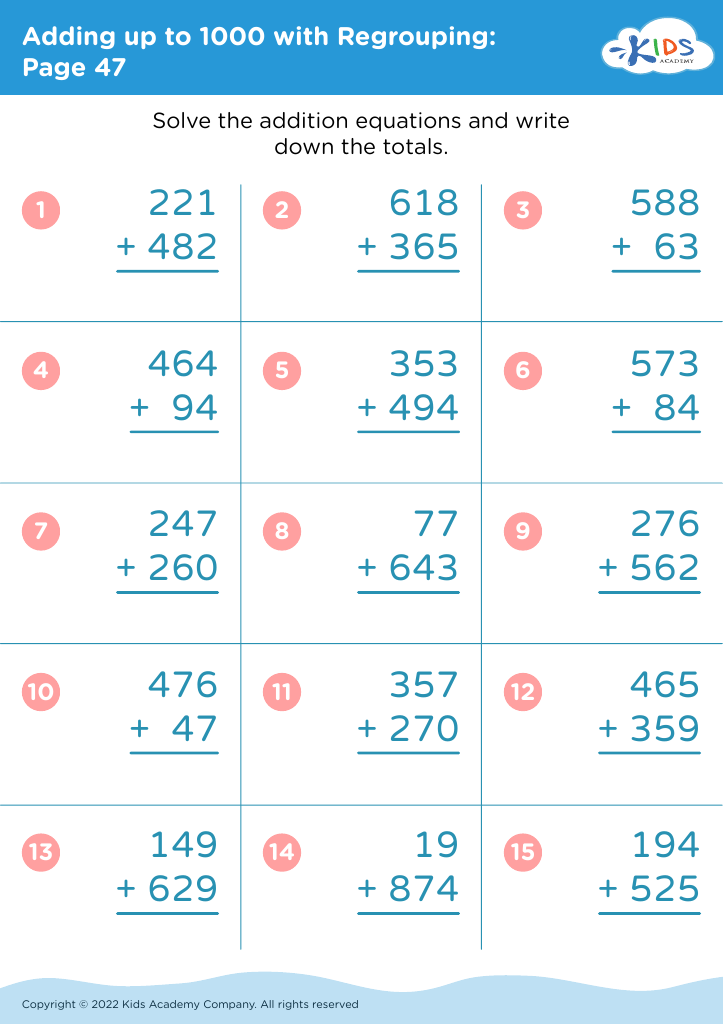
Adding up to 1000 with Regrouping: Page 47
Worksheet
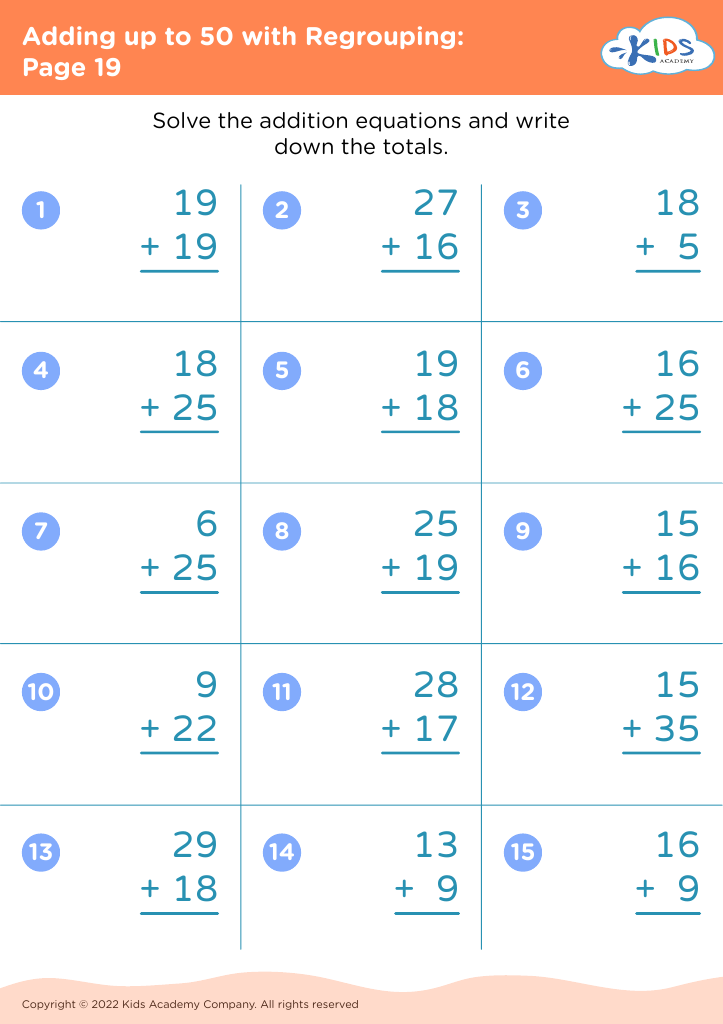
Adding up to 50 with Regrouping: Page 19
Worksheet
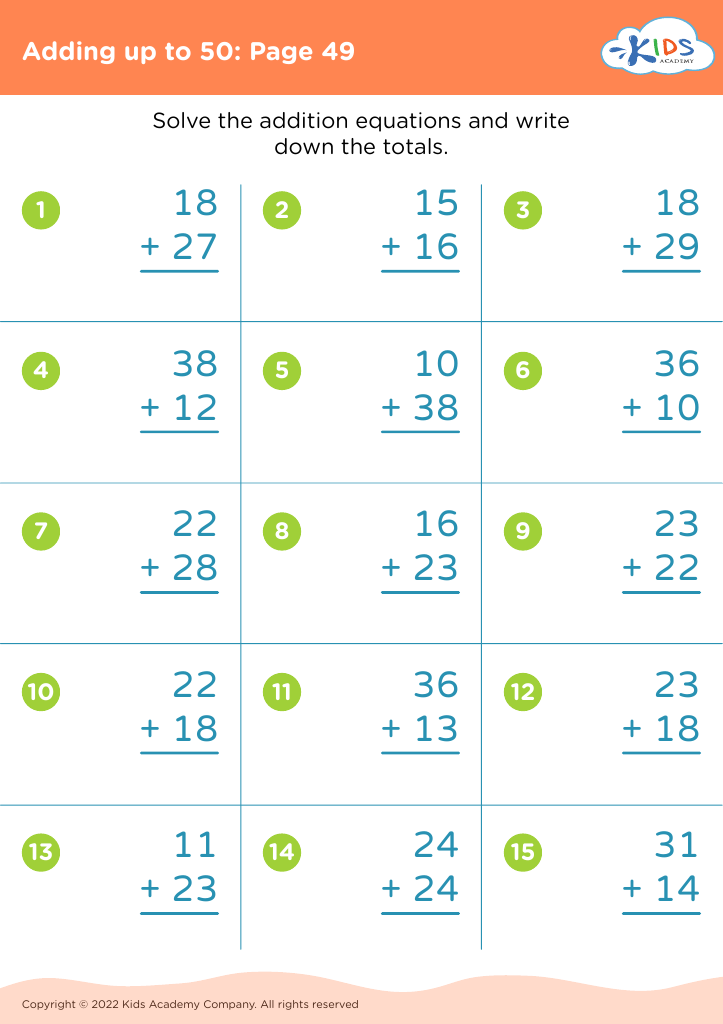
Adding up to 50: Page 49

Adding up to 50: Page 49

Adding up to 50: Page 49
Worksheet
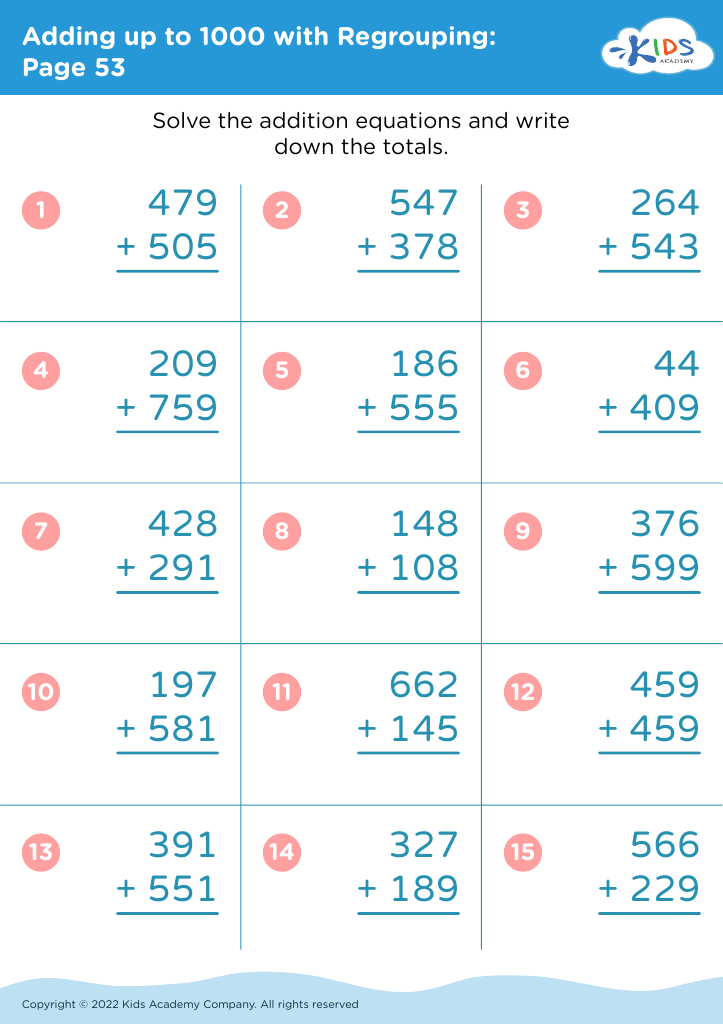
Adding up to 1000 with Regrouping: Page 53
Worksheet
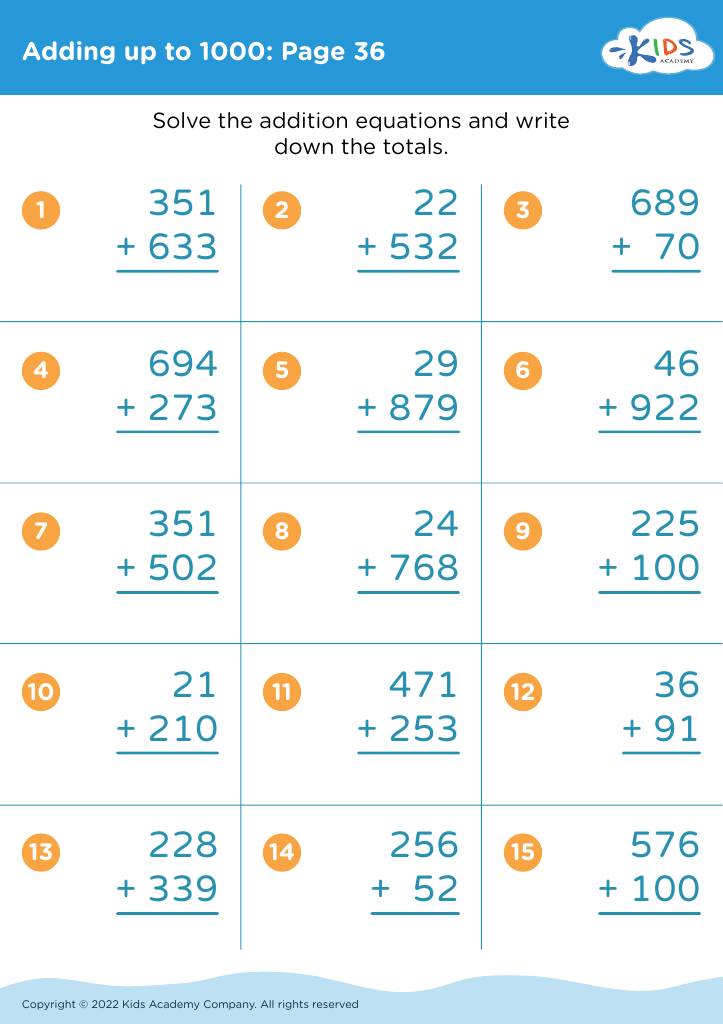
Adding up to 1000: Page 36

Adding up to 1000: Page 36

Adding up to 1000: Page 36
Worksheet
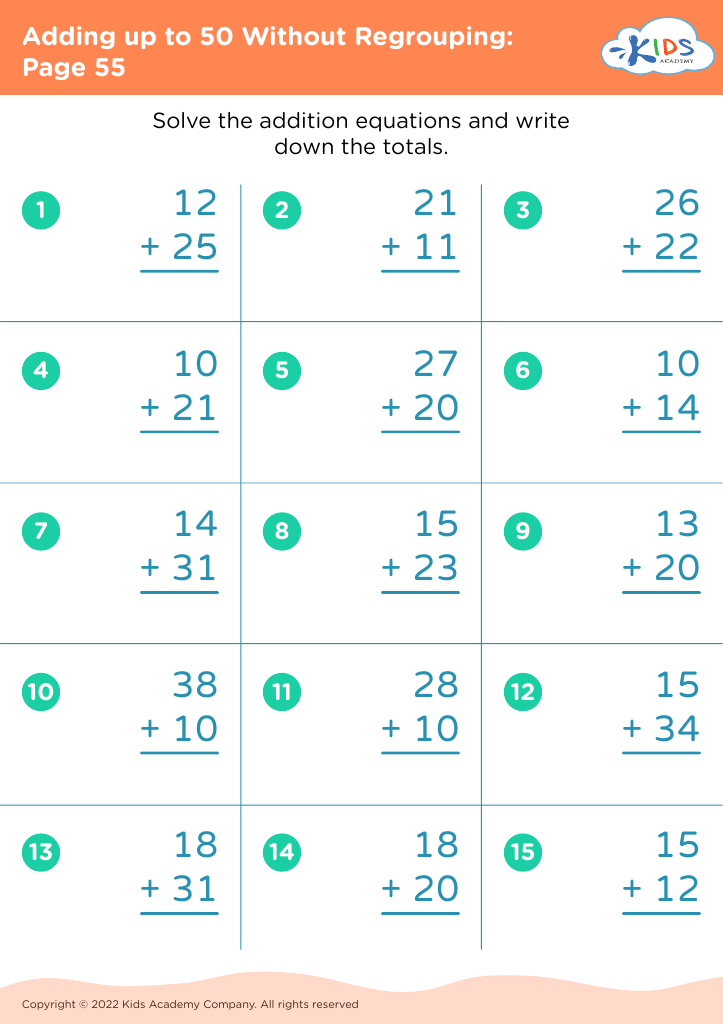
Adding up to 50 Without Regrouping: Page 55
Worksheet
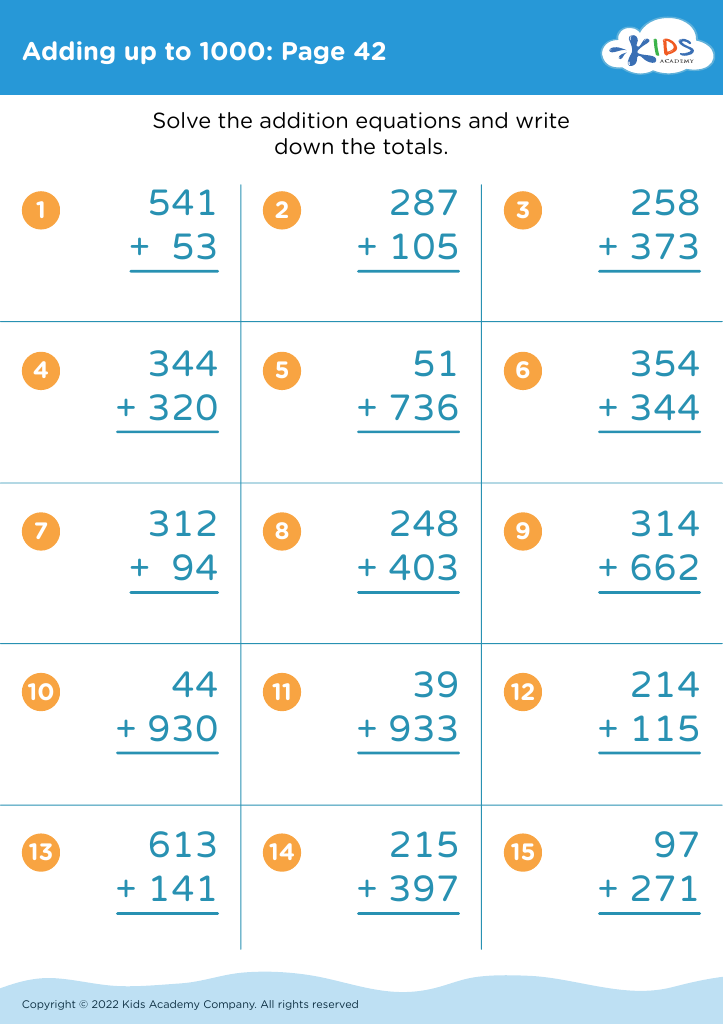
Adding up to 1000: Page 42

Adding up to 1000: Page 42

Adding up to 1000: Page 42
Worksheet
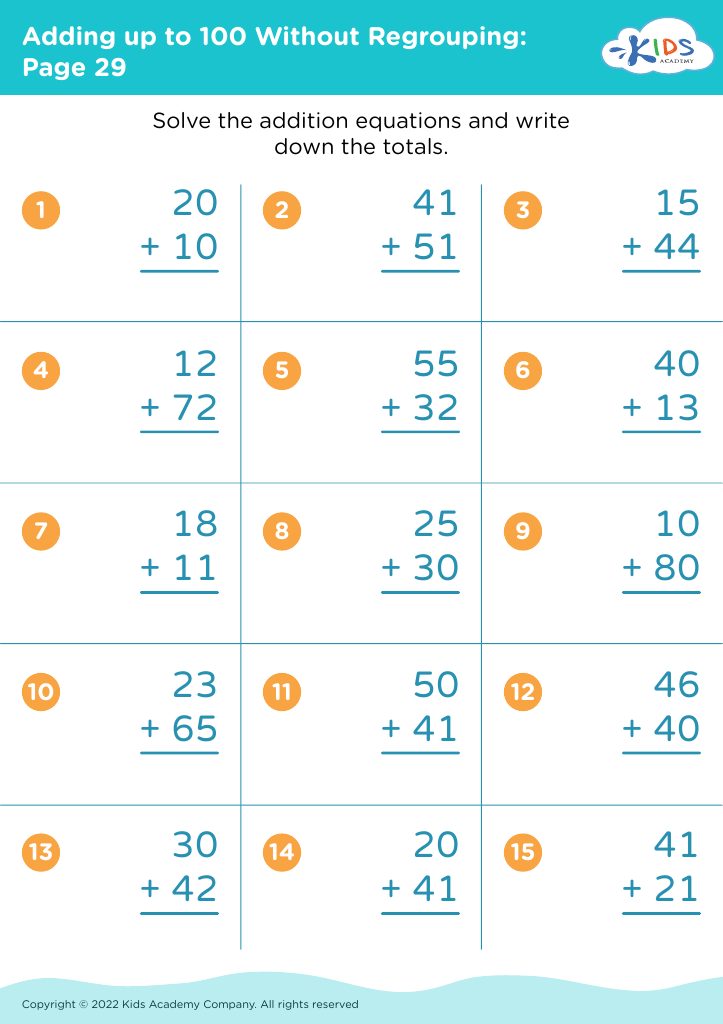
Adding up to 100 Without Regrouping: Page 29
Worksheet
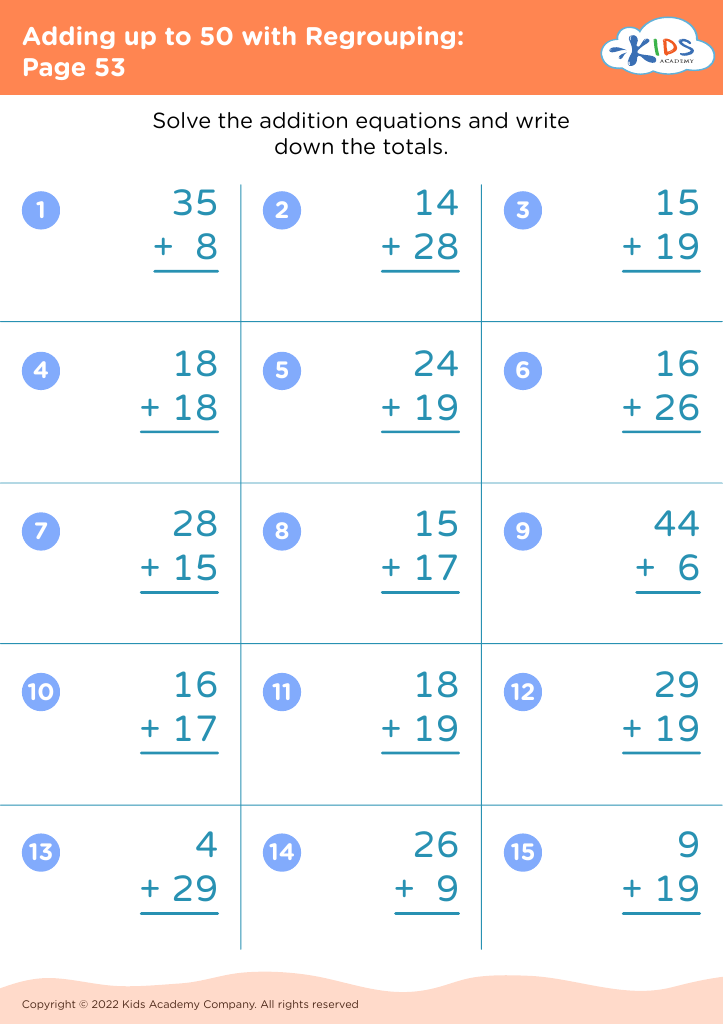
Adding up to 50 with Regrouping: Page 53
Worksheet
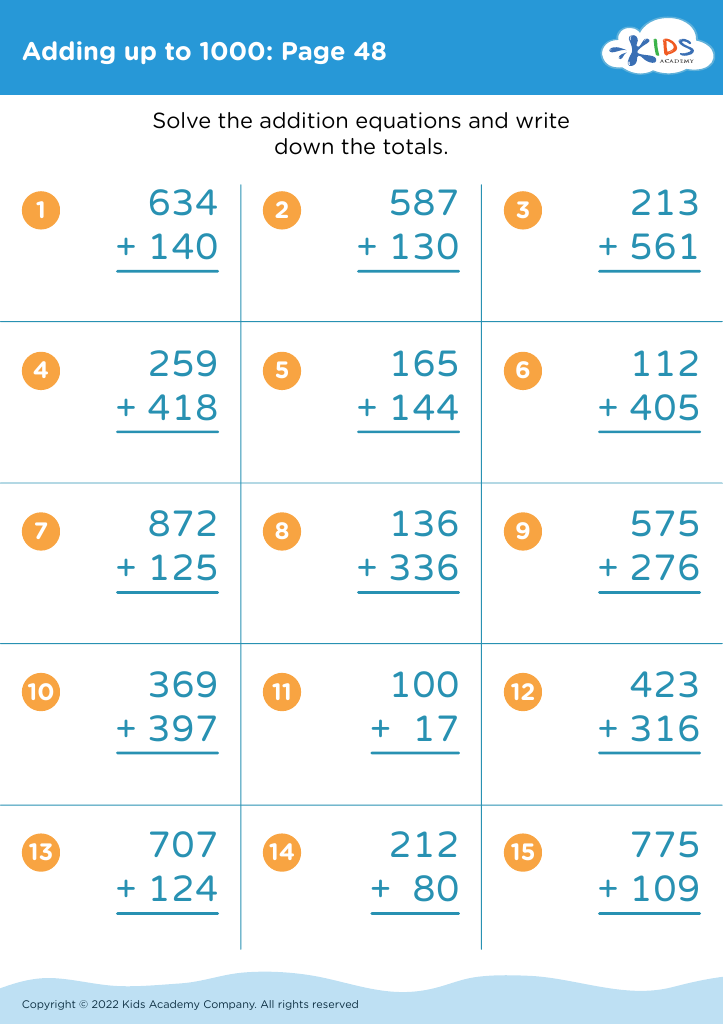
Adding up to 1000: Page 48

Adding up to 1000: Page 48

Adding up to 1000: Page 48
Worksheet
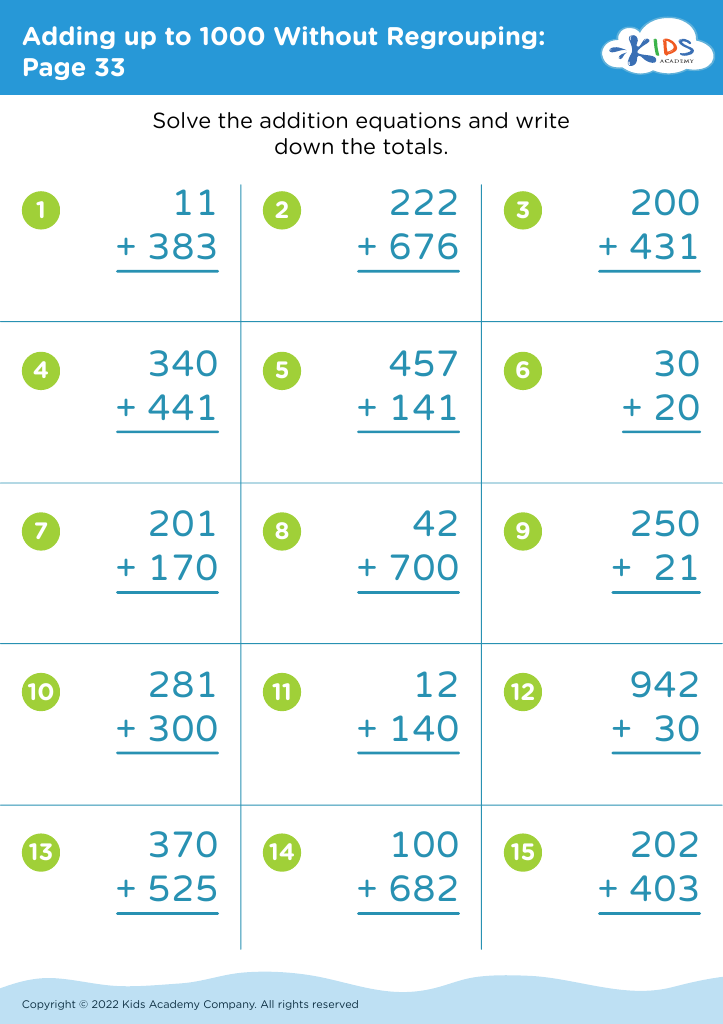
Adding up to 1000 Without Regrouping: Page 33
Worksheet
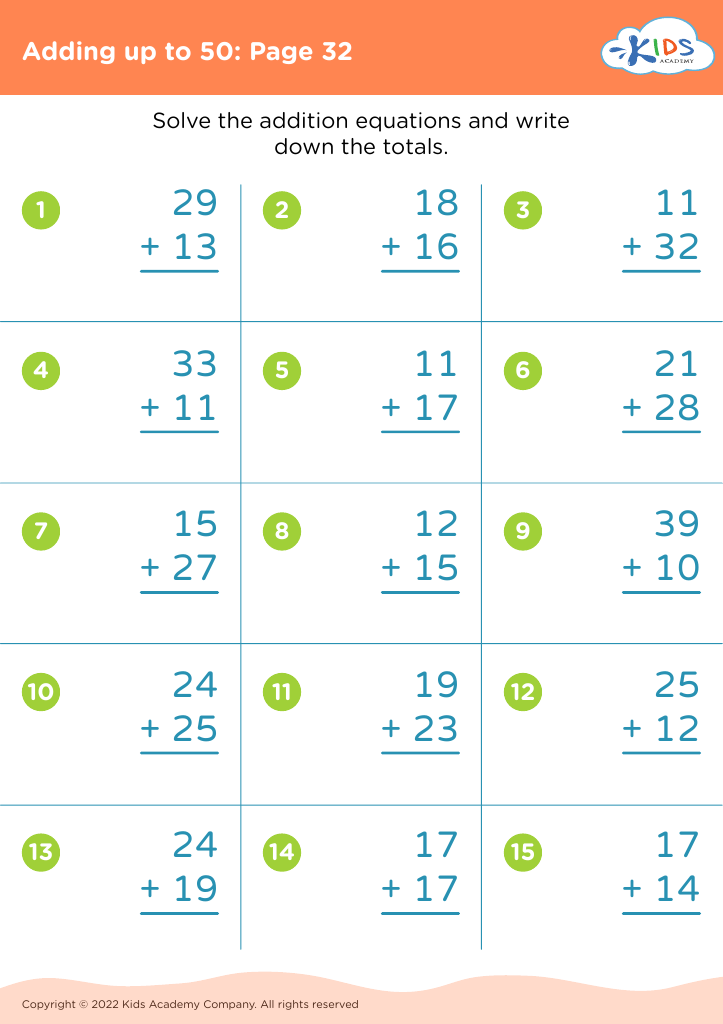
Adding up to 50: Page 32

Adding up to 50: Page 32

Adding up to 50: Page 32
Worksheet


... 5 6

Parents and teachers should prioritize number recognition and foundational addition and subtraction skills for Grade 2 students because these competencies are essential for a child’s future academic success. Number recognition, the ability to identify and understand numbers, is vital as it forms the basis for more advanced mathematical concepts. Without a strong foundation in recognizing numbers, students may struggle with more complex operations later on.

In second grade, students begin to encounter more complex equations and problem-solving experiences. Mastery of addition and subtraction in this stage is crucial for developing number sense, which includes understanding quantity, relationships, and patterns in numbers. This understanding helps students approach real-world situations confidently, such as budgeting or sharing resources.

Additionally, engaging early in mathematics fosters positive attitudes towards the subject. When parents and teachers provide support through hands-on activities, games, and consistent practice, they help cultivate a growth mindset, showcasing that skills can improve with effort. Furthermore, strong collaboration between home and school in reinforcing these skills promotes a well-rounded learning experience, significantly benefiting students as they progress through their educational journey. By caring about these fundamental skills, adults contribute to building a child's confidence and a solid mathematical foundation for lifelong learning.