Practice division Grade 2 Addition & Subtraction Worksheets
3 filtered results
-
From - To
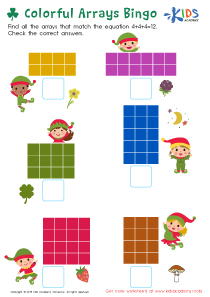
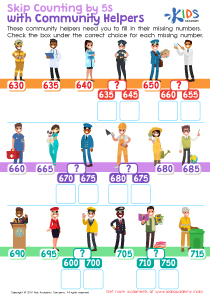
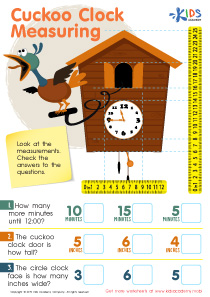
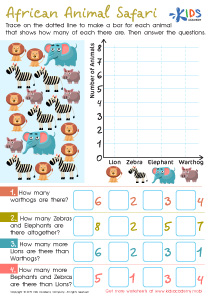
Enhance your second grader's math skills with our "Practice Division" worksheets, tailored specifically for addition and subtraction mastery. These engaging printables from Kids Academy make learning division an exciting adventure. Carefully crafted to reinforce basic math concepts, each worksheet combines vibrant illustrations with fun exercises, ensuring your child's understanding of addition and subtraction forms a solid foundation for division. Ideal for both classroom use and at-home practice, these worksheets strive to build confidence and competence in young learners. Join countless other parents and teachers in making math practice a delightful part of your child's daily routine!
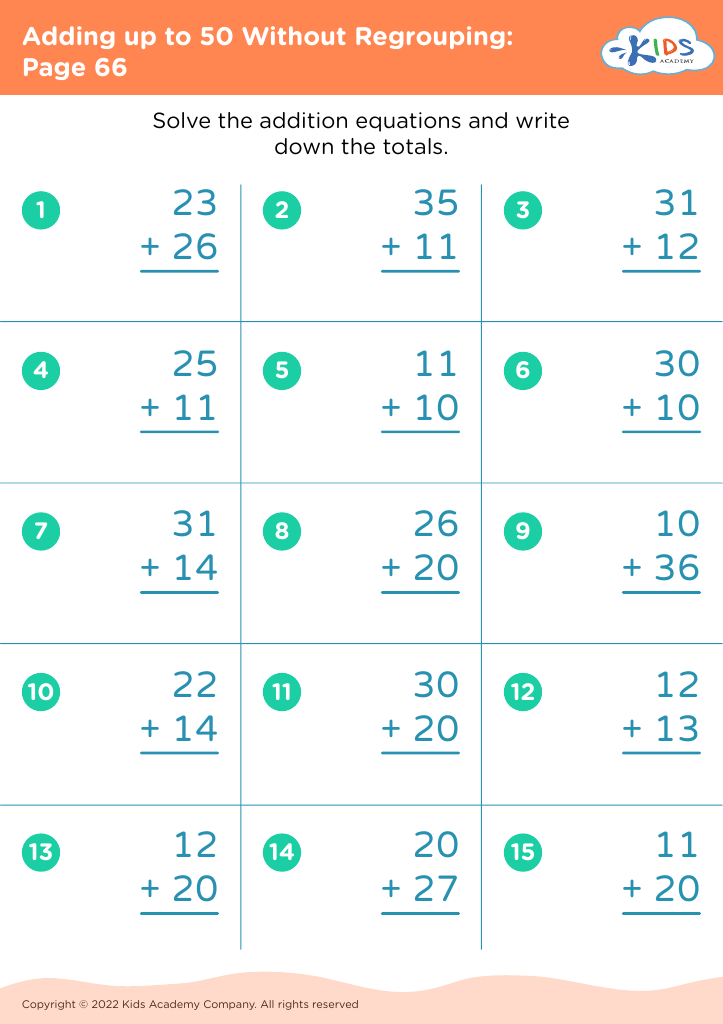
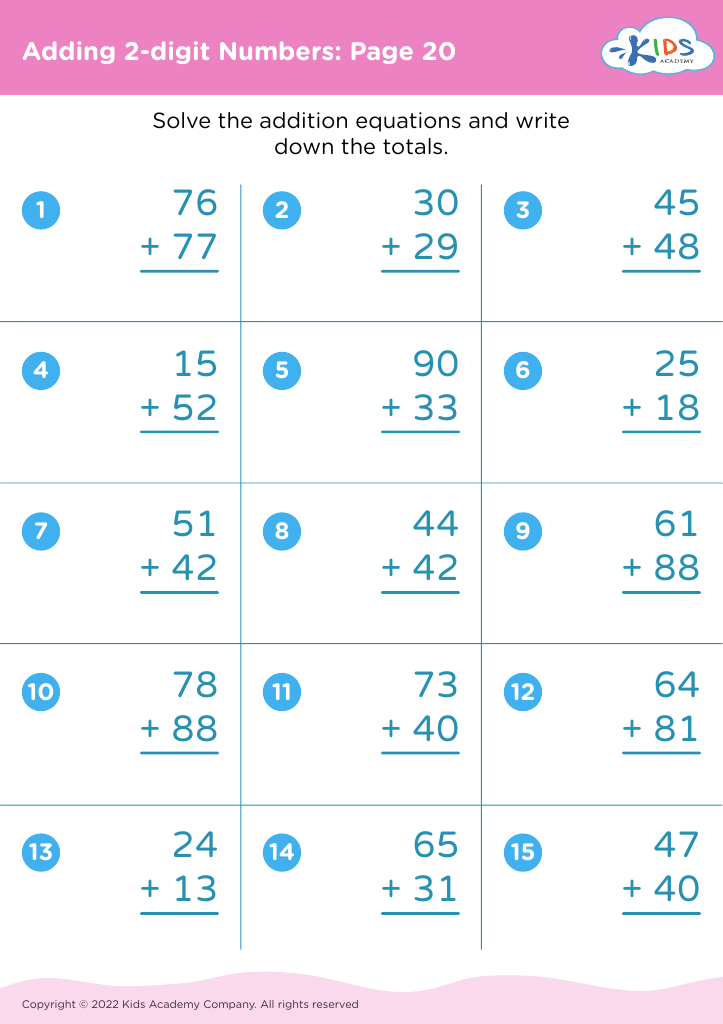
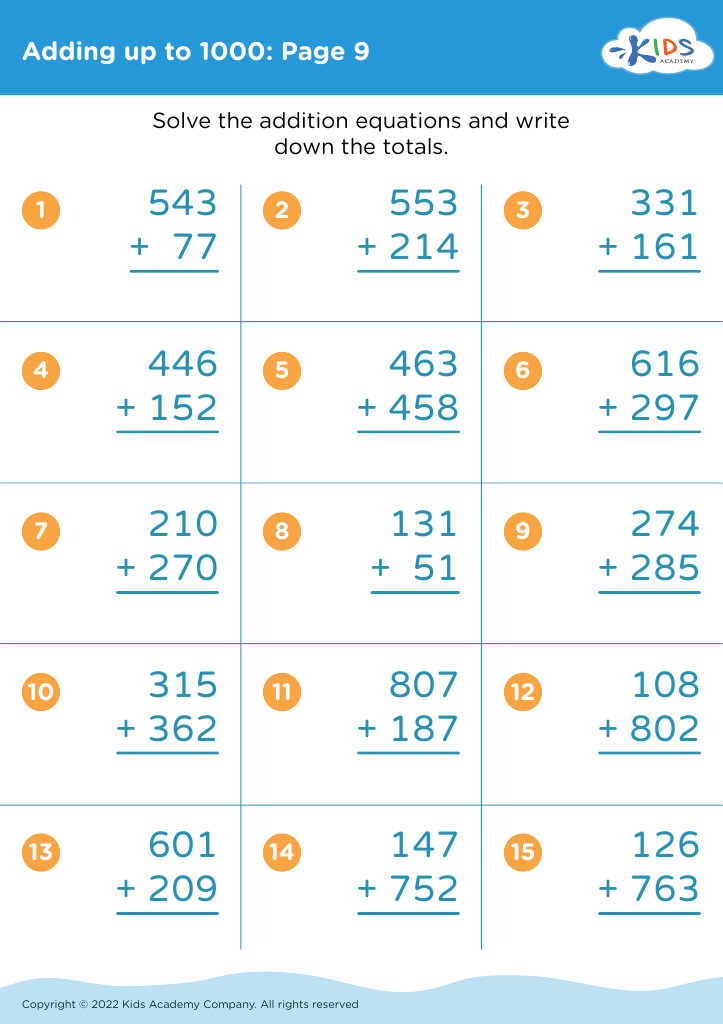








Parents and teachers should prioritize practicing division, along with addition and subtraction, with second graders because these foundational math skills are vital for fostering a strong mathematical base. At the second-grade level, students are in a critical phase for developing number sense, which helps them understand the relationships between numbers and how they work together. Mastery of addition and subtraction bolsters their ability to tackle more advanced operations like division later on.
Division, even in its most basic form at this stage, introduces concepts of fair sharing and grouping, essential for mathematical reasoning. By practicing these skills early, children build confidence and a positive attitude towards math, reducing anxiety that might occur with more complex problems in later grades.
Furthermore, integrated practice of these arithmetic operations enhances computational fluency. This fluency is crucial for students as it allows them to perform calculations more efficiently so they can focus on higher-order problem-solving skills and critical thinking tasks.
From an educational standpoint, helping students achieve proficiency in these areas aligns with curricular goals and standards. For parents, fostering these skills at home can lead to increased academic achievement and better performance in school, reflecting the importance of collaborative engagement between home and school in a child's educational journey.