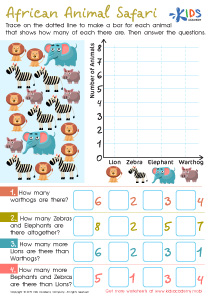
Our "Understanding Fractions Grade 2 Addition & Subtraction Worksheets" provide engaging, hands-on activities designed to help young learners grasp the concept of fractions in addition and subtraction. Tailored specifically for Grade 2 students, these worksheets introduce fractions through colorful visuals and relatable examples, making math enjoyable and accessible. Children will explore essential skills such as identifying, comparing, and performing operations with fractions, reinforcing their understanding in a fun way. Dive into our thoughtfully crafted resources to build confidence and competence in math, as your child gains the tools necessary for success in future mathematical concepts. Perfect for both classroom use and home study!
Check out this FREE Grade 2 Trial Lesson on Addition & Subtraction!

Irregular Past Tense Verbs

Favorites
With answer key
Interactive
  • Grade 2
  • Understanding fractions
  • Addition & Subtraction
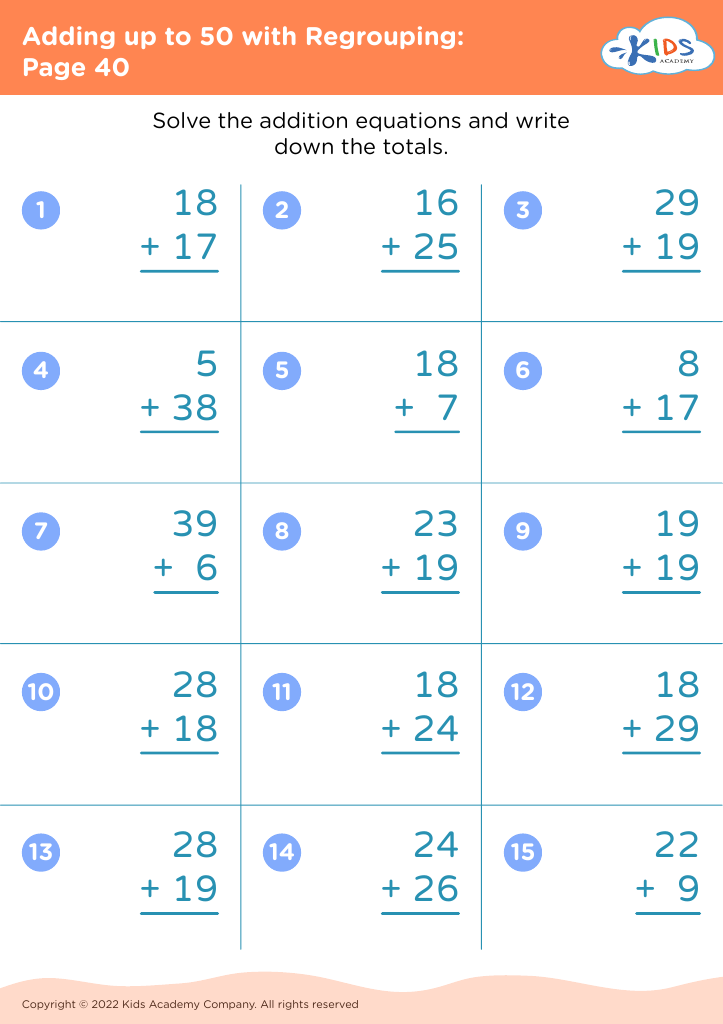
Adding up to 50 with Regrouping: Page 40
Worksheet
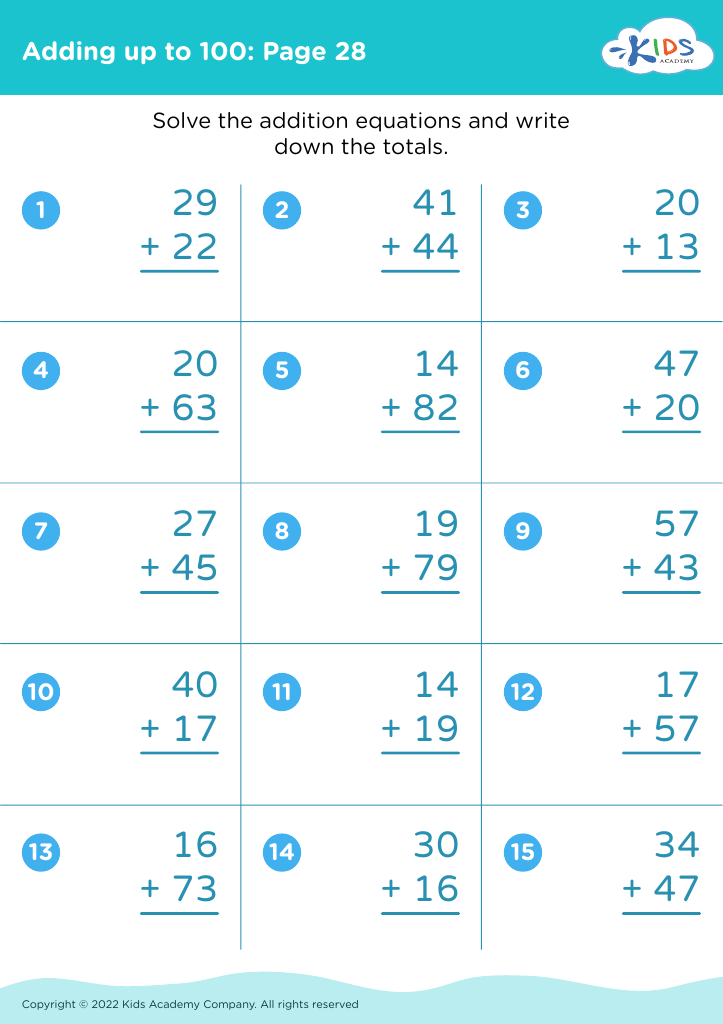
Adding up to 100: Page 28

Adding up to 100: Page 28

Adding up to 100: Page 28
Worksheet
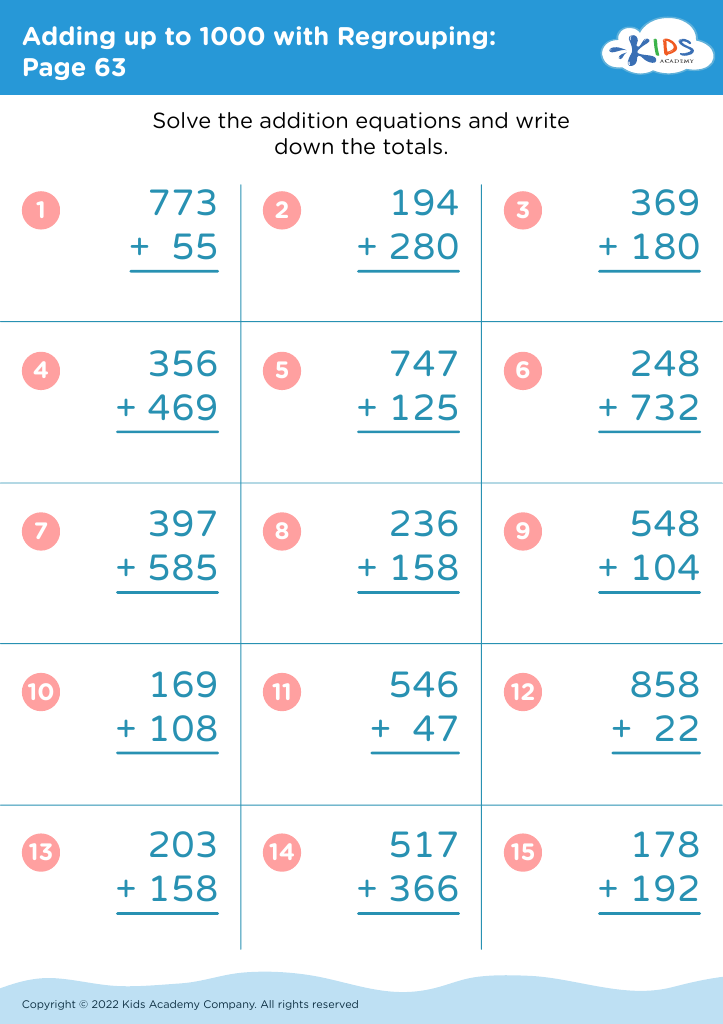
Adding up to 1000 with Regrouping: Page 63
Worksheet
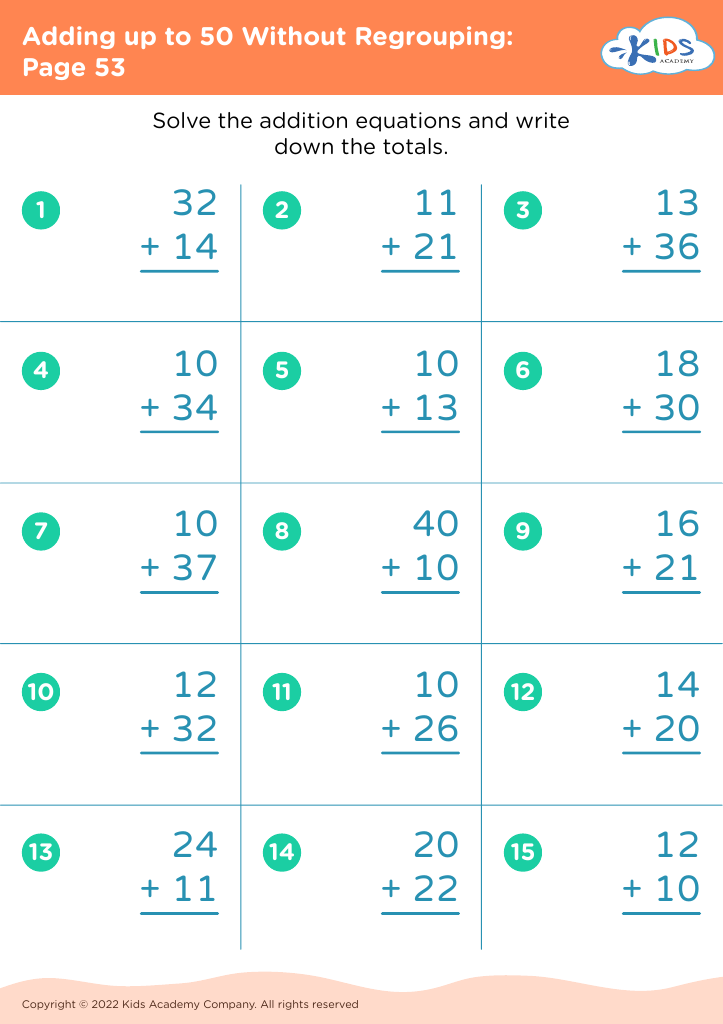
Adding up to 50 Without Regrouping: Page 53
Worksheet
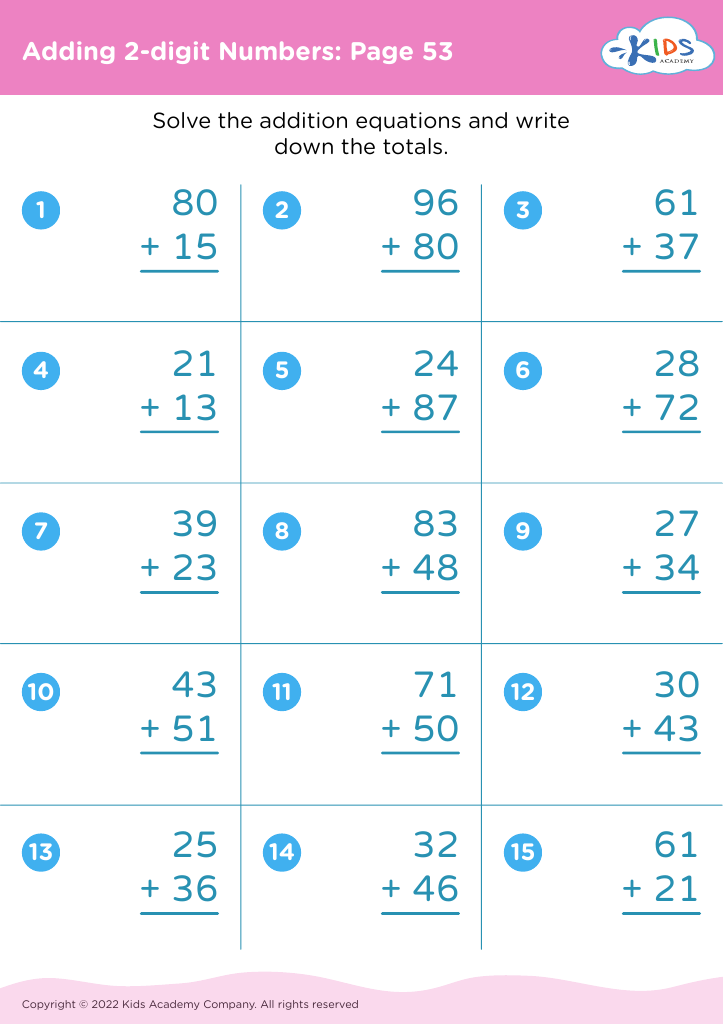
Adding 2-digit Numbers: Page 53

Adding 2-digit Numbers: Page 53

Adding 2-digit Numbers: Page 53
Worksheet
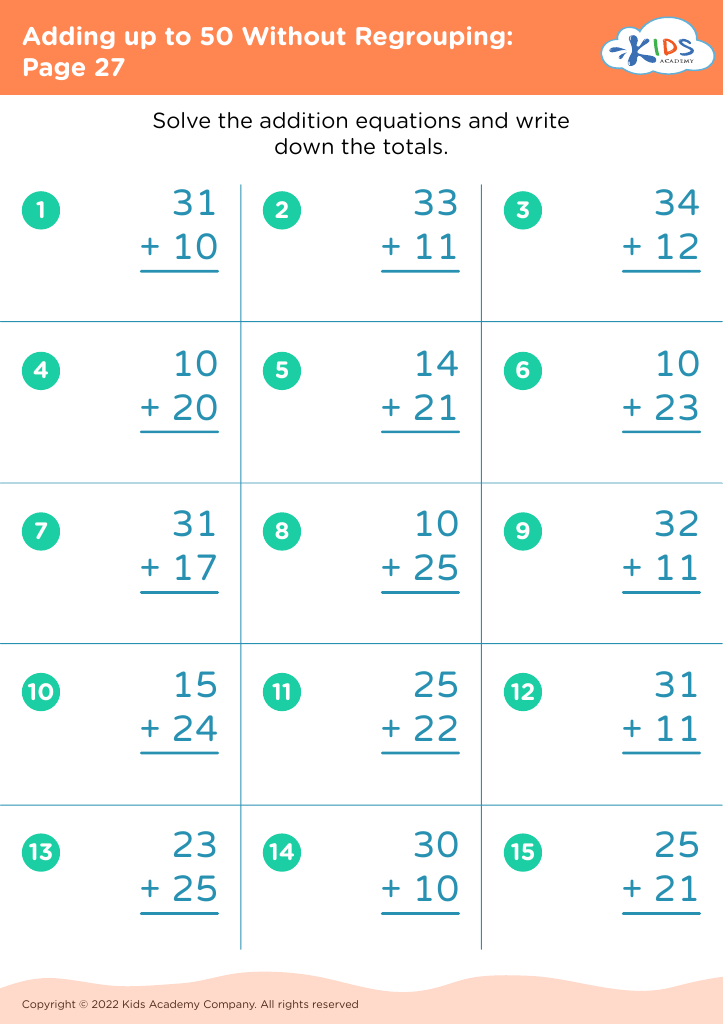
Adding up to 50 Without Regrouping: Page 27
Worksheet
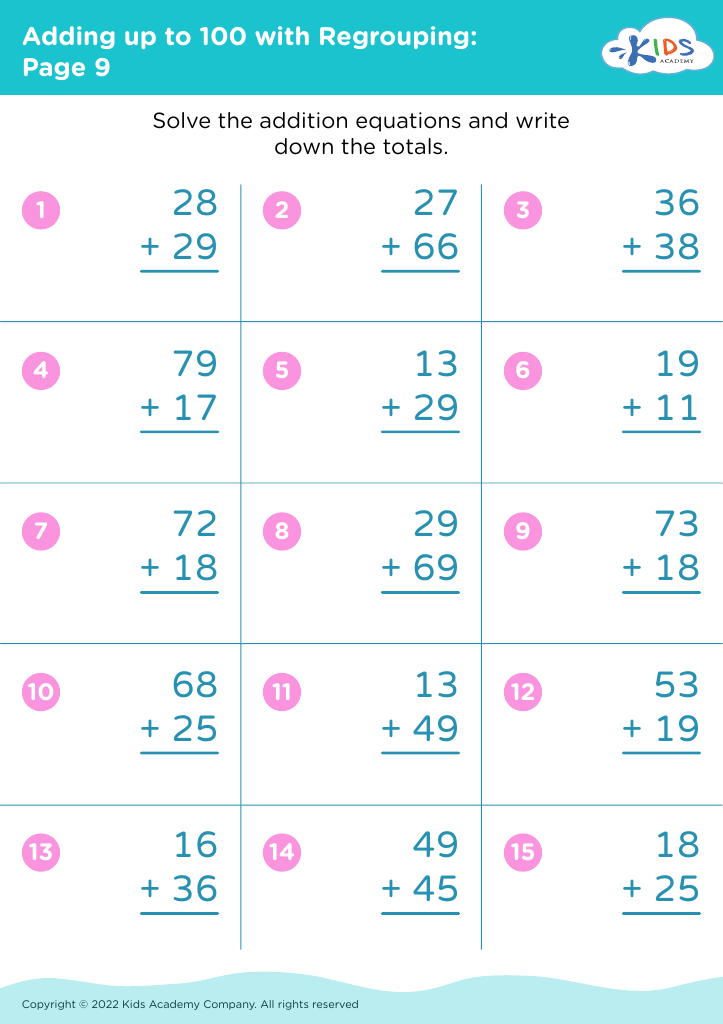
Adding up to 100 with Regrouping: Page 9
Worksheet
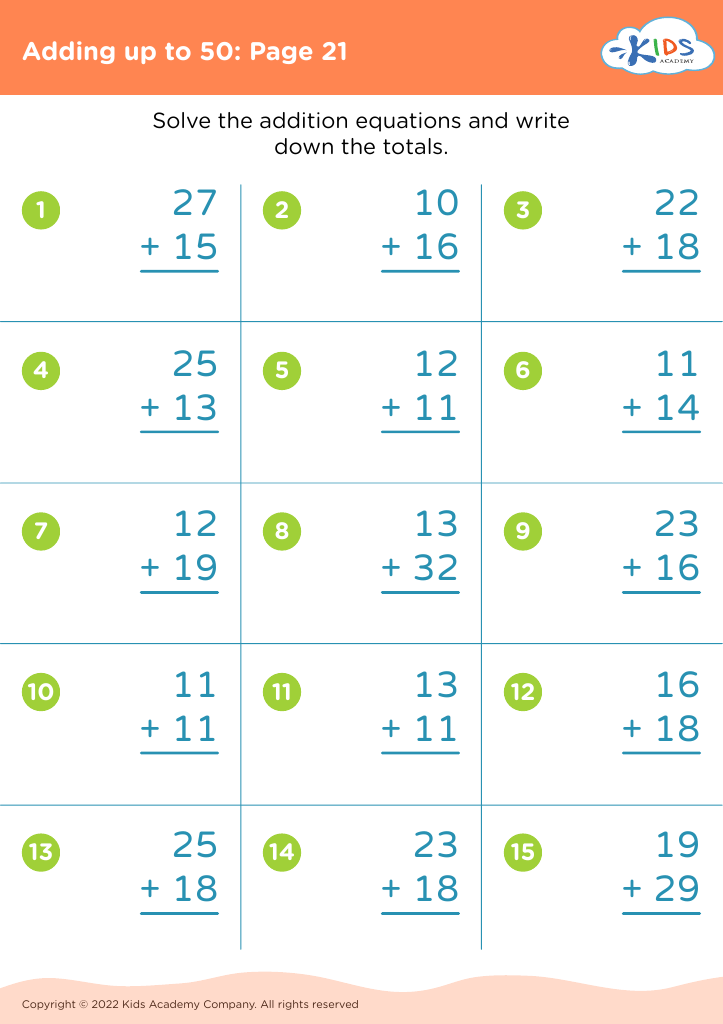
Adding up to 50: Page 21

Adding up to 50: Page 21

Adding up to 50: Page 21
Worksheet
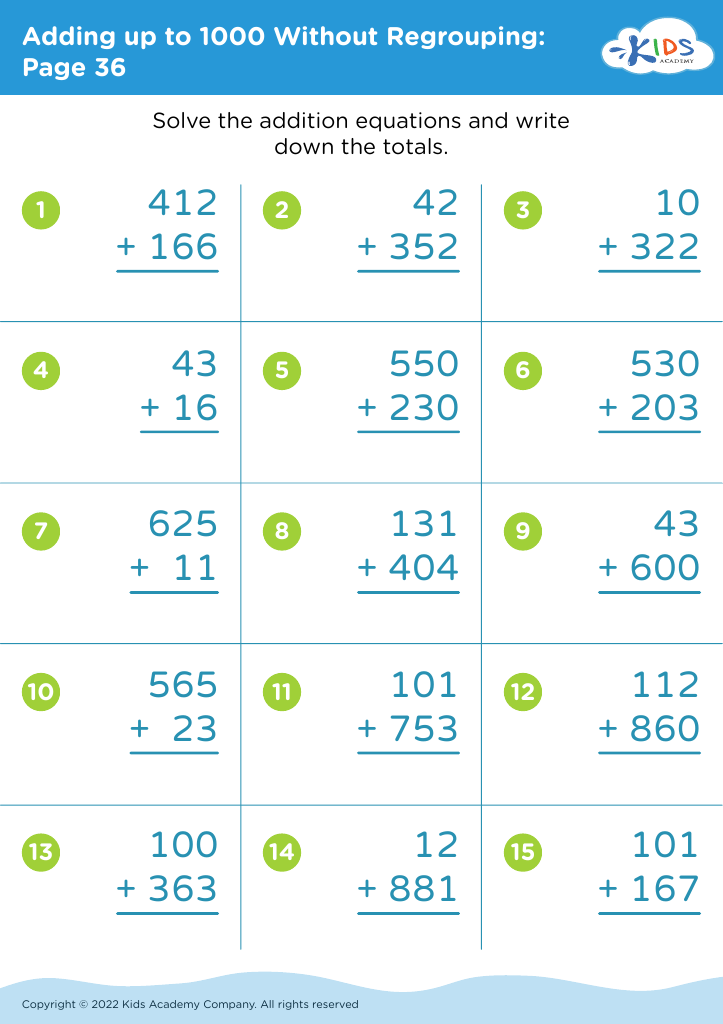
Adding up to 1000 Without Regrouping: Page 36
Worksheet
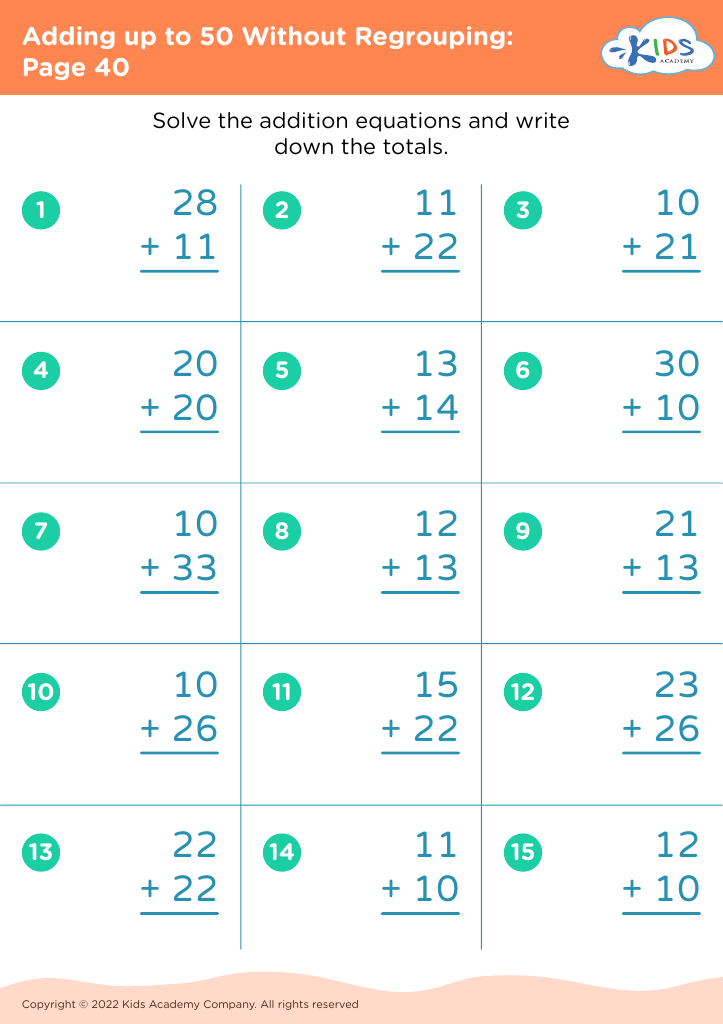
Adding up to 50 Without Regrouping: Page 40
Worksheet
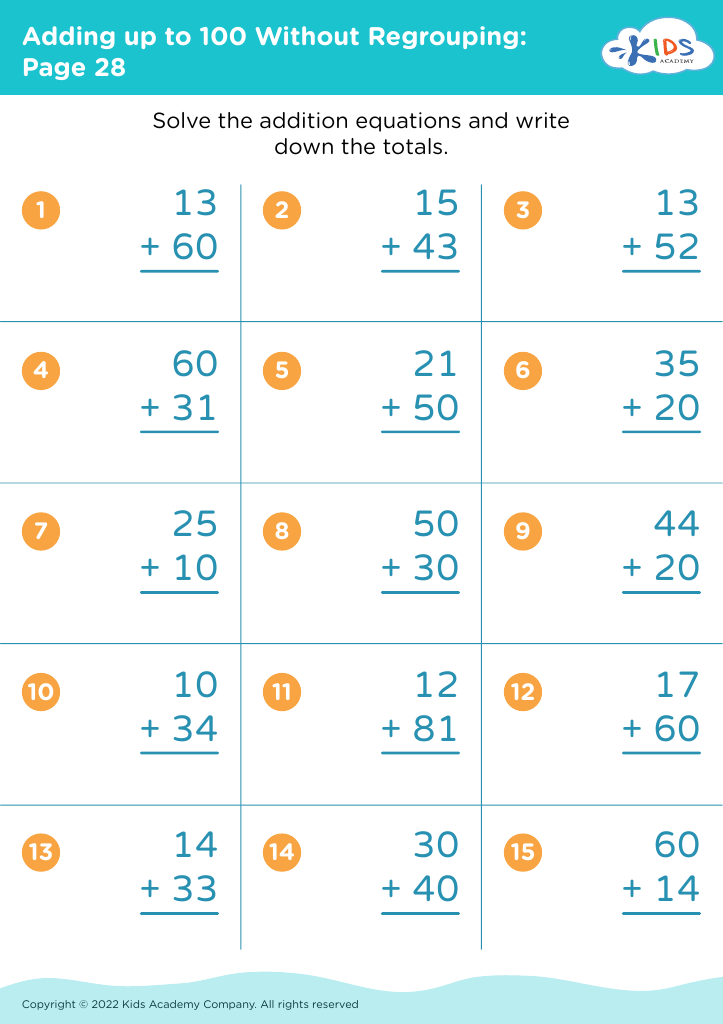
Adding up to 100 Without Regrouping: Page 28
Worksheet
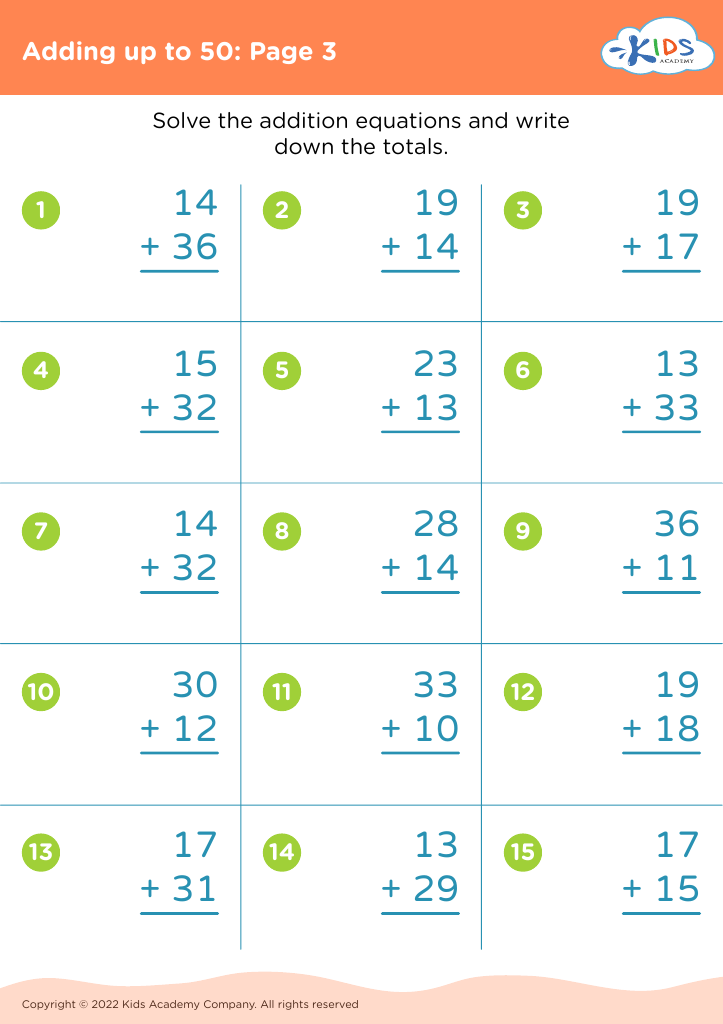
Adding up to 50: Page 3

Adding up to 50: Page 3

Adding up to 50: Page 3
Worksheet
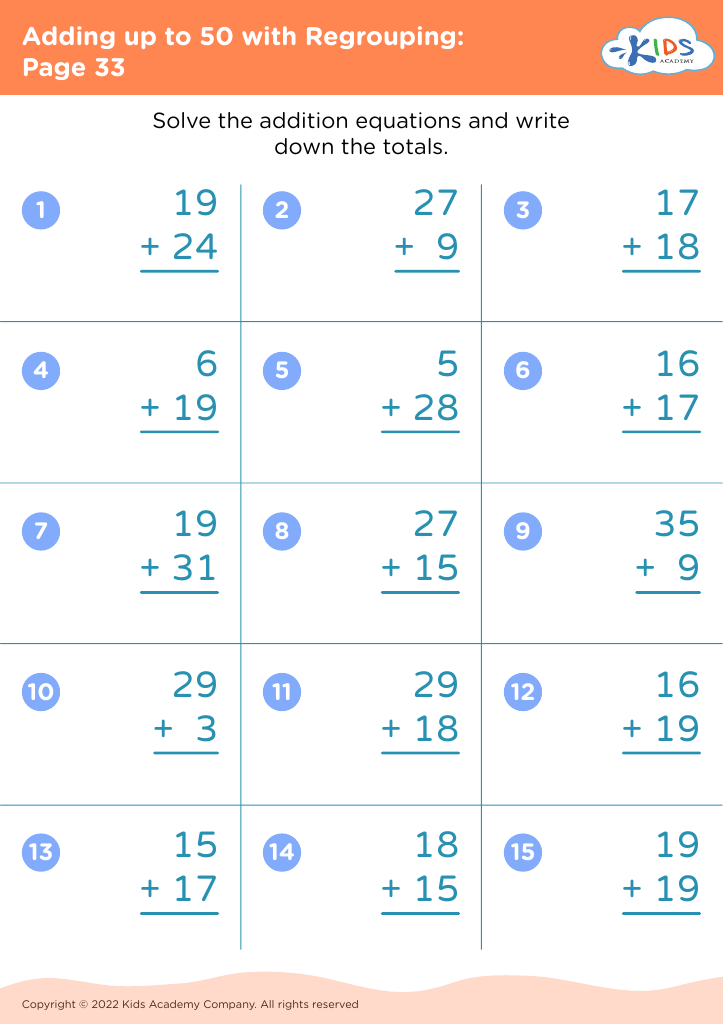
Adding up to 50 with Regrouping: Page 33
Worksheet
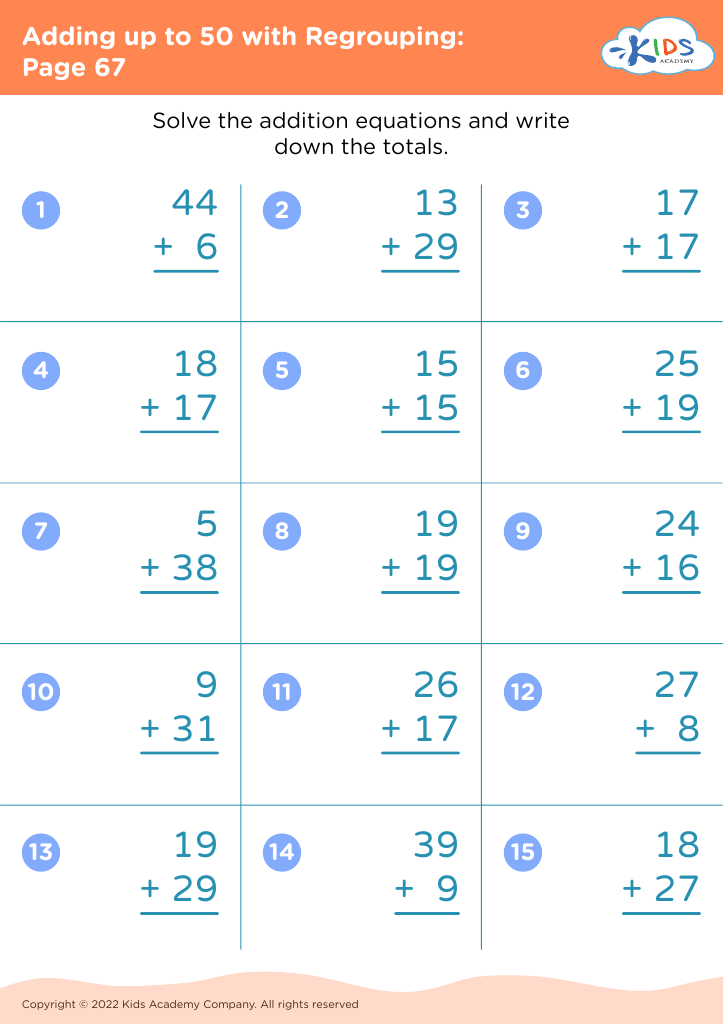
Adding up to 50 with Regrouping: Page 67
Worksheet
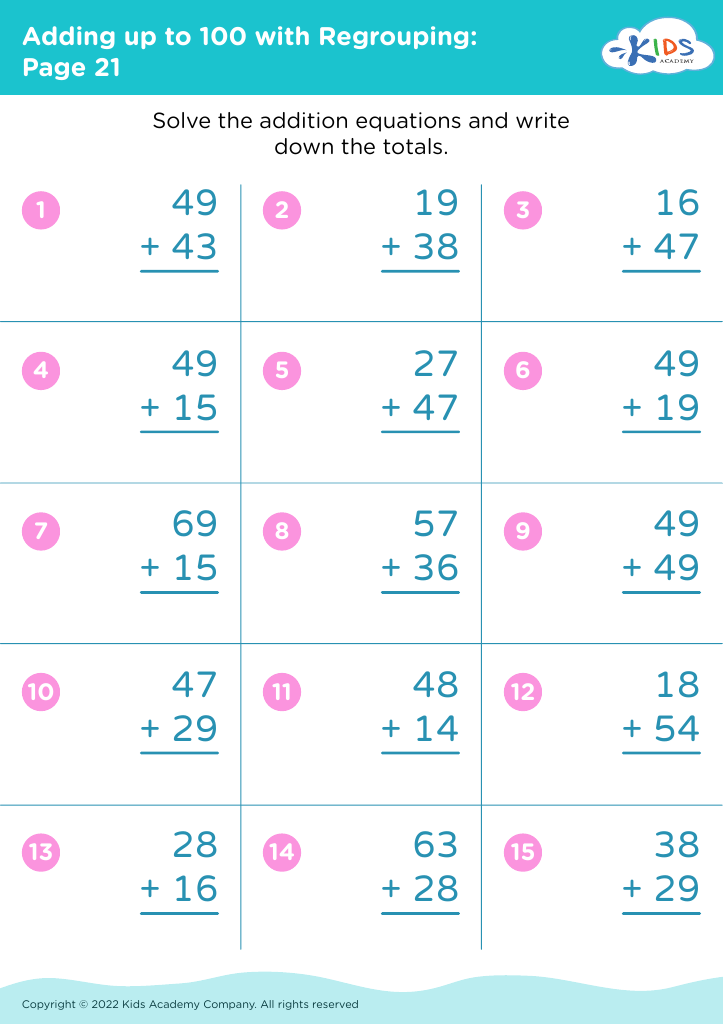
Adding up to 100 with Regrouping: Page 21
Worksheet
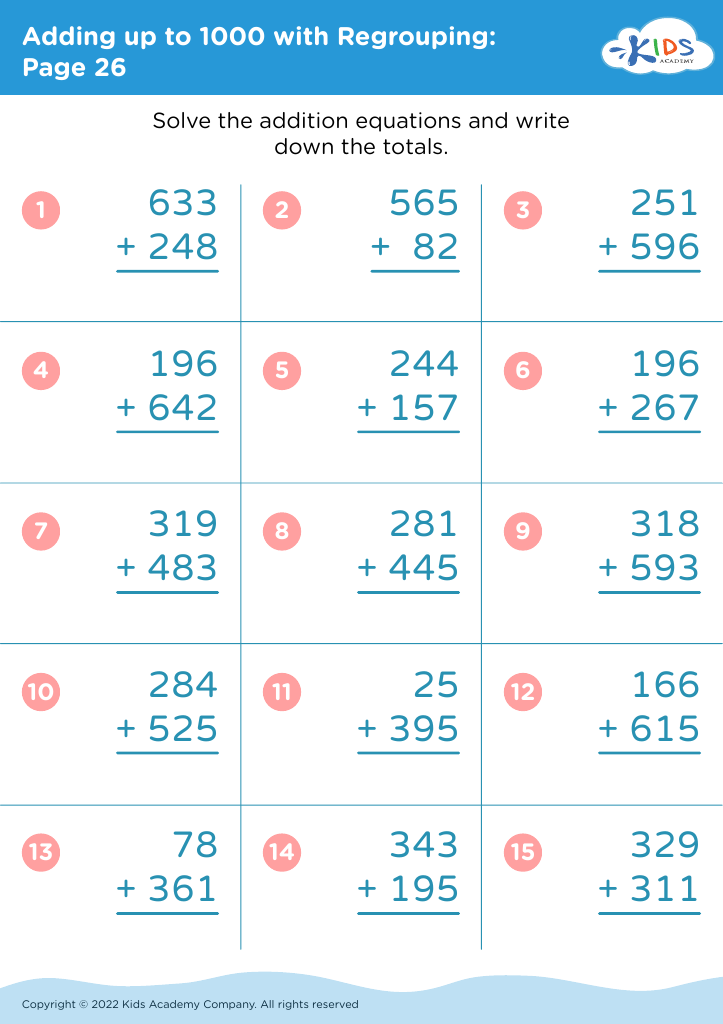
Adding up to 1000 with Regrouping: Page 26
Worksheet
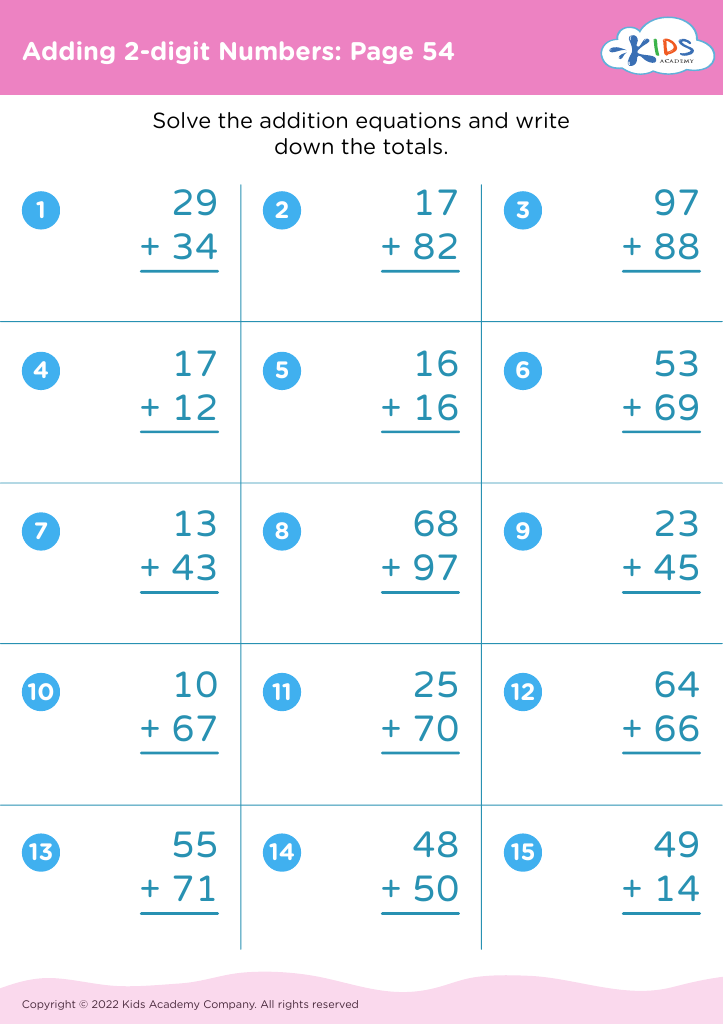
Adding 2-digit Numbers: Page 54

Adding 2-digit Numbers: Page 54

Adding 2-digit Numbers: Page 54
Worksheet
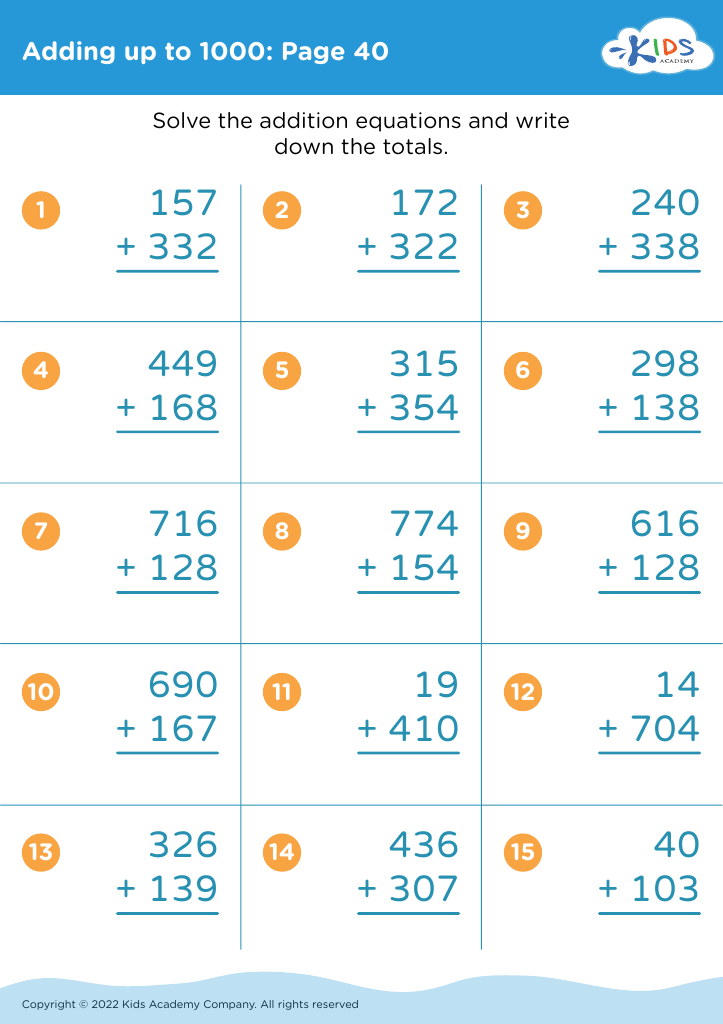
Adding up to 1000: Page 40

Adding up to 1000: Page 40

Adding up to 1000: Page 40
Worksheet
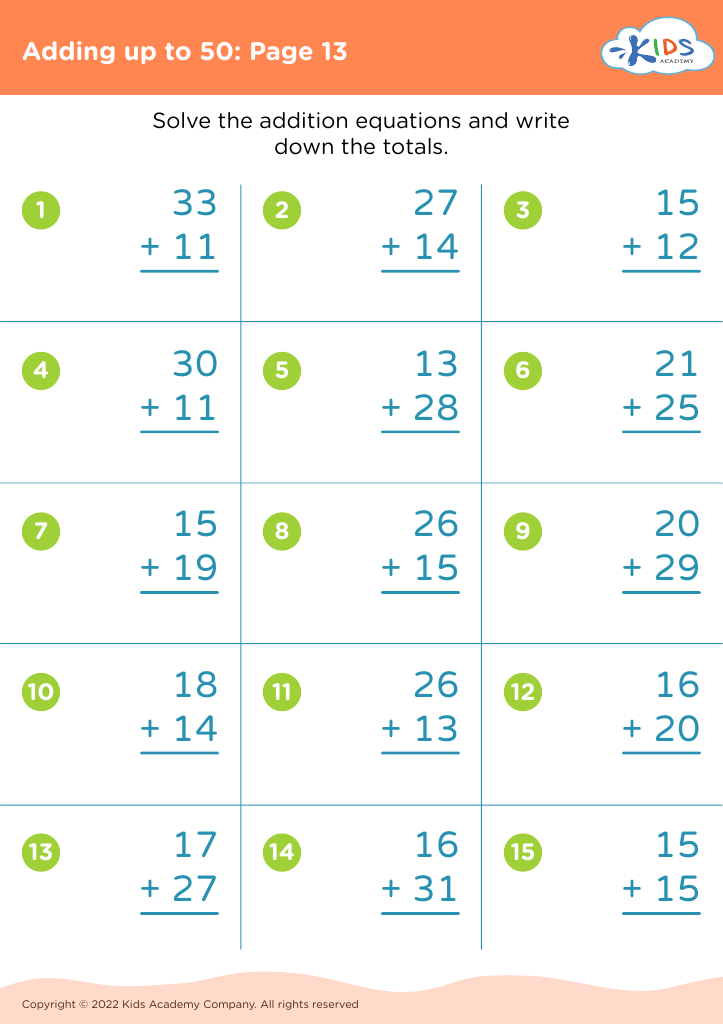
Adding up to 50: Page 13

Adding up to 50: Page 13

Adding up to 50: Page 13
Worksheet
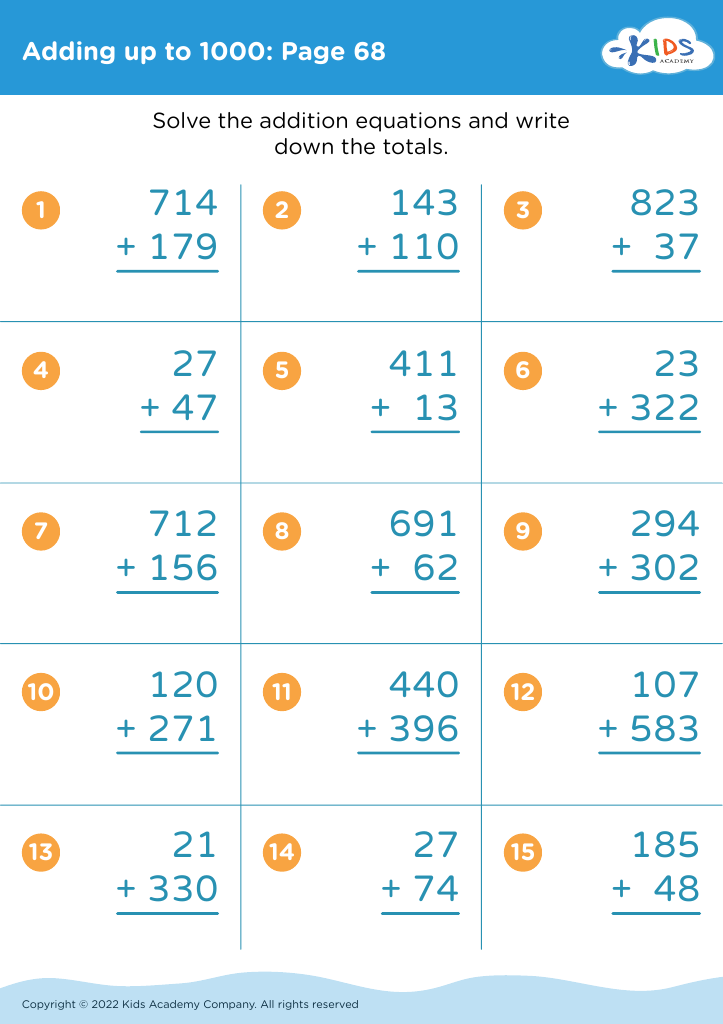
Adding up to 1000: Page 68

Adding up to 1000: Page 68

Adding up to 1000: Page 68
Worksheet
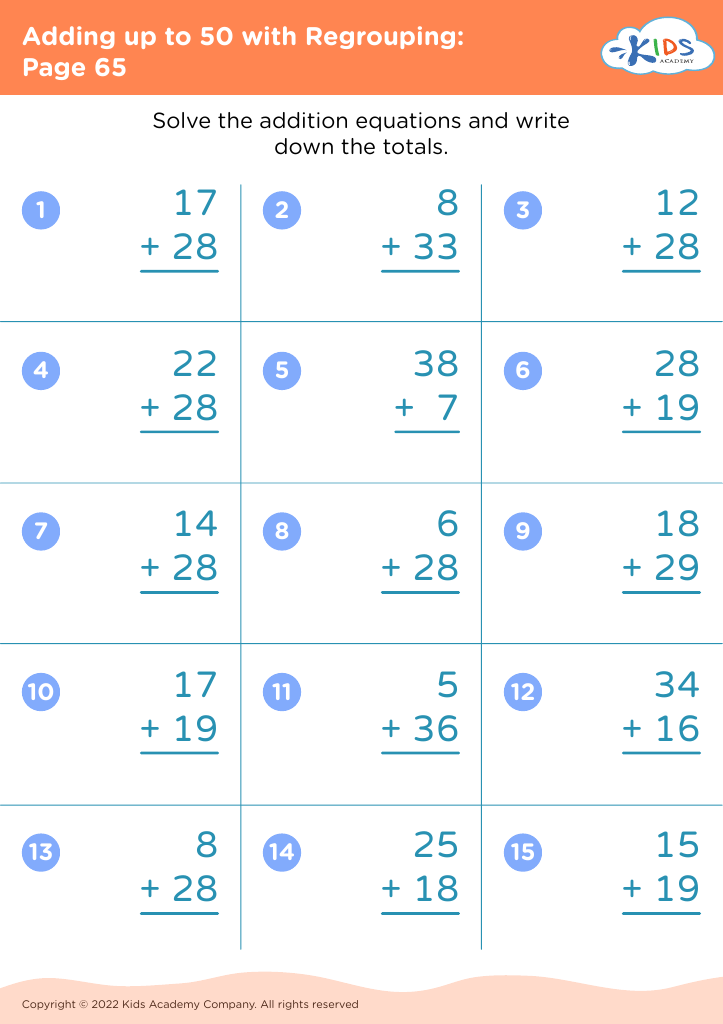
Adding up to 50 with Regrouping: Page 65
Worksheet
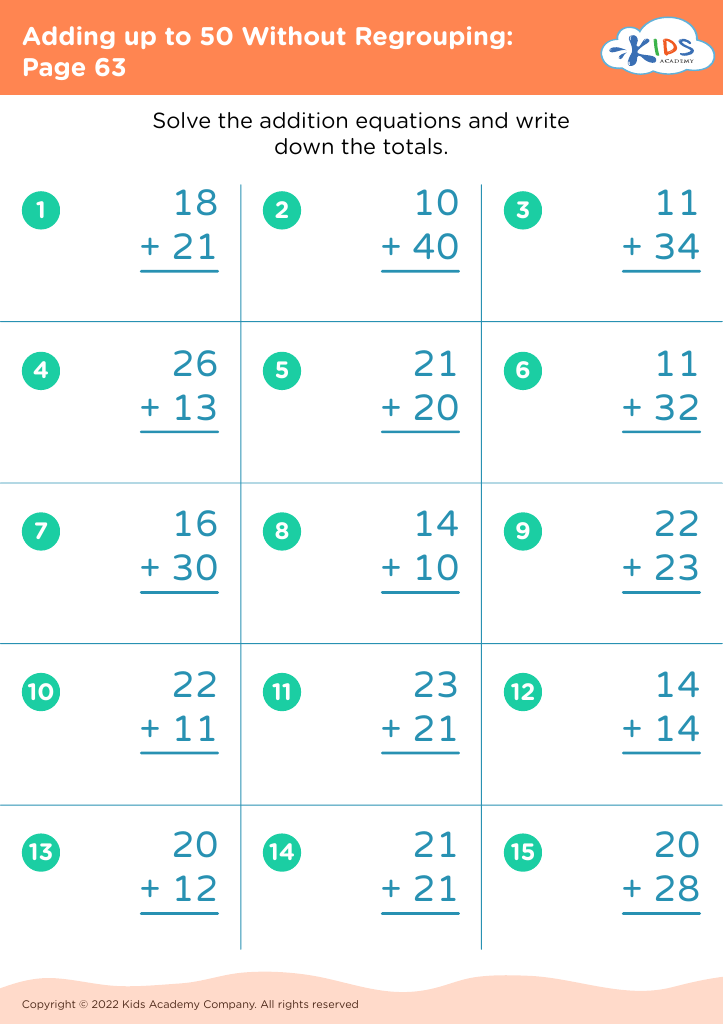
Adding up to 50 Without Regrouping: Page 63
Worksheet
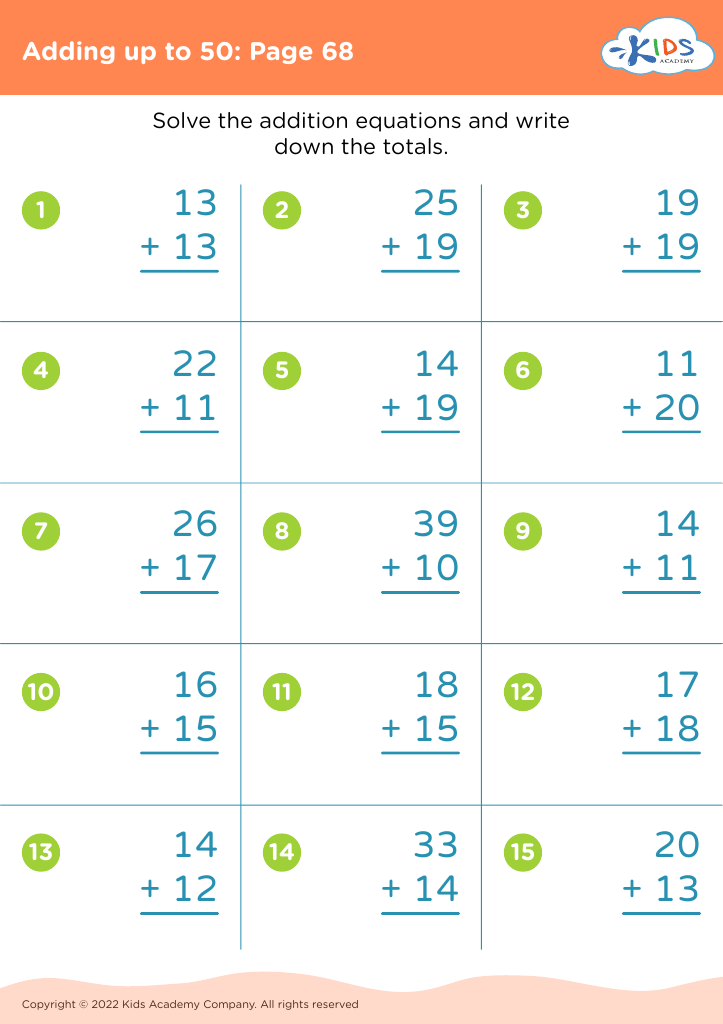
Adding up to 50: Page 68

Adding up to 50: Page 68

Adding up to 50: Page 68
Worksheet
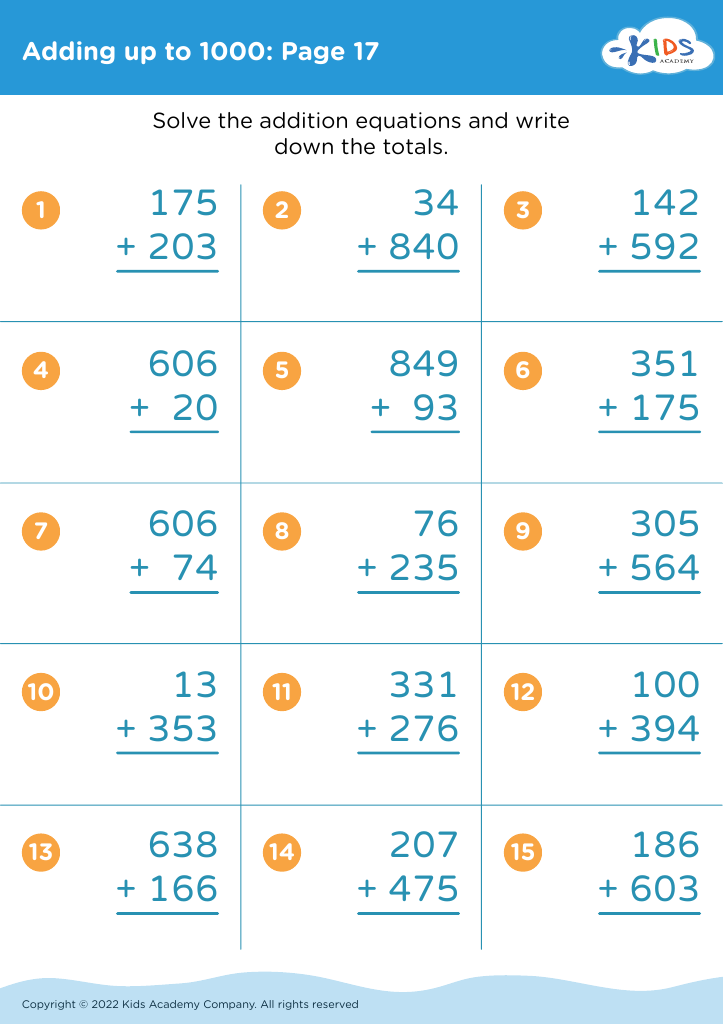
Adding up to 1000: Page 17

Adding up to 1000: Page 17

Adding up to 1000: Page 17
Worksheet


Understanding fractions in Grade 2 is crucial for both parents and teachers as it lays the foundation for future mathematical concepts. At this stage, children begin to grasp the concept of parts of a whole, which is essential for more advanced topics in math. When students learn fractions through addition and subtraction, they not only sharpen their numerical skills but also enhance their problem-solving abilities.

Learning fractions can boost a child's confidence and interest in math. By understanding how to combine or separate fractions, kids can relate math to real-life situations—like sharing pizza or measuring ingredients for a recipe—making the subject more engaging. Additionally, mastering this concept can foster critical thinking, as students analyze and interpret information to arrive at solutions.

For parents, being involved in their child's understanding of fractions allows for better support with homework and reinforces learning at home. For teachers, highlighting fractions in daily lessons promotes a deeper comprehension of math as a whole. Encouraging a strong foundation in fractions also contributes positively to overall academic success, as mathematics is interconnected in various subjects, including science and finance, throughout a child's education. This collaborative effort will ultimately empower children in their learning journey.