Visual representation comprehension Grade 2 Addition & Subtraction Worksheets
5 filtered results
-
From - To
Unlock your child's potential in math with our Grade 2 Visual Representation Comprehension Addition & Subtraction Worksheets. Specifically designed to boost problem-solving skills, these worksheets use engaging visuals to help young learners master basic math operations. By translating visual data into numerical form, children develop a deeper understanding of addition and subtraction concepts. Perfect for classroom activities, homework, or extra practice, our worksheets are aligned with common core standards to support your child's math journey and ensure foundational math skills are solidified through fun and interactive exercises. Download now and watch your child’s confidence grow!
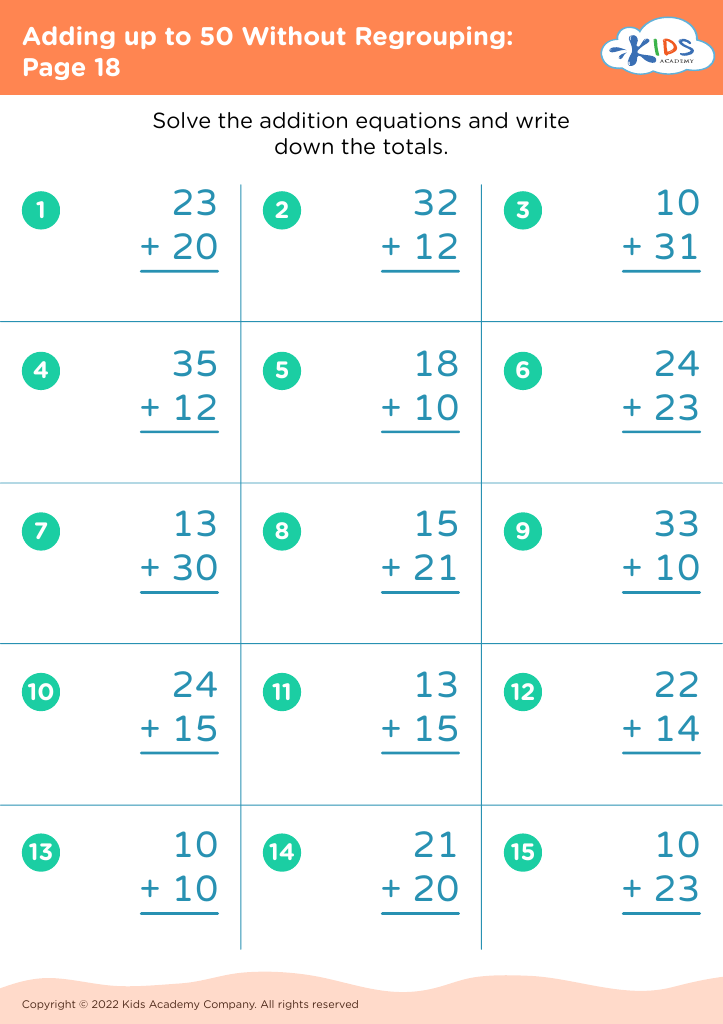
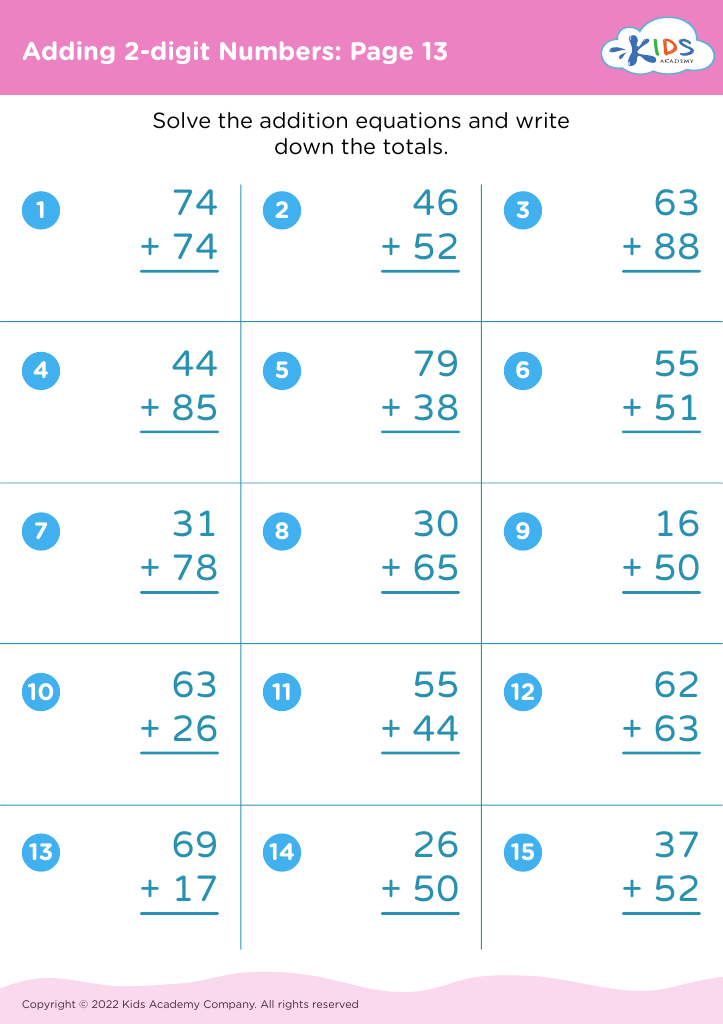
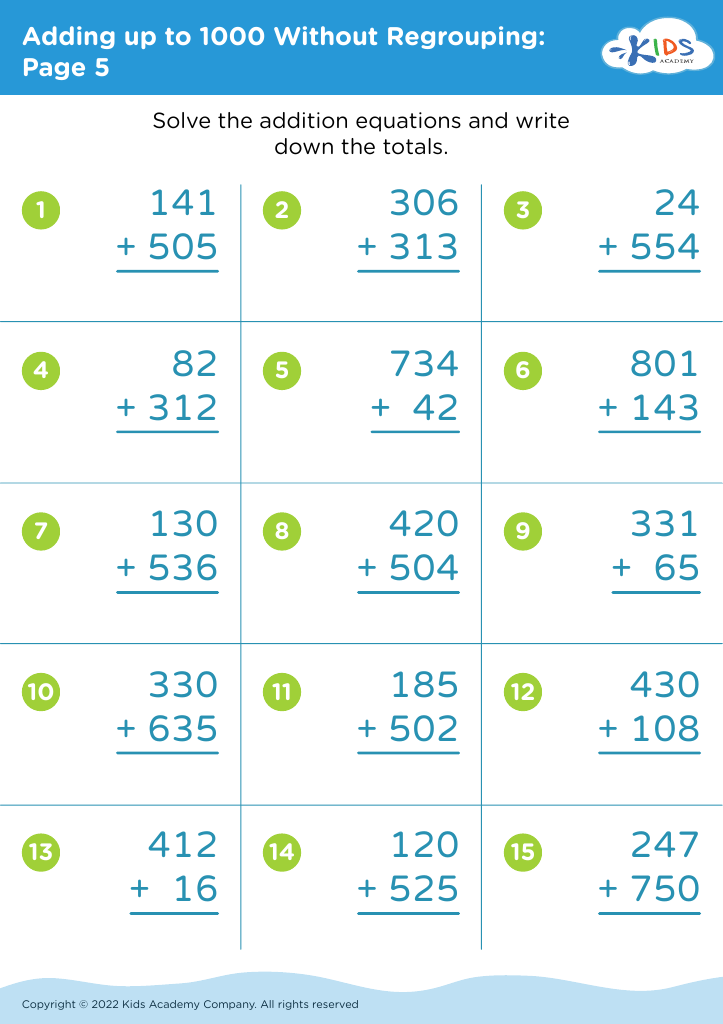
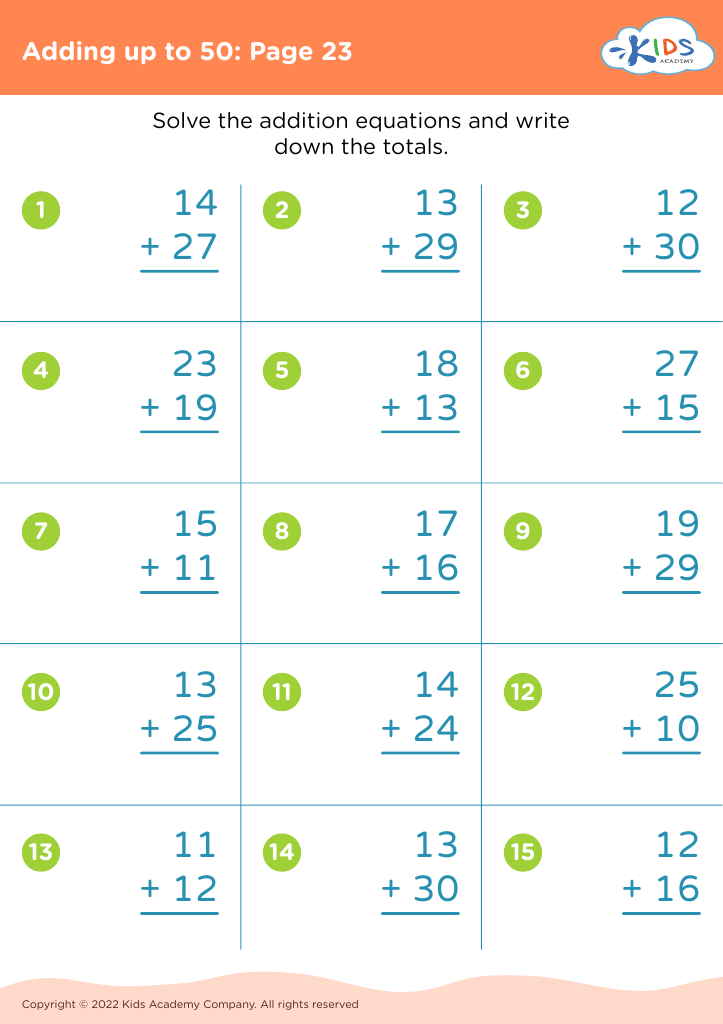
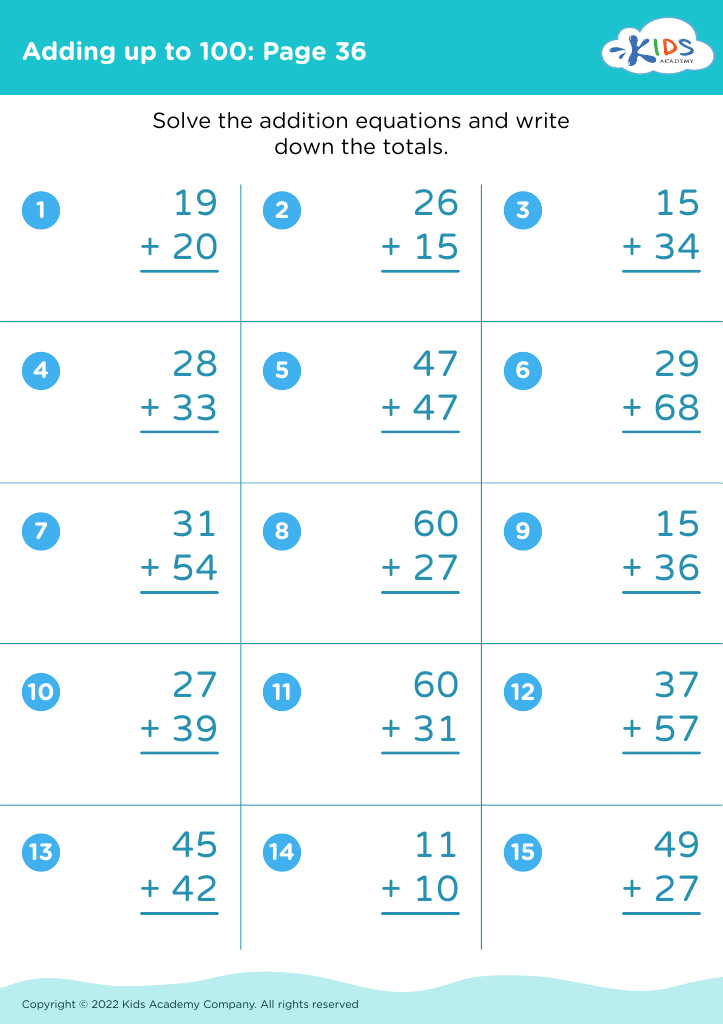








Visual representation comprehension in Grade 2 addition and subtraction is critical for young learners. At this stage, kids are transitioning from counting objects to understanding more abstract mathematical concepts. Visual aids like number lines, ten frames, and base-ten blocks give concrete meaning to these abstract ideas, making comprehension easier.
When parents and teachers prioritize visual representation, they foster a deep, intuitive understanding of math. It helps children see patterns, understand the relationships between numbers, and reinforce the concepts of adding and subtracting. For instance, seeing that 5 + 3 is the same as 3 + 5 using visual aids can help foster an early understanding of the commutative property of addition.
Moreover, visual aids cater to different learning styles. Some children grasp concepts better when they can "see" the math, rather than just hearing or reading about it. It builds a stronger foundation in mathematics, making future learning smoother.
Investing in visual representation also helps in identifying and assisting learners who may struggle. For example, a child consistently making errors can be re-taught using visual methods to clarify misunderstandings.
In summary, focusing on visual representation in Grade 2 is vital because it supports concrete thinking, caters to diverse learning styles, identifies and solves learning issues early, and lays a strong foundation for future math success.