Counting skills Grade 2 Addition Worksheets - Page 5
102 filtered results
-
From - To
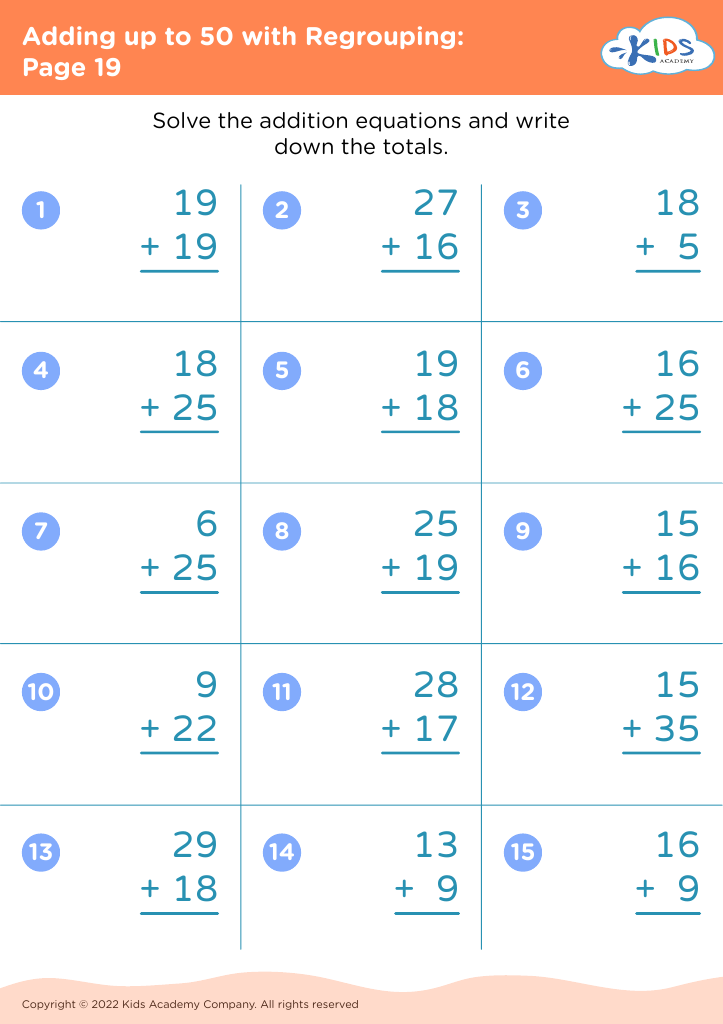
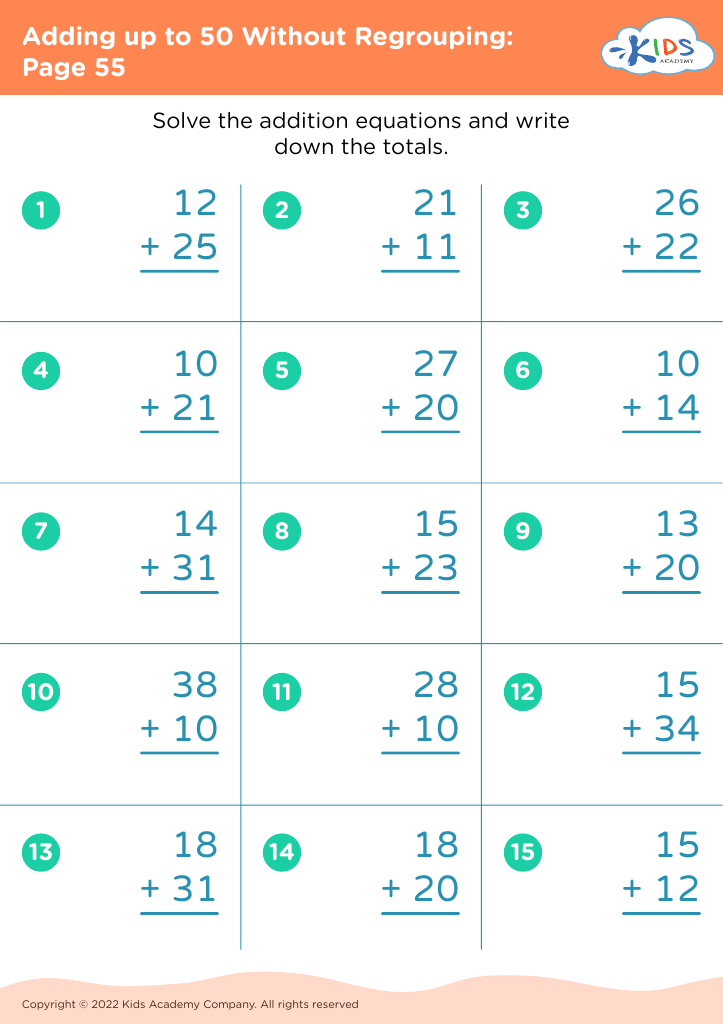
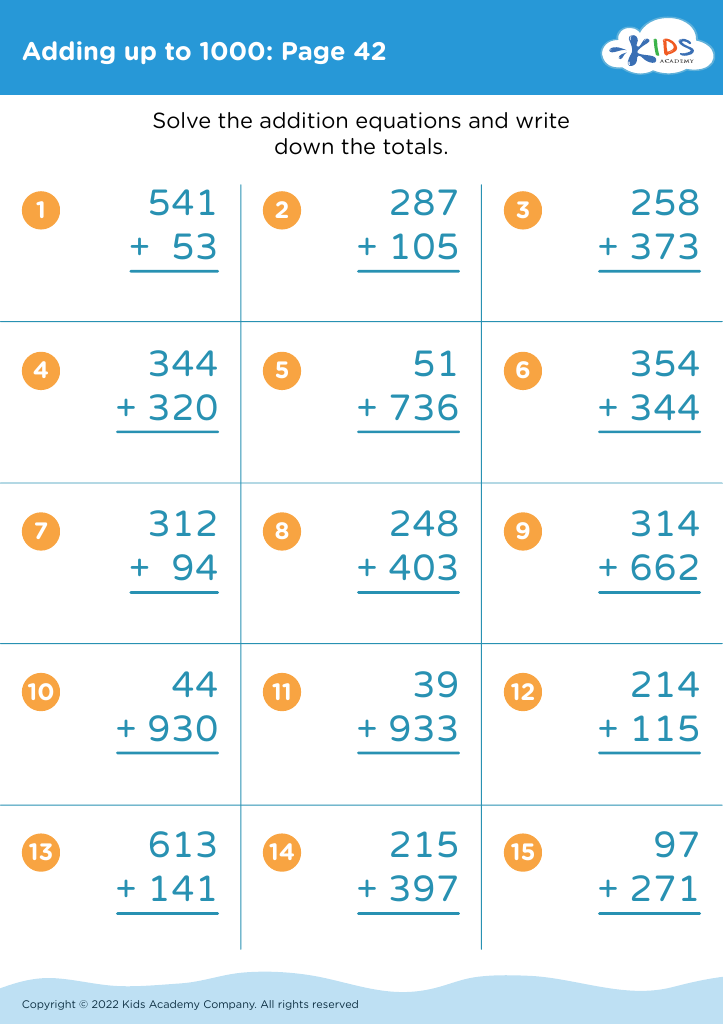
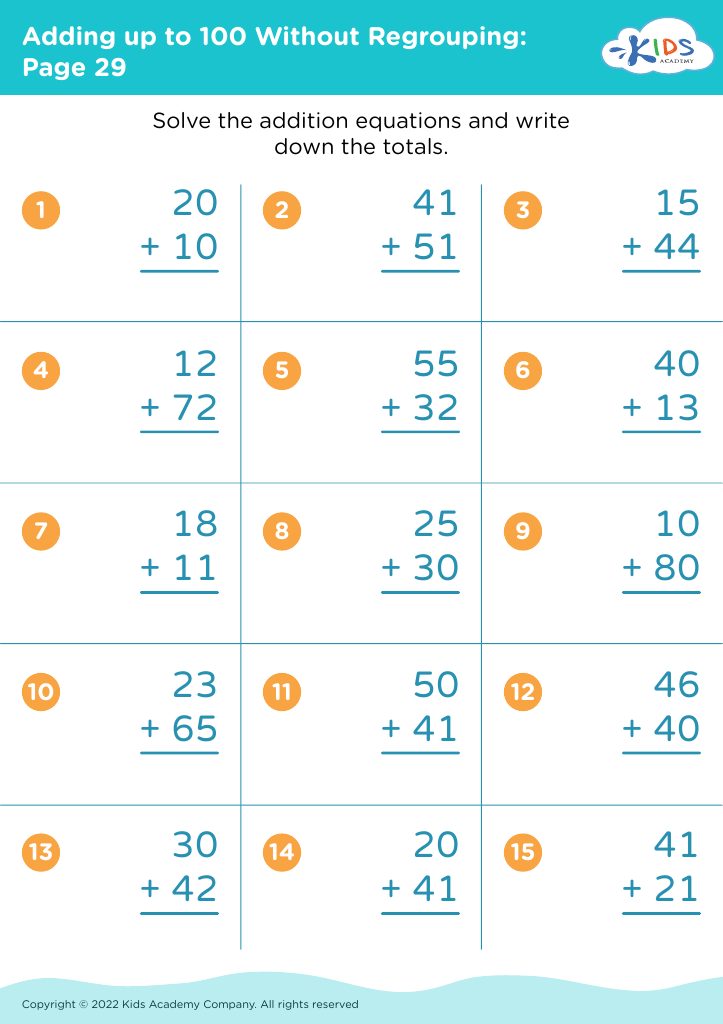
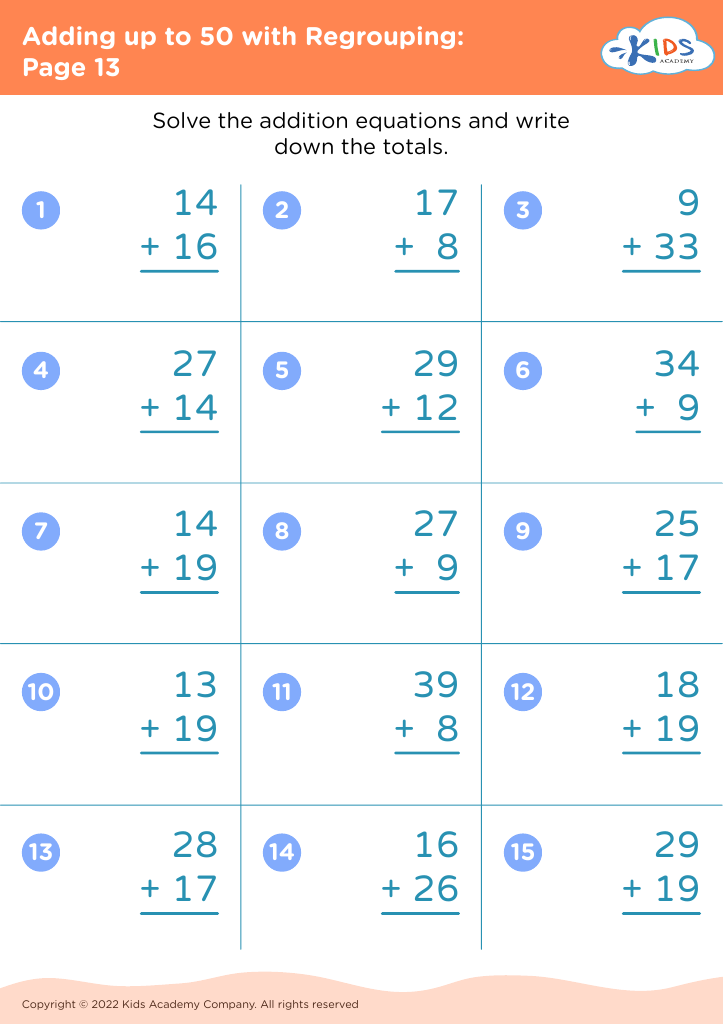
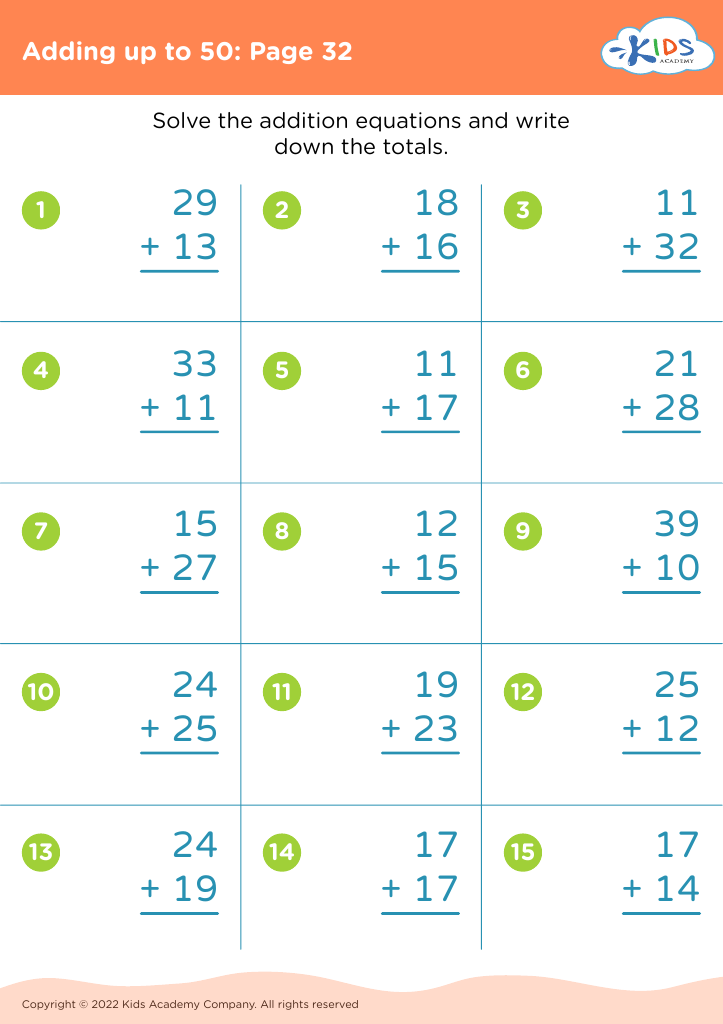






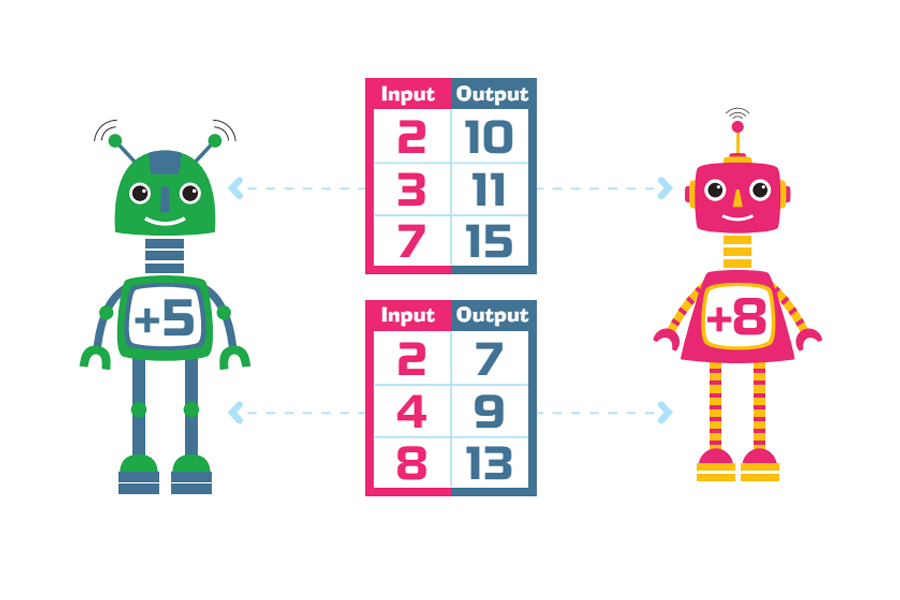

Counting skills, particularly in Grade 2 addition, are foundational for a child's mathematical development. At this stage, children transition from learning basic number recognition to applying those skills in practical ways, such as addition. Understanding how to count and add numbers provides the groundwork for all future math concepts, including subtraction, multiplication, and even more advanced arithmetic operations.
Parents and teachers should care about counting skills because they directly influence a child's confidence and ability in mathematics. Mastery of addition not only helps children with academic tasks, but it also enhances their problem-solving skills, critical thinking, and computational fluency. Engaging with addition through various methods, such as games and hands-on activities, encourages a love for learning and mathematics.
Additionally, strong counting and addition skills enable students to relate math to everyday situations, fostering a practical understanding of financial literacy and budgeting as they grow. By nurturing counting skills, adults empower children to feel competent in their mathematical abilities, reducing anxiety around numbers and building resilience for tackling challenges across all subjects. Such early investments in math education reap long-term benefits, extending into higher education and careers.