Filters

35 filtered results

Clear all filters
Favorites
With answer key
Interactive

35 filtered results

Difficulty Level

Grade


Check out this FREE Grade 2 Trial Lesson on Addition!

Irregular Past Tense Verbs

Favorites
With answer key
Interactive
  • Grade 2
  • Fine Motor Skills
  • Addition
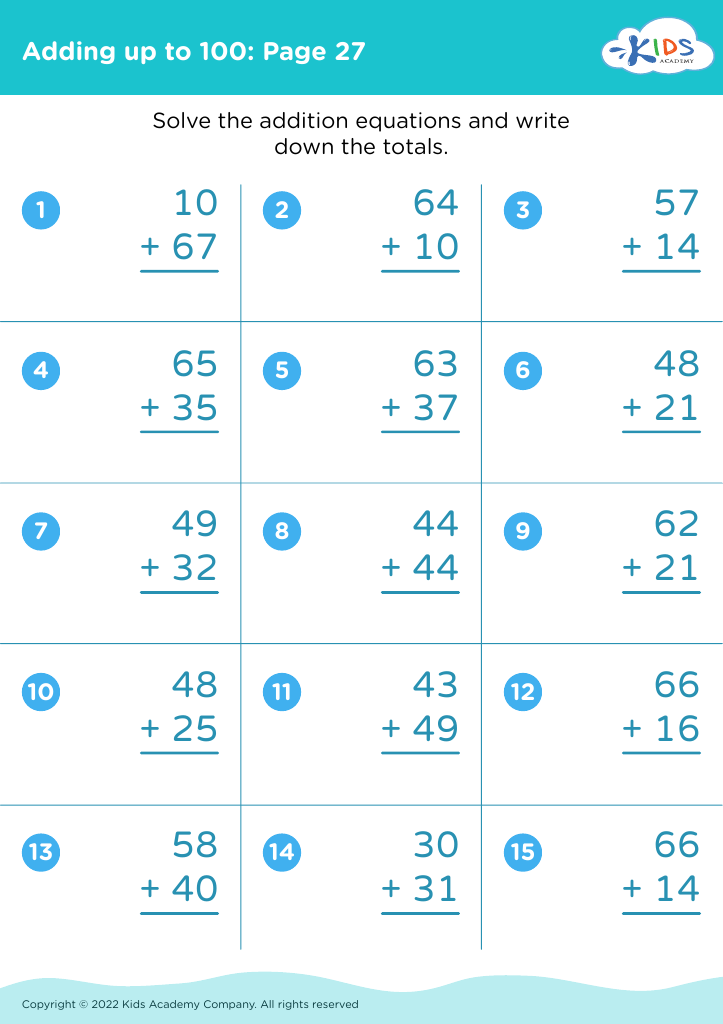
Adding up to 100: Page 27

Adding up to 100: Page 27

Adding up to 100: Page 27
Worksheet
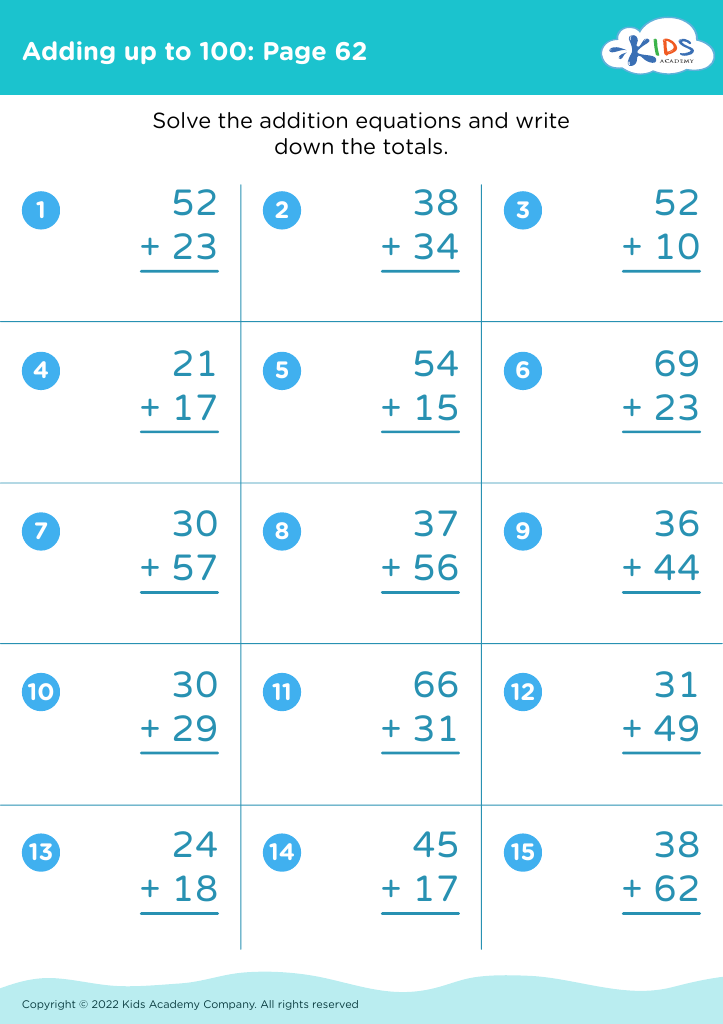
Adding up to 100: Page 62

Adding up to 100: Page 62

Adding up to 100: Page 62
Worksheet
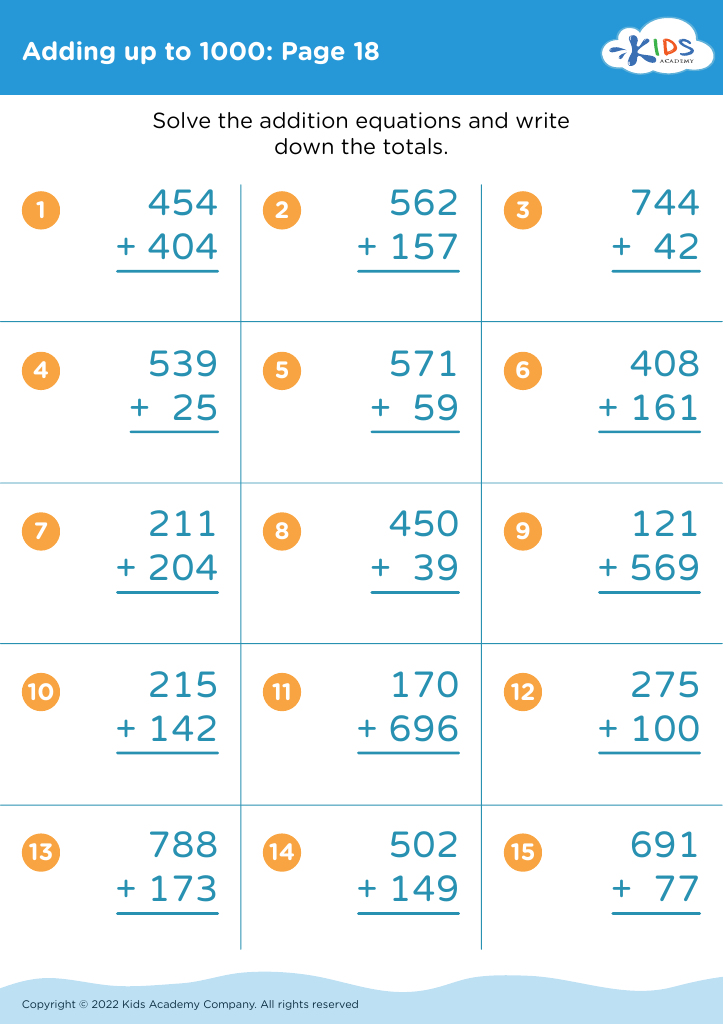
Adding up to 1000: Page 18

Adding up to 1000: Page 18

Adding up to 1000: Page 18
Worksheet
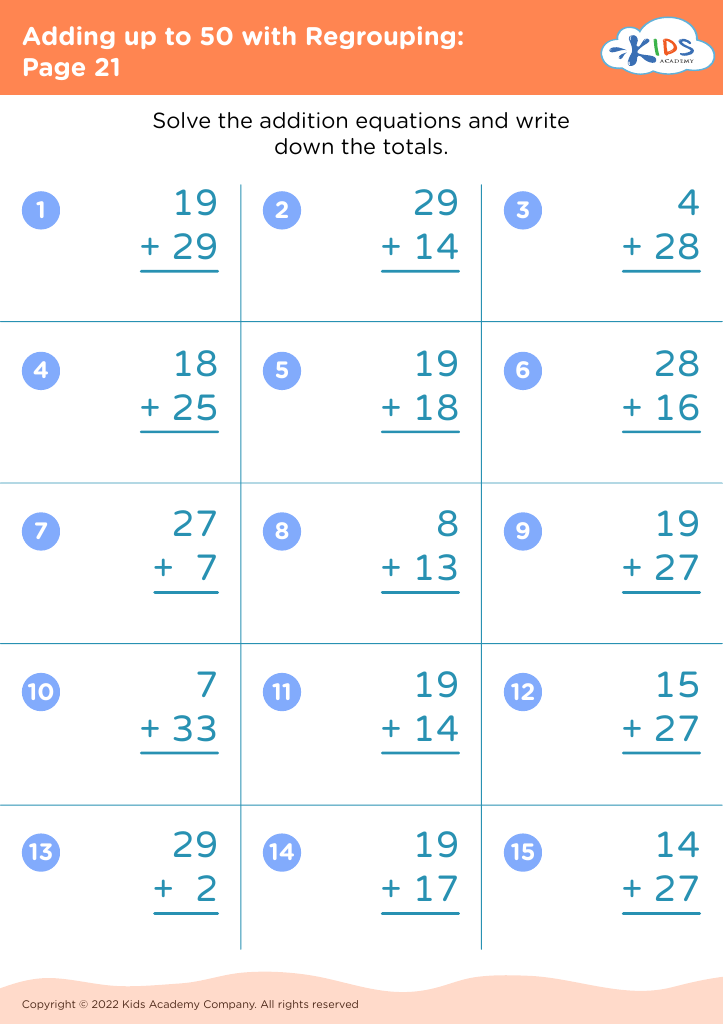
Adding up to 50 with Regrouping: Page 21
Worksheet
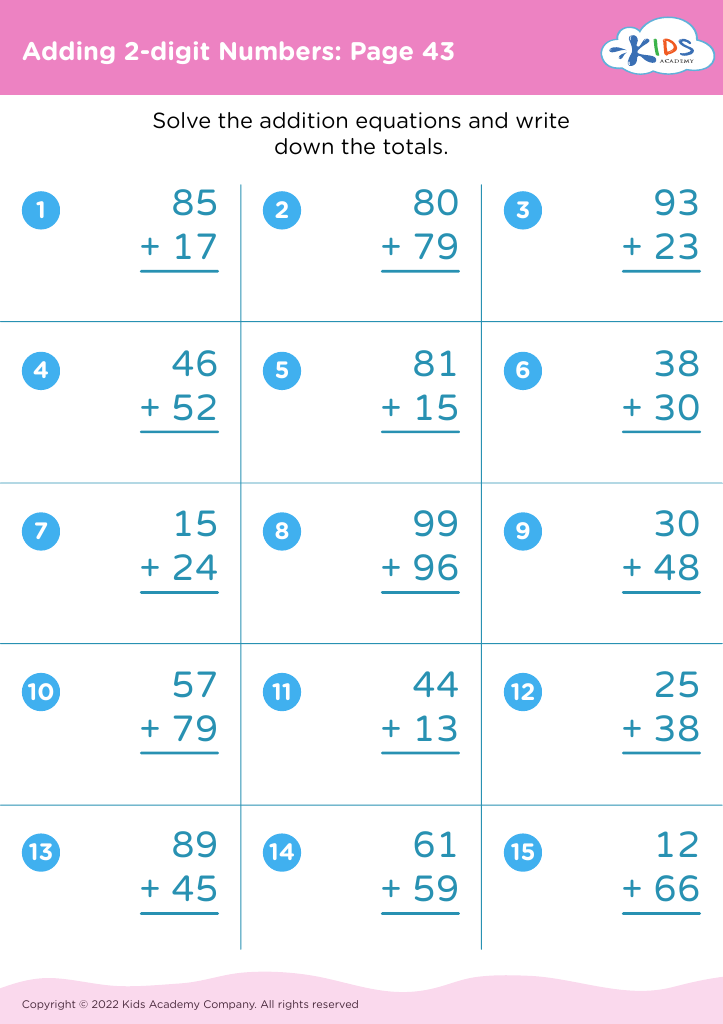
Adding 2-digit Numbers: Page 43

Adding 2-digit Numbers: Page 43

Adding 2-digit Numbers: Page 43
Worksheet
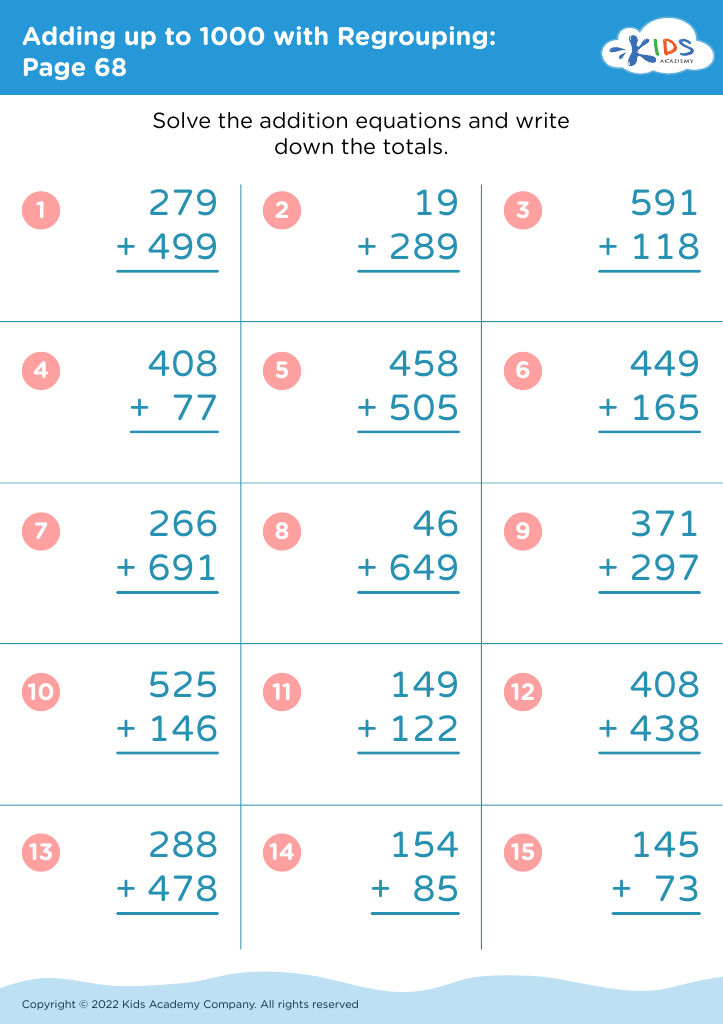
Adding up to 1000 with Regrouping: Page 68
Worksheet
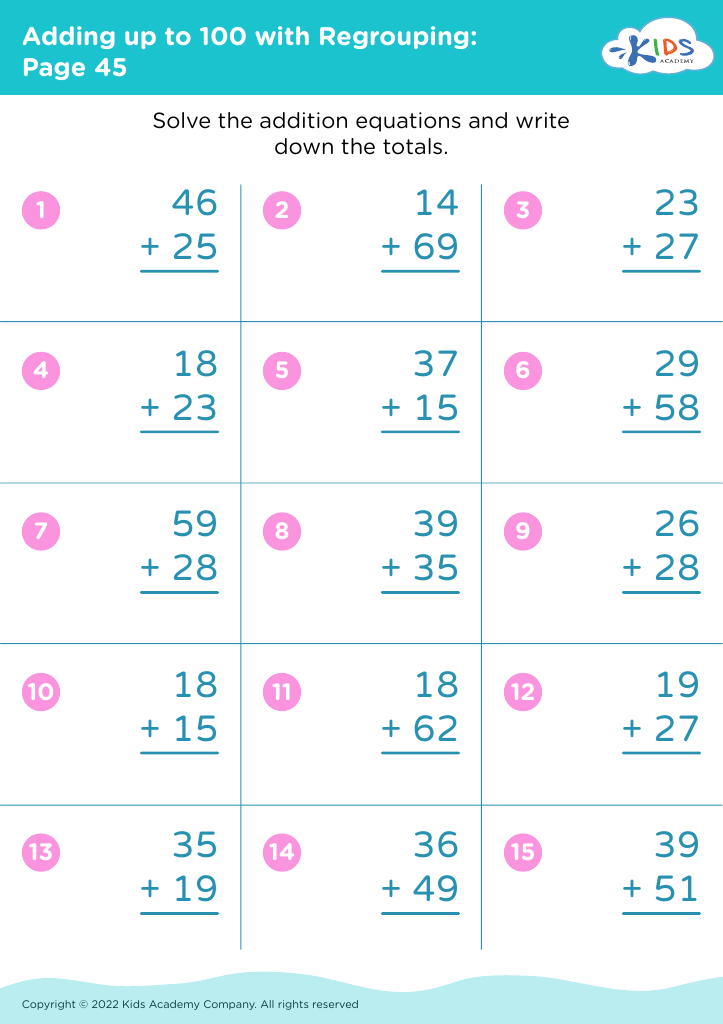
Adding up to 100 with Regrouping: Page 45
Worksheet
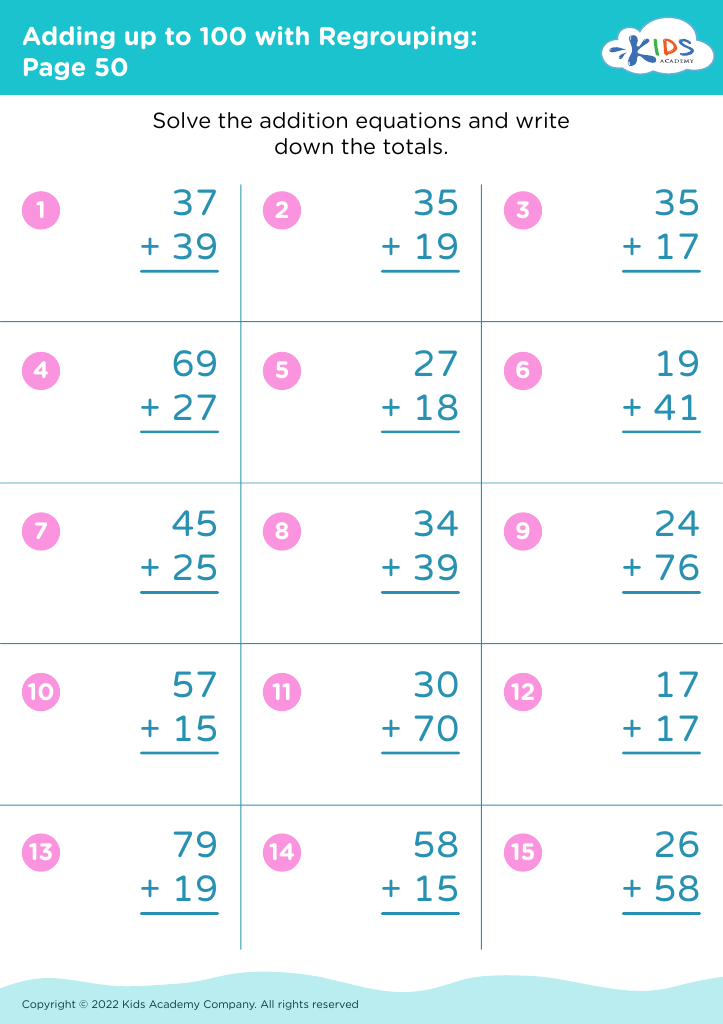
Adding up to 100 with Regrouping: Page 50
Worksheet
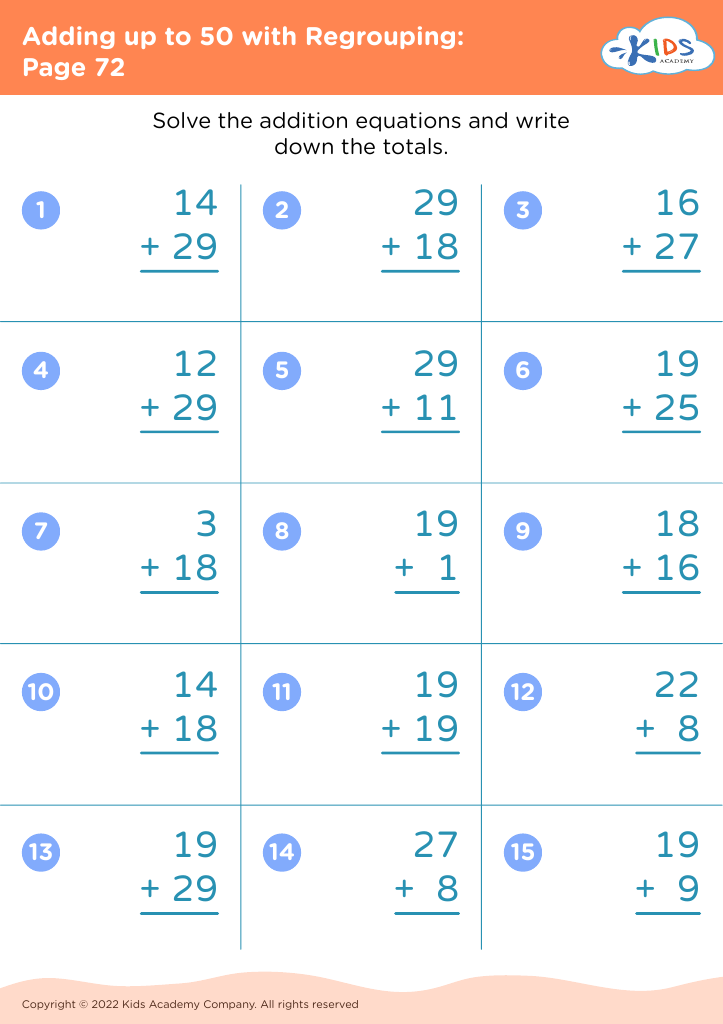
Adding up to 50 with Regrouping: Page 72
Worksheet
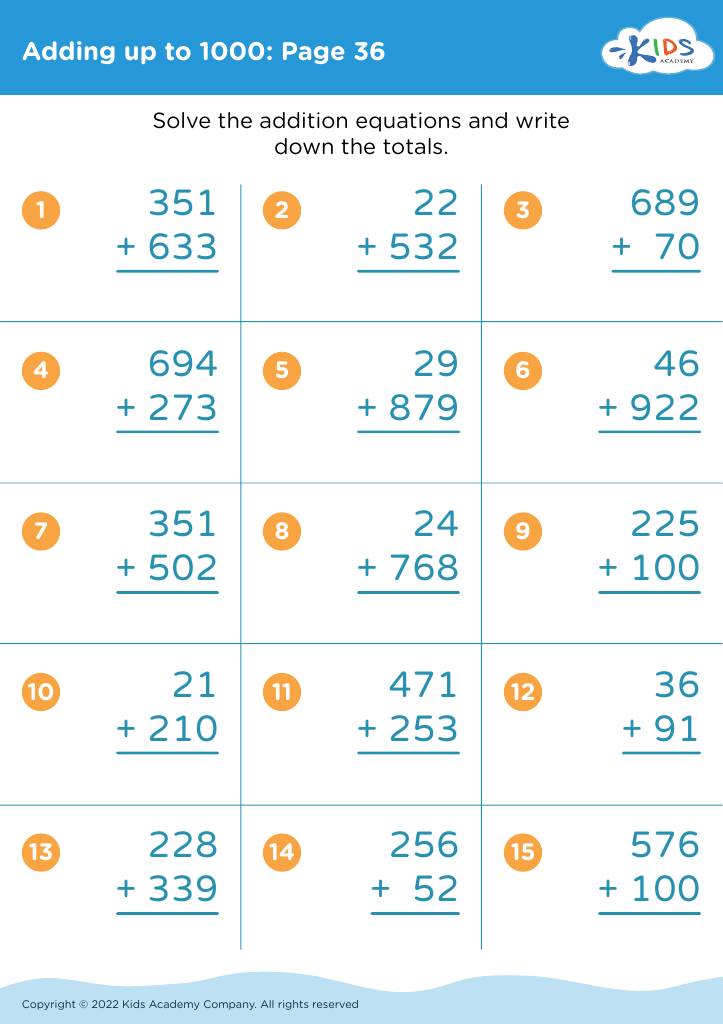
Adding up to 1000: Page 36

Adding up to 1000: Page 36

Adding up to 1000: Page 36
Worksheet
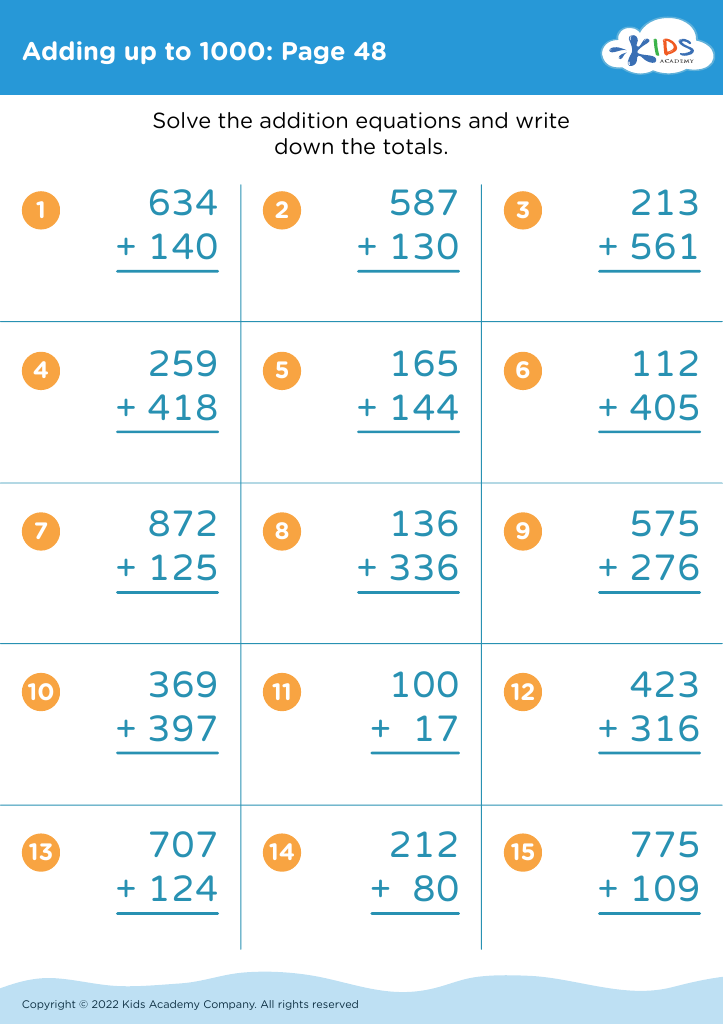
Adding up to 1000: Page 48

Adding up to 1000: Page 48

Adding up to 1000: Page 48
Worksheet


Fine motor skills are essential for second graders as they impact many areas of academic and personal development. At this stage, children are refining their abilities to control small muscles in their hands and fingers, which are crucial for tasks such as writing, cutting with scissors, and even using a computer mouse. Parents and teachers should be concerned about fine motor skills because they directly influence a child's ability to perform academically and express themselves creatively.

For example, addition activities in Grade 2 often require children to write numbers neatly and accurately. Strong fine motor skills enable students to focus on math concepts rather than struggling with number formation. Good handwriting and the ability to handle math manipulatives, like counters and blocks, remove unnecessary frustration and foster a better learning experience.

Moreover, these skills also build a foundation for other academic subjects and everyday tasks, supporting overall self-confidence and independence. Activities that enhance fine motor skills include puzzle-solving, drawing, and playing with small objects, which help make learning more enjoyable and effective. In sum, paying attention to fine motor skills prepares children for a smoother educational journey and better personal growth.