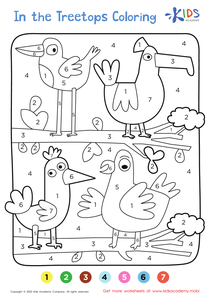
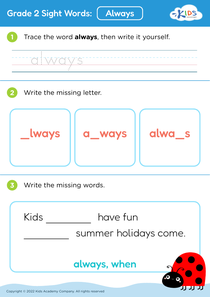
Motor skills development Grade 2 Addition Worksheets
4 filtered results
-
From - To
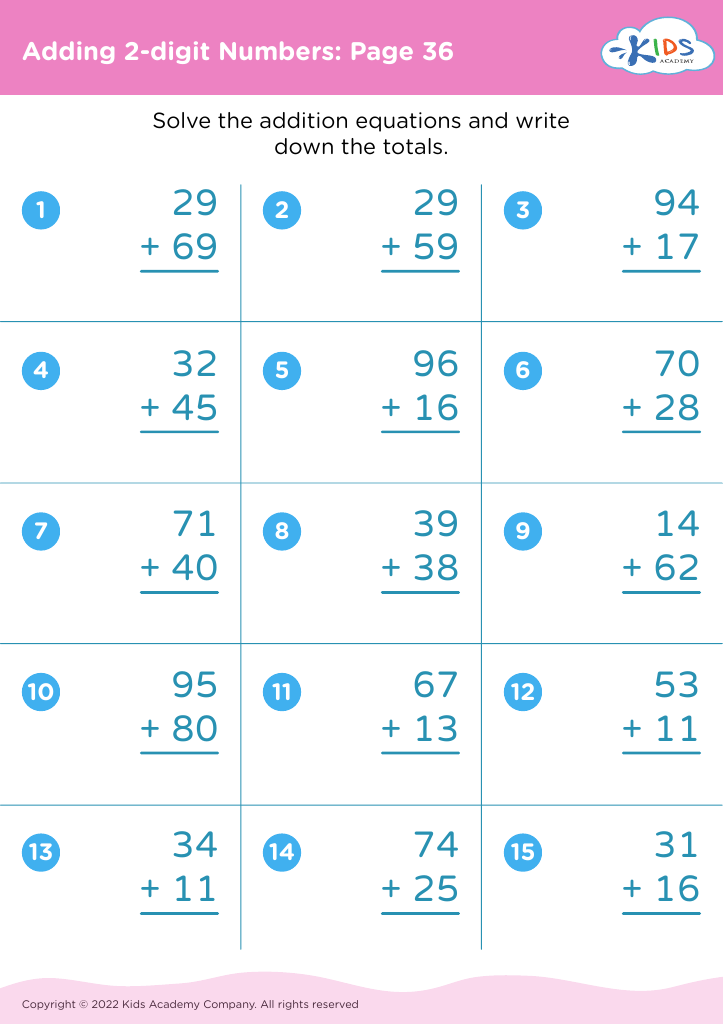
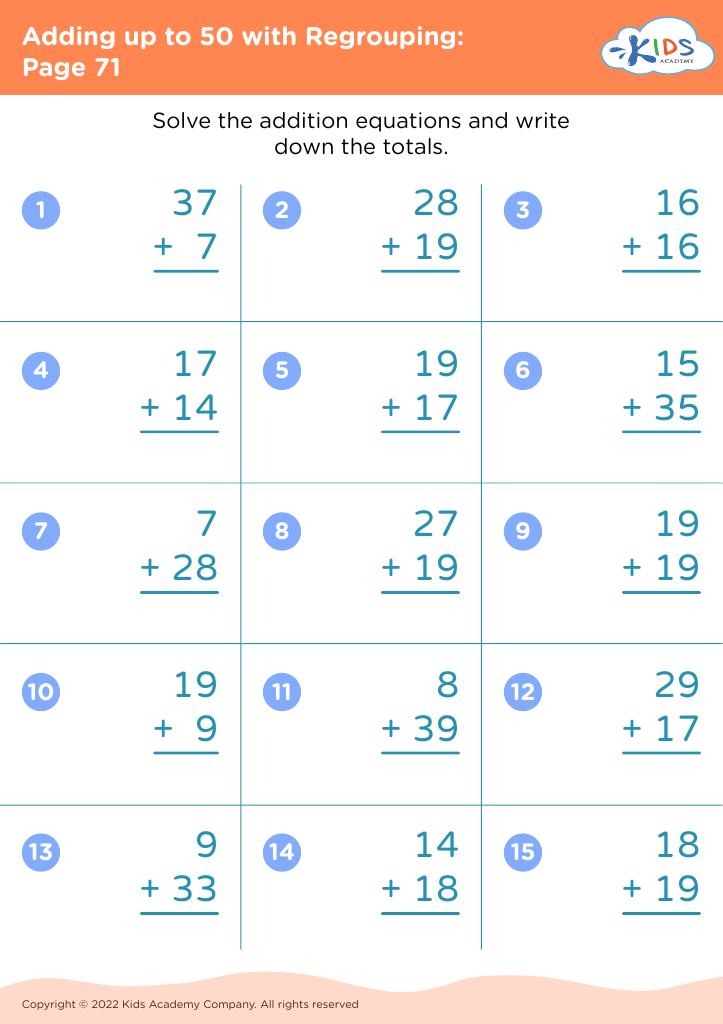
Enhance your Grade 2 students' motor skills while mastering addition with our engaging worksheets! Designed specifically for second graders, these printable activities focus on developing fine motor skills critical for writing and daily tasks. Our diverse selection of addition worksheets combines hands-on exercises with mathematical concepts, allowing children to practice adding numbers through fun and interactive formats. These worksheets not only promote number fluency but also improve hand-eye coordination and dexterity. Ideal for classroom use or at-home practice, our resources cater to various learning styles, ensuring that every child can thrive. Unlock your child's potential in math and motor skills today!
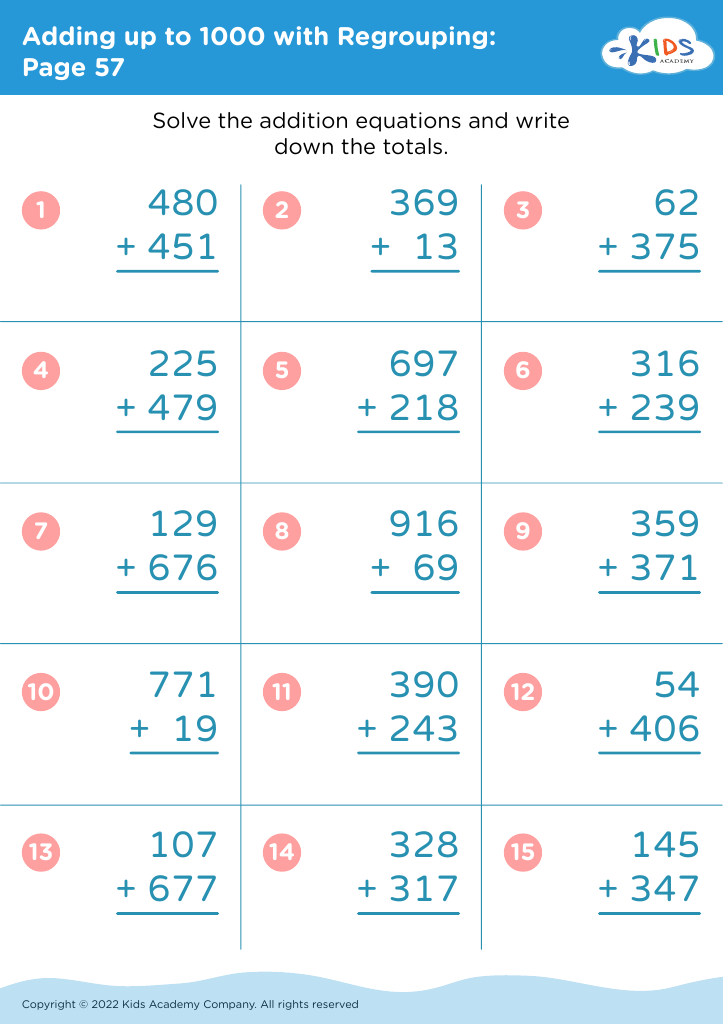
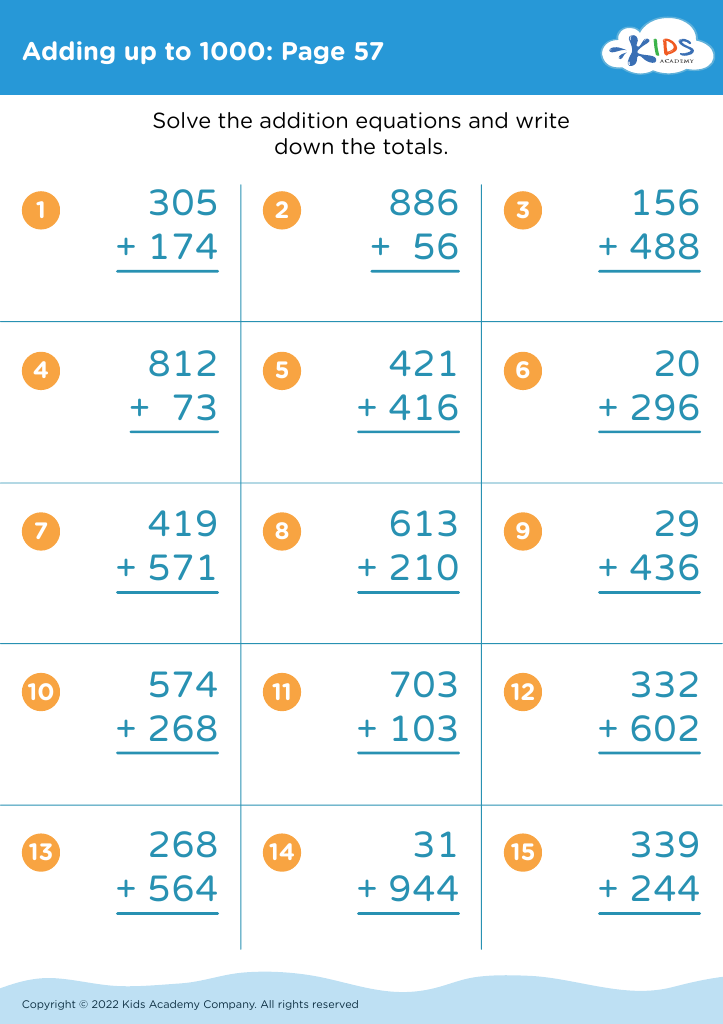








Motor skills development is crucial in Grade 2 as it significantly impacts a child's overall learning and academic success, including addition. At this age, students are refining both fine motor skills (like writing and using scissors) and gross motor skills (like jumping and running). These skills are linked closely to their ability to grasp fundamental mathematical concepts.
In Grade 2, children start to engage more deeply with addition, often using manipulatives and writing their answers. Well-developed fine motor skills allow them to manipulate these tools effectively, enhancing their understanding through hands-on learning. When kids struggle with motor skills, it can lead to frustration in subjects like math, where dexterity is needed to write neatly or use educational resources.
Moreover, strong motor skills contribute to self-confidence in students. When children are comfortable and capable in their physical movements, they are more likely to participate actively in classroom activities and discussions, including math lessons.
By promoting motor skills development, parents and teachers can enable children to have a more positive learning experience, digging deeper into math concepts like addition and nurturing a foundation for future academic success. Consequently, they will foster not only skillful learners but also confident individuals.