Problem-Solving Skills Grade 2 Addition Worksheets - Page 4
94 filtered results
-
From - To
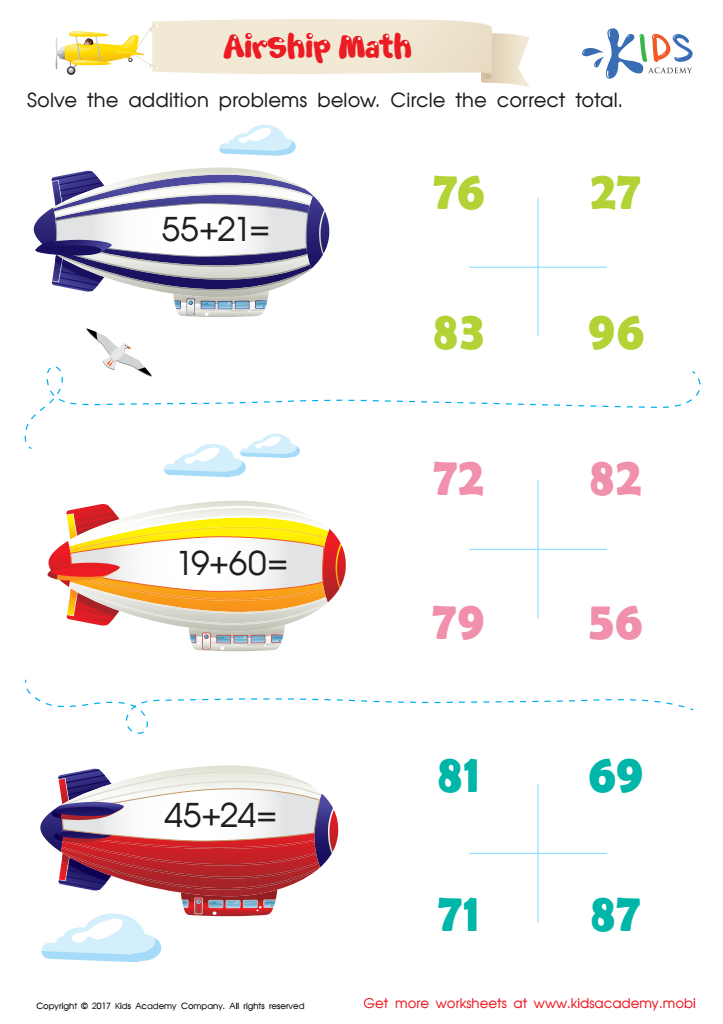
Airship Math Addition Printable
 Assign to My Students
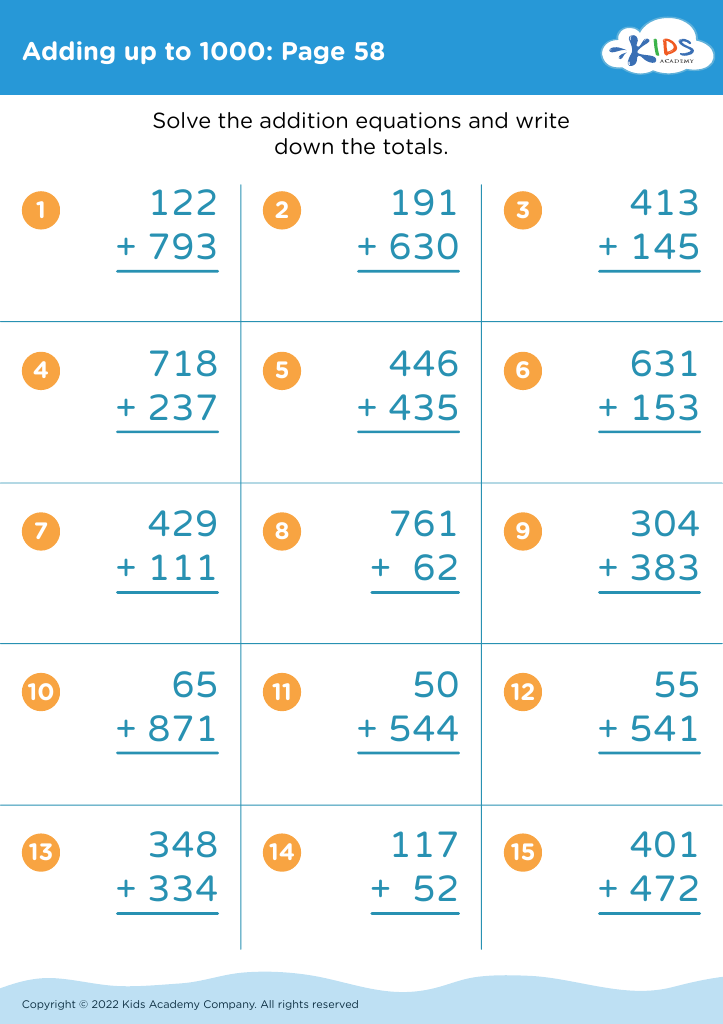
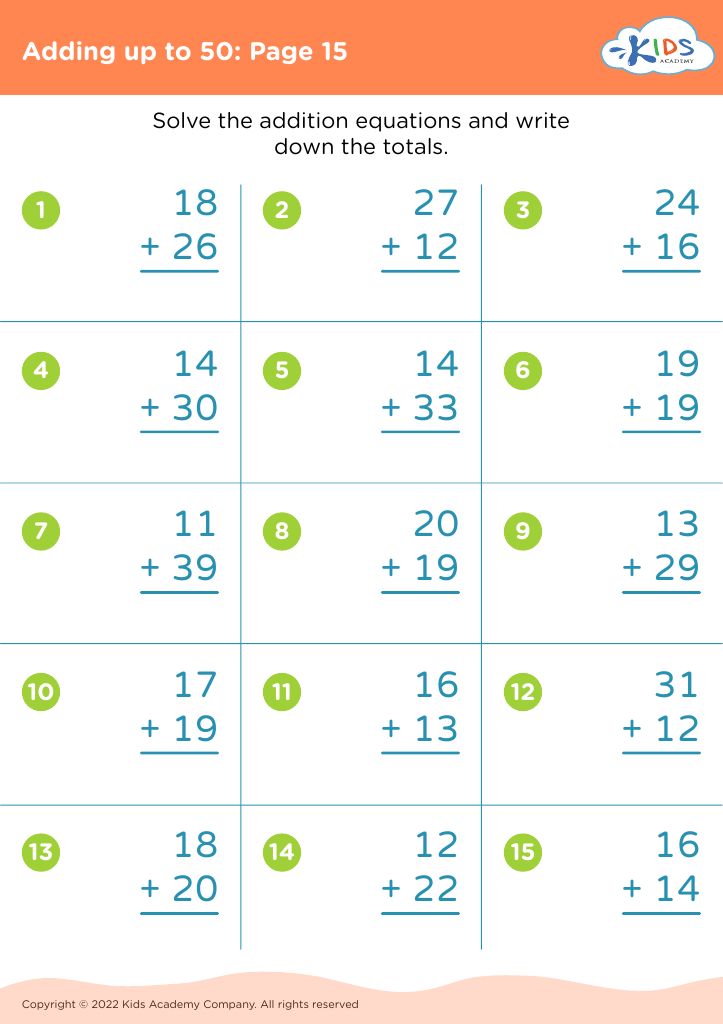
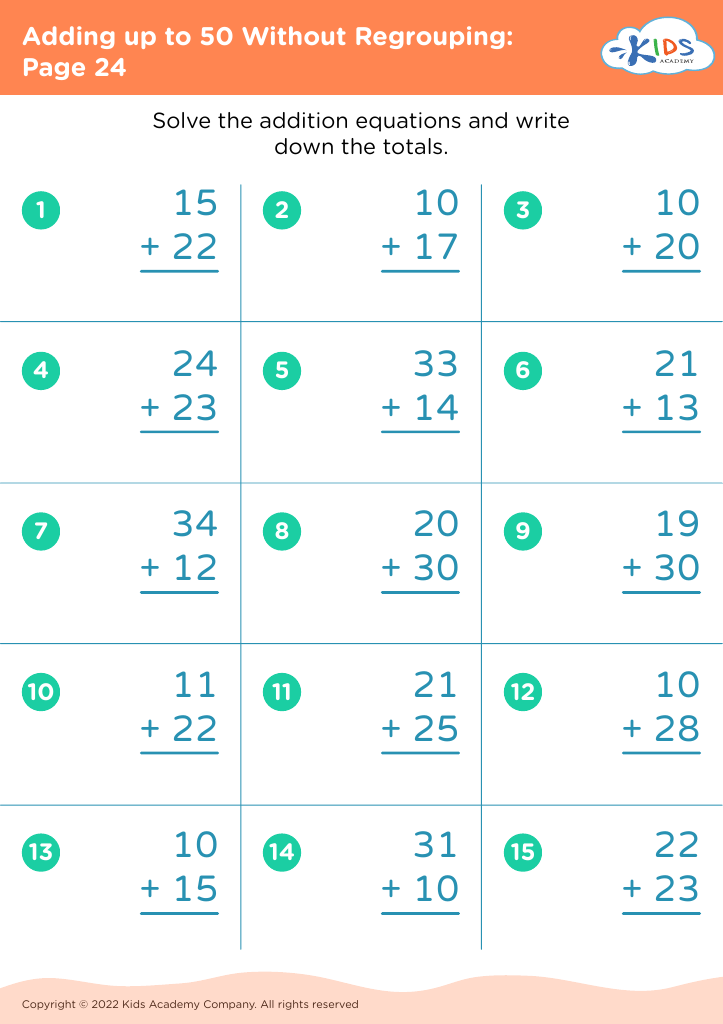
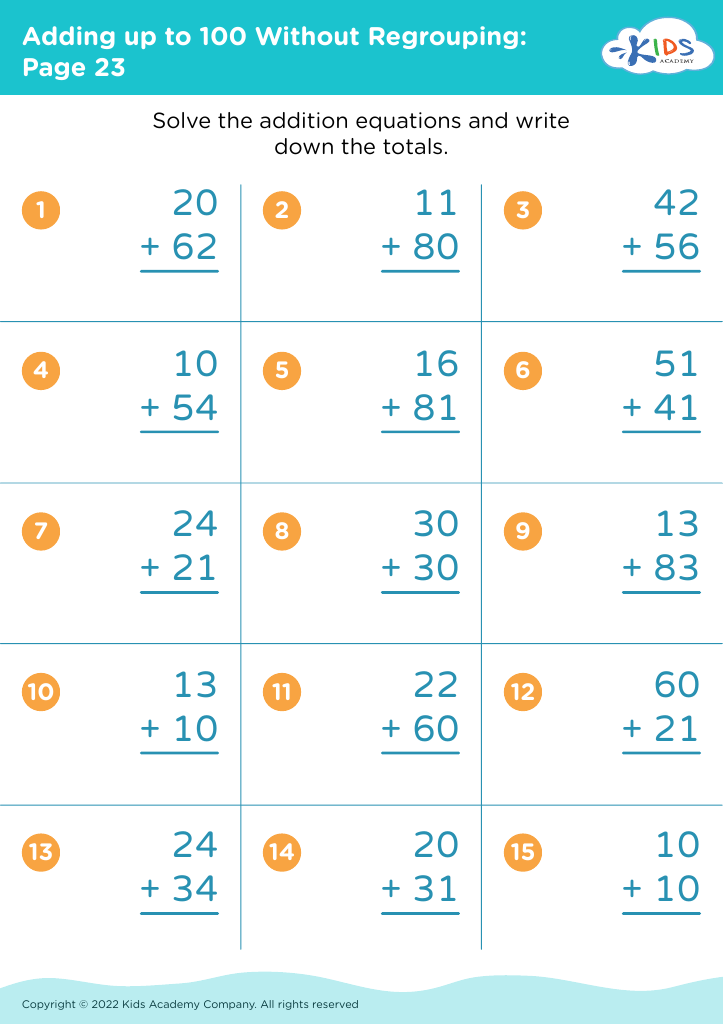
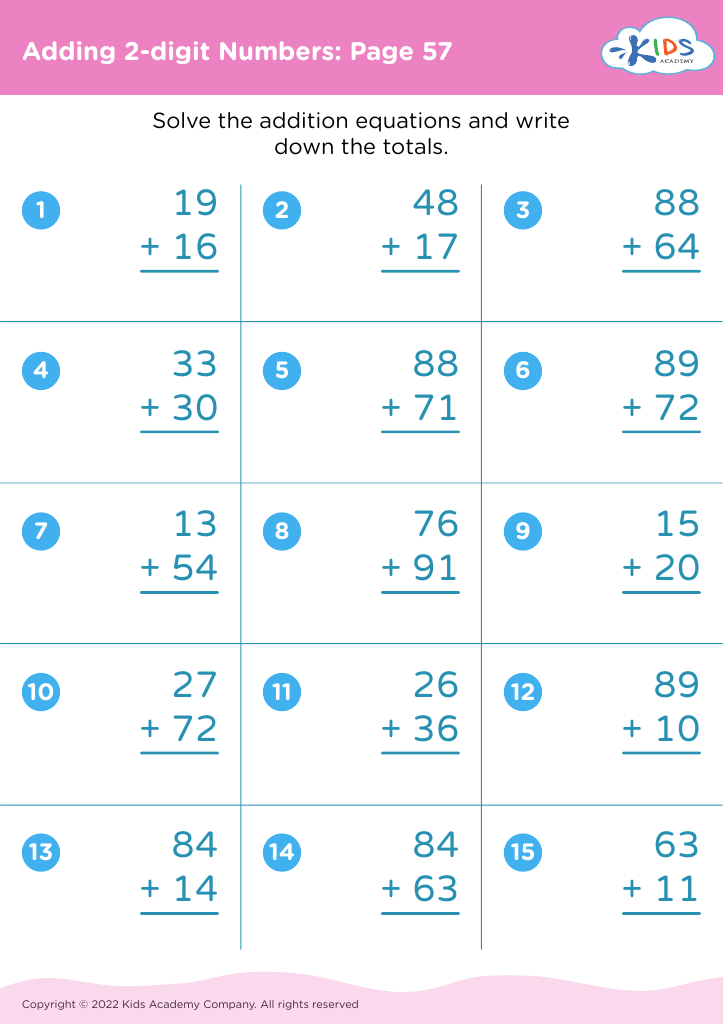
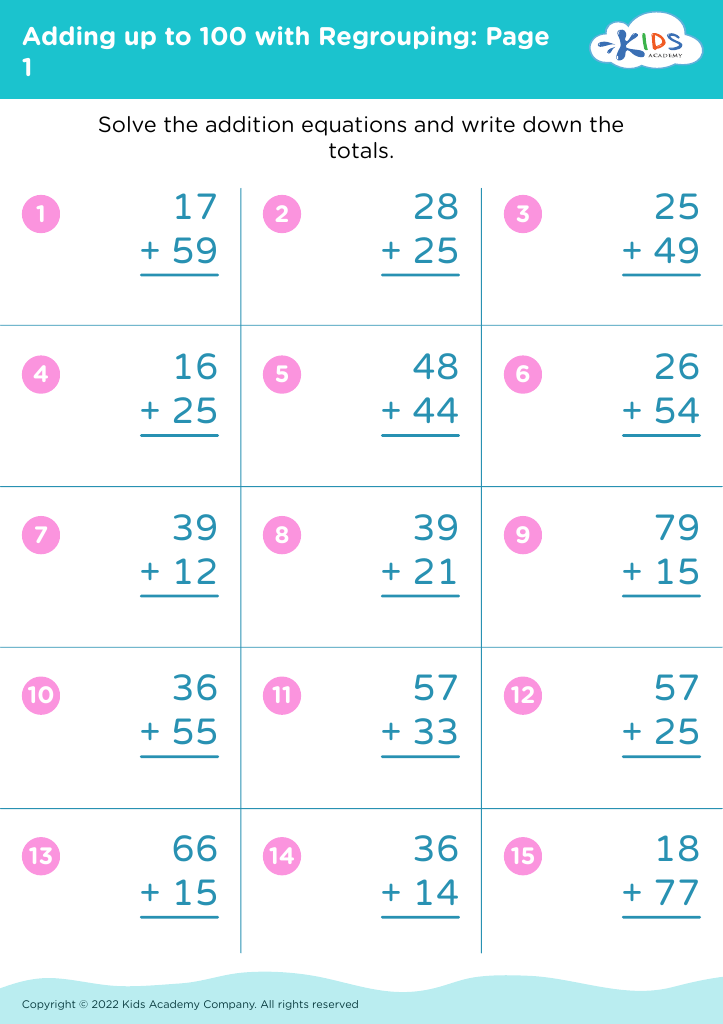
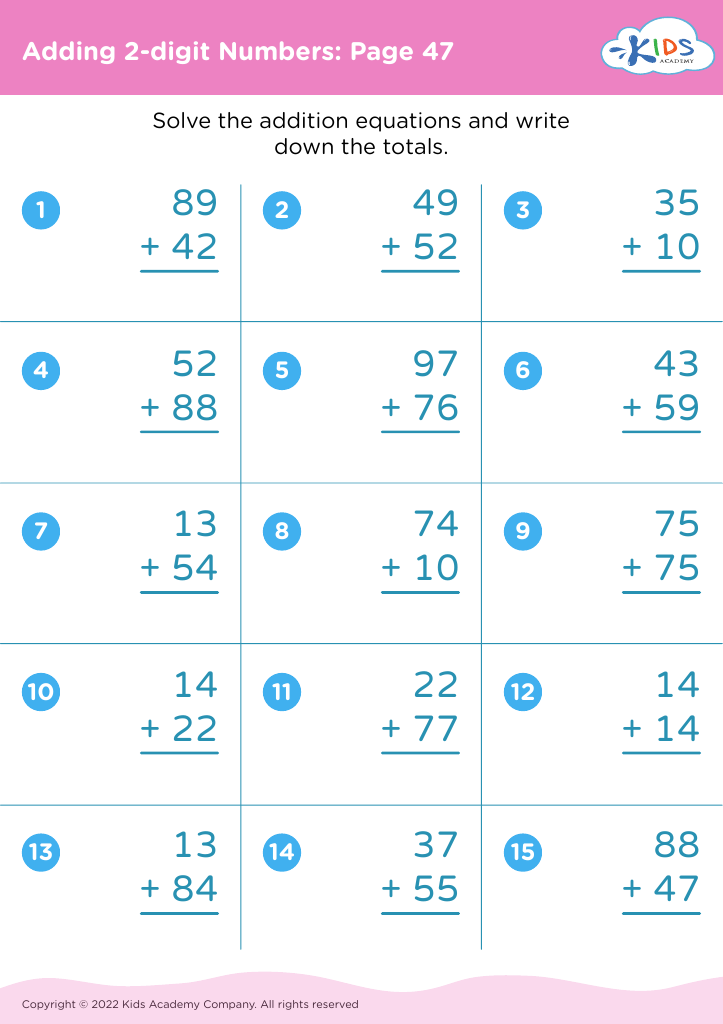
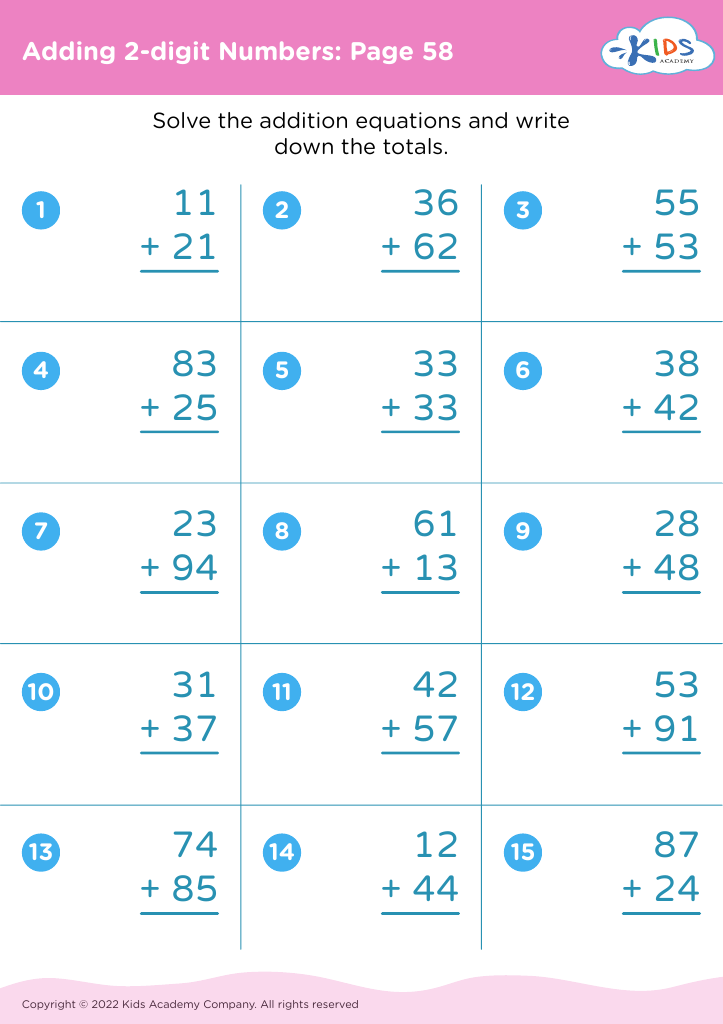
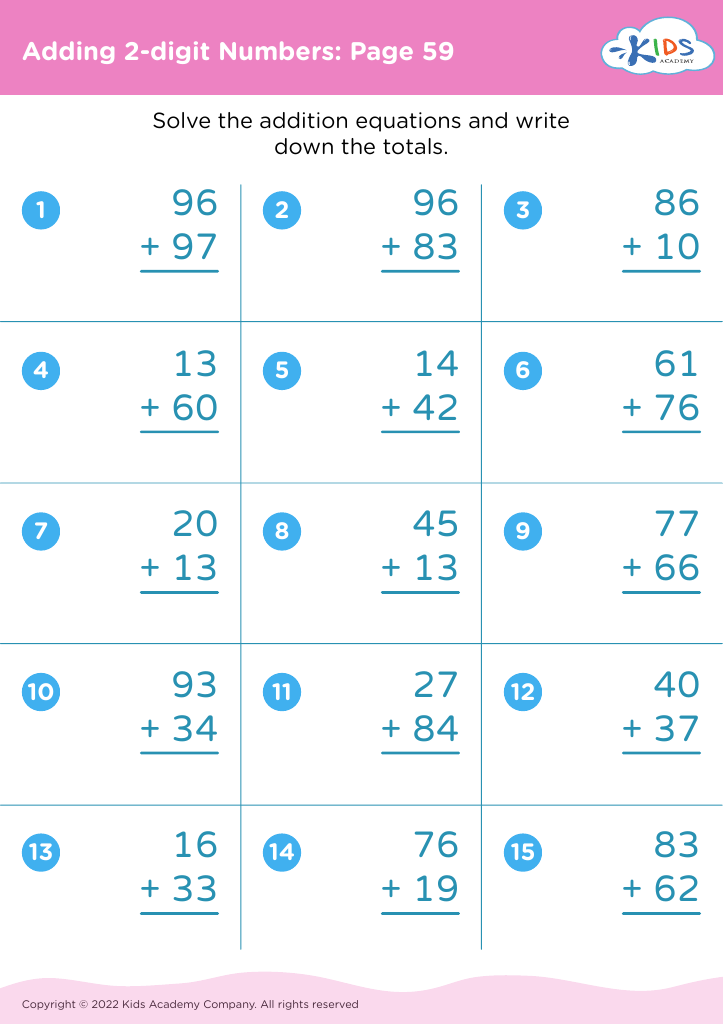
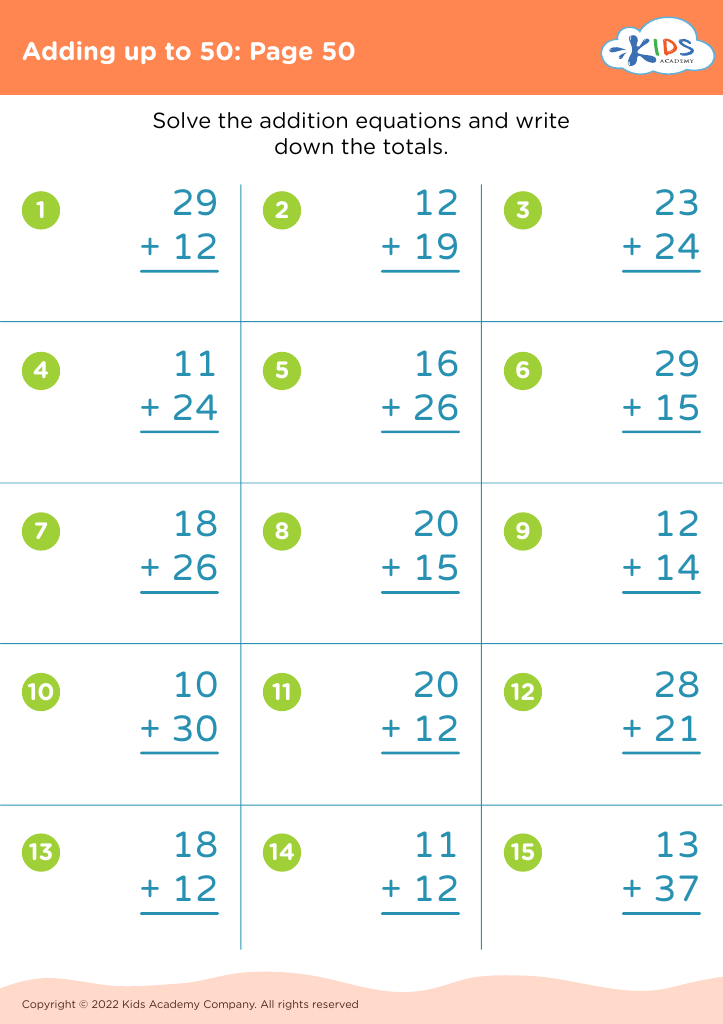
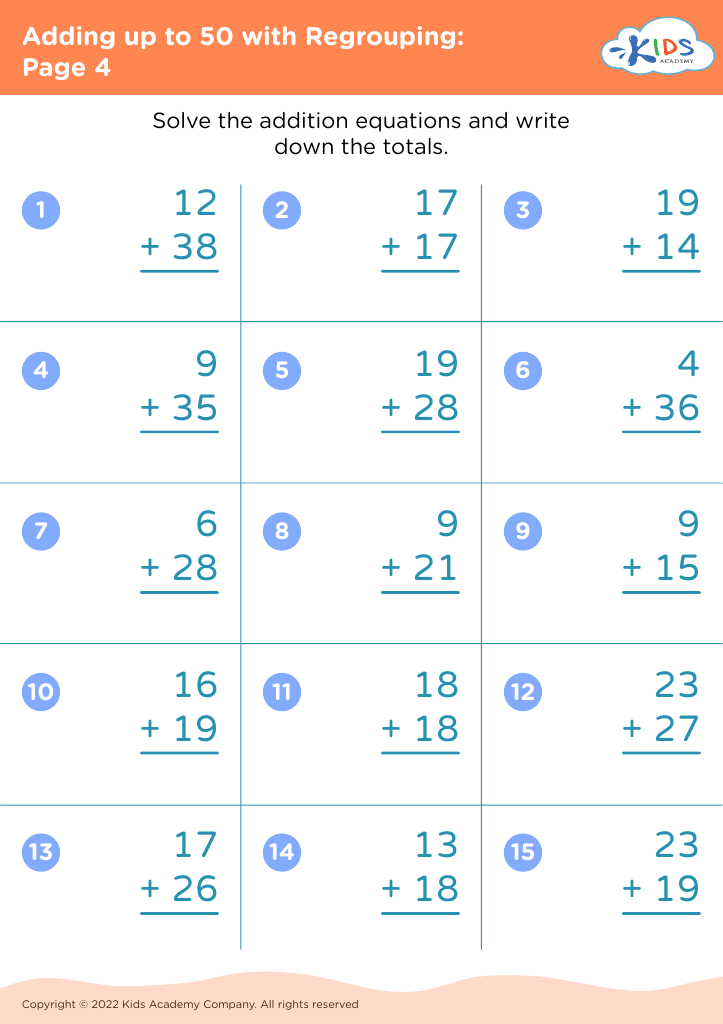
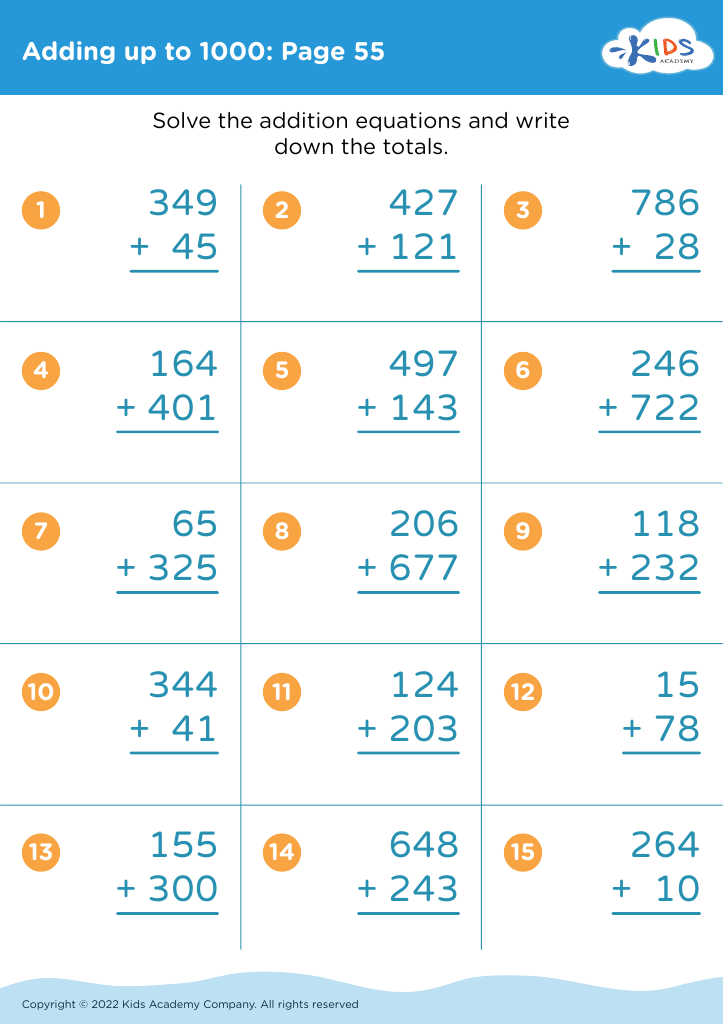
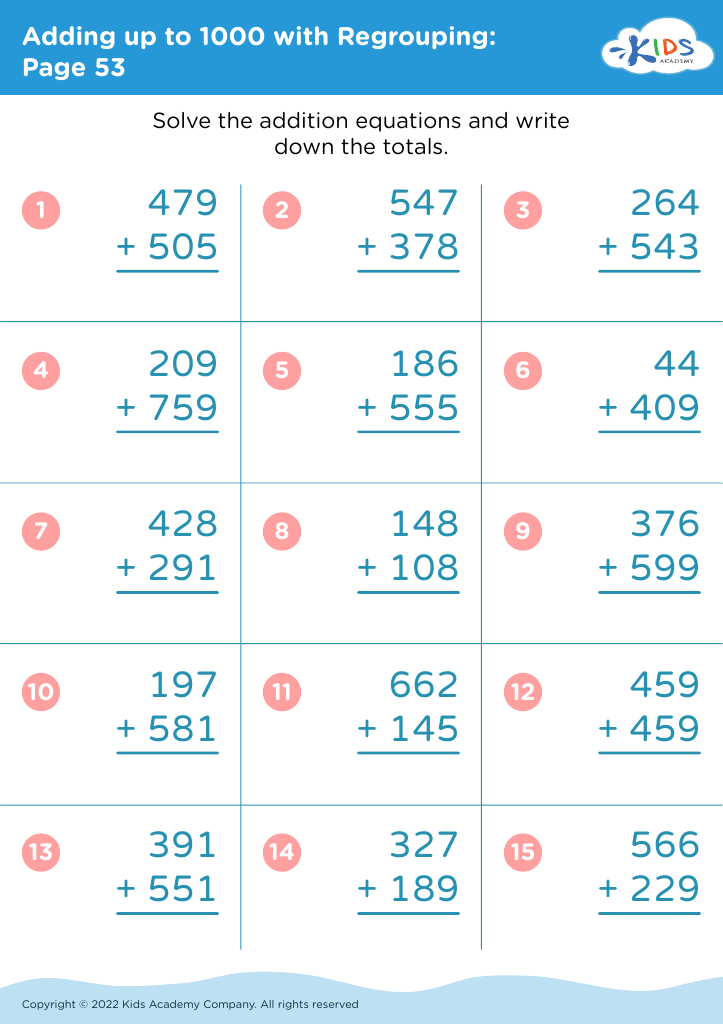
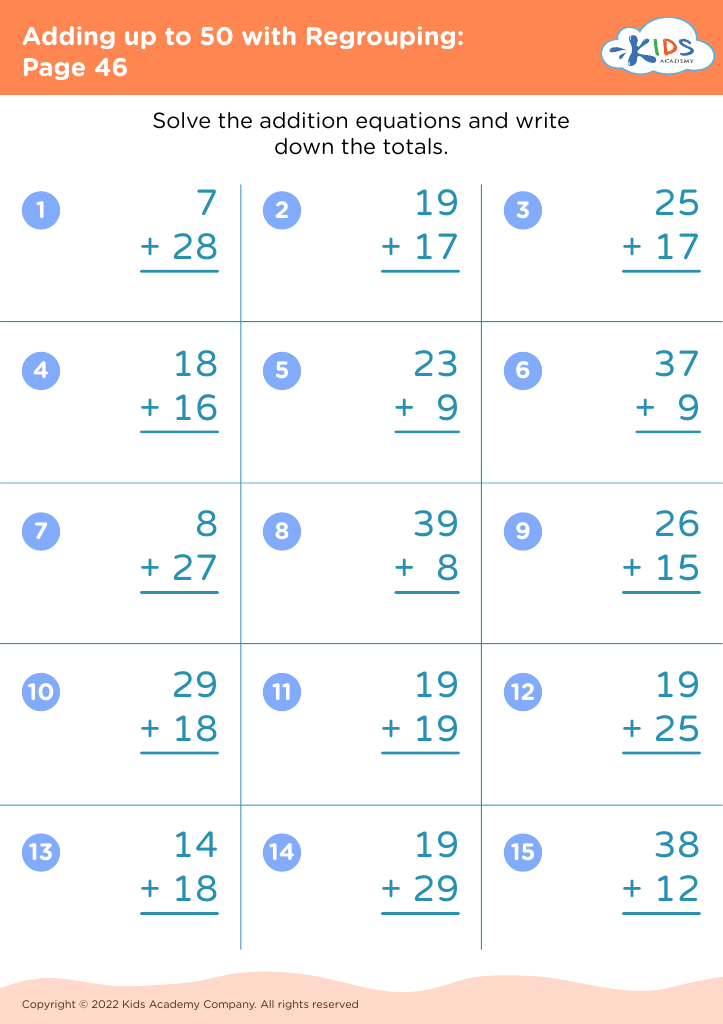
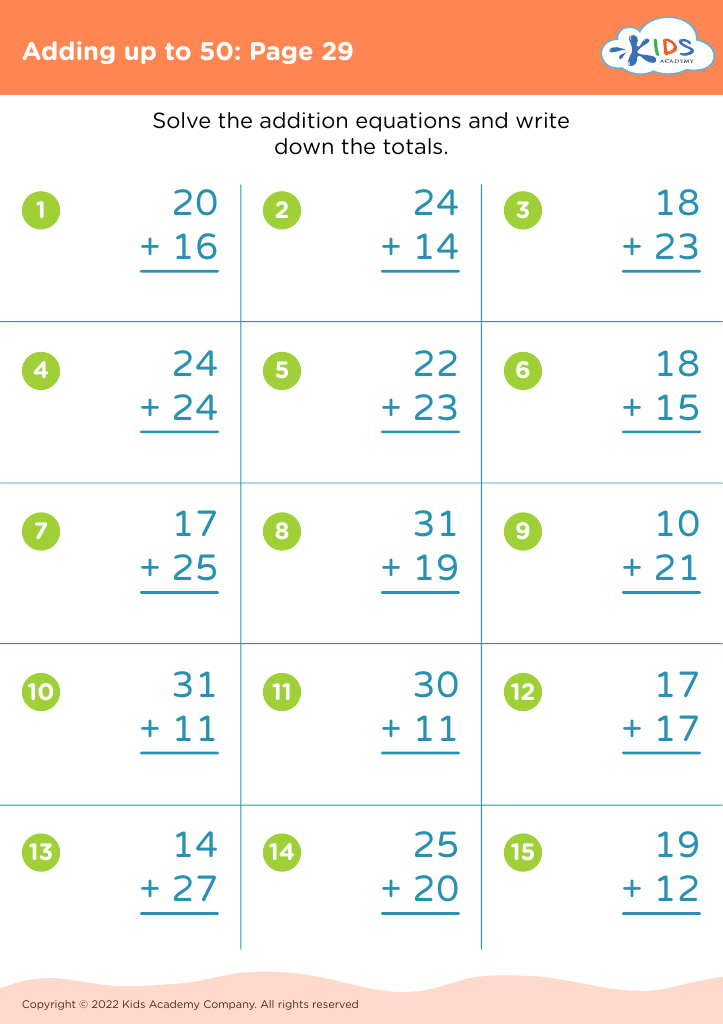
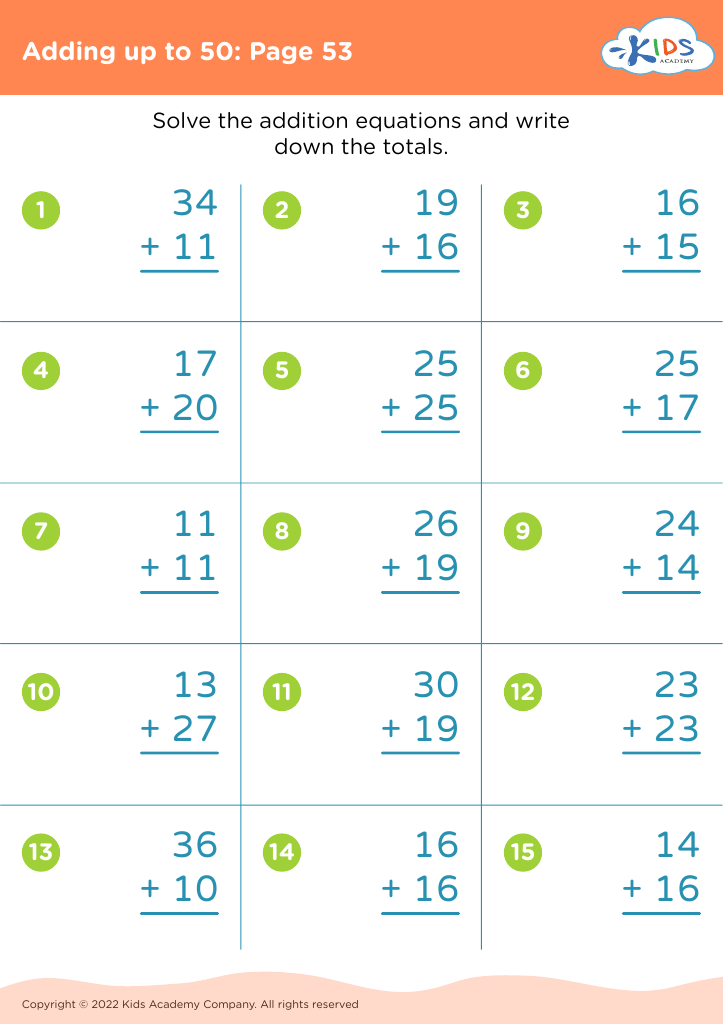
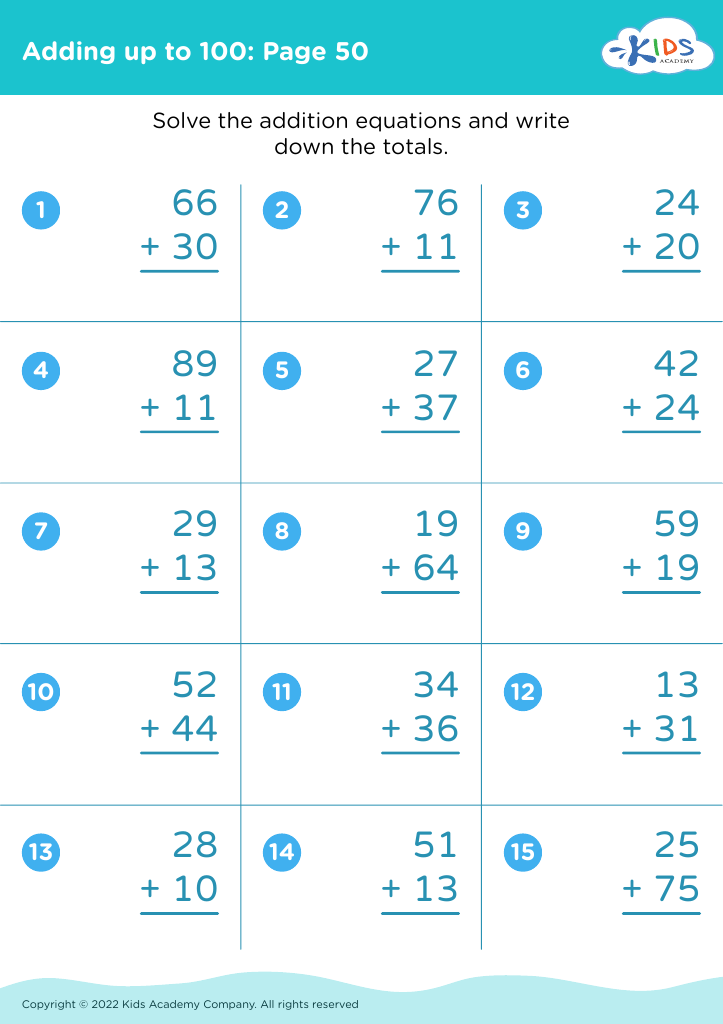
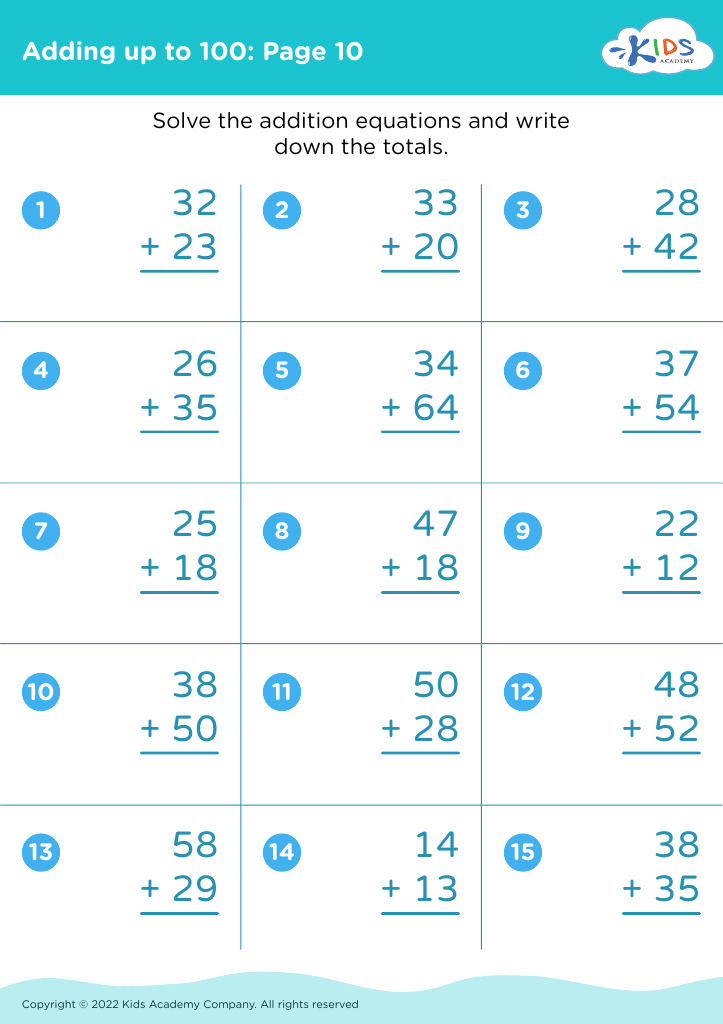







Problem-solving skills in Grade 2 addition are crucial for several reasons. First, they help young learners develop critical thinking abilities, which are fundamental for academic success. By engaging students in problem-solving activities, they learn how to approach challenges, analyze information, and draw conclusions—key skills that extend beyond math.
Additionally, Grade 2 is a pivotal time in a child's educational journey when they transition from basic computation to applying their knowledge in real-world scenarios. Fostering problem-solving in addition helps students understand the practical applications of math in everyday life, such as budgeting or measuring, giving context to abstract concepts.
Moreover, cultivating these skills encourages perseverance and resilience. When students navigate through addition problems, they learn that making mistakes is part of the learning process, which instills a growth mindset. This mindset is essential not only for math but for all subjects and life experiences.
Parents and teachers play a vital role in this development by creating supportive environments that challenge students and encourage exploration. By emphasizing problem-solving in Grade 2 addition, we're laying a strong foundation for more complex mathematical concepts and ensuring our children become adaptable, innovative thinkers.