Reading analog clocks Grade 2 Addition Worksheets
4 filtered results
-
From - To
Boost your child's time-telling skills with our "Reading Analog Clocks Grade 2 Addition Worksheets"! Designed for second graders, these engaging worksheets help children practice reading analog clocks while reinforcing addition concepts. By combining clock-reading exercises with addition problems, students enhance their math proficiency and time-telling confidence. Each worksheet offers a fun and interactive approach to mastering these essential skills. Perfect for practice at home or in the classroom, our worksheets provide a comprehensive learning experience that makes math both enjoyable and educational. Start enhancing your child's learning journey with our expertly crafted worksheets today!
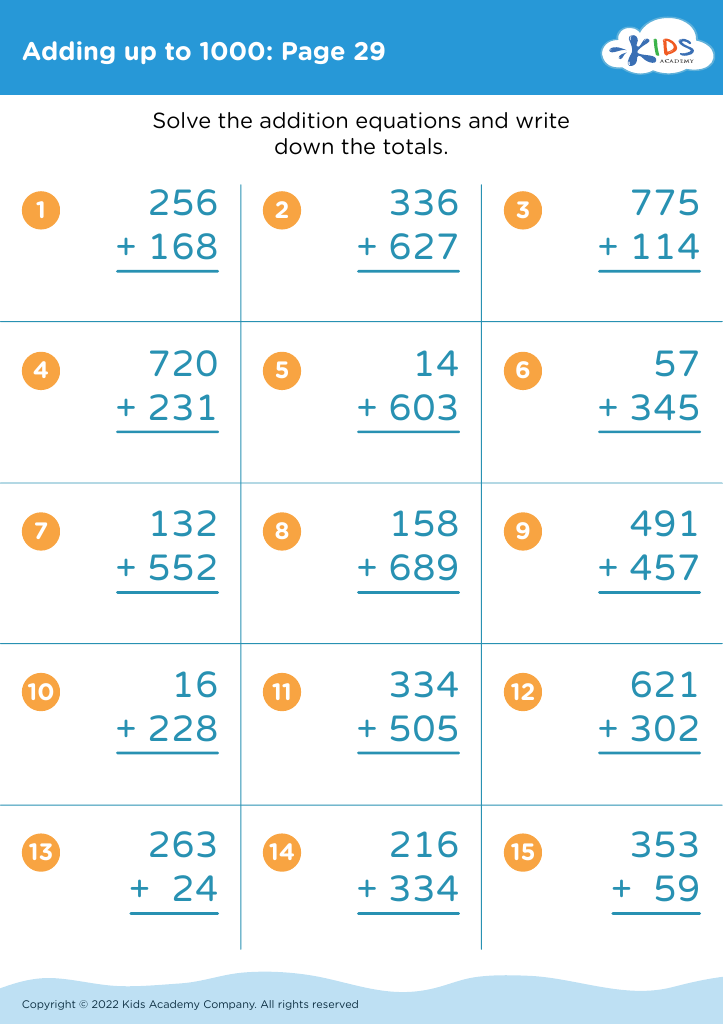
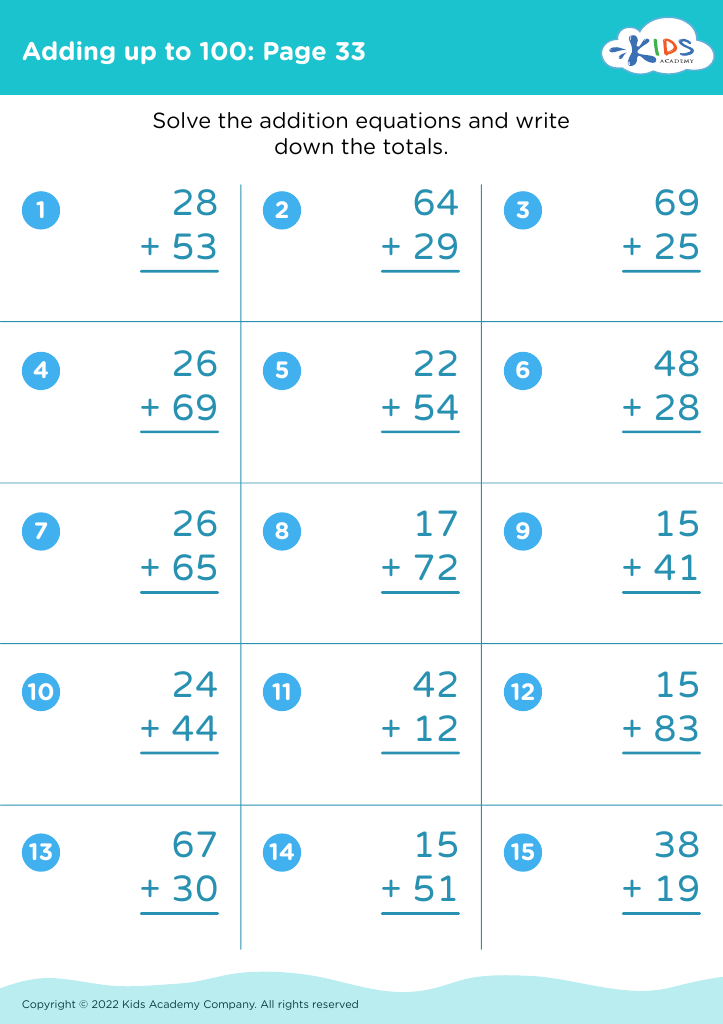
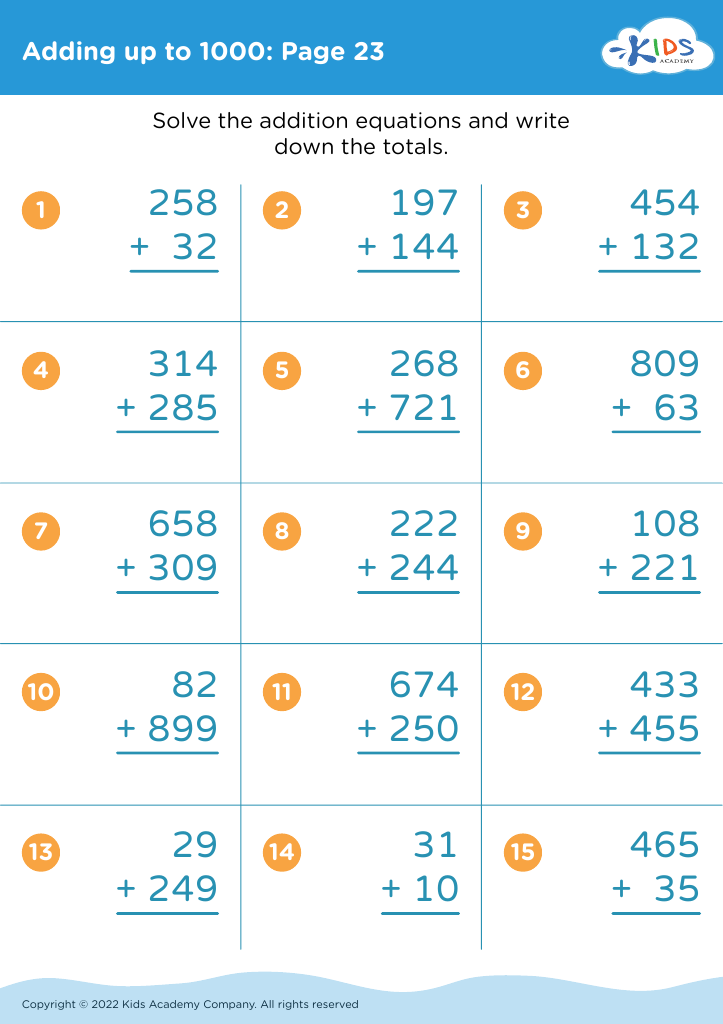
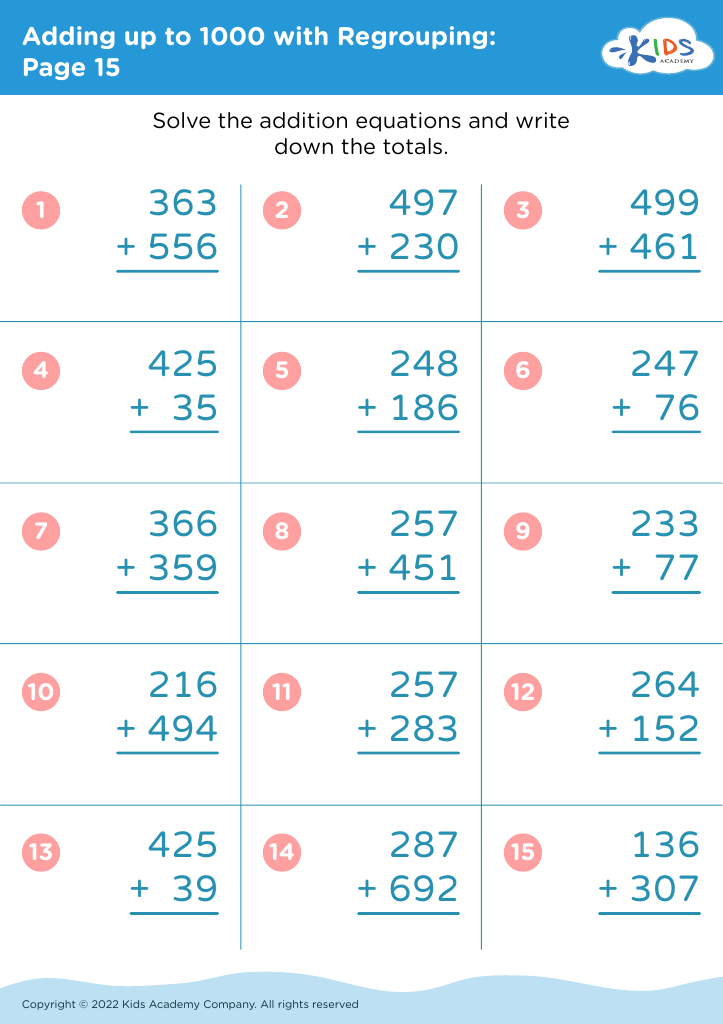








Parents and teachers should care about teaching second graders how to read analog clocks and perform addition for several significant reasons. Firstly, proficiency in reading analog clocks fosters an understanding of time management and the concept of time. This is essential for daily activities, from knowing when to get up to gauging how long tasks or events will take. It helps children develop punctuality, an important life skill.
Secondly, analog clock reading supports the development of number sense. As children learn to interpret the position of the hour and minute hands, they engage in crucial mathematical thinking, improving their ability to understand numbers in various contexts.
Similarly, competence in addition is foundational for all mathematics learning. By second grade, children should manage basic addition facts fluently. This proficiency is crucial not just for math classes ahead but also for real-life scenarios, like adding prices while shopping or dividing treats among friends. It promotes logical reasoning and problem-solving skills.
Together, these skills—analyzing clocks and mastering basic addition—prepare second graders for more advanced concepts and foster independence, making everyday life activities more manageable. They are building blocks for academic success and practical living, making them critical focal points in early education.