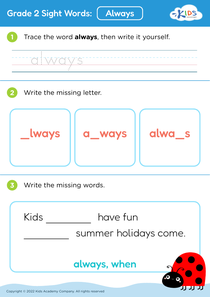
Spelling practice Grade 2 Addition Worksheets
4 filtered results
Difficulty Level
Grade
Age
-
From - To
Subject
Activity
Standards
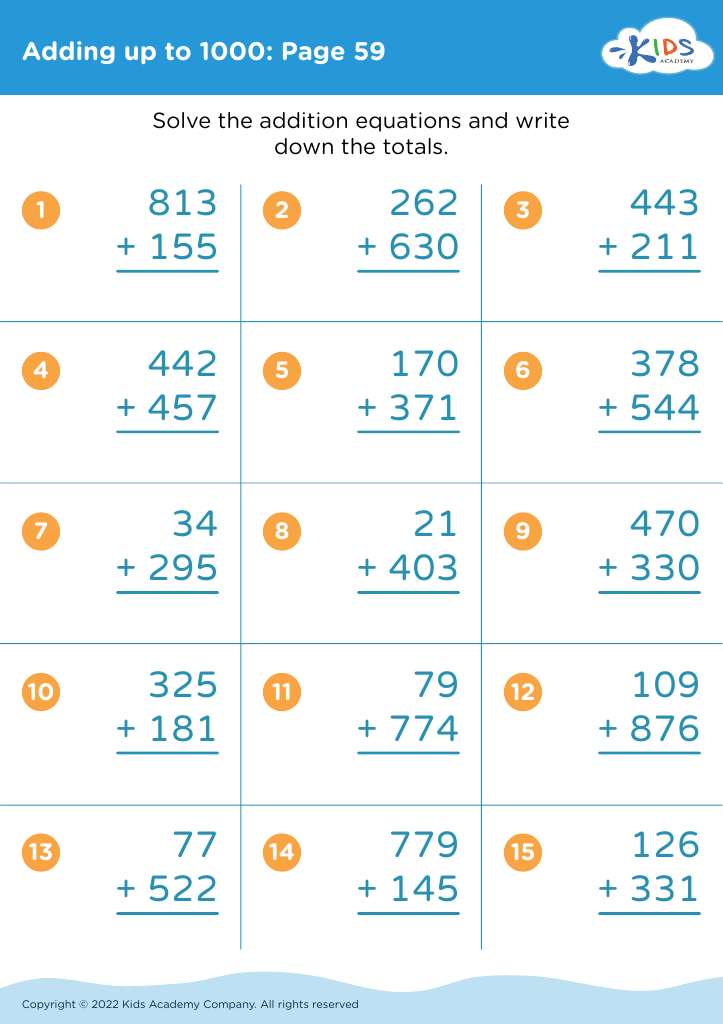
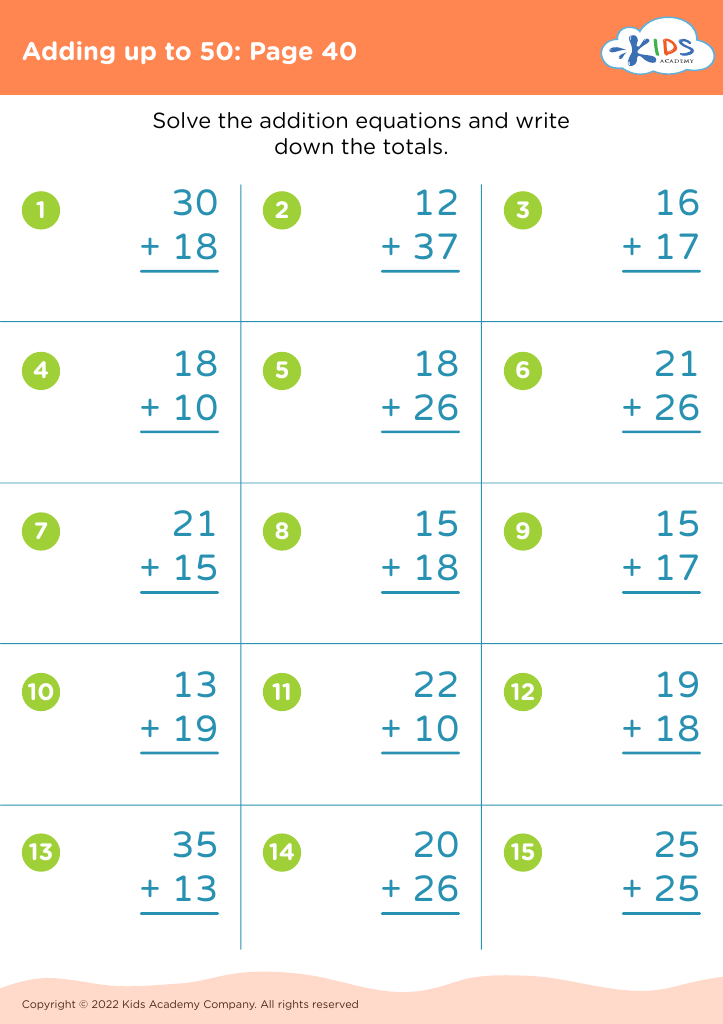
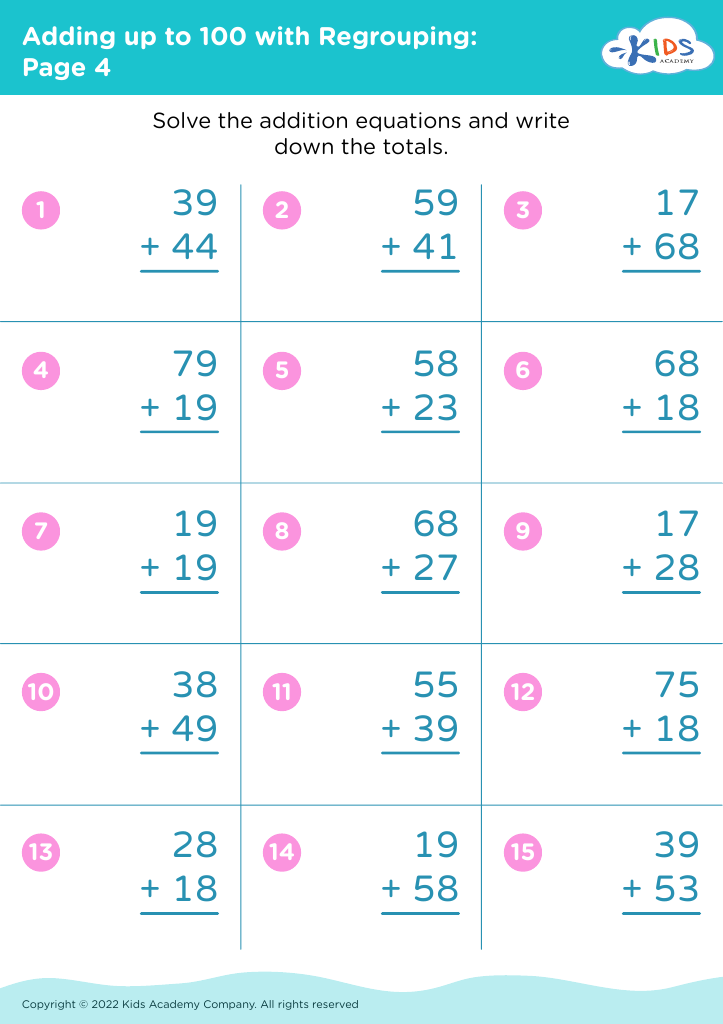
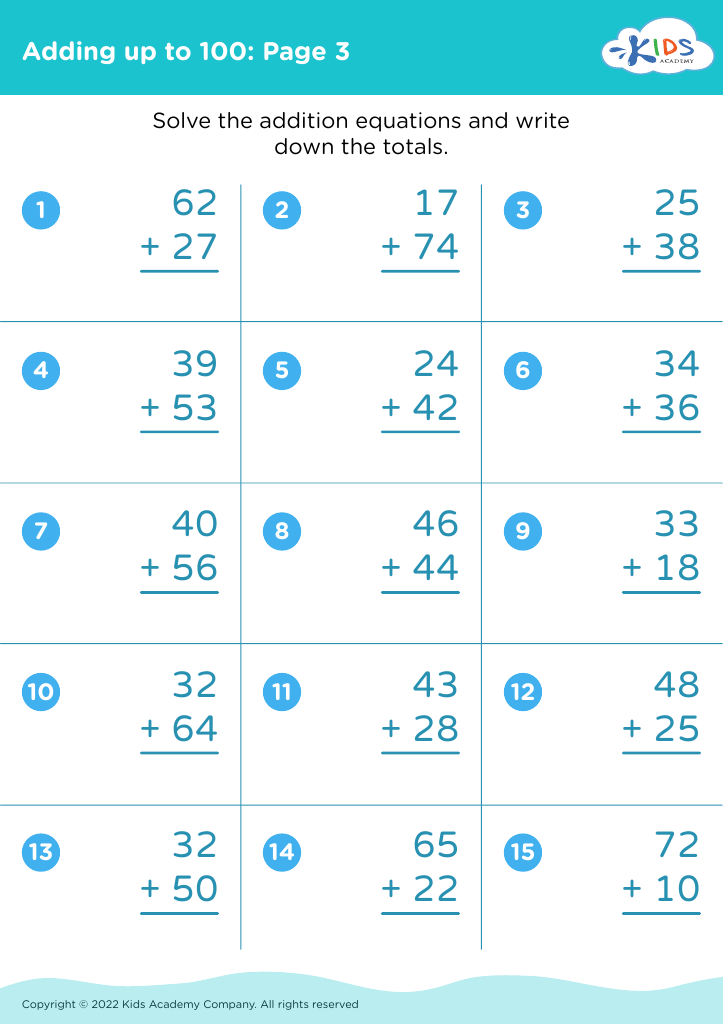
Enhance your second grader's spelling and math skills with our interactive Spelling Practice Grade 2 Addition Worksheets! Designed for young learners, these engaging resources combine essential spelling with basic addition exercises, making learning fun and effective. Kids will practice spelling key math terms while reinforcing their addition skills through playful activities. Our worksheets offer varied formats, including fill-in-the-blanks and matching exercises, catering to different learning styles. Parents and educators can easily download and print these worksheets, making them perfect for at-home practice or classroom use. Spark your child's love for learning with our creatively designed activities today!
Favorites
With answer key
Interactive
Join Kids Academy for Free
Who is primarily going to use this learning content?








Spelling practice in Grade 2 is essential for several reasons, which both parents and teachers should prioritize. Firstly, mastering spelling allows students to enhance their reading and writing skills, crucial in their overall literacy development. As children progress through Grade 2, a strong vocabulary and the ability to spell words correctly enable them to better understand text, leading to improved comprehension.
Additionally, spelling practice in conjunction with other subjects, such as math (in this case, addition), fosters connections in learning. For example, when students learn the terms related to addition, they practice spelling while also grasping mathematical concepts. This integrated approach supports holistic education, ensuring students become proficient in multiple areas.
Moreover, consistent spelling practice builds confidence. When children can spell words correctly, they feel more competent in expressing their thoughts and ideas, both in written and verbal communication. This increased self-assurance can contribute to a positive learning environment and improved classroom participation.
Finally, promoting good spelling habits at this early stage lays a strong foundation for future academic success. Engaging parents and teachers in this practice can create a supportive learning community focused on nurturing well-rounded, literate individuals who are prepared for more complex skills as they advance in their education.