Understanding fractions Grade 2 Addition Worksheets
157 filtered results
-
From - To
Welcome to our "Understanding Fractions Grade 2 Addition Worksheets"! Designed specifically for emerging mathematicians, these worksheets provide engaging activities that help students grasp the concept of fractions while practicing their addition skills. Each worksheet combines visual aids and hands-on exercises, making it easy for young learners to relate fractions to real-life scenarios. By using these resources, children will develop confidence in identifying, comparing, and adding fractions. Our thoughtfully crafted exercises align with second-grade math standards, ensuring a comprehensive learning experience. Dive in and watch your child flourish in their math journey with these interactive and educational fraction worksheets!
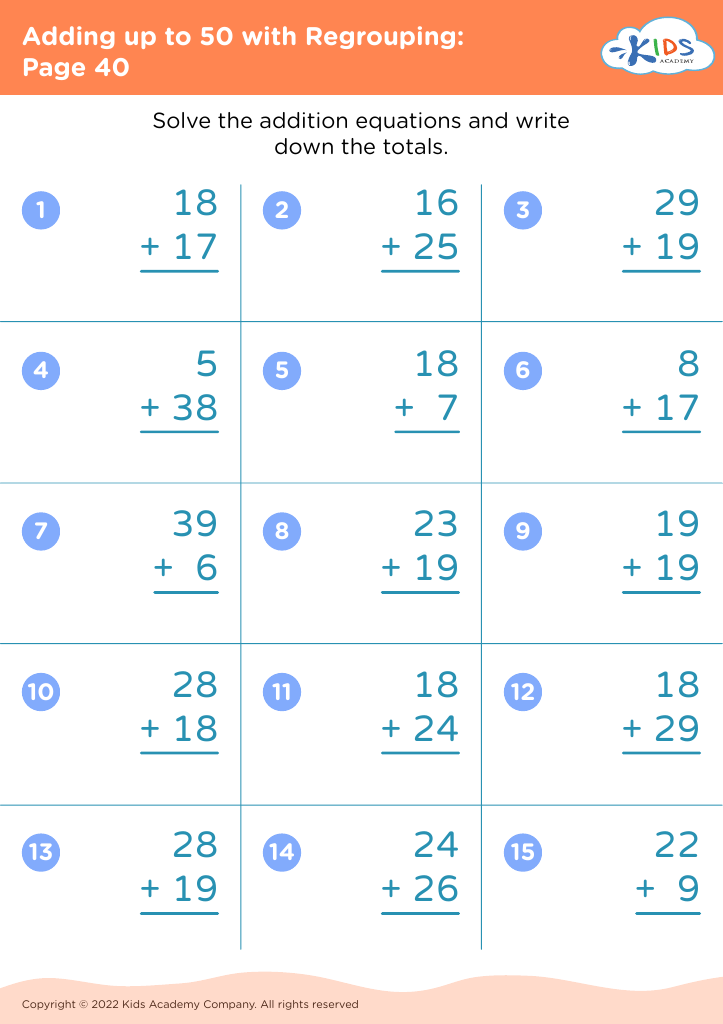
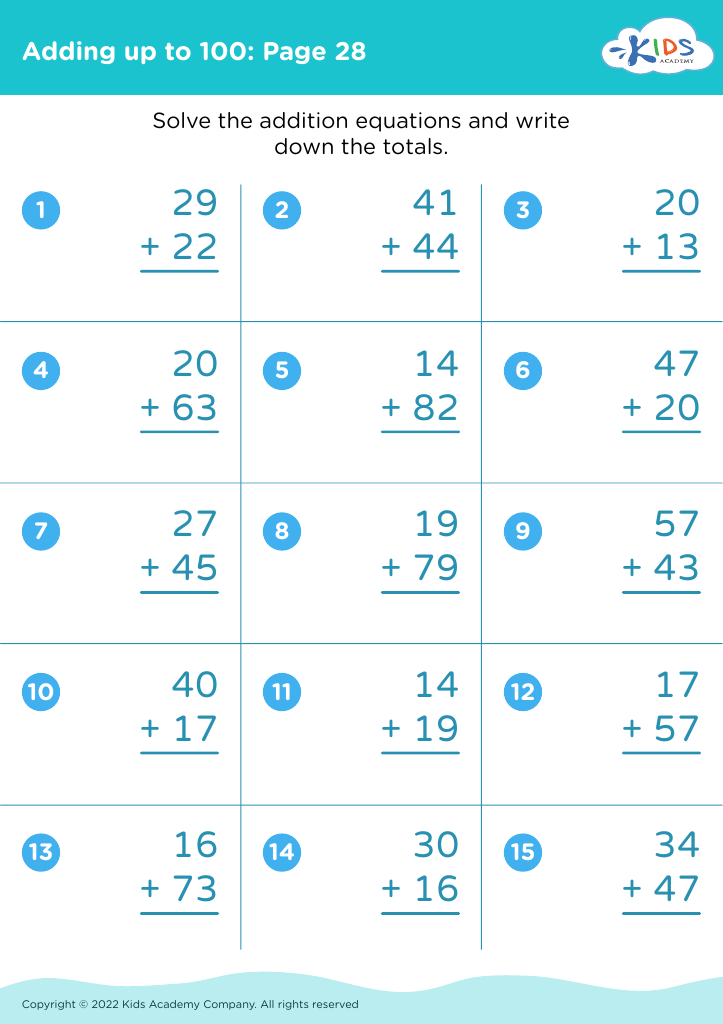
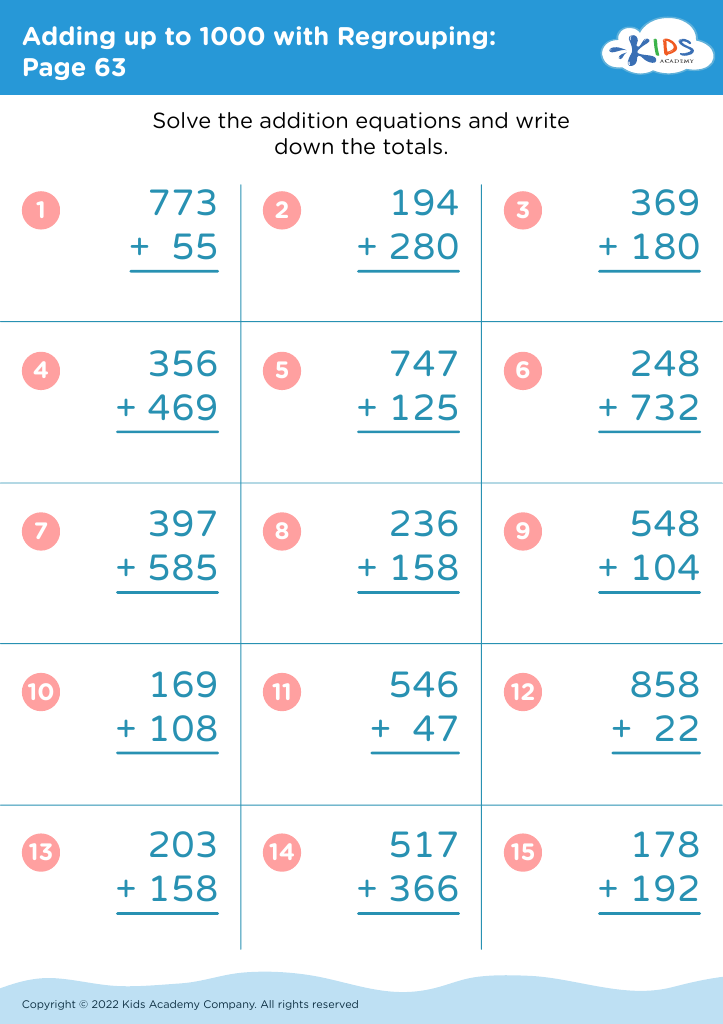
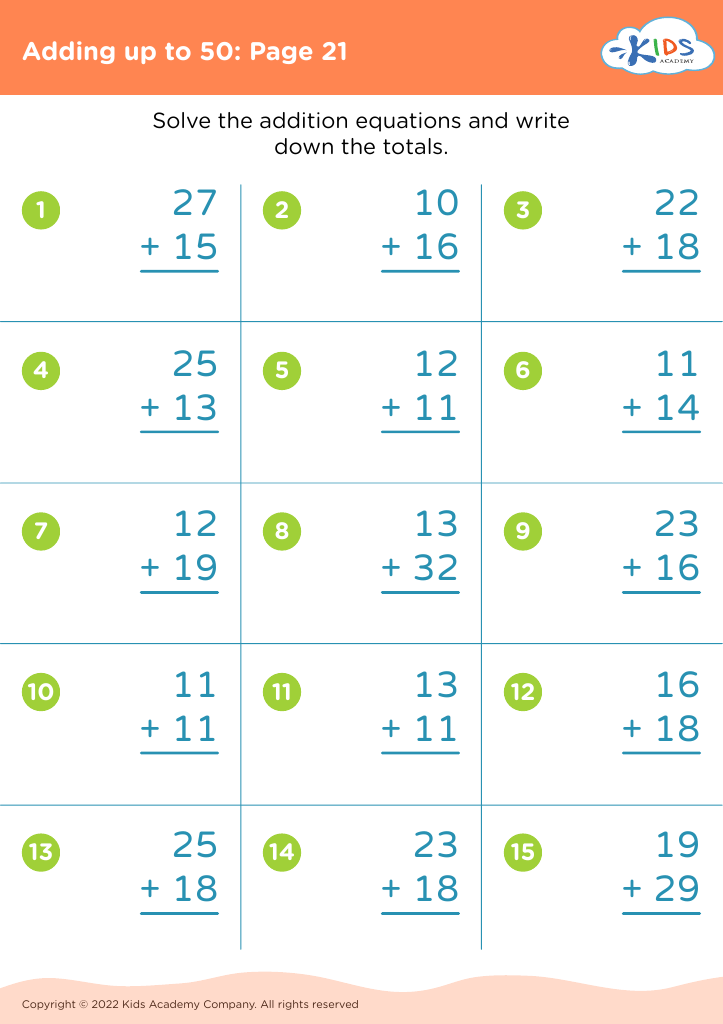
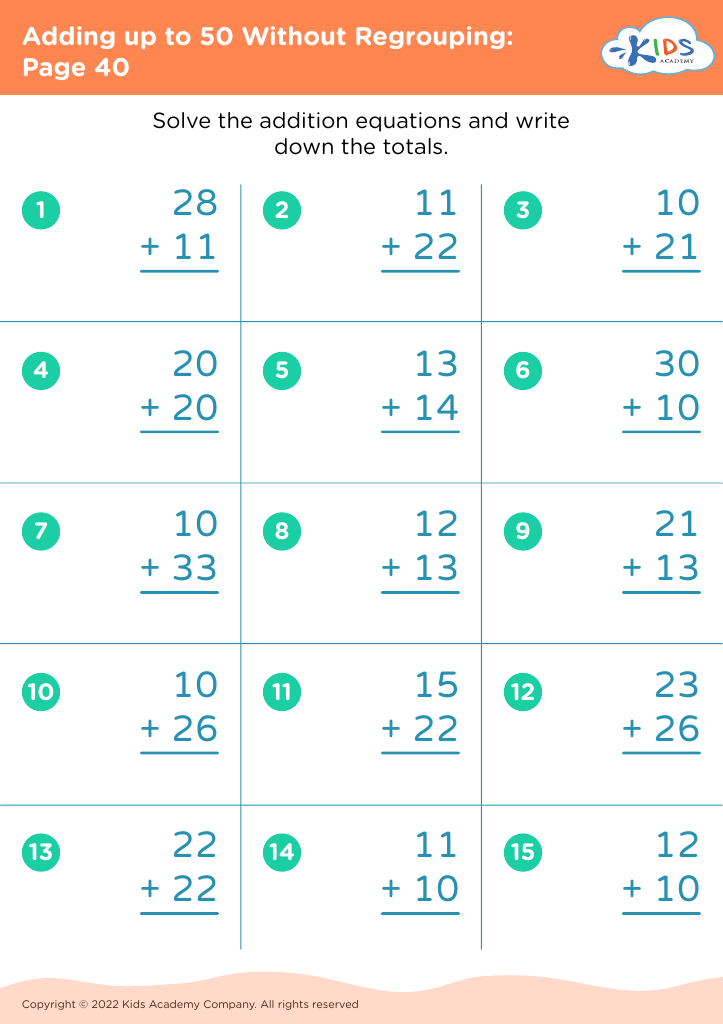
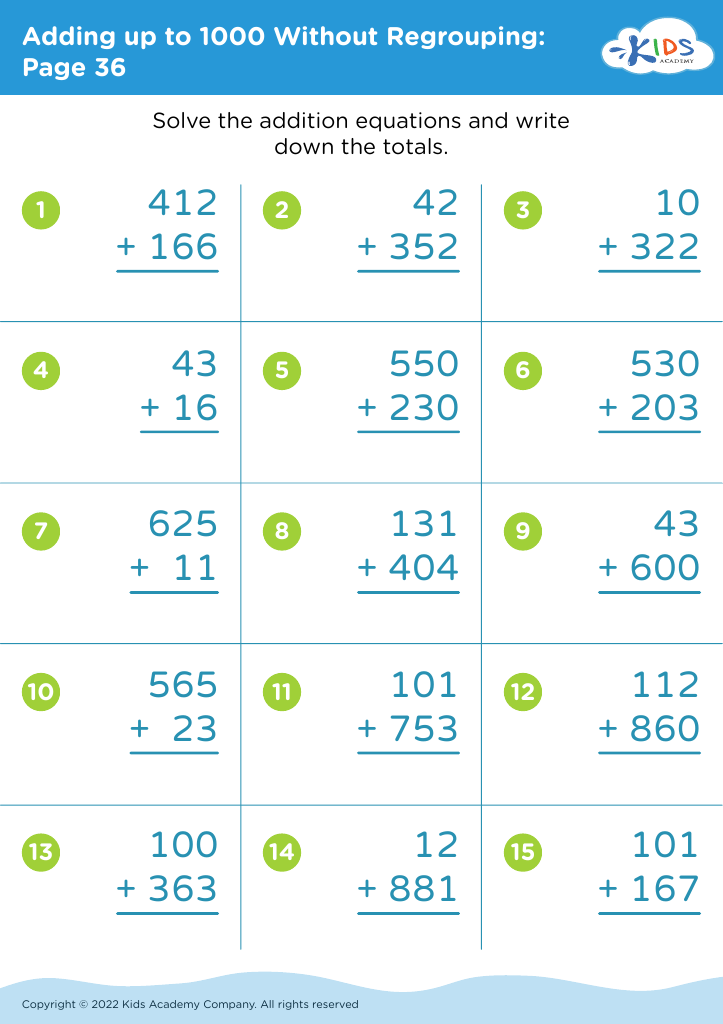
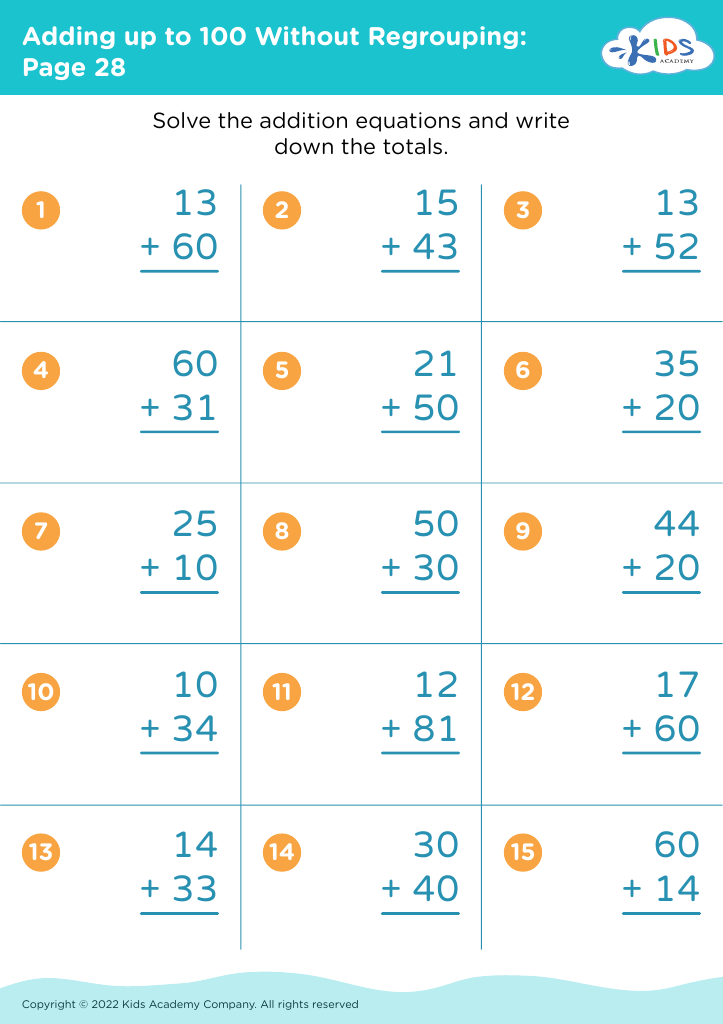
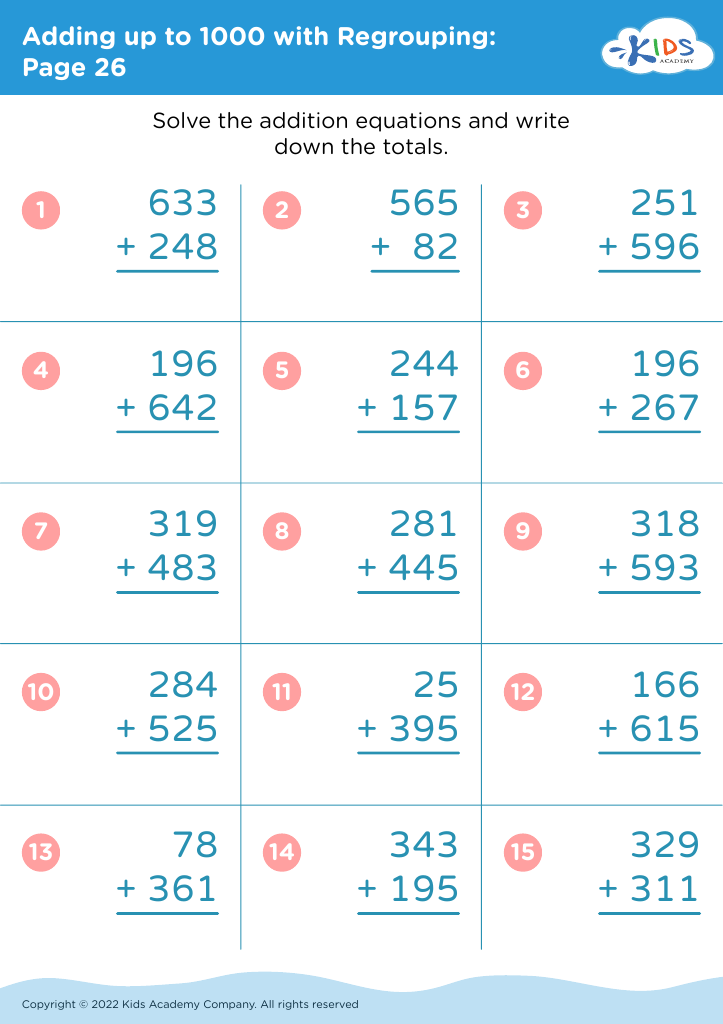
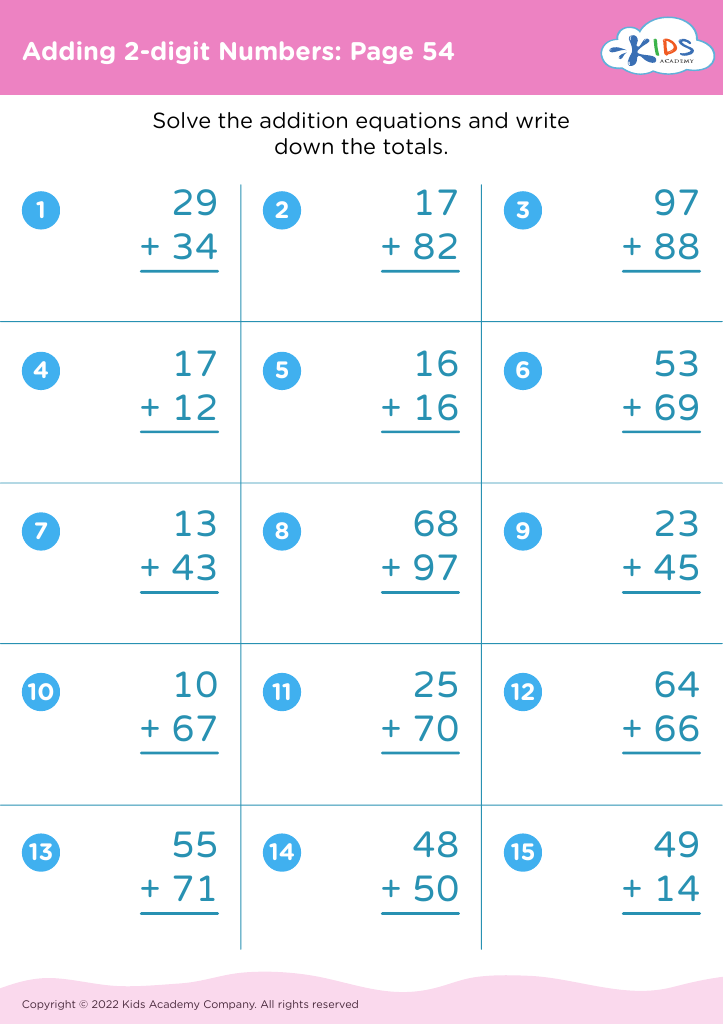
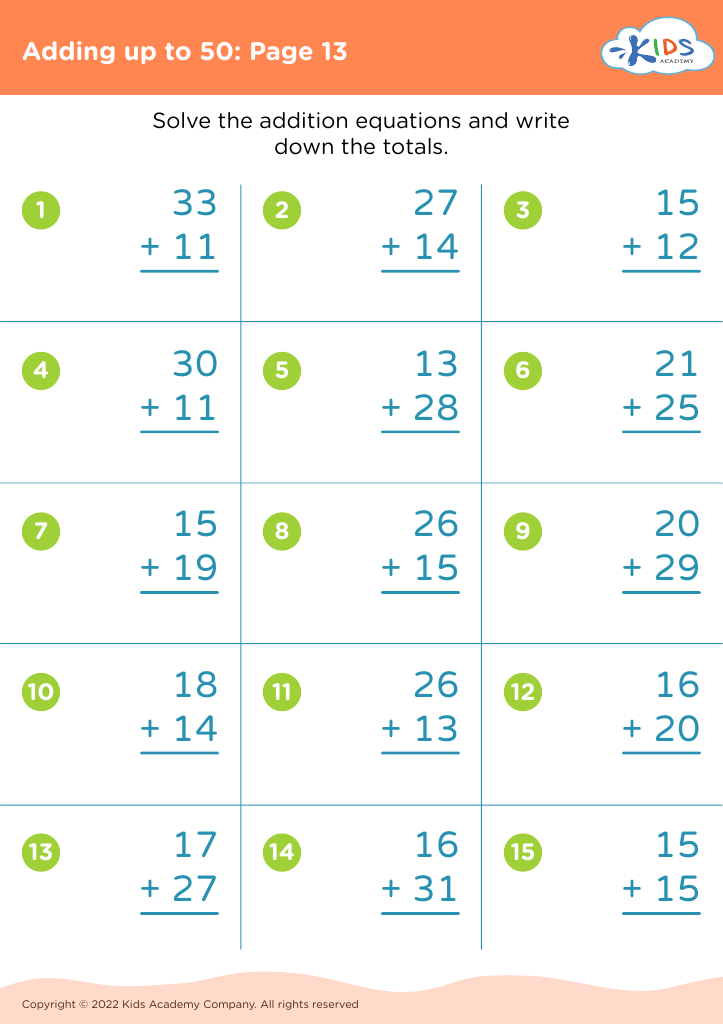
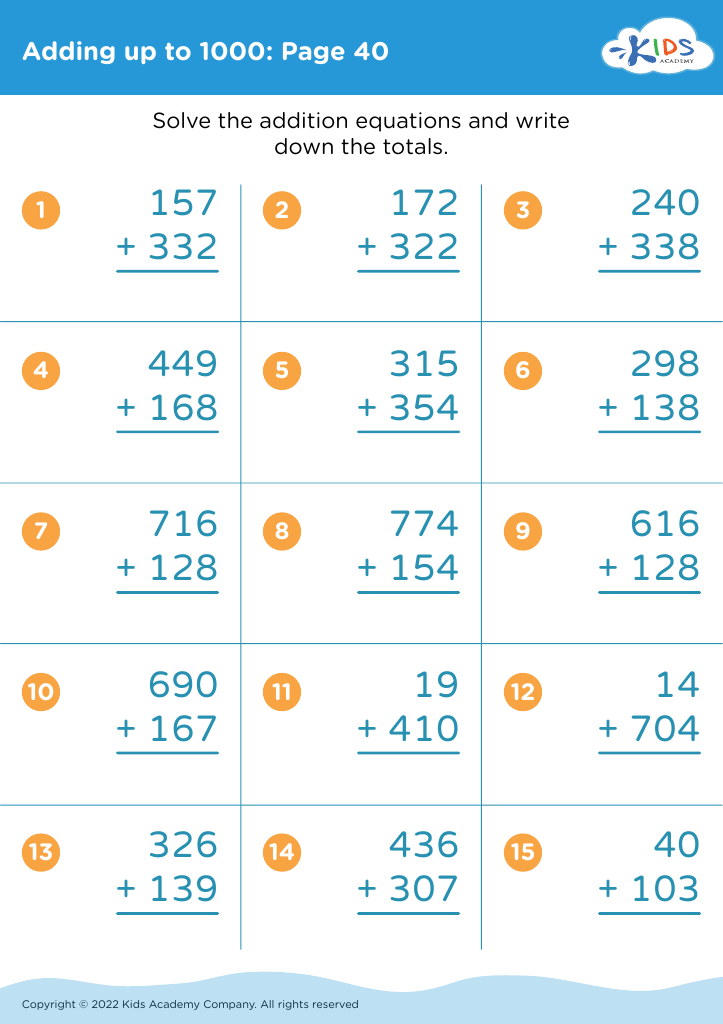
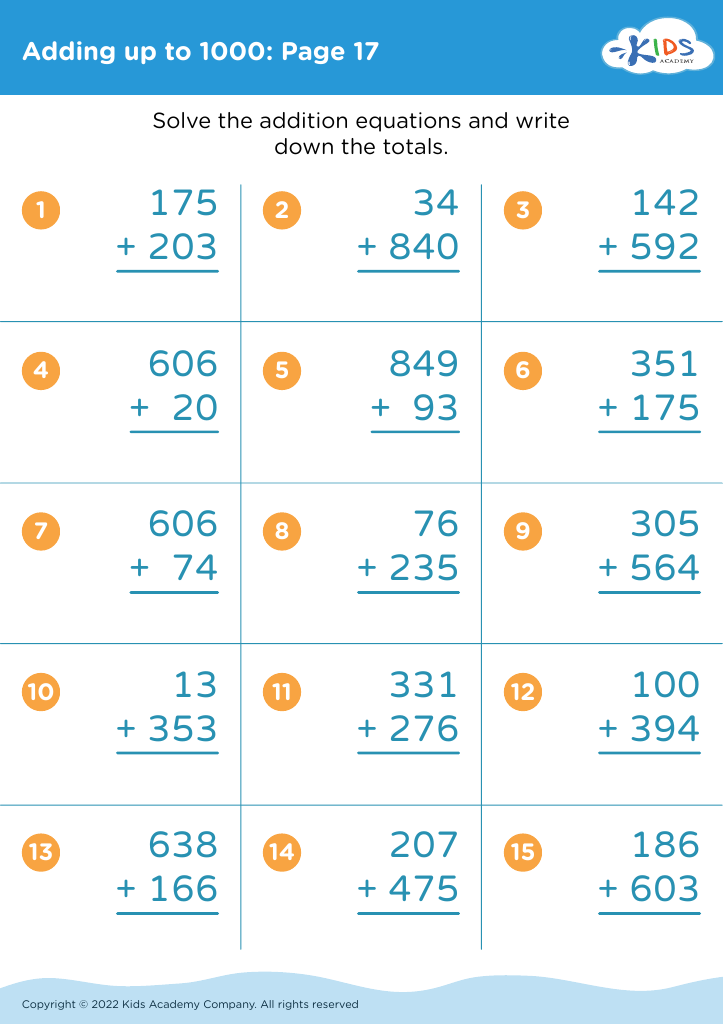








Understanding fractions at the Grade 2 level is crucial for both parents and teachers, as it forms the foundation for more complex mathematical concepts in the future. At this age, children are beginning to develop their number sense, and fractions introduce them to the idea of part-whole relationships. When students learn to add fractions, they gain skills in recognizing how different pieces can combine to form a whole, fostering critical thinking and problem-solving abilities.
This understanding is not just academic; it has real-world applications. Children encounter fractions in daily life – whether it’s sharing a pizza, measuring ingredients for a recipe, or understanding portions. Parents can help reinforce these skills at home by engaging in everyday activities that involve fractions, making learning relevant and fun.
For teachers, emphasizing the addition of fractions can enhance students’ confidence in math, as they can visualize and manipulate physical representations of fractions, like pie charts or fraction tiles. By nurturing this foundational understanding, educators set up their students for success in future grades, where more advanced mathematical concepts will build on these early skills. Ultimately, a strong grasp of fractions will empower children in their academic journey and everyday decision-making.