Recognizing shapes Grade 2 Geometry Worksheets
3 filtered results
-
From - To
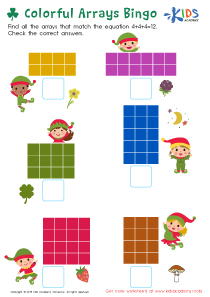
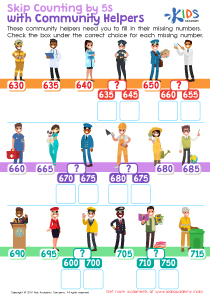
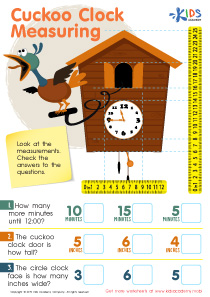
Introducing our "Recognizing Shapes Grade 2 Geometry Worksheets" – the perfect tool to make geometry fun and easy for second graders! Designed to build strong foundational skills, these engaging worksheets help young learners identify, classify, and describe common shapes, including circles, squares, triangles, and rectangles. With a variety of interactive activities and colorful illustrations, students will enhance their geometric understanding while developing critical thinking and fine motor skills. Perfect for classroom use or additional practice at home, our expertly crafted worksheets ensure that mastering shapes becomes an enjoyable and rewarding experience for every child.
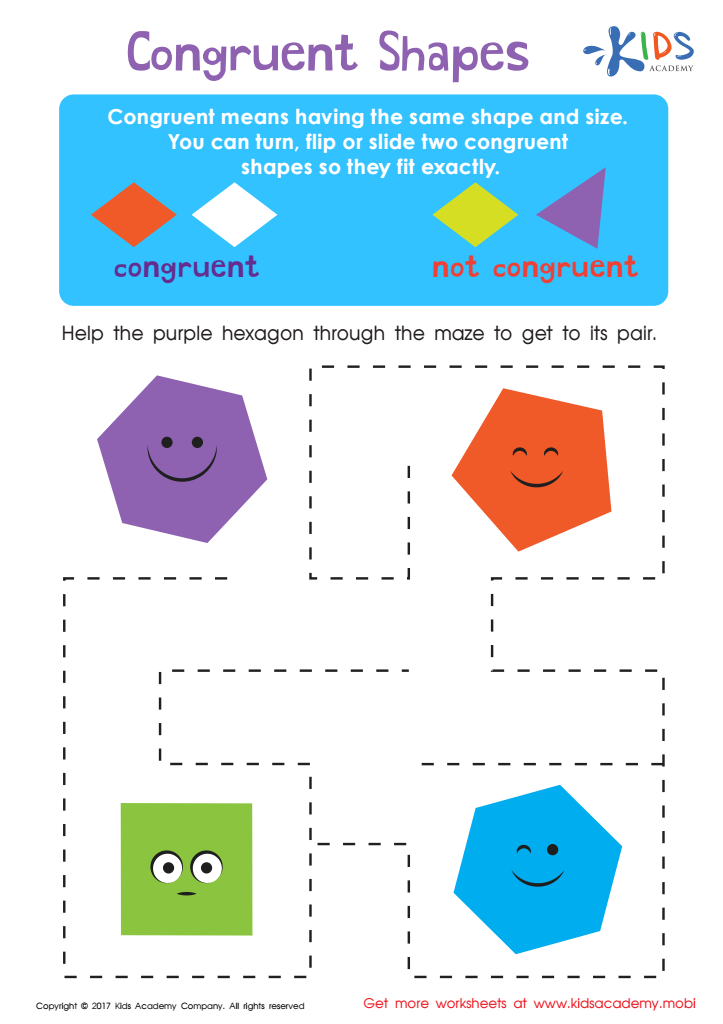
Congruent Shapes Worksheet
 Assign to My Students
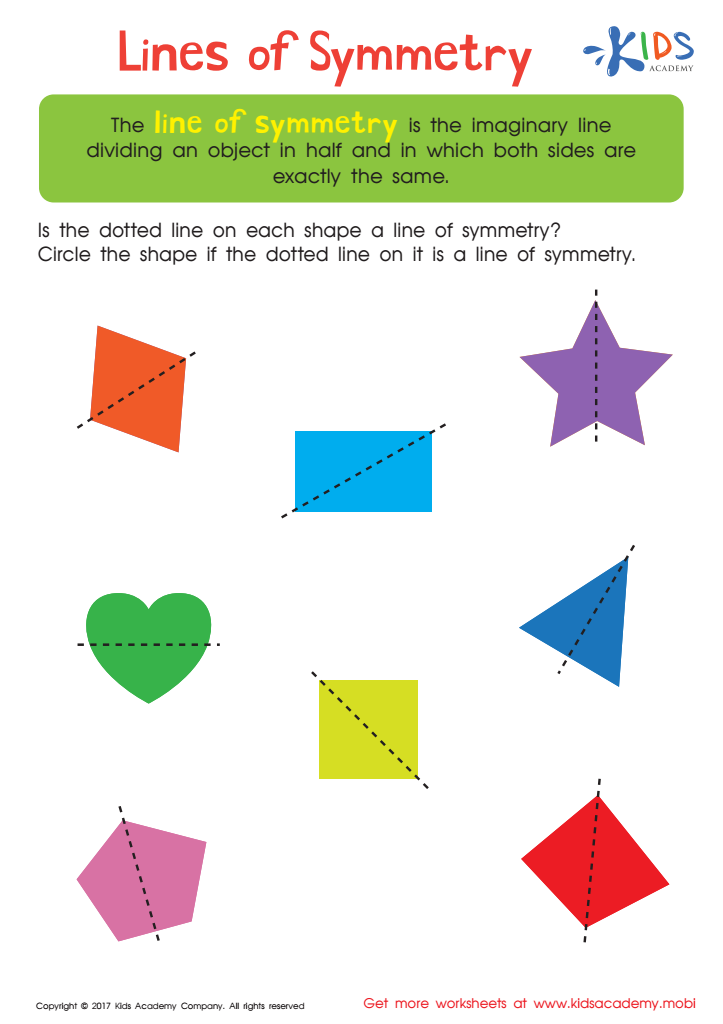
Lines of Symmetry Printable
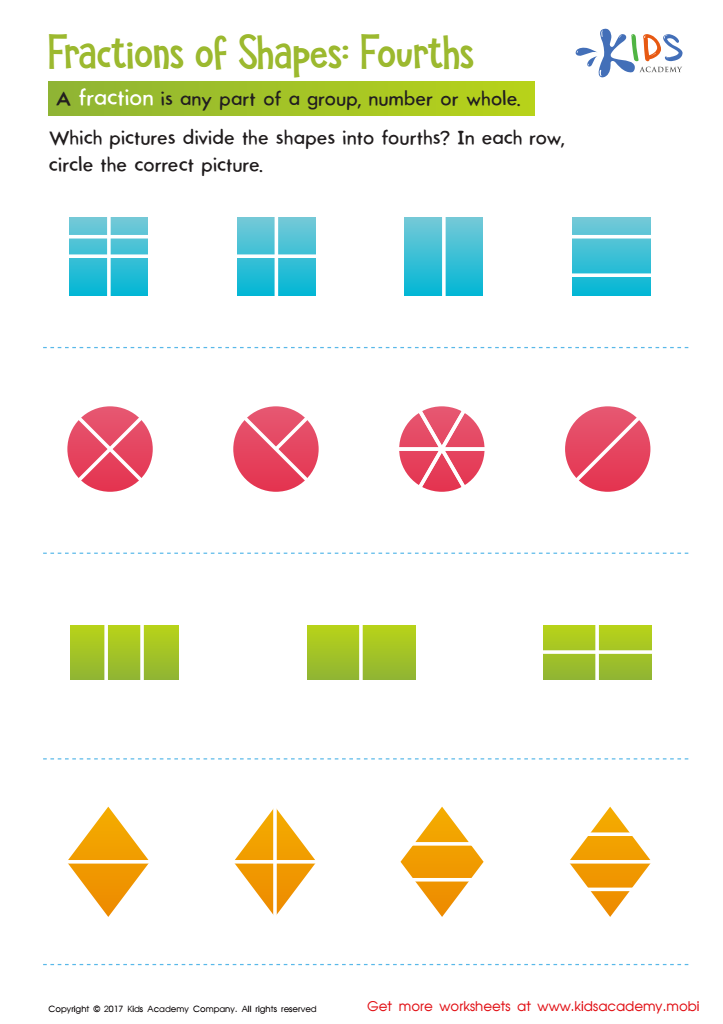
Fractions of Shapes Worksheet








Understanding and recognizing shapes in Grade 2 is a crucial step in a child’s mathematical and cognitive development. Shapes are foundational elements of geometry and are integral for comprehending more complex mathematical concepts later on. When children grasp the characteristics of different shapes, they enhance their spatial awareness, reasoning, and problem-solving skills.
From a cognitive perspective, engaging with shapes helps children to improve their visual-spatial intelligence, which is important not only in math, but also in fields such as art, science, and everyday task management. Identifying and categorizing different shapes builds their analytical abilities, teaching them how to observe, compare, and organize information effectively.
In terms of practical application, recognizing shapes is essential in students' daily lives. It helps them understand and navigate their environment better, from distinguishing between different road signs to identifying classroom materials. Furthermore, shapes form the foundation for learning about measurements, patterns, and designs, which are essential skills in various real-world contexts.
For these reasons, parents and teachers should prioritize teaching students how to recognize and understand shapes at an early age. Doing so not only supports academic success in mathematics but also promotes a well-rounded cognitive development, setting the stage for future learning and everyday problem-solving skills.