Color recognition Grade 2 Math Worksheets
20 filtered results
-
From - To
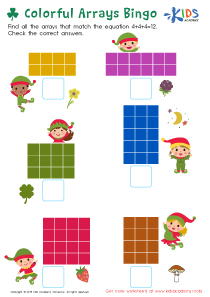
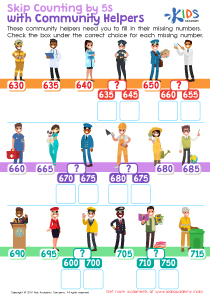
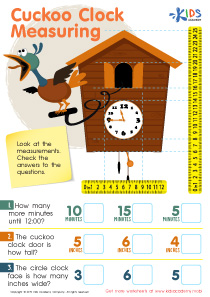
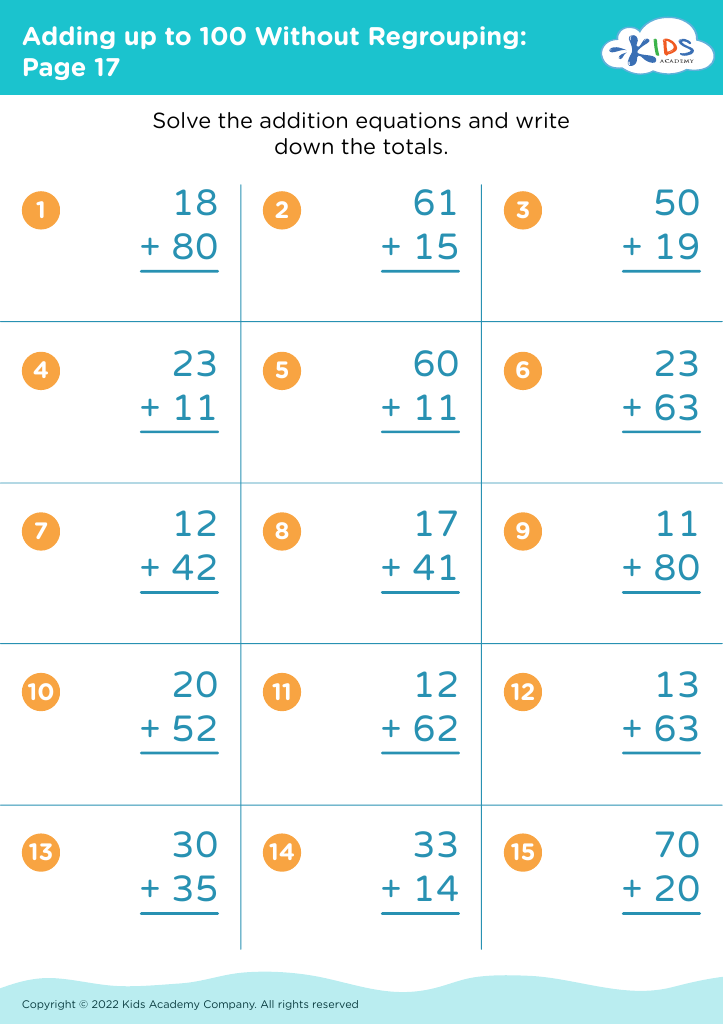
Color recognition is an essential skill for second graders, contributing to their mathematical and cognitive development. Our Grade 2 Math Worksheets are specifically designed to help young learners identify and differentiate various colors while enhancing their counting skills. These printable worksheets integrate engaging activities that make learning fun and effective, fostering an understanding of patterns, sorting, and categorization. By practicing with these resources, students not only improve their color recognition abilities but also lay the foundation for more advanced math concepts. Explore our vibrant collection to support your child's educational journey and ensure they excel in their understanding of colors and math.
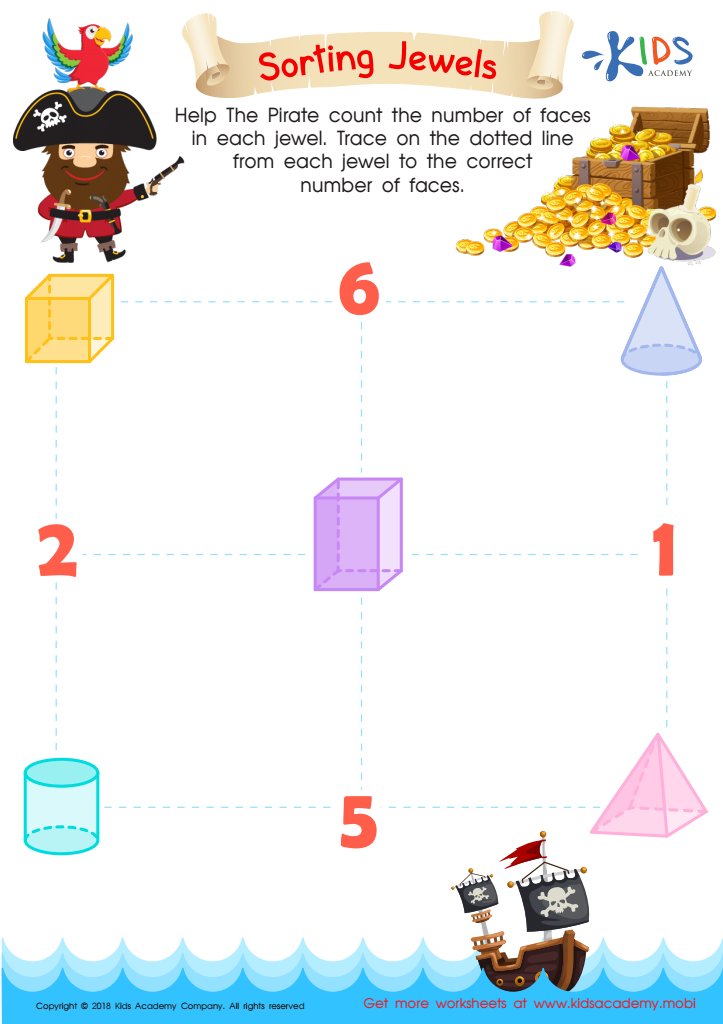
Sorting Jewels Worksheet
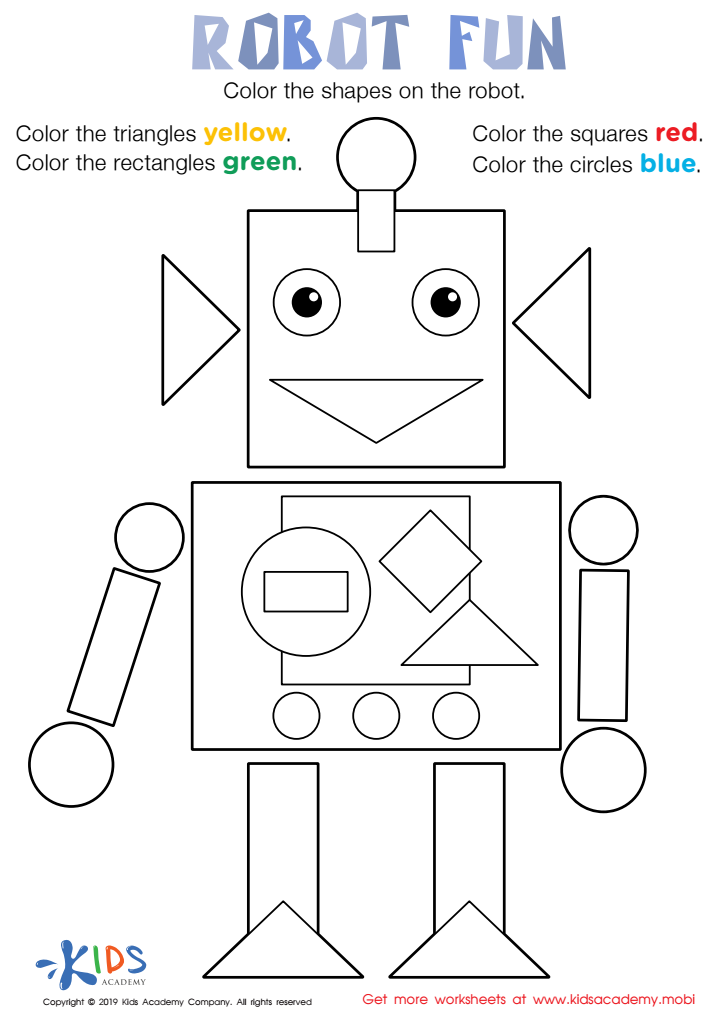
Robot Fun Worksheet
 Assign to My Students
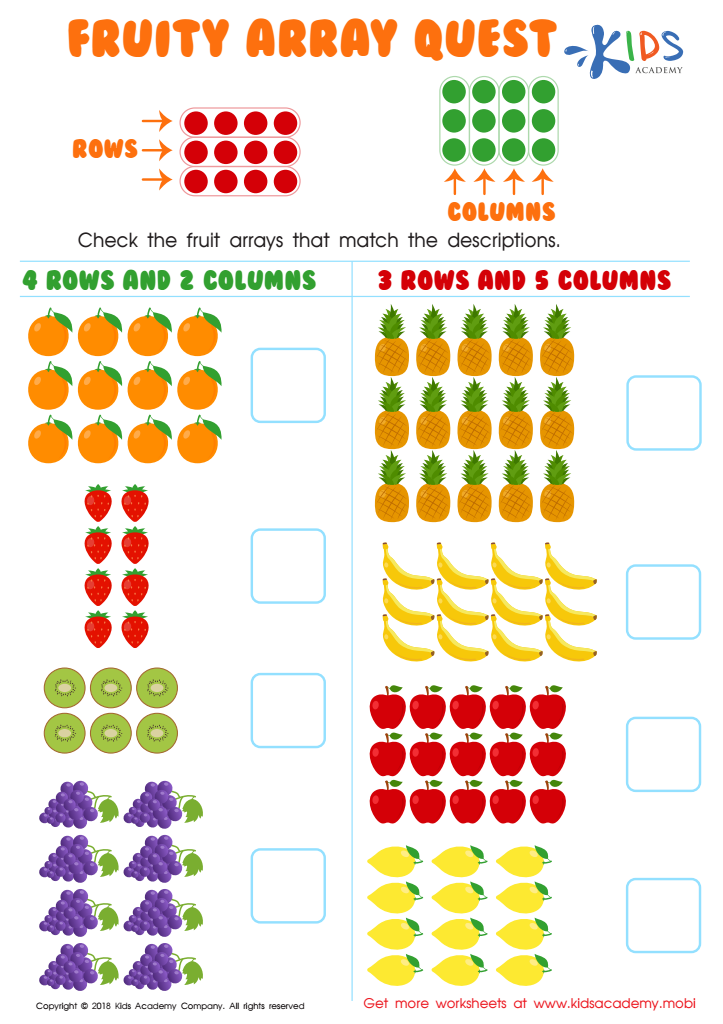
Fruity Array Quest Worksheet
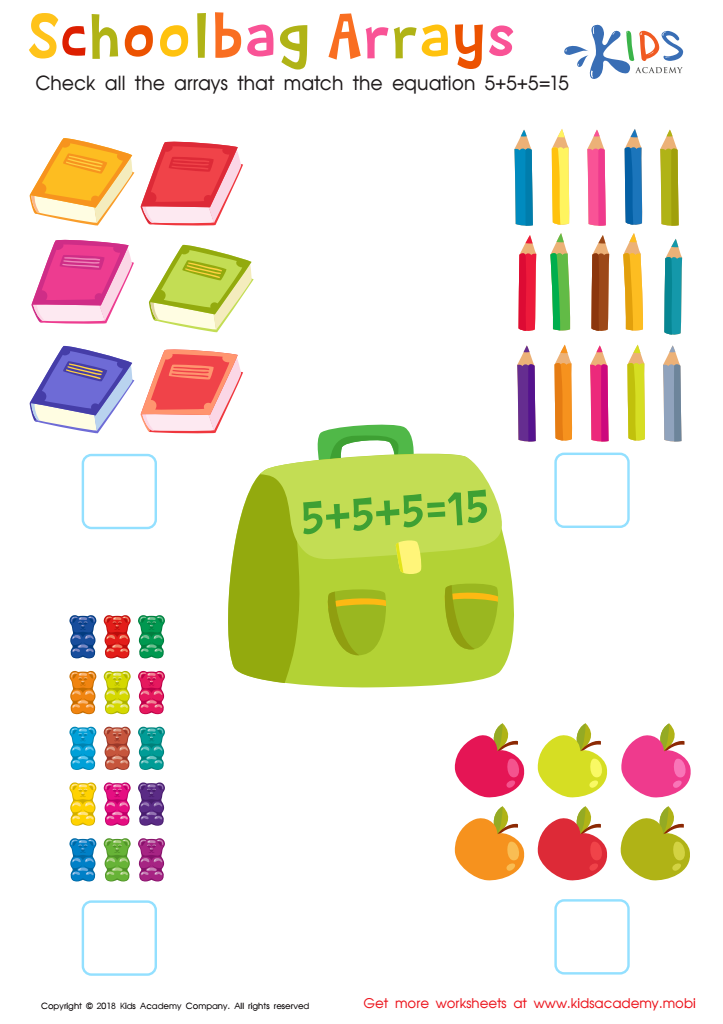
Schoolbag Arrays Worksheet
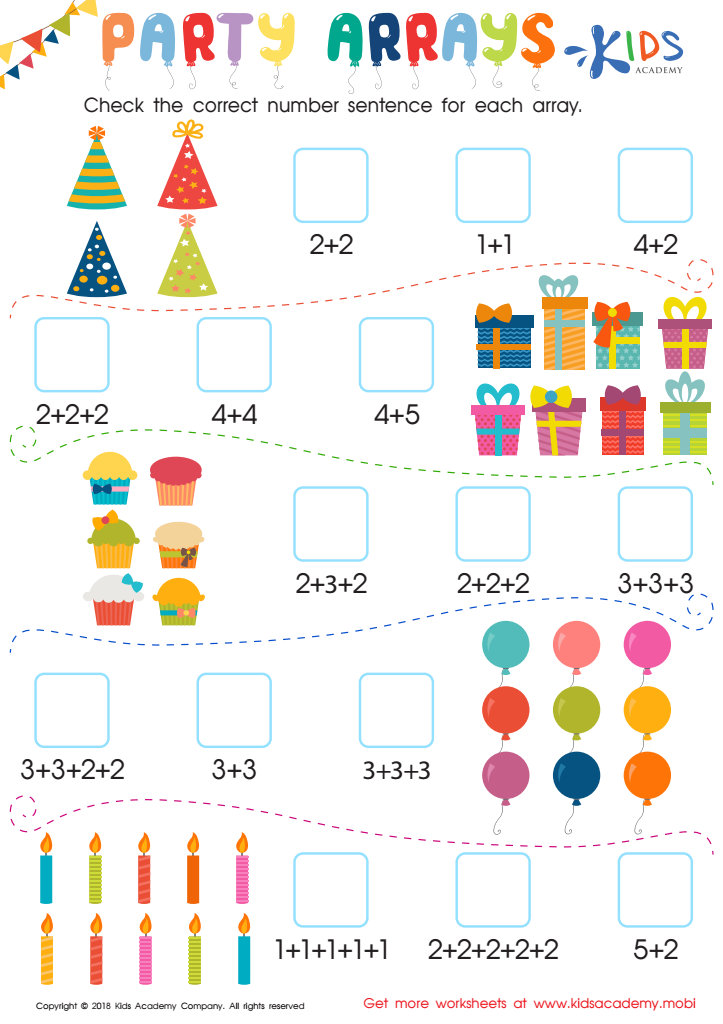
Party Arrays Worksheet
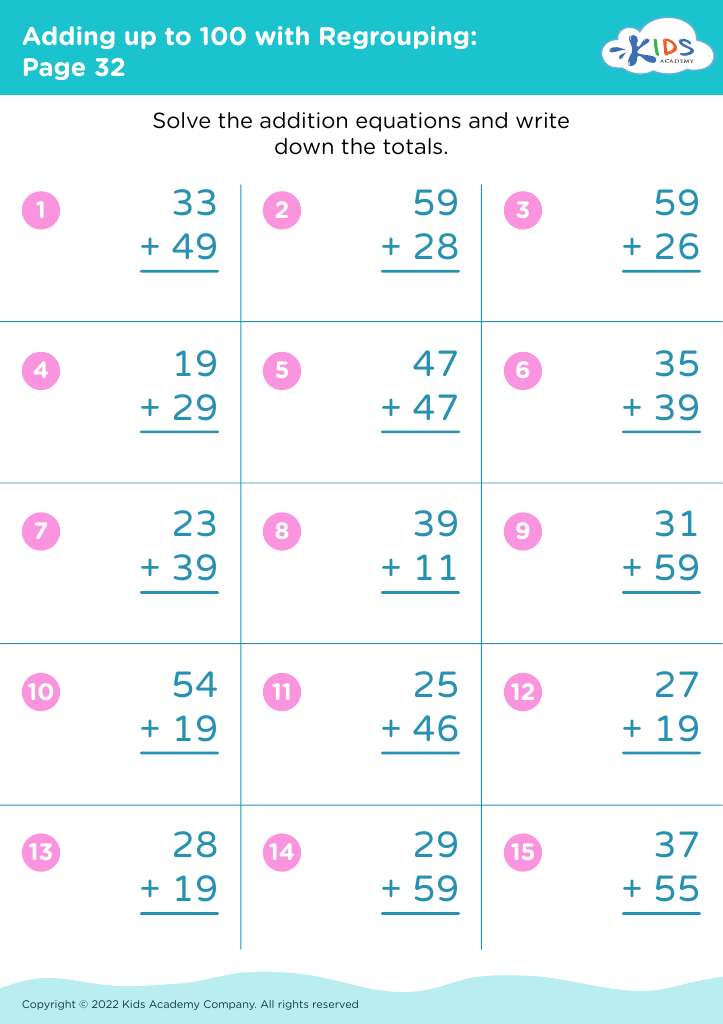
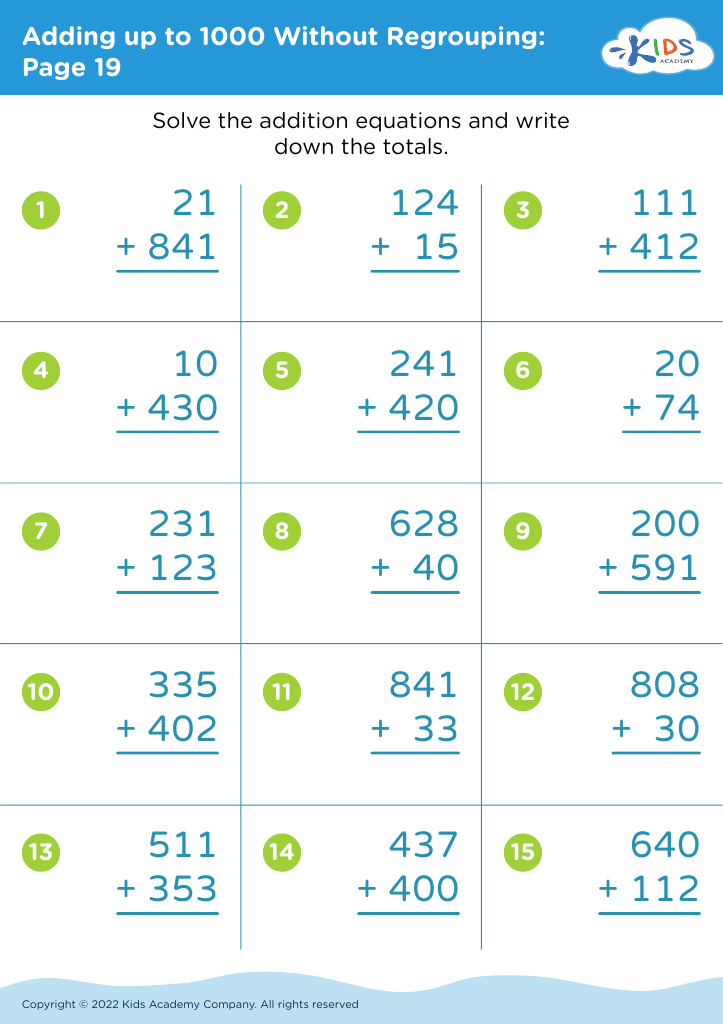
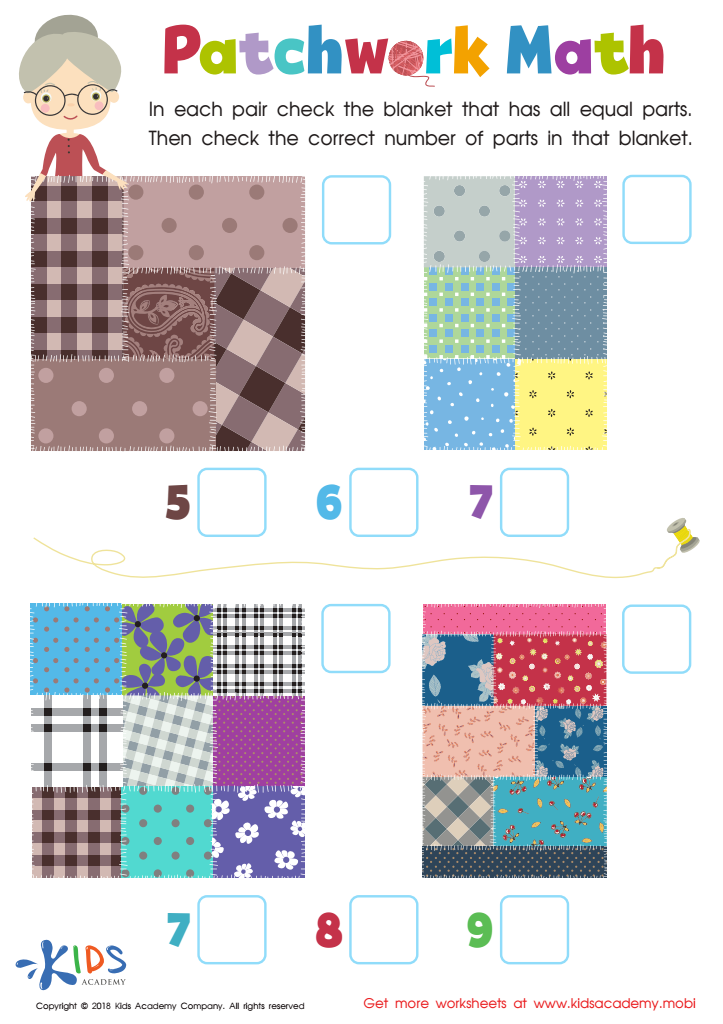
Patchwork Math Worksheet
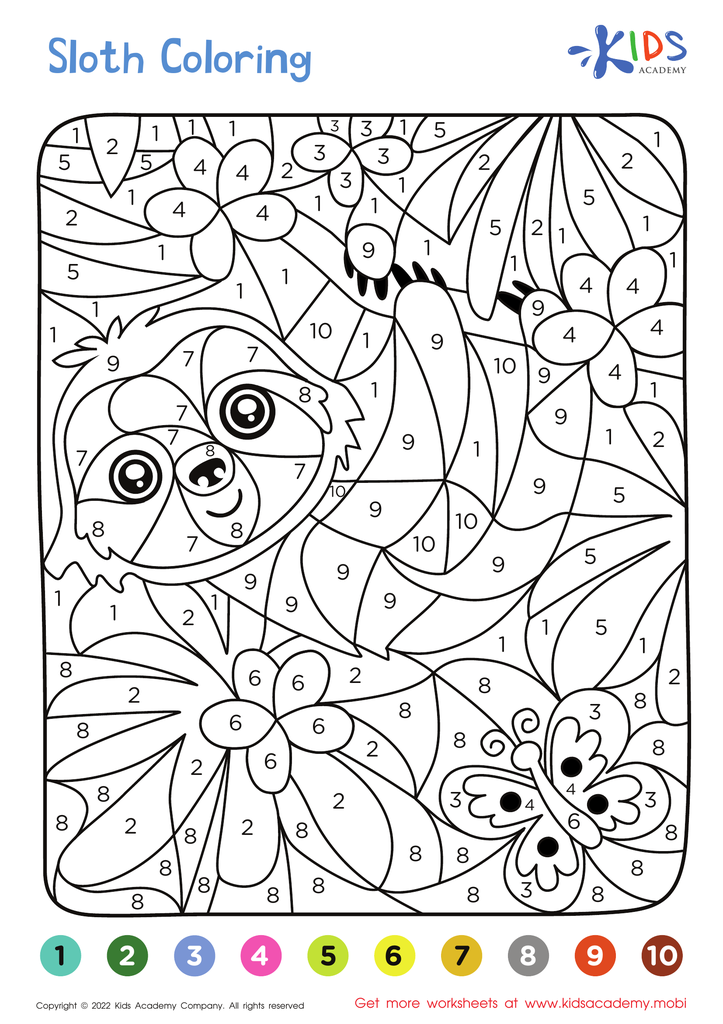
Sloth – Coloring by Numbers
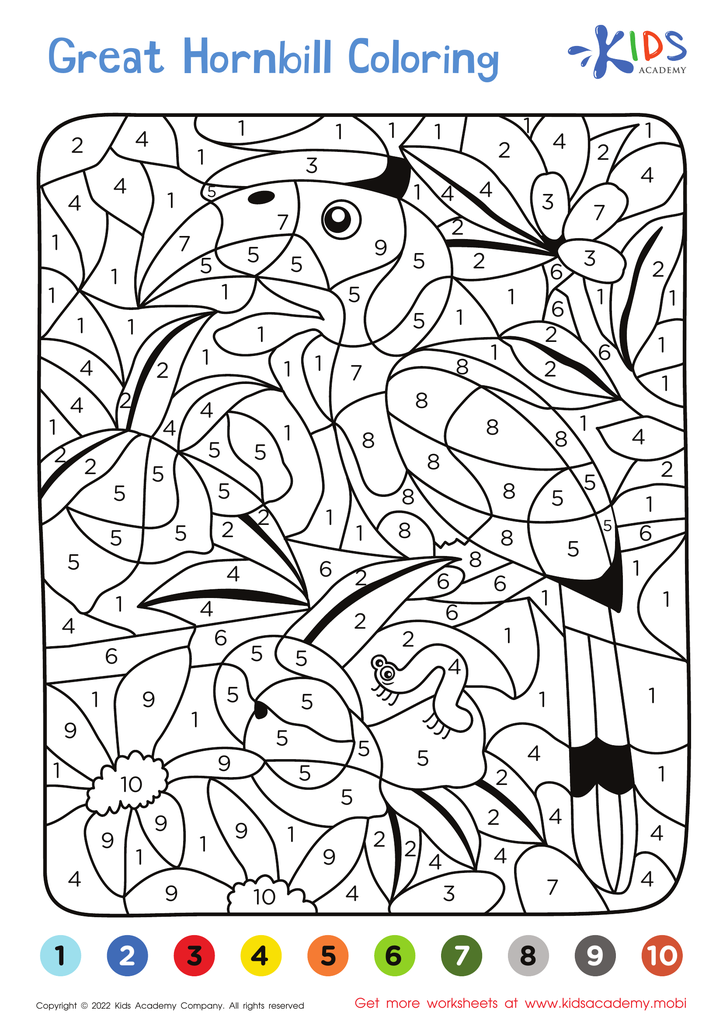
Great Hornbill – Coloring by Numbers
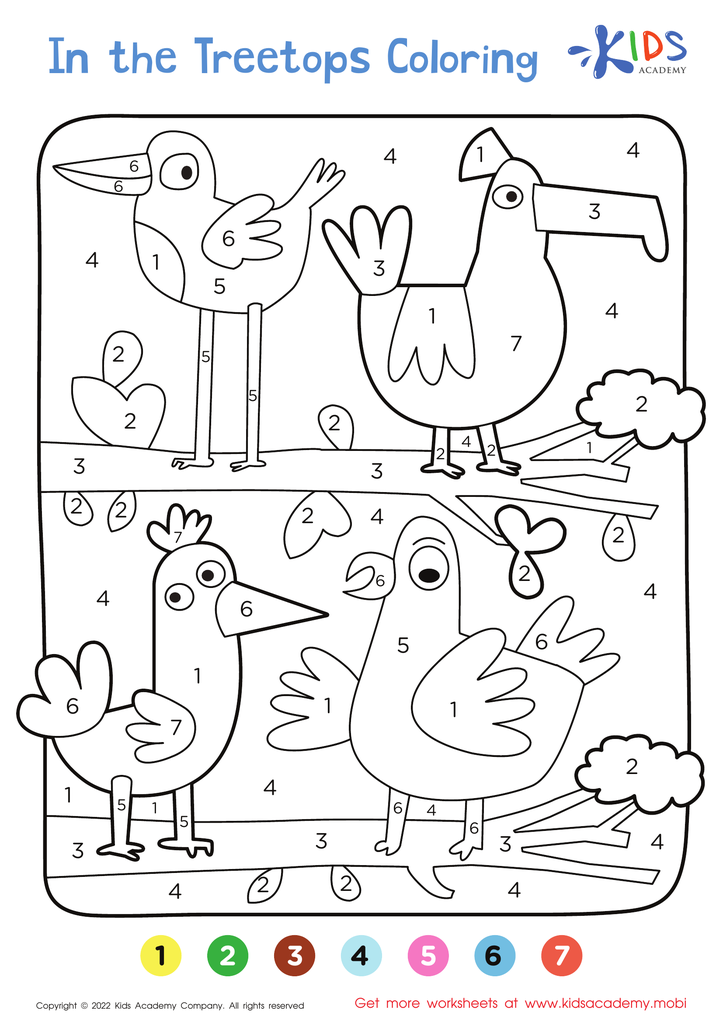
In the Treetops – Coloring Page
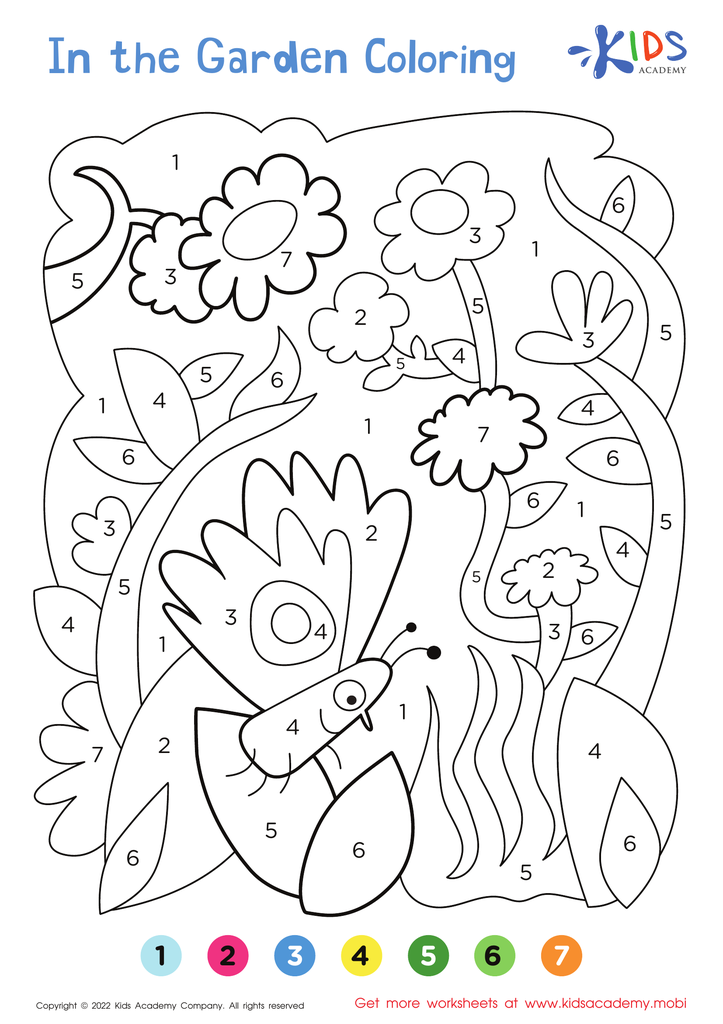
In the Garden – Coloring by Numbers







Color recognition in Grade 2 math plays a significant role in a child’s cognitive and developmental growth. At this age, children are developing foundational skills that are essential for their later academic success, and grasping the concept of color enhances several key areas.
Firstly, color recognition supports categorization and classification skills. When children learn to identify and distinguish between different colors, they are also practicing how to group and sort objects based on distinct attributes—a fundamental aspect of mathematical thinking.
Secondly, understanding colors aids in spatial reasoning. Many geometrical problems and patterns involve different colors to simplify complex ideas for young minds. Recognizing these colors helps children in visualizing and interpreting these problems more accurately.
Moreover, colors are often used in educational materials and activities to guide attention and facilitate easier understanding of complex concepts. For example, fractions might be represented by differently colored segments, making the abstract idea more accessible.
Finally, color recognition is a stepping-stone for other higher-order thinking skills such as problem-solving and logic. As students manipulate objects and images based on color orientation, they unconsciously enhance their ability to approach problems methodically.
For parents and teachers, fostering color recognition is vital because it intertwines emotional engagement and visual skills with basic numeracy. This integrative approach maximizes both learning outcomes and enjoyment, laying a colorful and solid groundwork for future education.